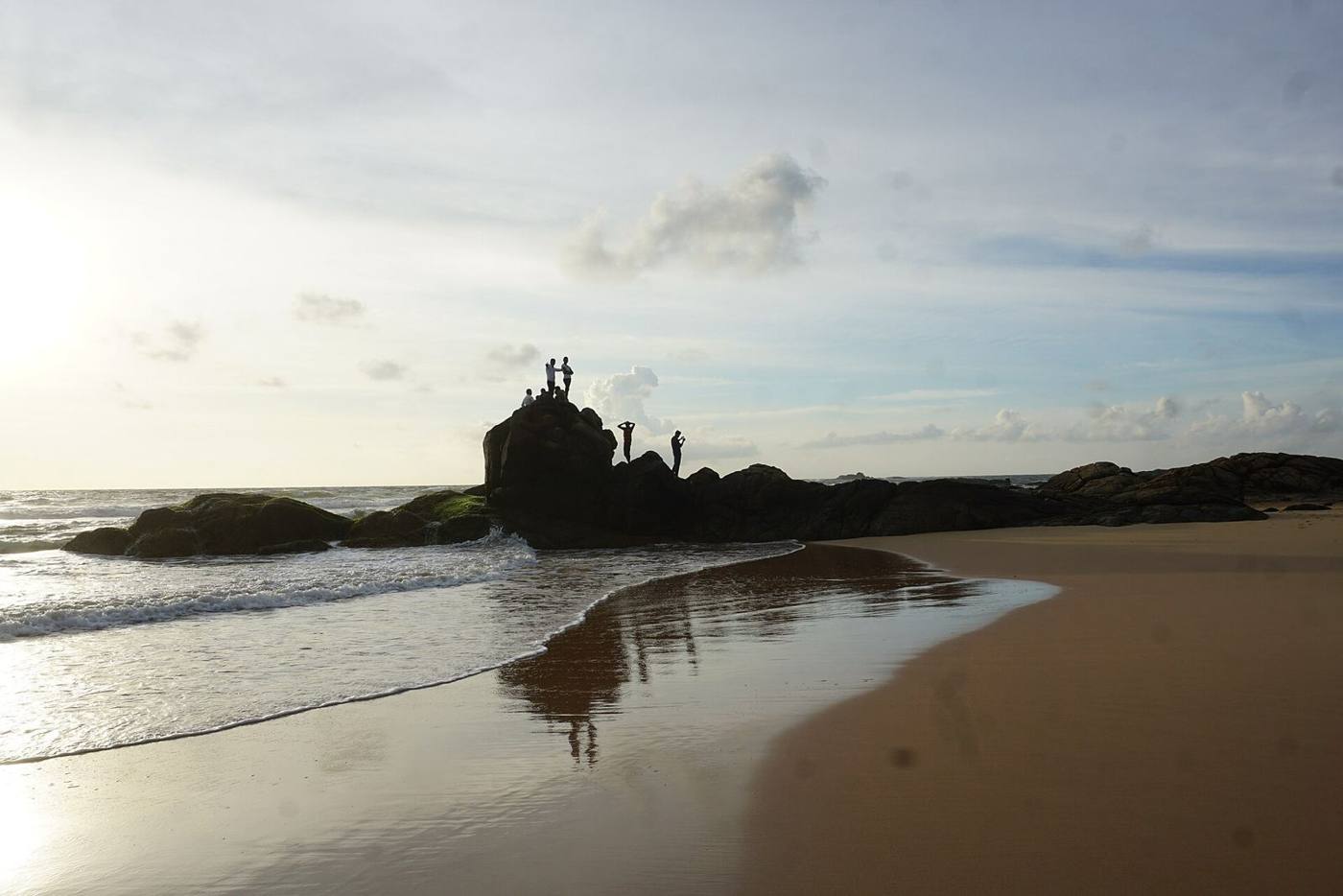
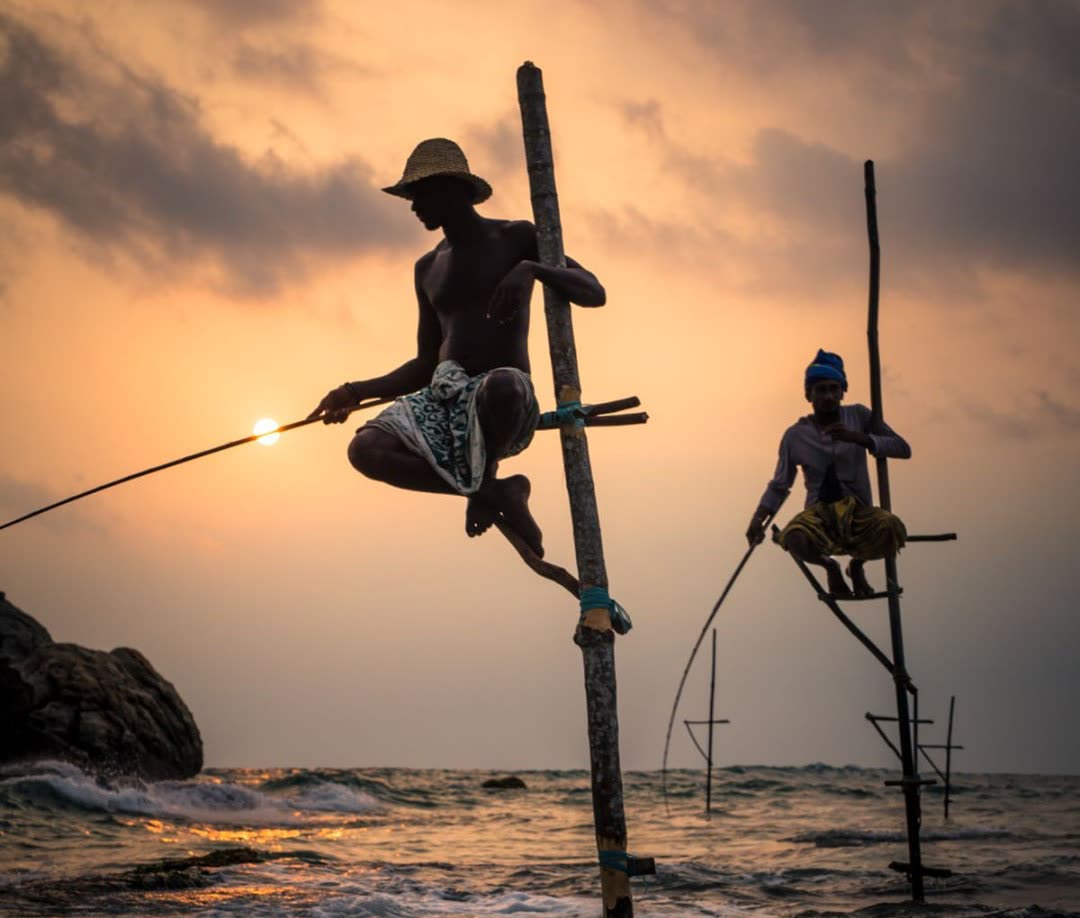
Stilt fishermen off the south coast of Sri Lanka at sunset

HomeTours

Ways to Travel
Sri Lanka

A wealth of ways to see the island

Discover Sri Lanka with confidence. Book directly with our local team for thoughtfully planned journeys, authentic experiences, and expert guidance at every step.

Pearl Voyages, Sri Lanka

The island, by experience

One island, a dozen different trips.

This is what we plan journeys around: the regions and their seasons, the places worth your days, and the experiences worth timing a trip for.

Nothing here is a fixed tour. Tell us which of it pulls at you and we will shape a route around your dates and your pace.

When and where

The island, region by region

Two monsoons cross Sri Lanka at opposite times of year, so where you go matters more than when. There is a dry, bright corner of the island in almost every month.

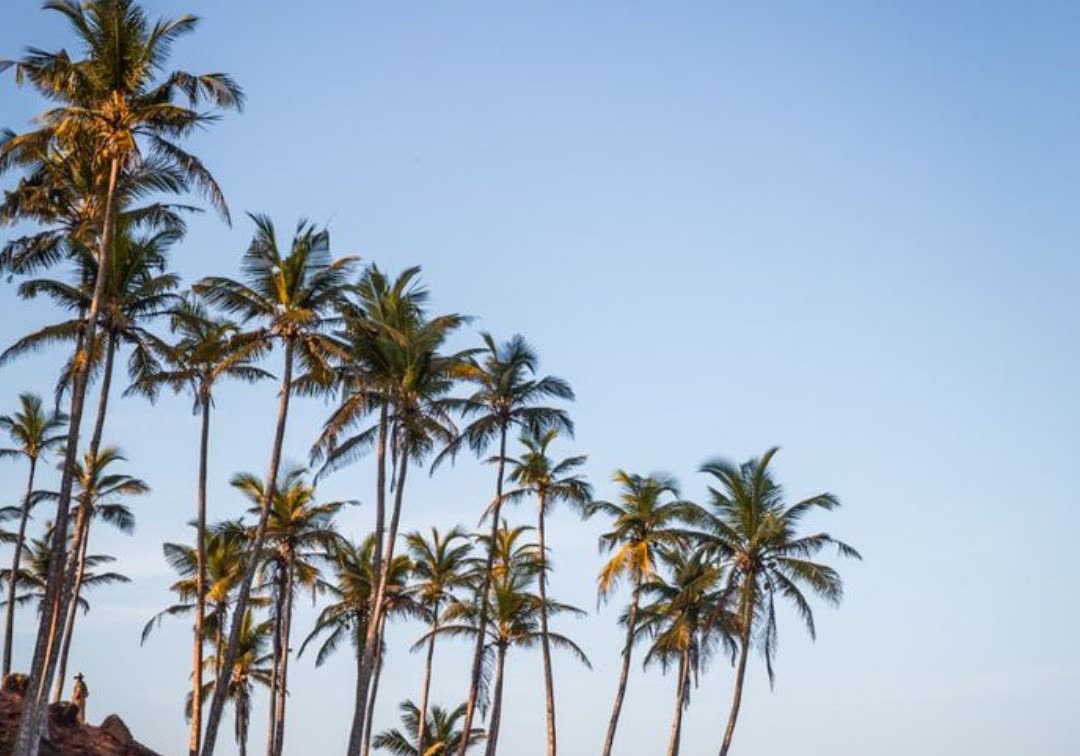
Palms on the south coast of Sri Lanka

South coast

Best December to April
The west coast near Colombo

West coast

Best December to April
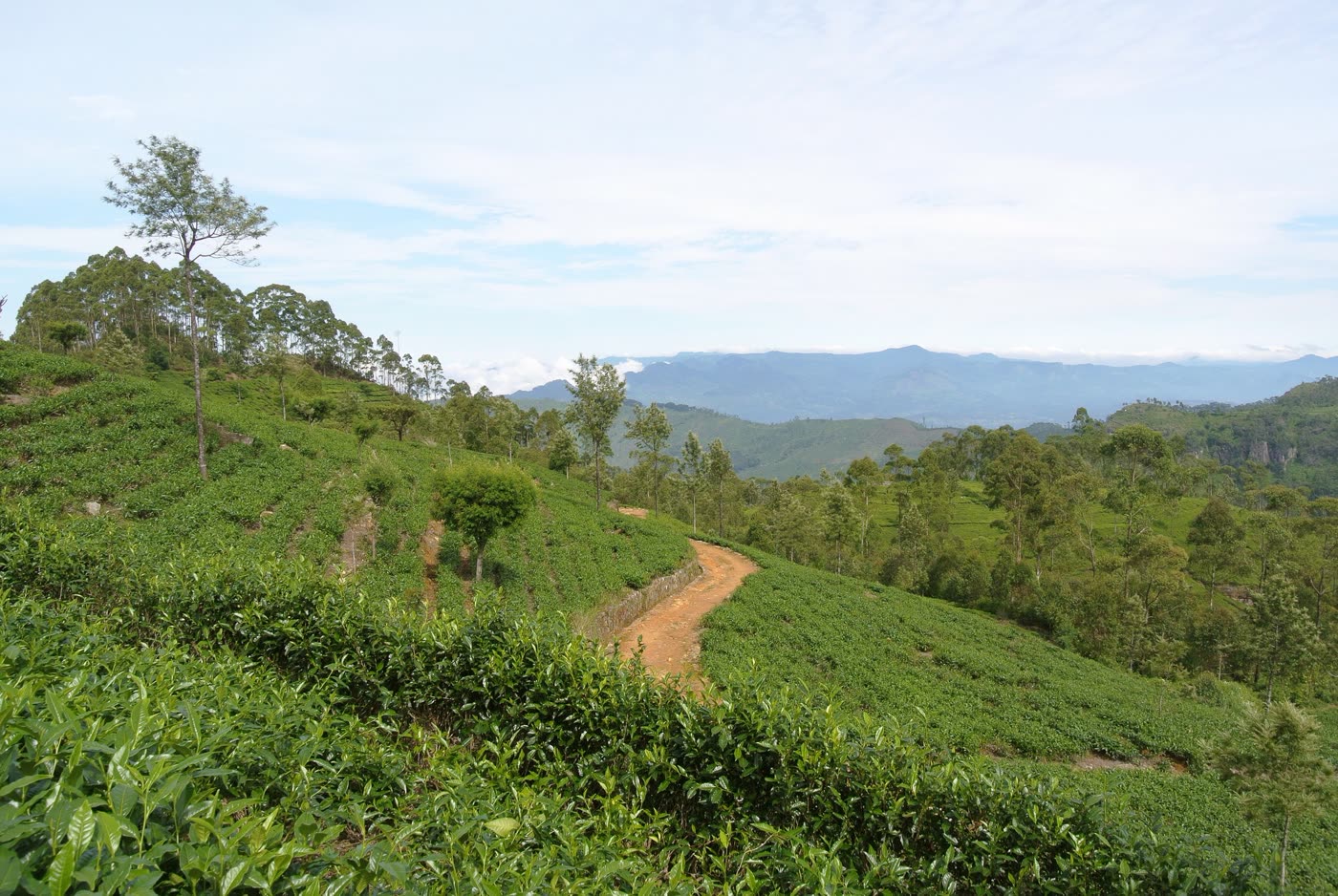
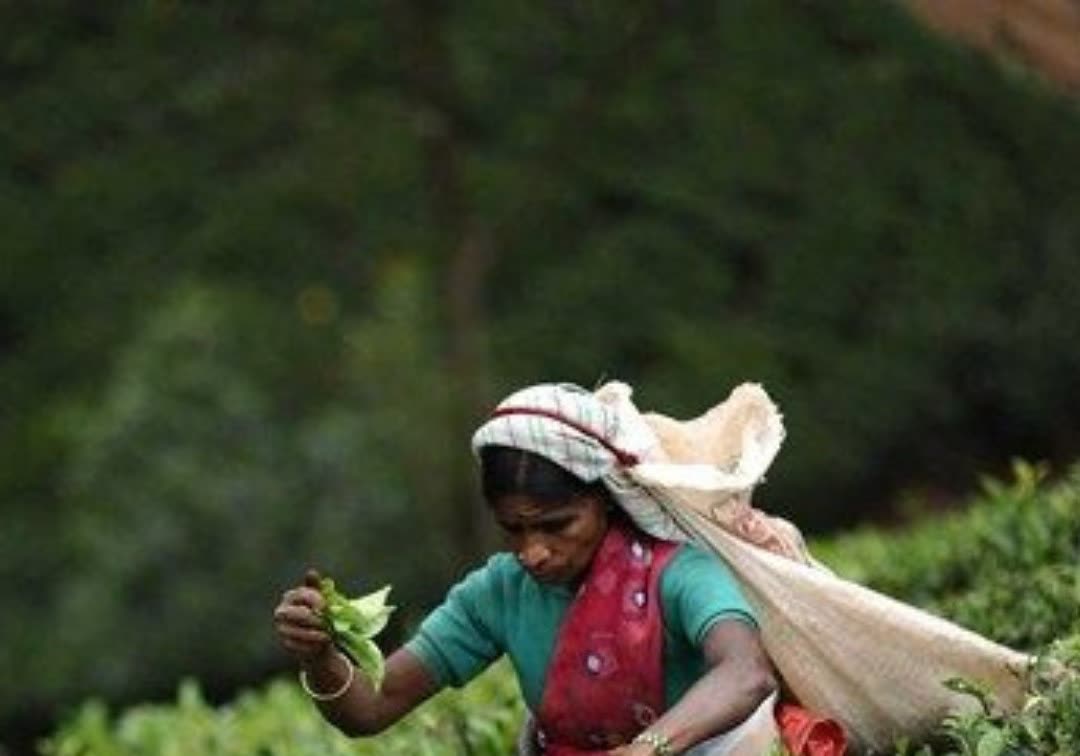
Tea estates in the hill country

Hill country

Good year round
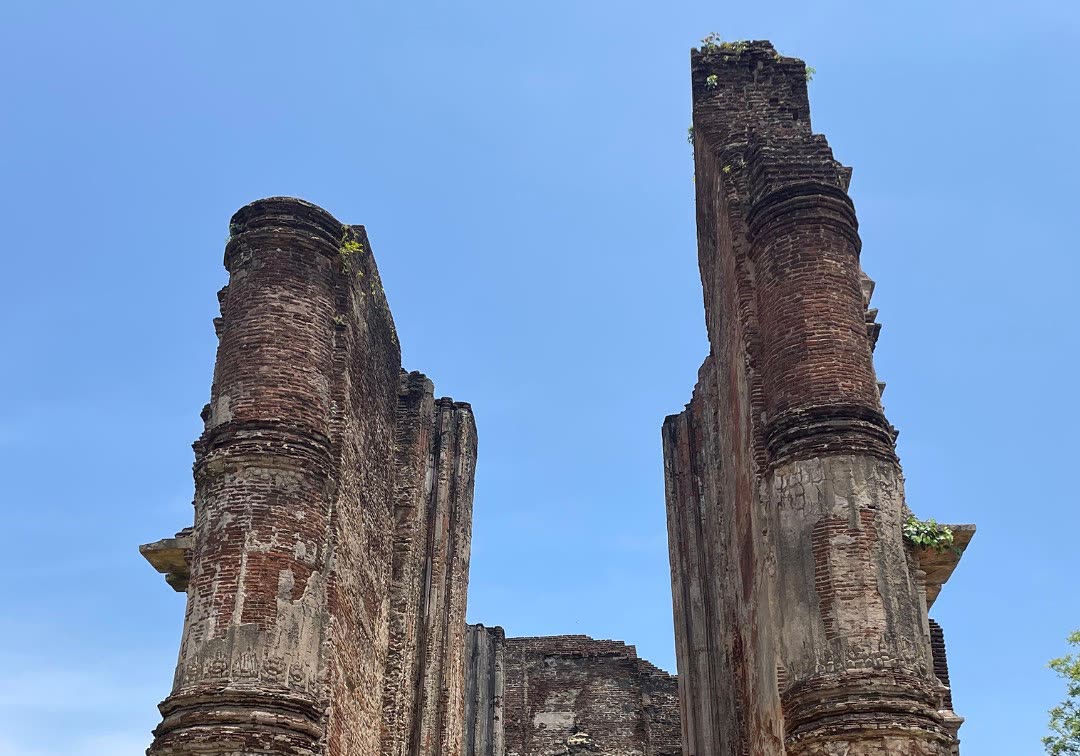
Ancient ruins in the Cultural Triangle

Cultural Triangle

Driest May to September
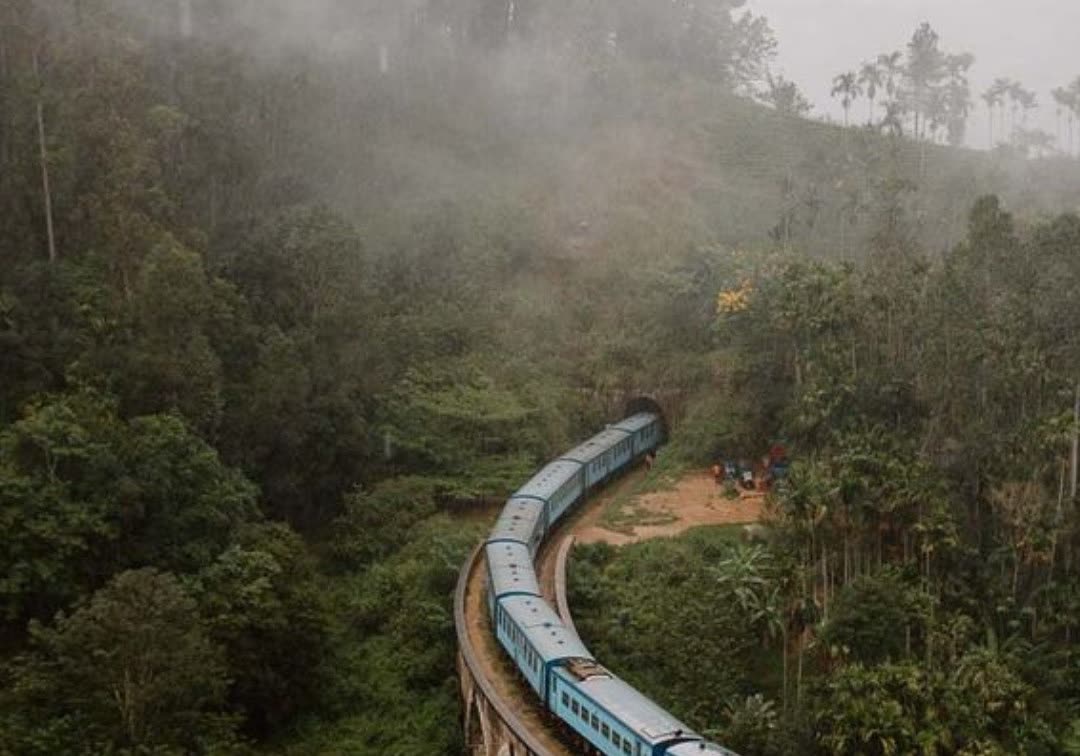
The Nine Arch Bridge in the Uva highlands

Uva highlands

Jun to Aug, Jan to Apr
The east coast at Trincomalee

East coast

Best April to September
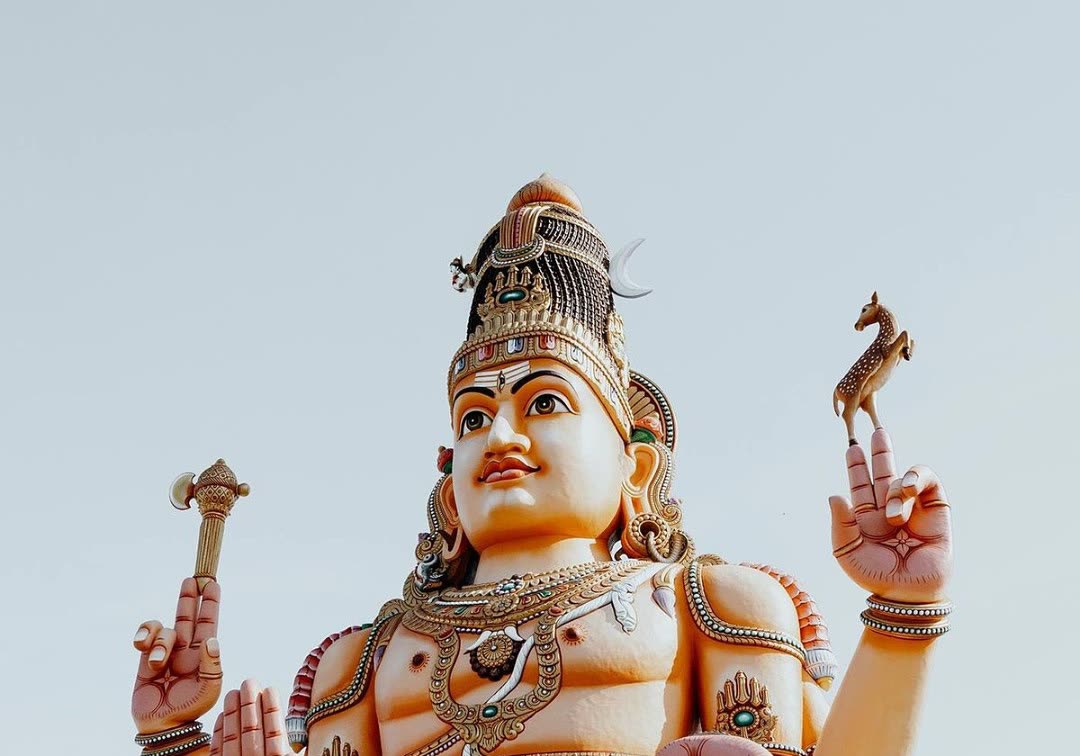
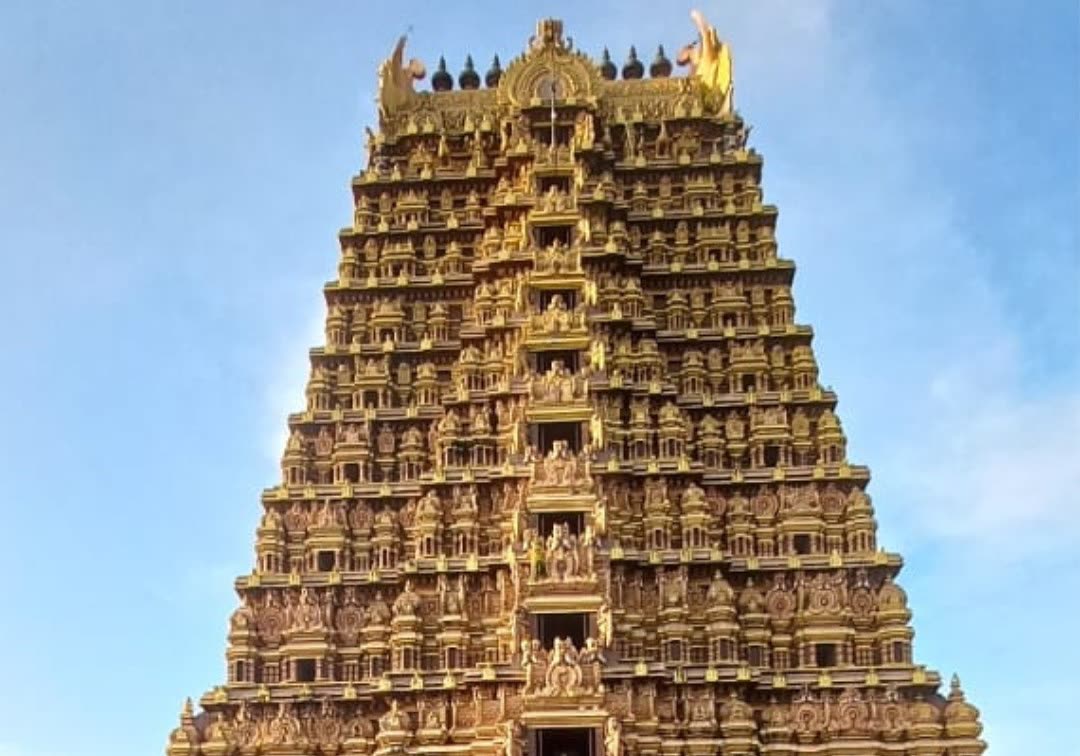
A Hindu temple in Jaffna, the north

The north

Best June to September

The year at a glance

Where to be, month by month

RegionJFMAMJJASOND
South & west coast
Hill country
Cultural Triangle
East coast
The north
Uva highlands
Peak, driest and brightest Good, mostly dry Wetter, plan around it

Destinations

Sri Lanka's iconic places

The places our journeys are built around. Here is what is at each, and when to go.

Sigiriya & the Cultural Triangle
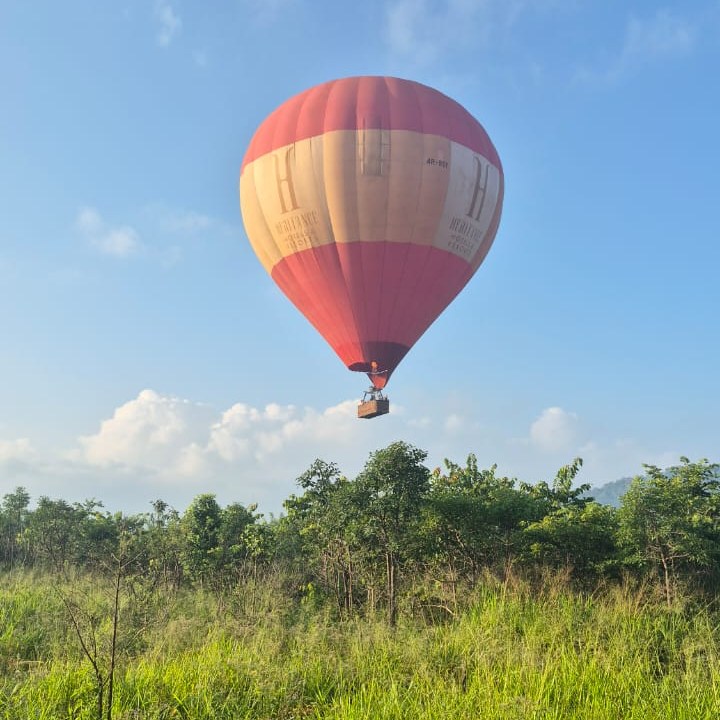
A red and cream hot air balloon floating above the treetops in a blue sky

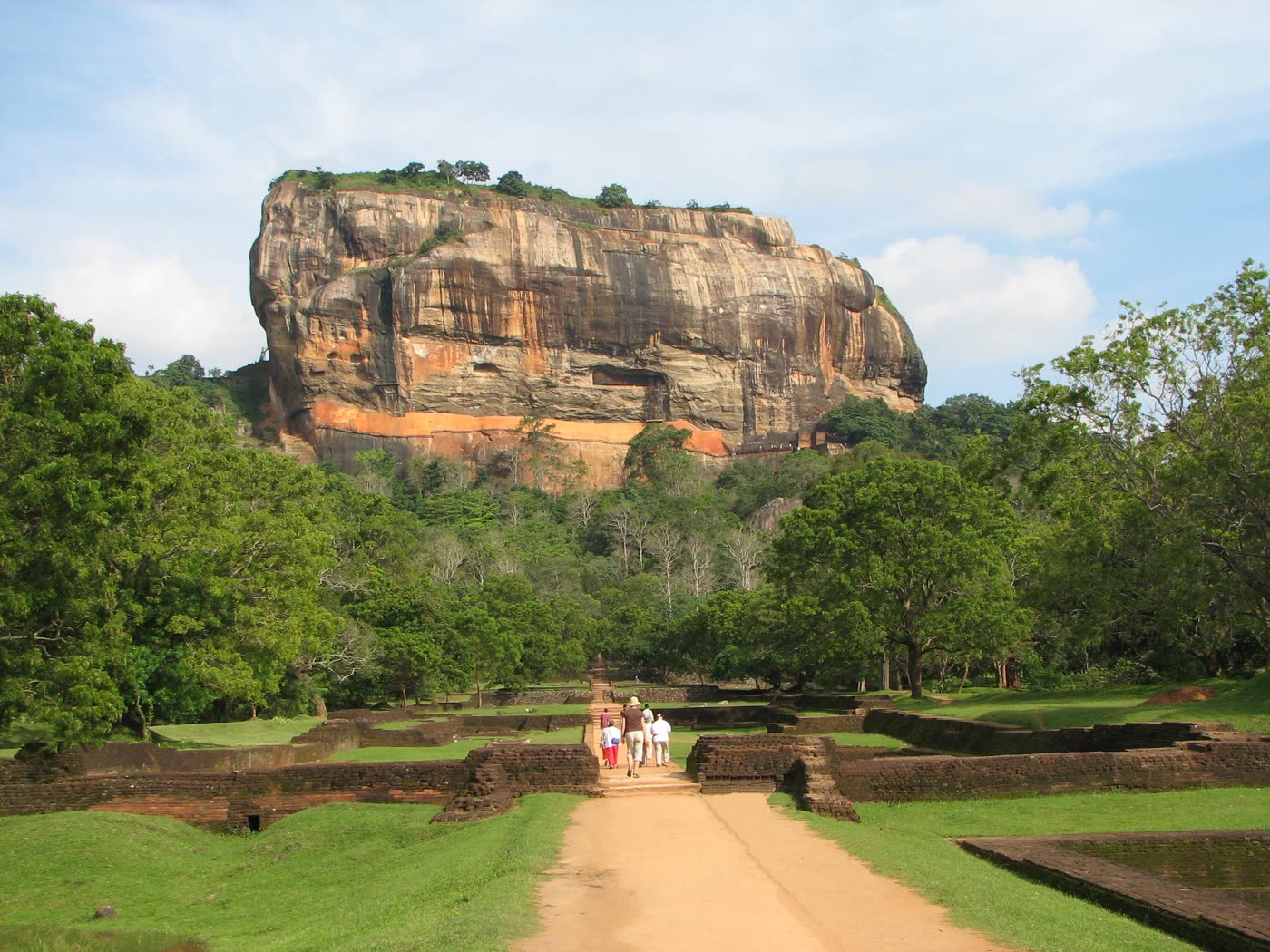
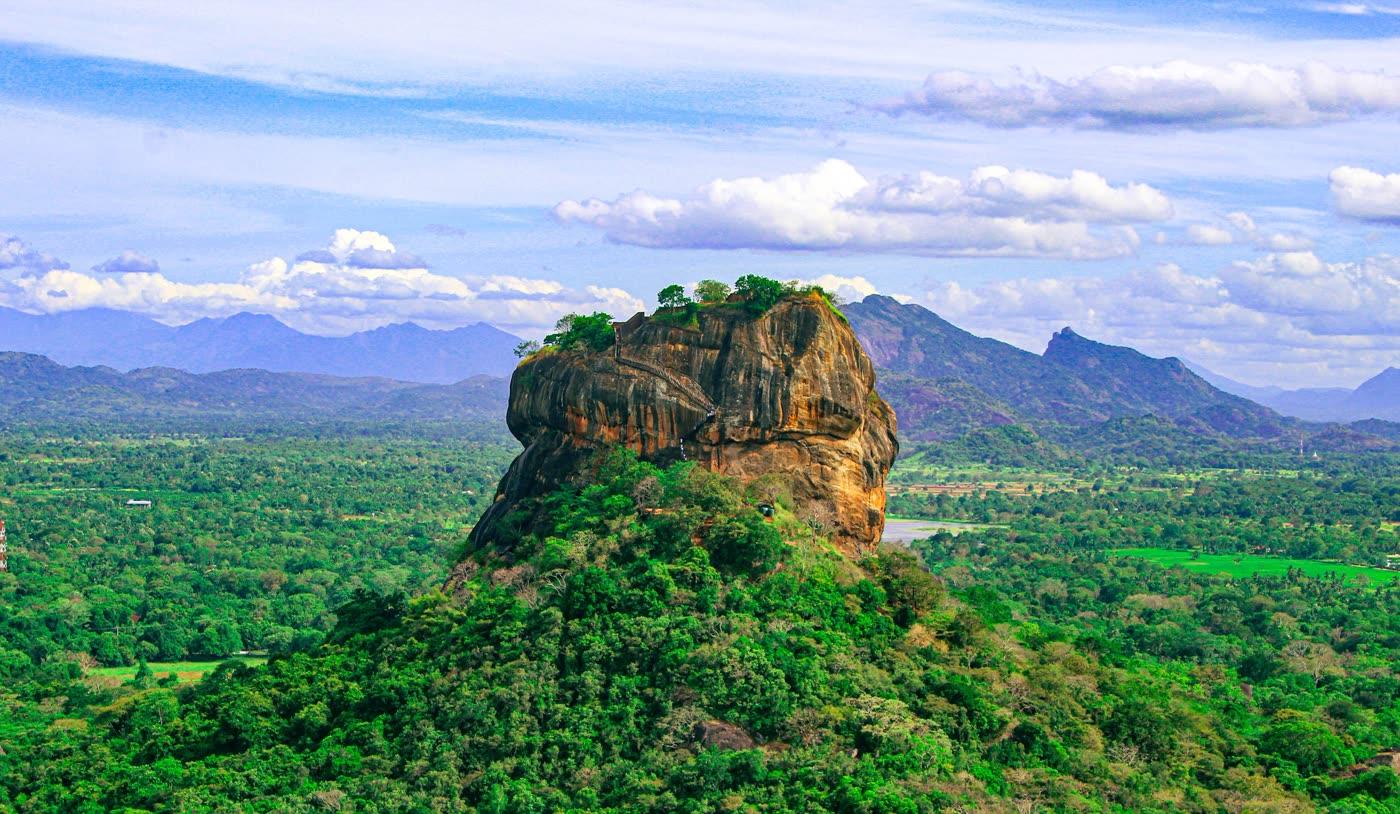
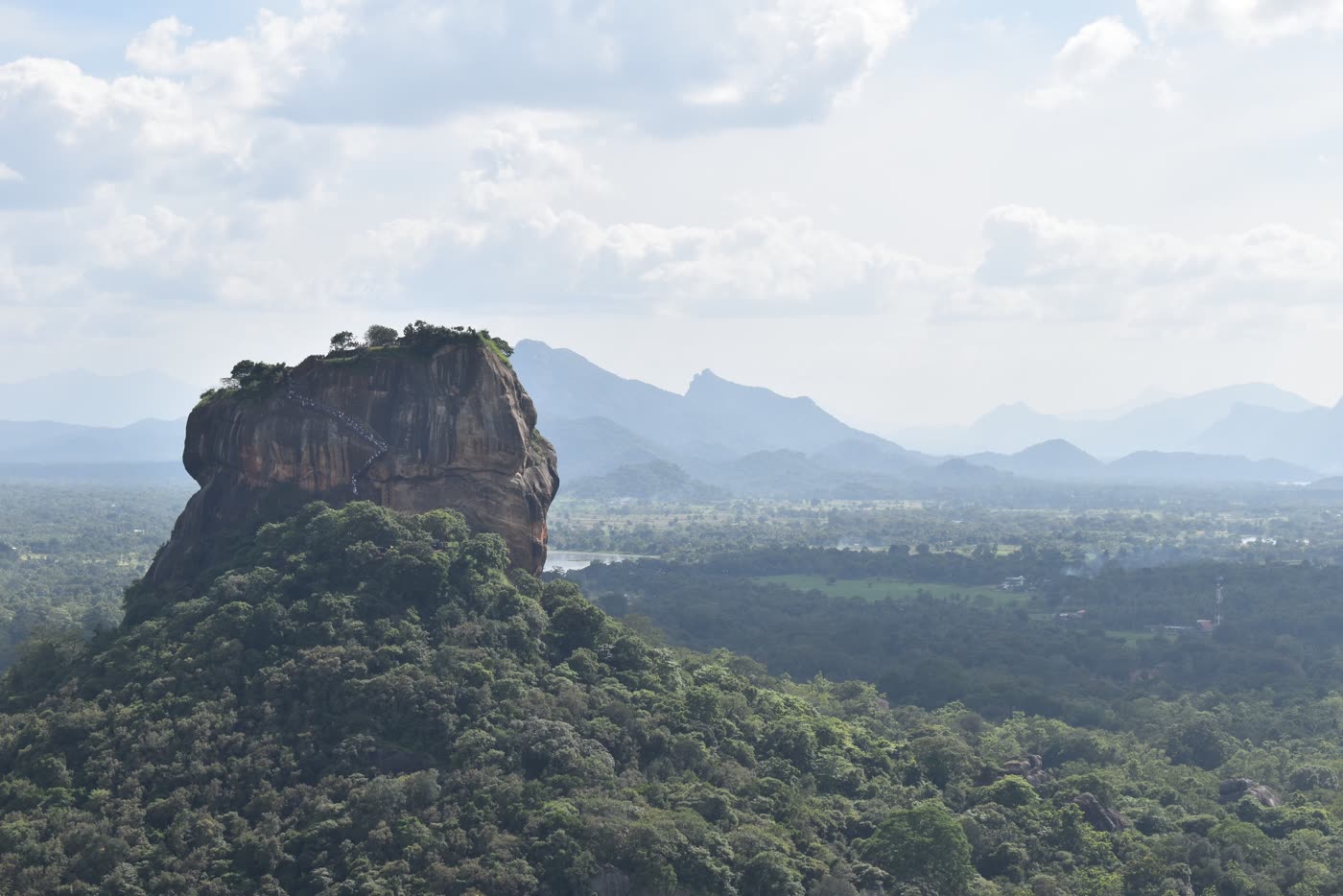
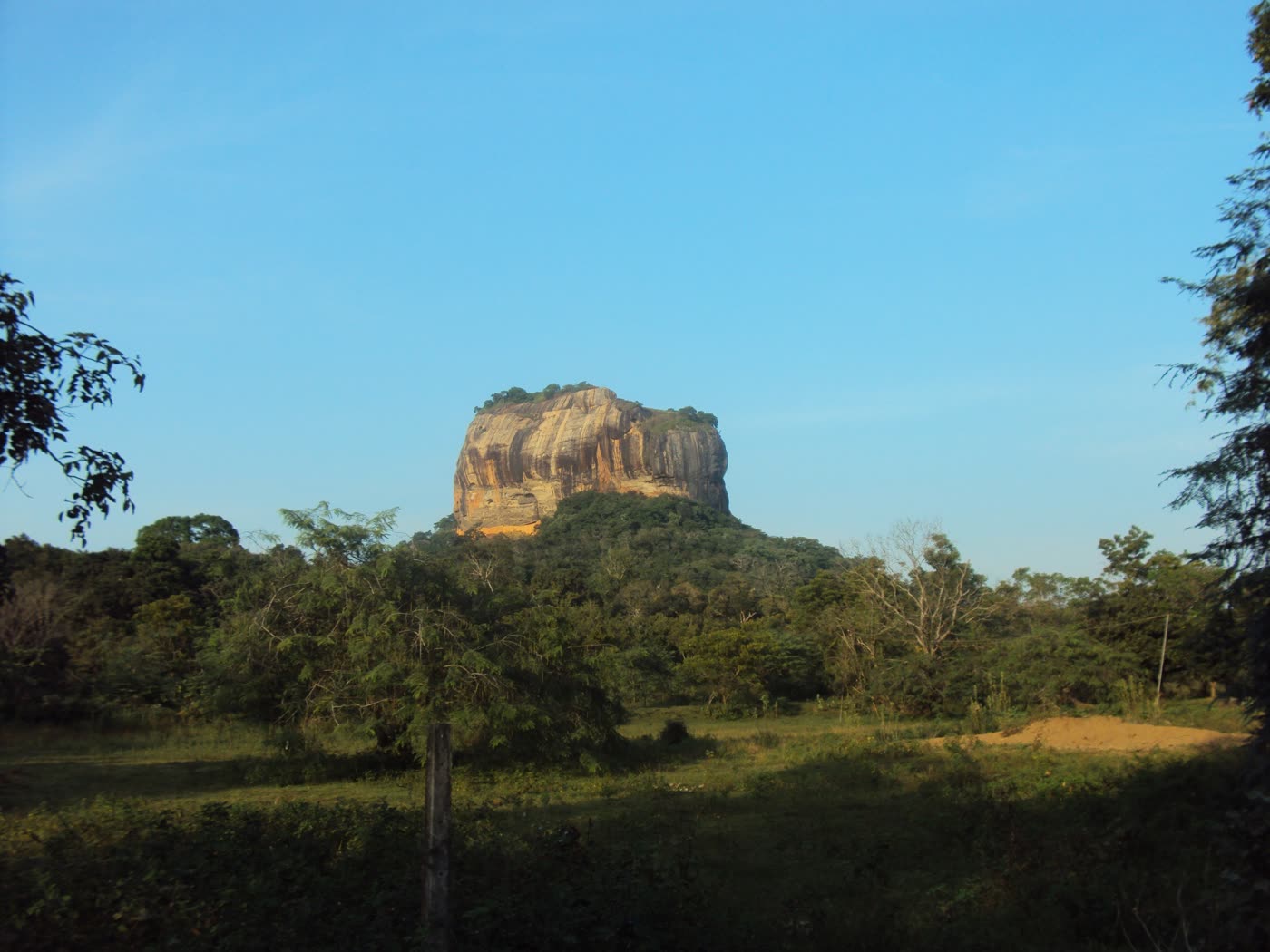
In the fifth century King Kasyapa moved his capital to the top of a two hundred metre column of rock and built a palace in the sky. What is left of Sigiriya is still staggering: landscaped water gardens that still fill after rain, a stair up the cliff to frescoes of bare-shouldered "cloud maidens", a mirror wall covered in graffiti a thousand years old, and two giant carved lion's paws guarding the final climb.

It sits in the Cultural Triangle, the band of dry-zone plain between Anuradhapura, Polonnaruwa and Kandy where Sri Lanka kept its capitals for more than a thousand years. A few days here covers most of the island's ancient sites.

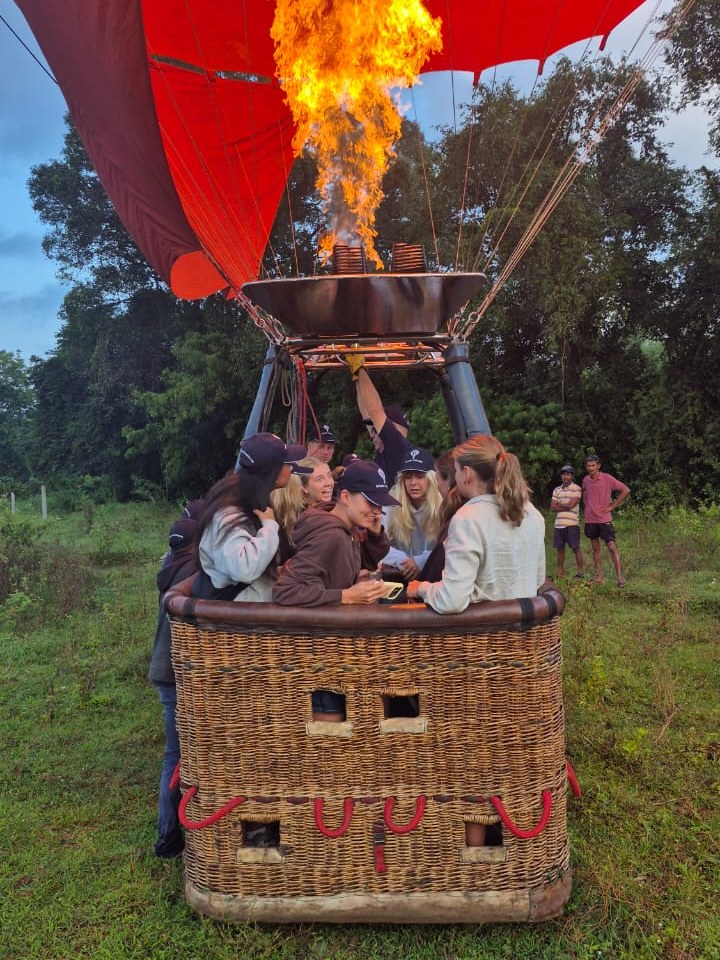
For a different view of it all, take a hot air balloon. Flights lift off at first light from the plains around Sigiriya and Dambulla, while the air is cool and still. For about an hour you drift silently over jungle, village tanks and paddy fields, with the Lion Rock and Pidurangala rising out of the morning mist, and often elephants or peacocks moving below. Balloon flights run in the drier months, usually from about November to April, and we arrange the early pick-up and transfers so the morning is effortless.

When Driest May to September. Balloon flights roughly November to April

Highlights

  • Sigiriya rock at opening time, or Pidurangala next door for the view back
  • A sunrise hot air balloon flight over the forest and lakes
  • Dambulla, five cave temples of painted ceilings and Buddha statues
  • Elephant safaris at Minneriya and Kaudulla, under an hour away
  • A village lunch, a paddy-field cycle or a dawn catamaran
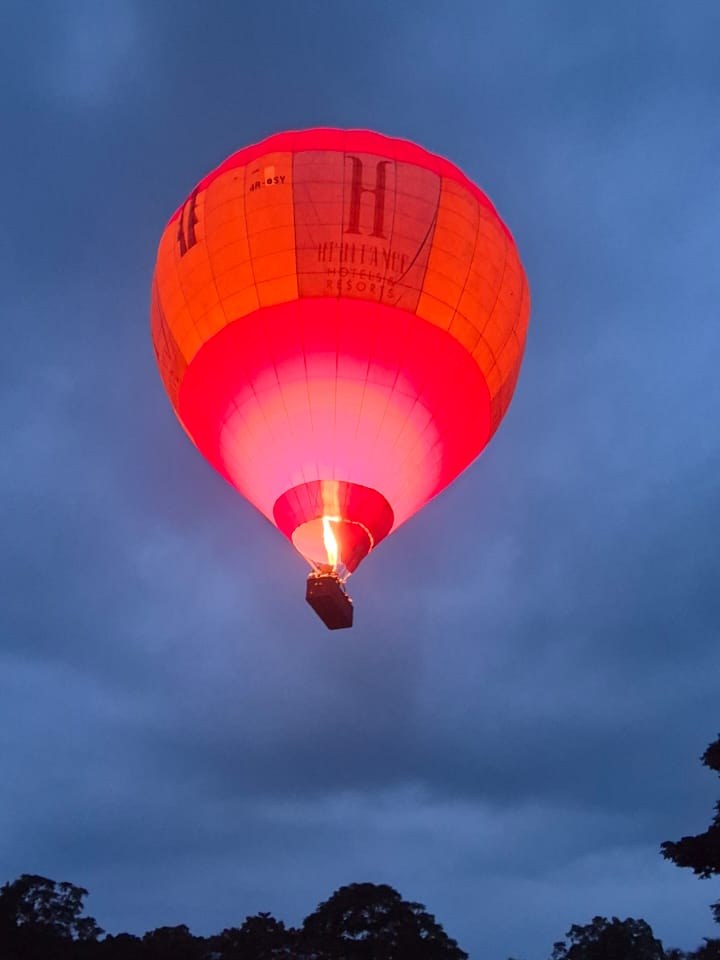
A hot air balloon glowing red against a dark blue sky Guests in a balloon basket as the burner fires before take-off The path to Sigiriya rock through the gardens Sigiriya rock rising above green forest Sigiriya seen from Pidurangala rock Sigiriya rock seen across the forest

Anuradhapura

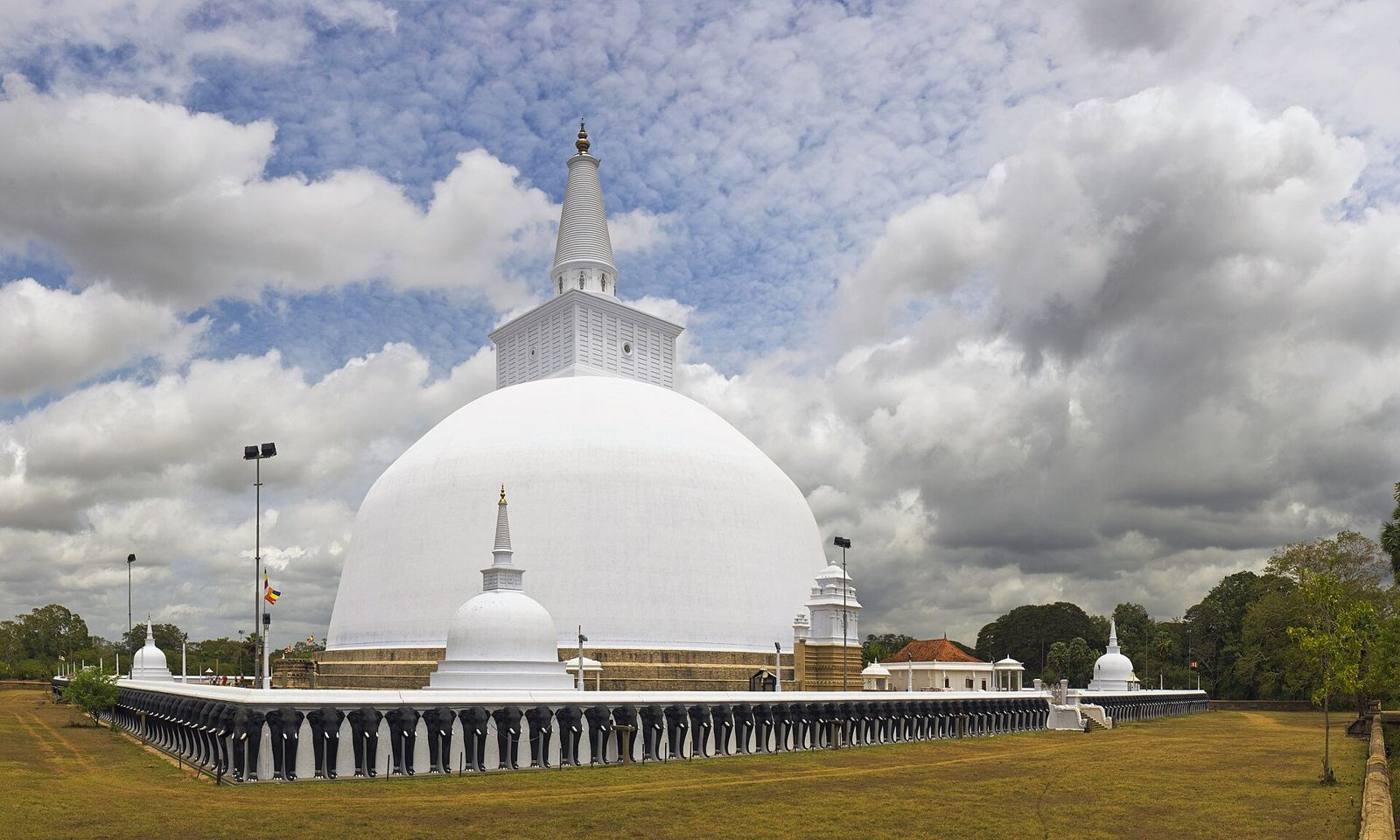
The great white dome of Ruwanwelisaya stupa under a blue sky

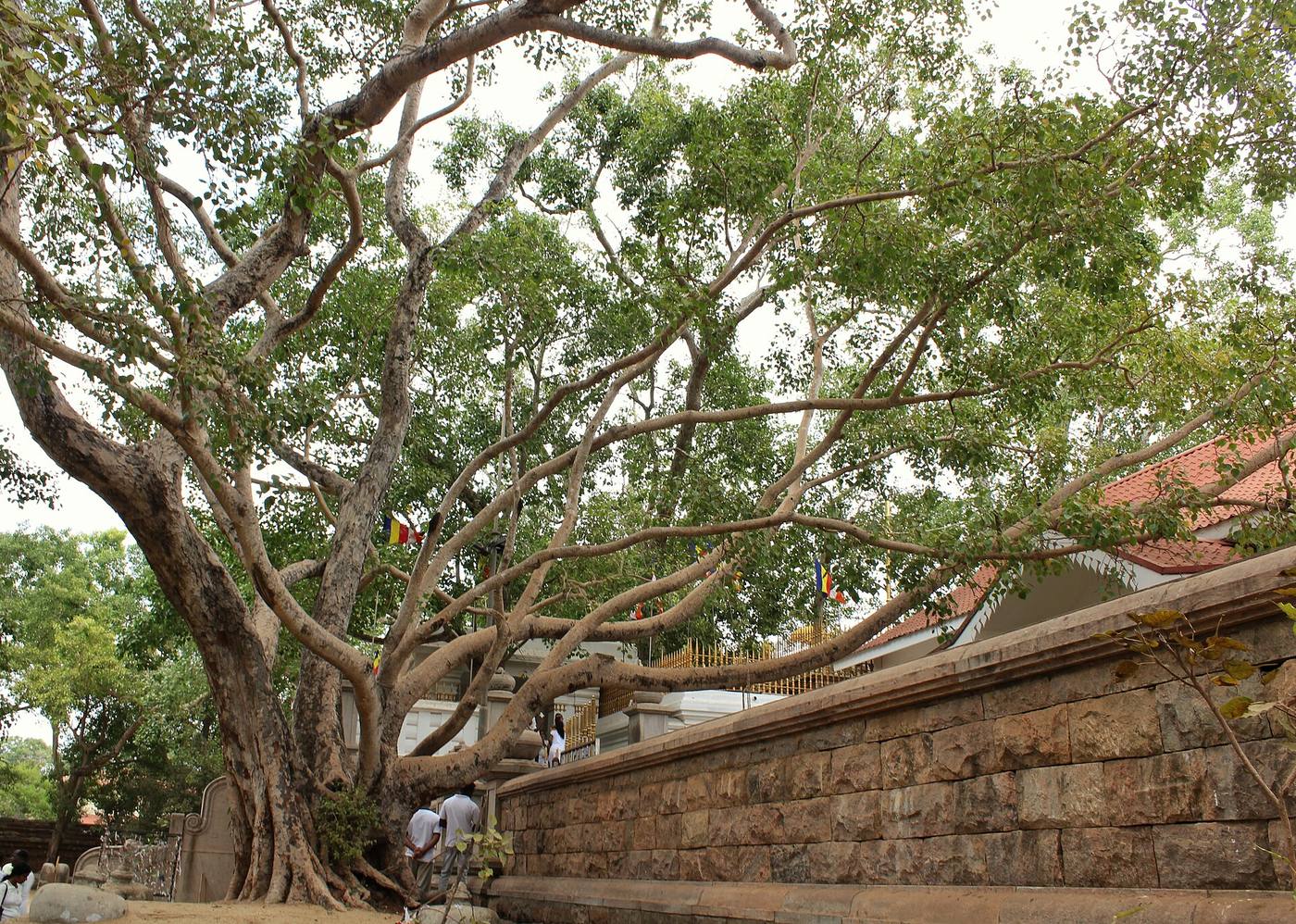
Anuradhapura was Sri Lanka's first great capital, a royal and monastic city for some 1,400 years from the 4th century BCE, and today a UNESCO World Heritage Site that is still very much a living place of pilgrimage. At its heart is the Sri Maha Bodhi, a sacred fig grown from a cutting of the tree under which the Buddha found enlightenment. Planted in the 3rd century BCE, it is thought to be the oldest human-planted tree in the world with a recorded history, and it has been tended without a break ever since.

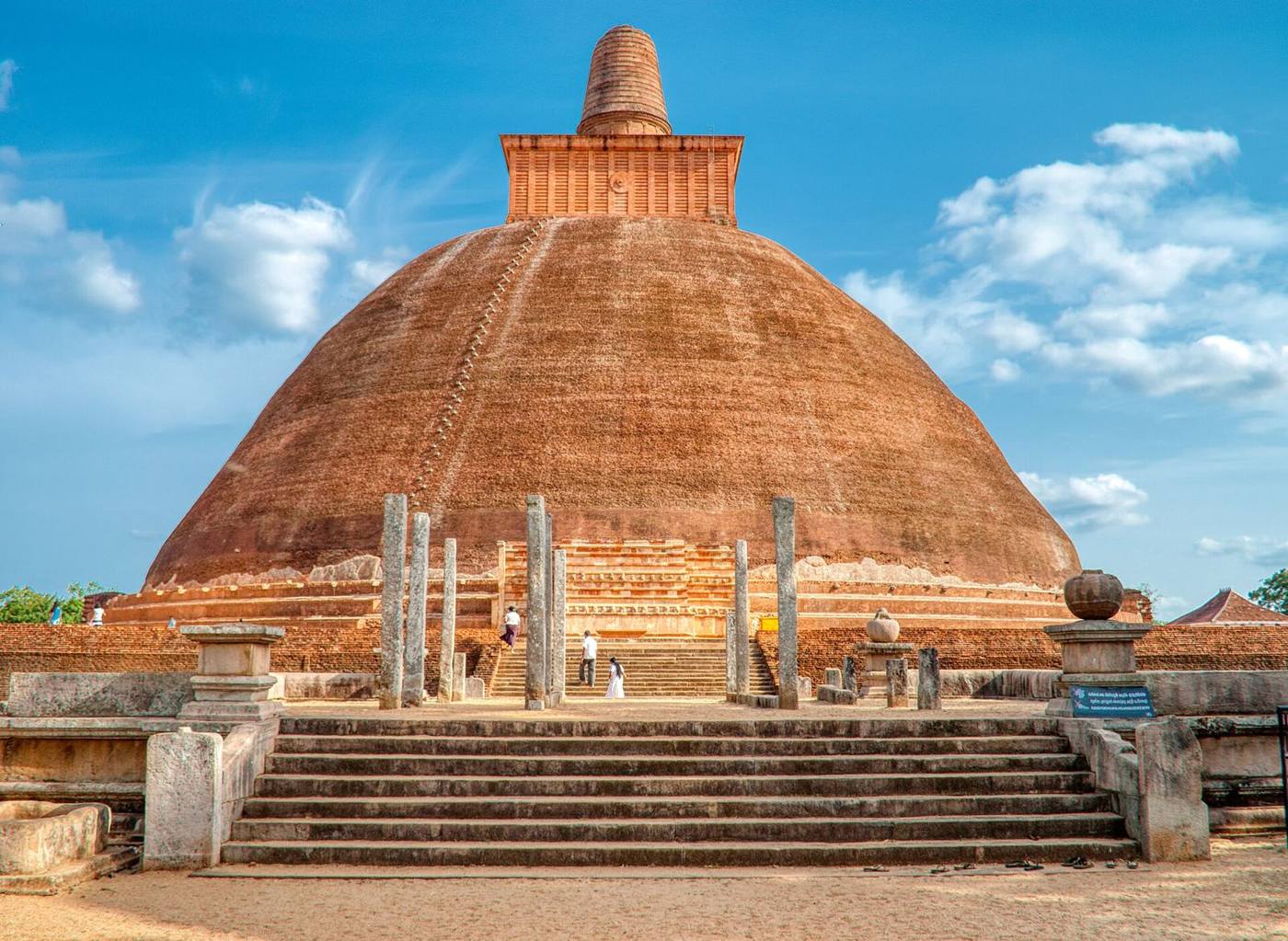
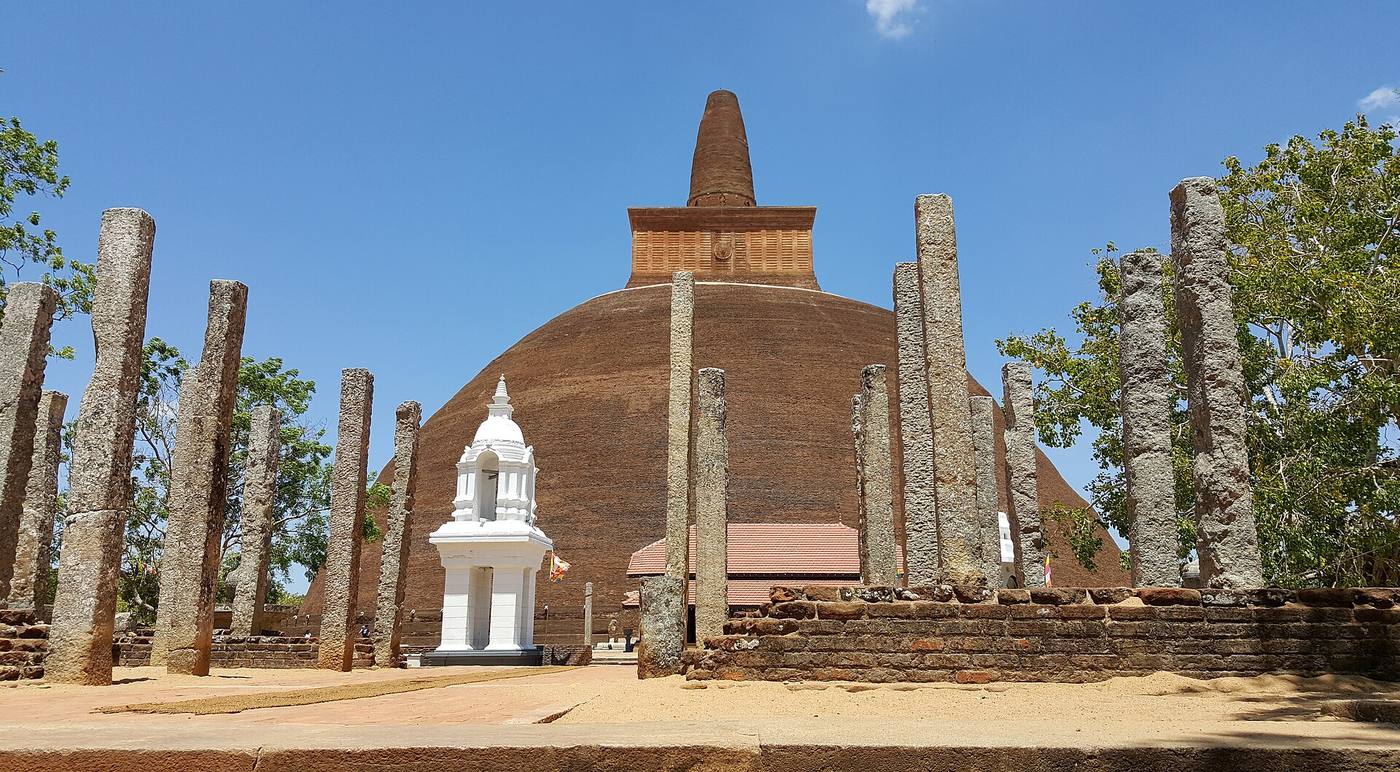
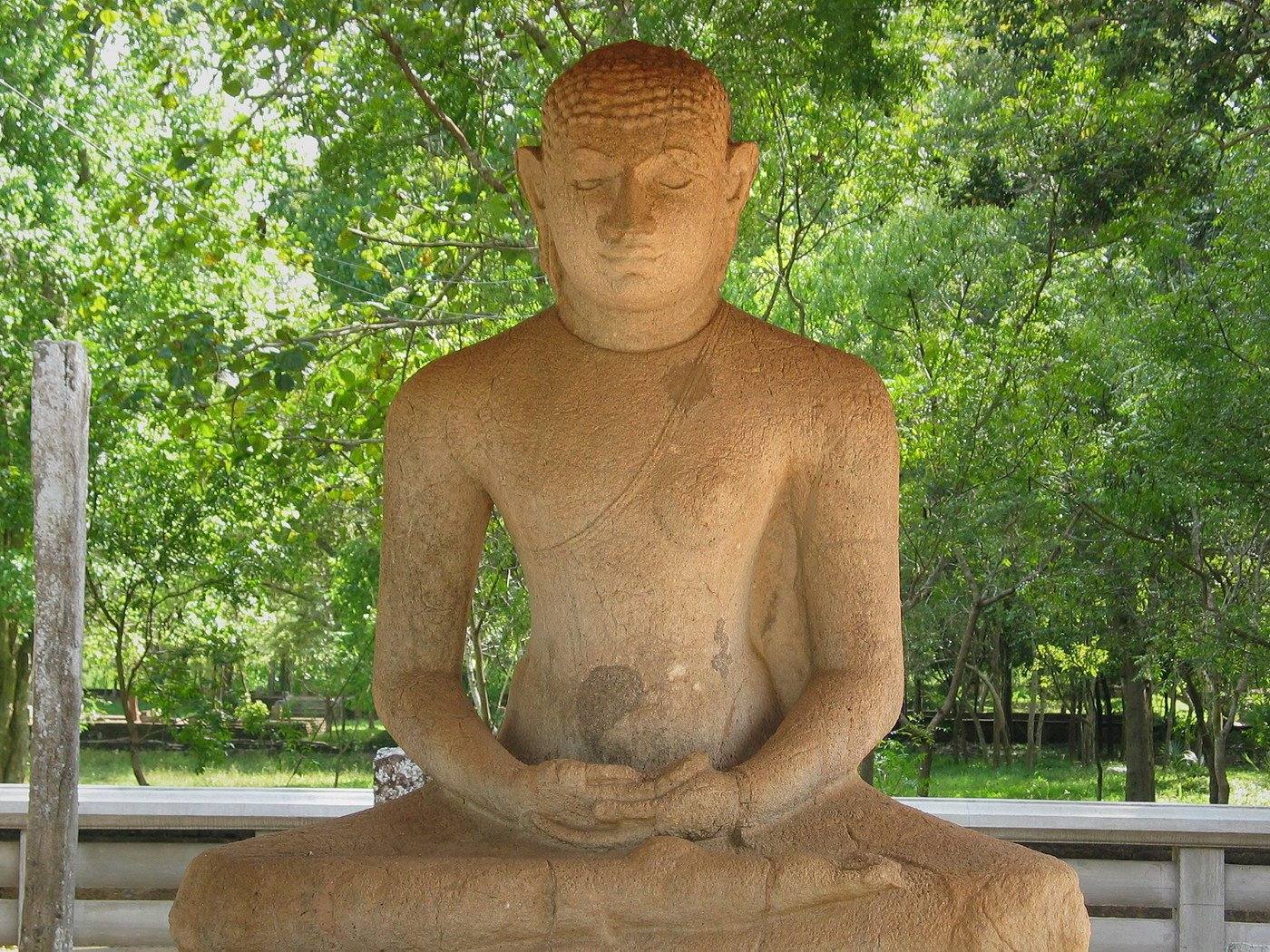
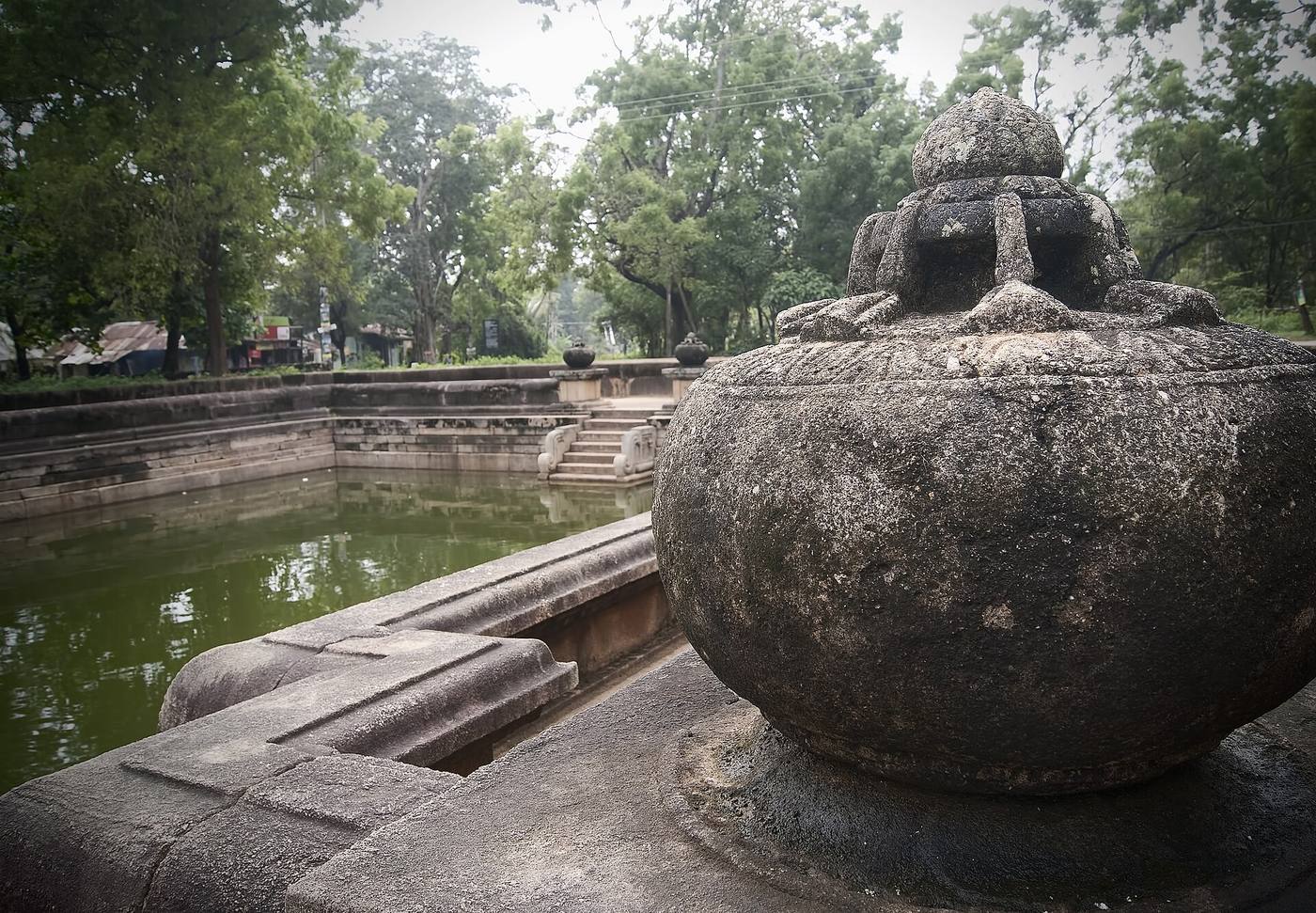
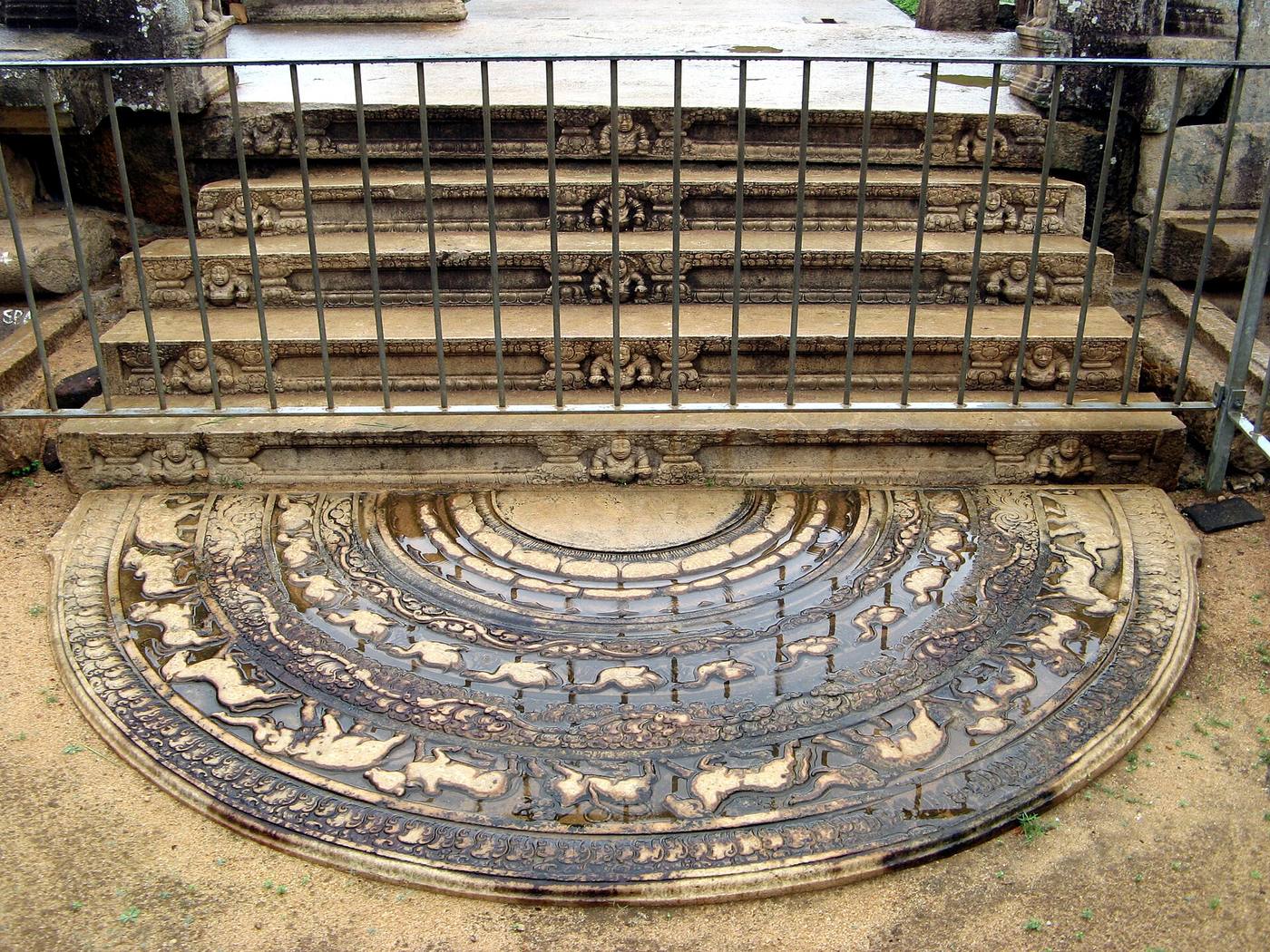
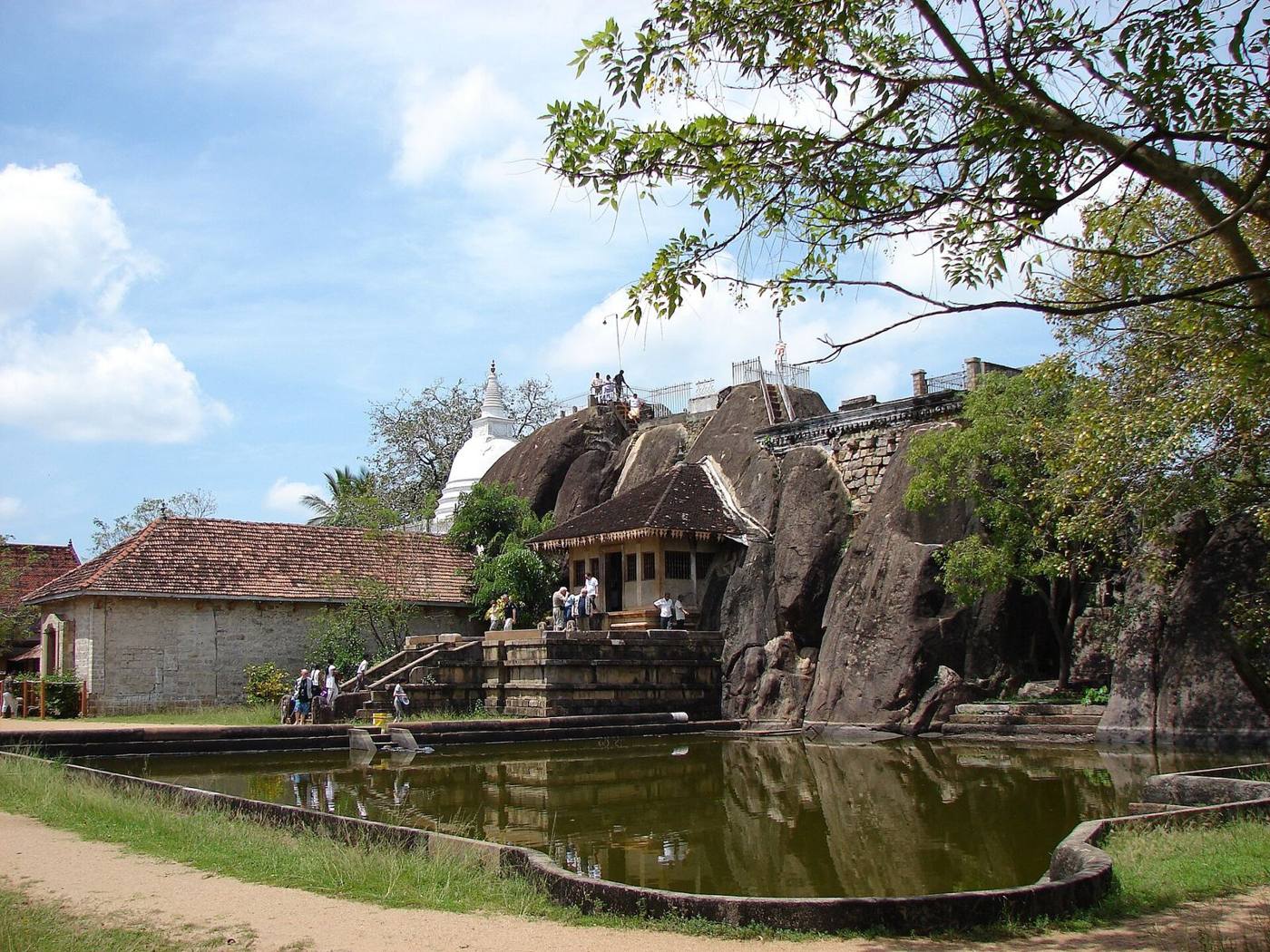
The great stupas are on a scale that is hard to take in: the gleaming white dome of Ruwanwelisaya, the brick mountain of Jetavanaramaya, once among the tallest structures in the ancient world, and the monastery of Abhayagiri, where thousands of monks once lived and studied. Between them lie quieter treasures: the serene Samadhi Buddha, the beautifully engineered twin ponds of Kuttam Pokuna, carved moonstones at the foot of temple steps, and the rock temple of Isurumuniya with its famous carving of the lovers. Mihintale, where Buddhism first came to the island, is a short drive east.

When Driest May to September. Start early, and dress in white with shoulders and knees covered for the temples

Highlights

  • The sacred Sri Maha Bodhi, more than 2,000 years old
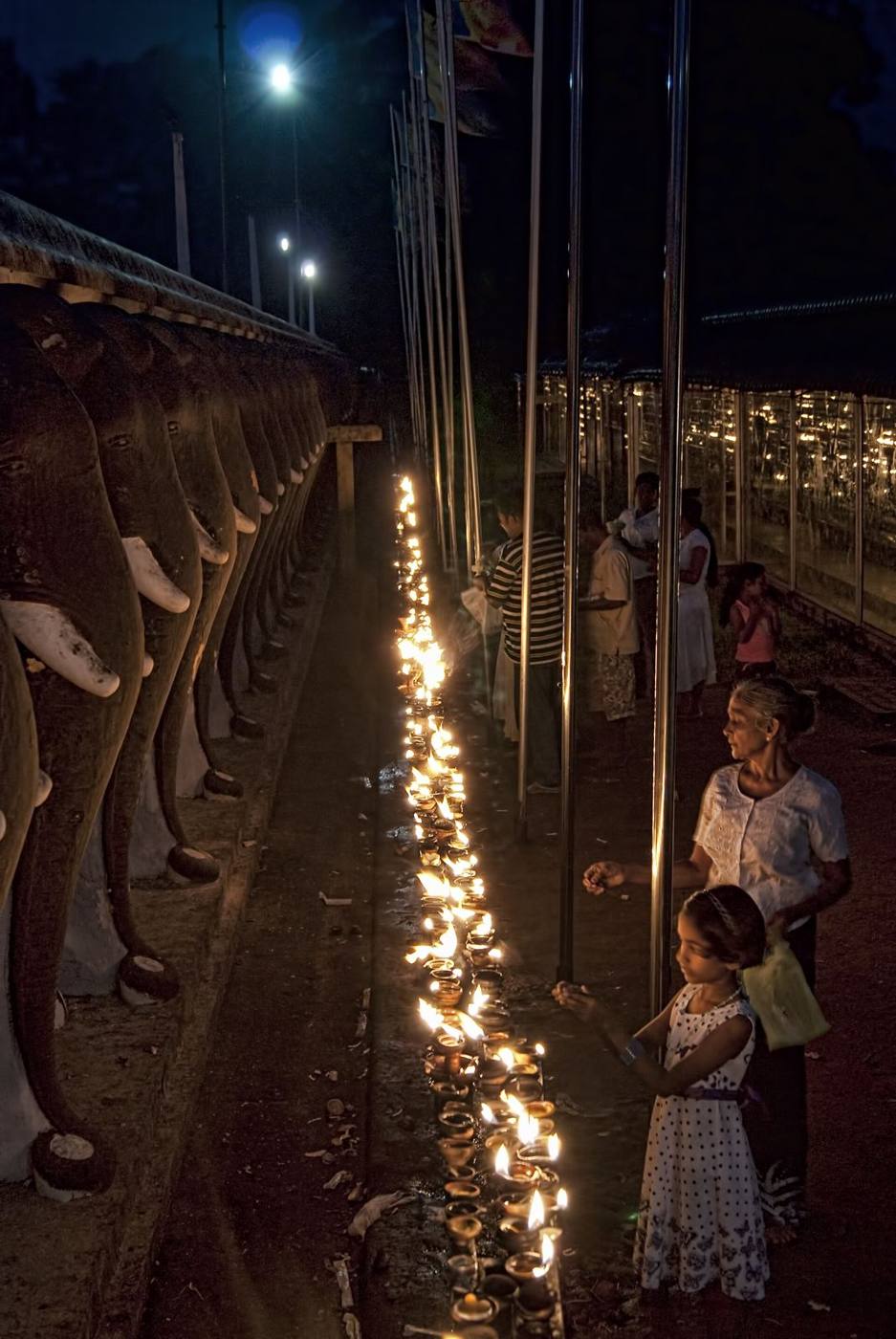
  • Ruwanwelisaya at dusk, when pilgrims light oil lamps around the terrace
  • Jetavanaramaya and the Abhayagiri monastery
  • The Samadhi Buddha and the twin ponds of Kuttam Pokuna
  • Isurumuniya rock temple, and Mihintale nearby
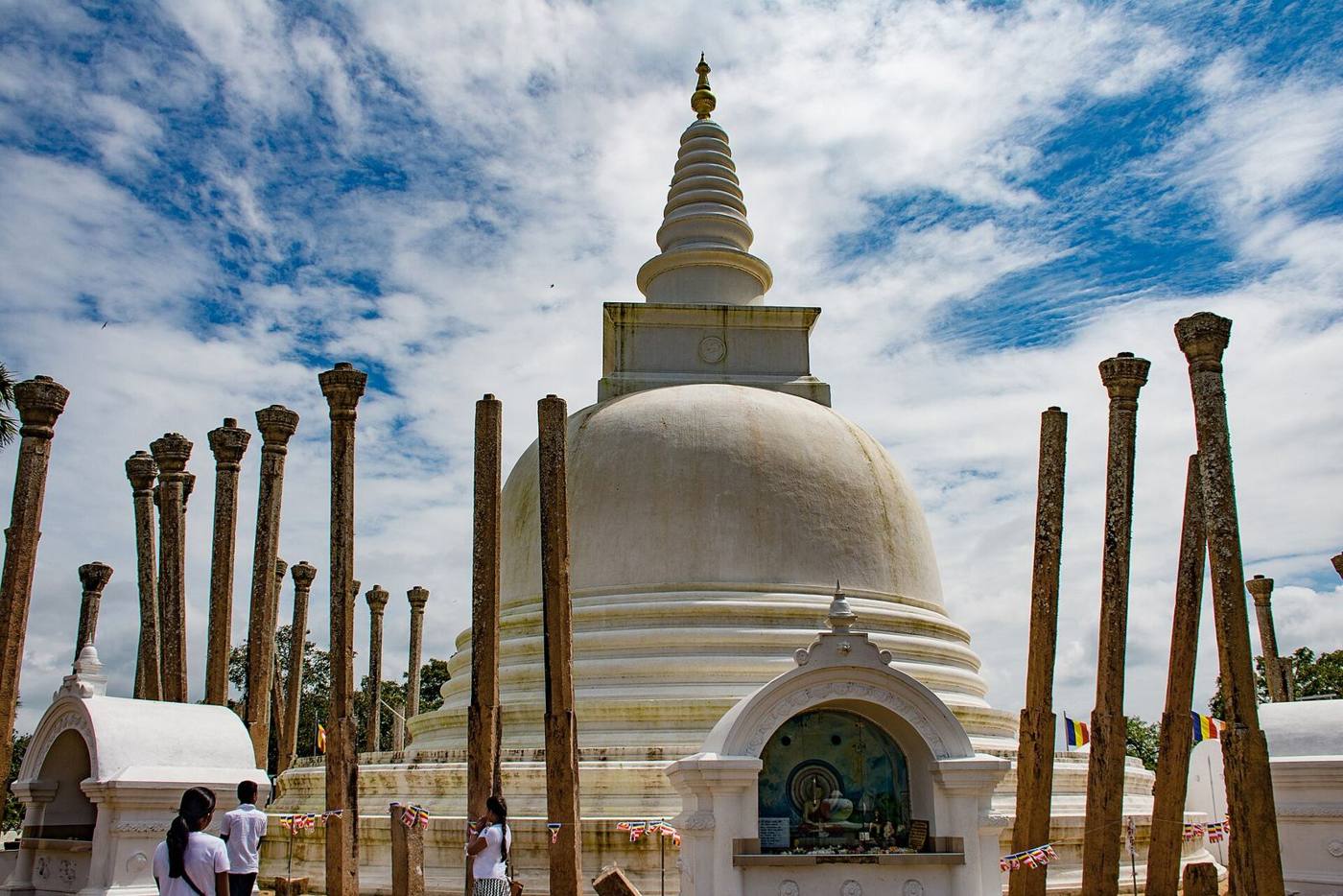
The spreading branches of the sacred Bodhi tree above its terrace wall The huge brick dome of Jetavanaramaya The brick dome of Abhayagiri behind rows of ancient stone pillars A seated stone Buddha in meditation among trees An ancient stone pond with a carved pot at its edge A semicircular carved moonstone at the foot of stone steps A white stupa ringed by ancient stone pillars Isurumuniya temple built into a granite outcrop beside a pond Rows of lit oil lamps on the stupa terrace at night

Polonnaruwa

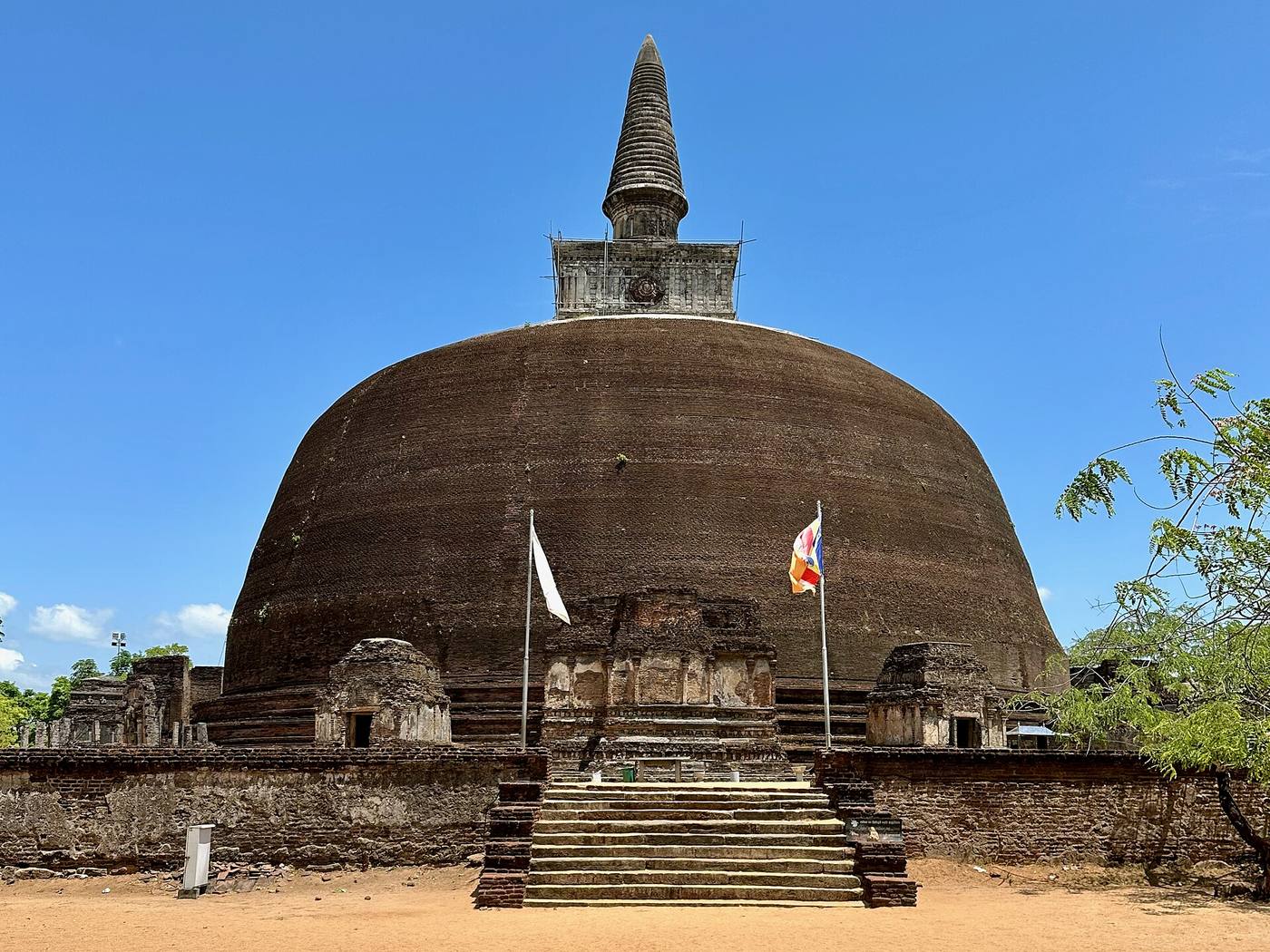
The great brick dome of Rankoth Vehera under a blue sky

Polonnaruwa became the royal capital in the 11th century and reached its golden age under King Parakramabahu I in the 12th, when the city was filled with palaces, temples and gardens. Far more compact than Anuradhapura, its ruins are remarkably well preserved and sit within shady parkland, best explored at an easy pace by bicycle in a day. It is a UNESCO World Heritage Site.
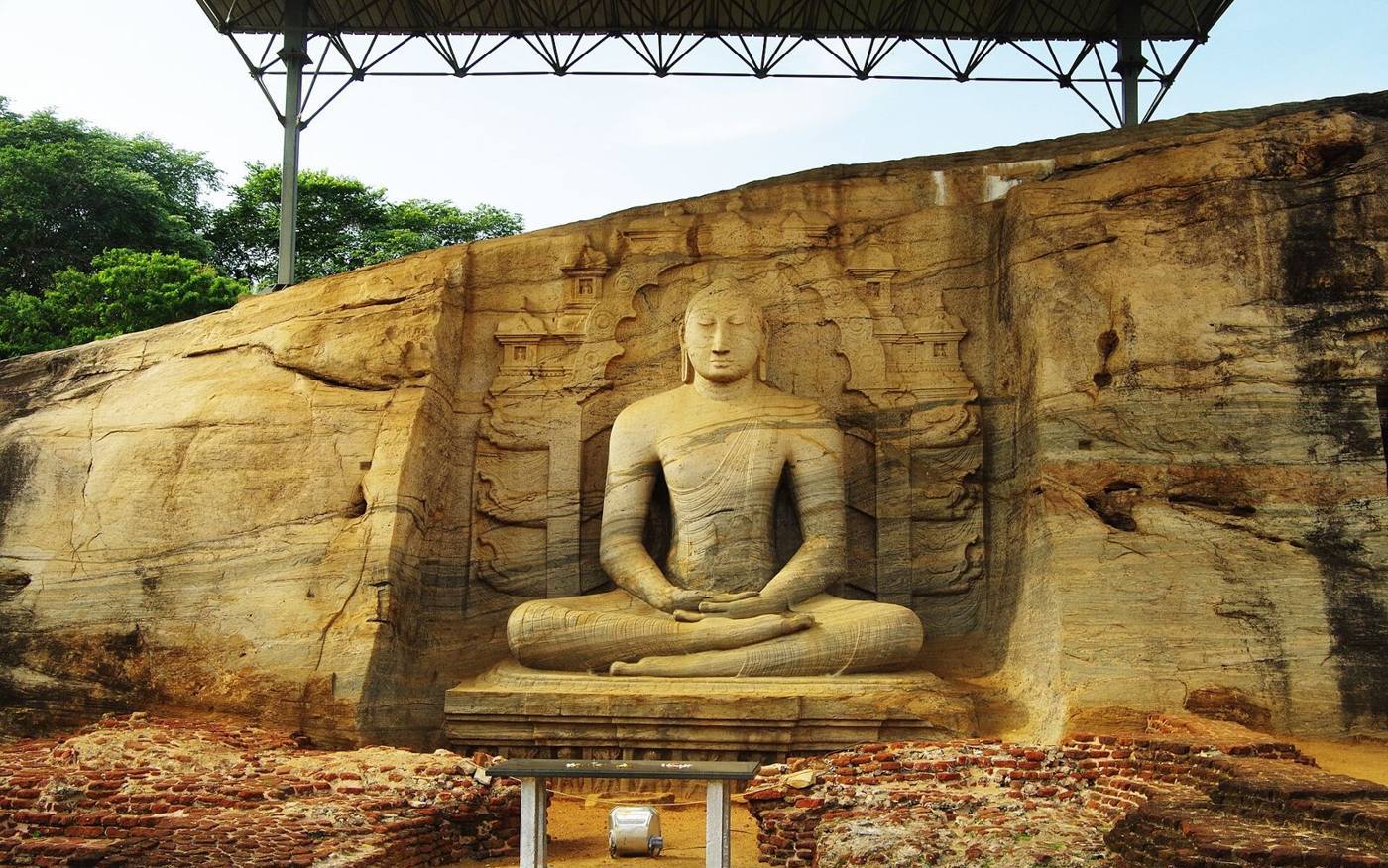
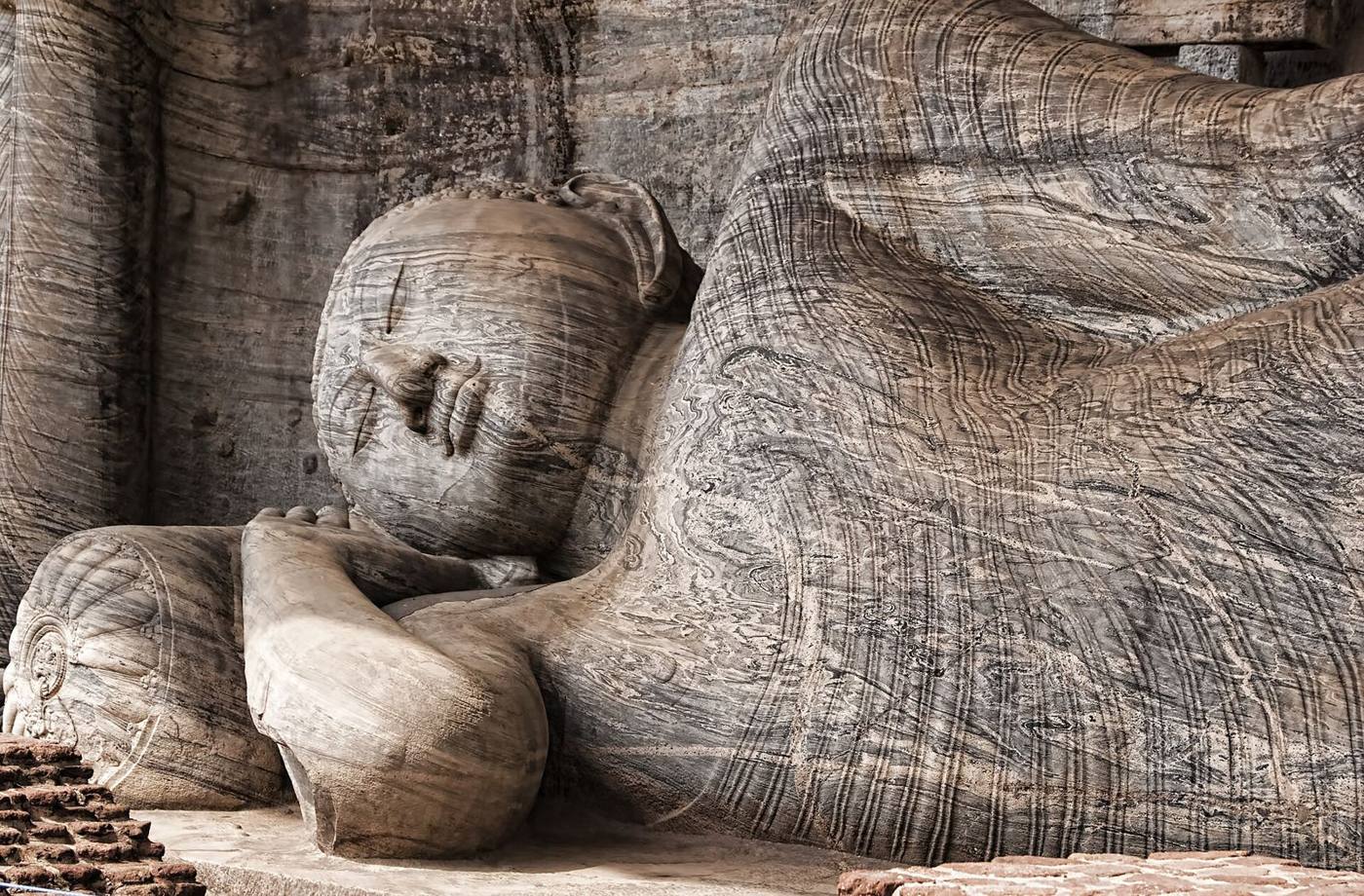
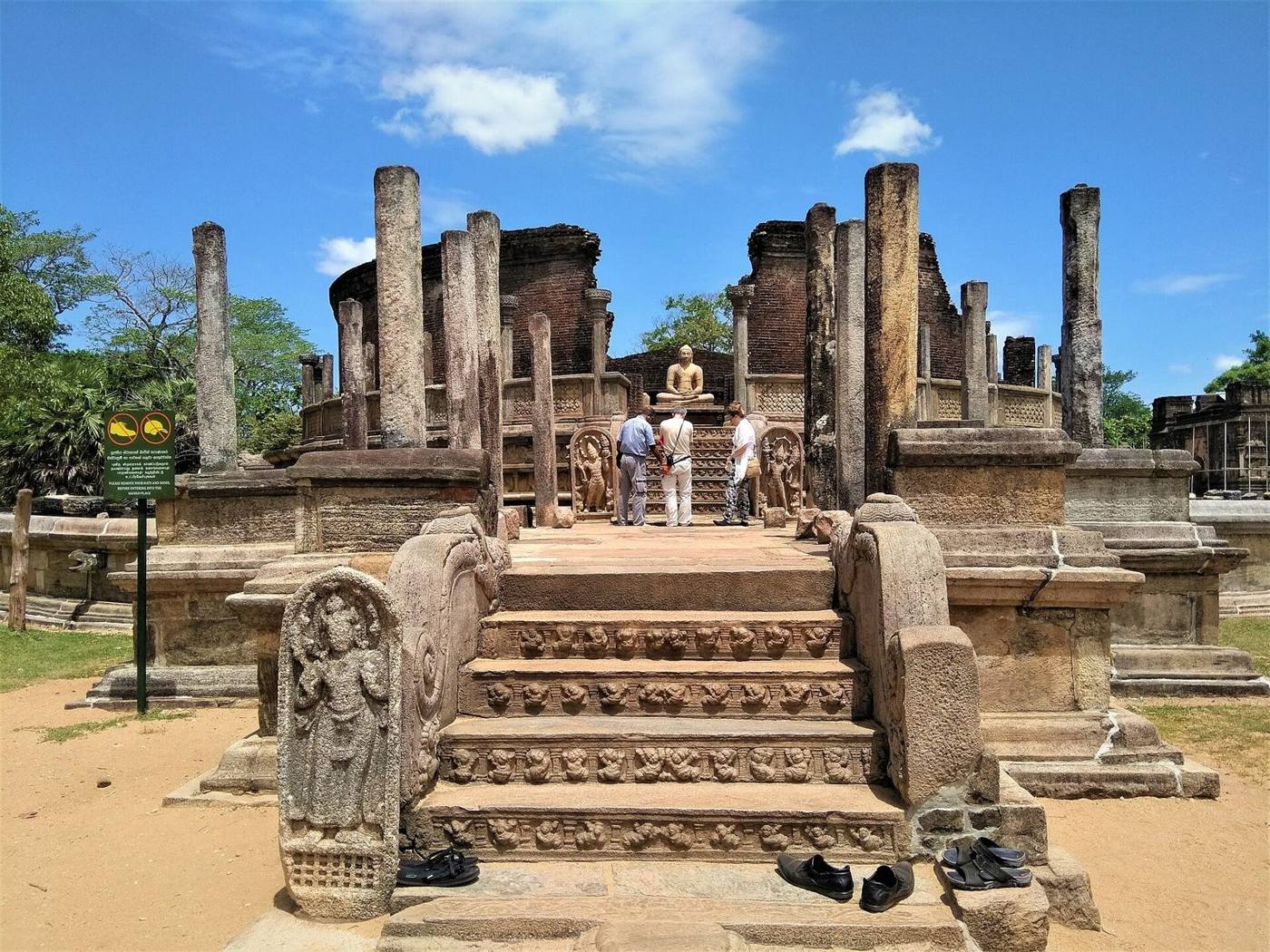
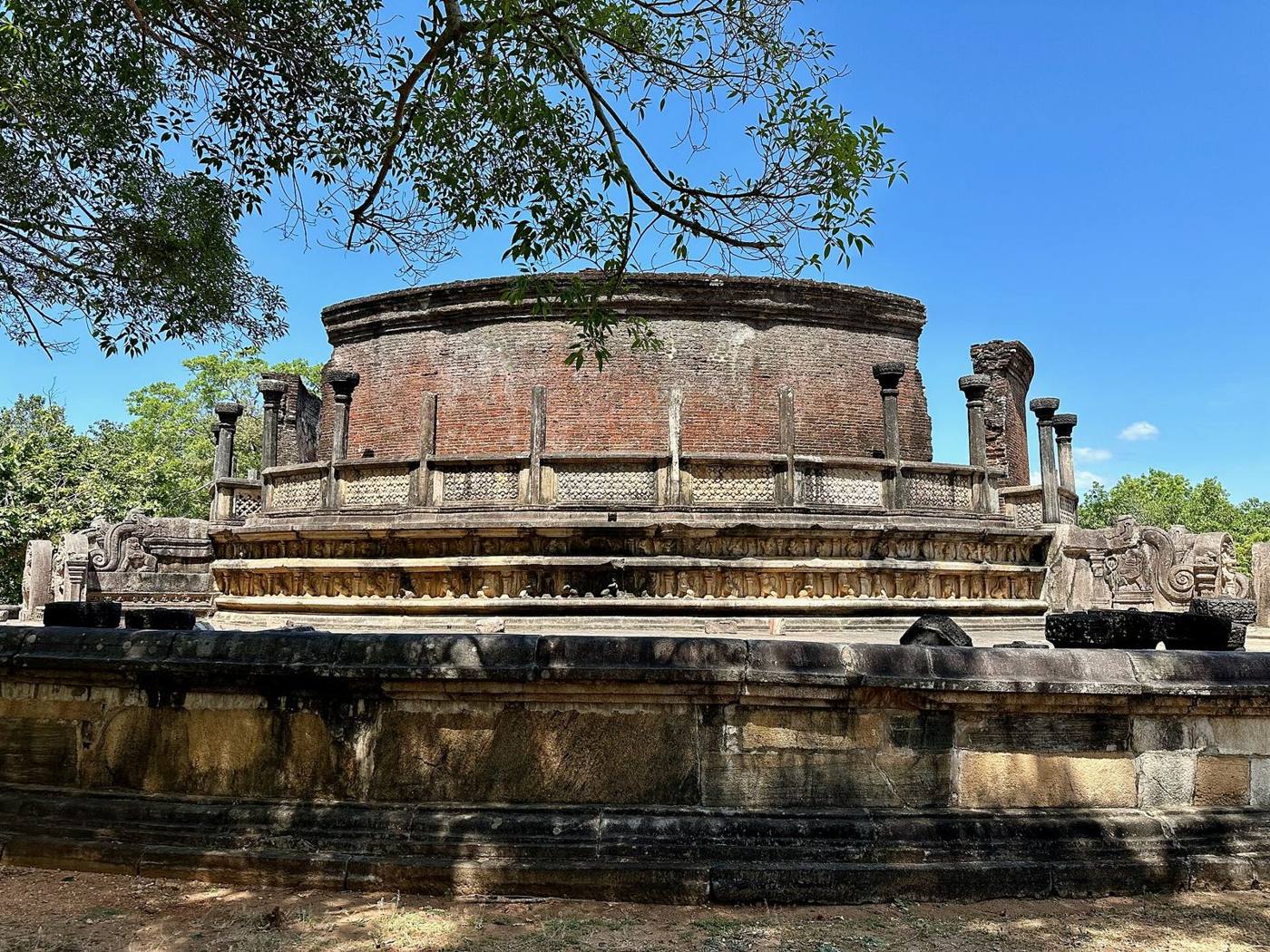
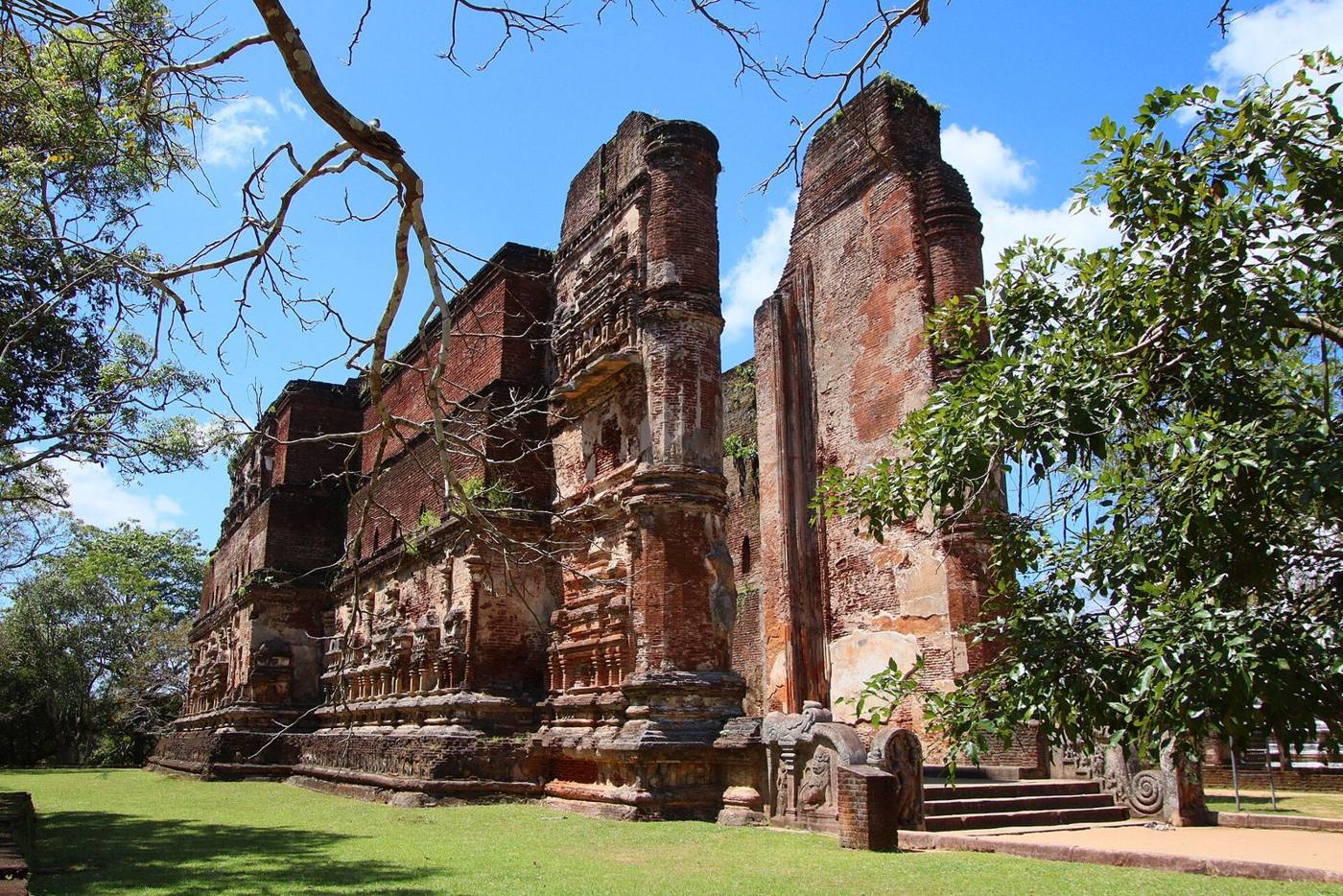
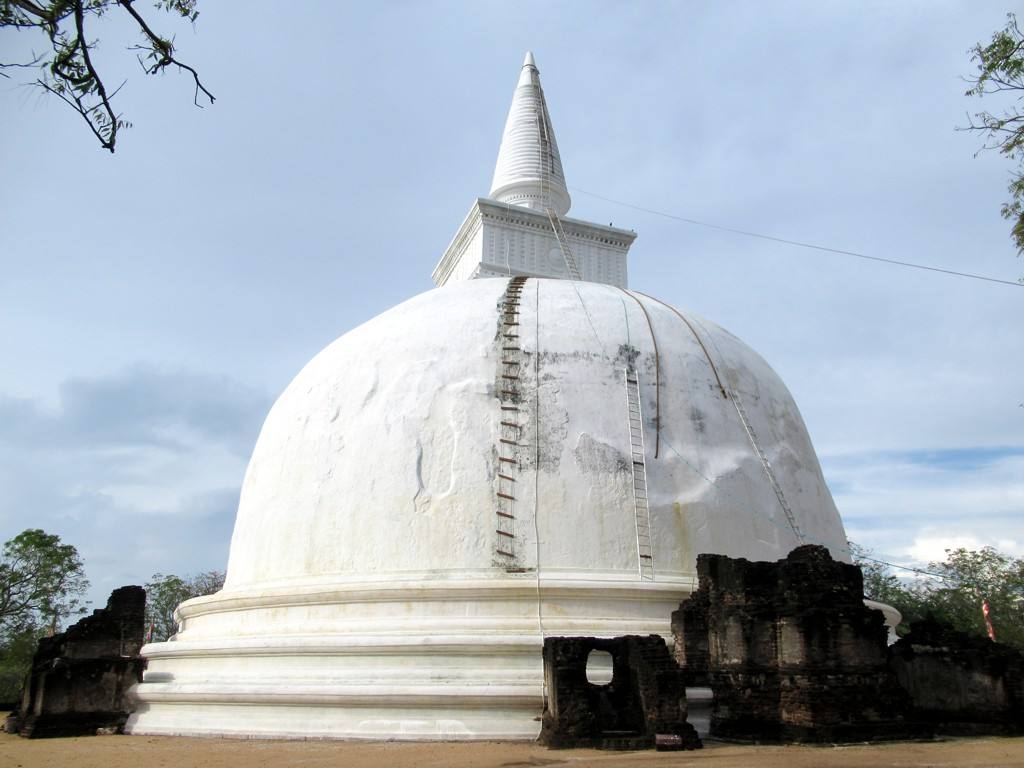
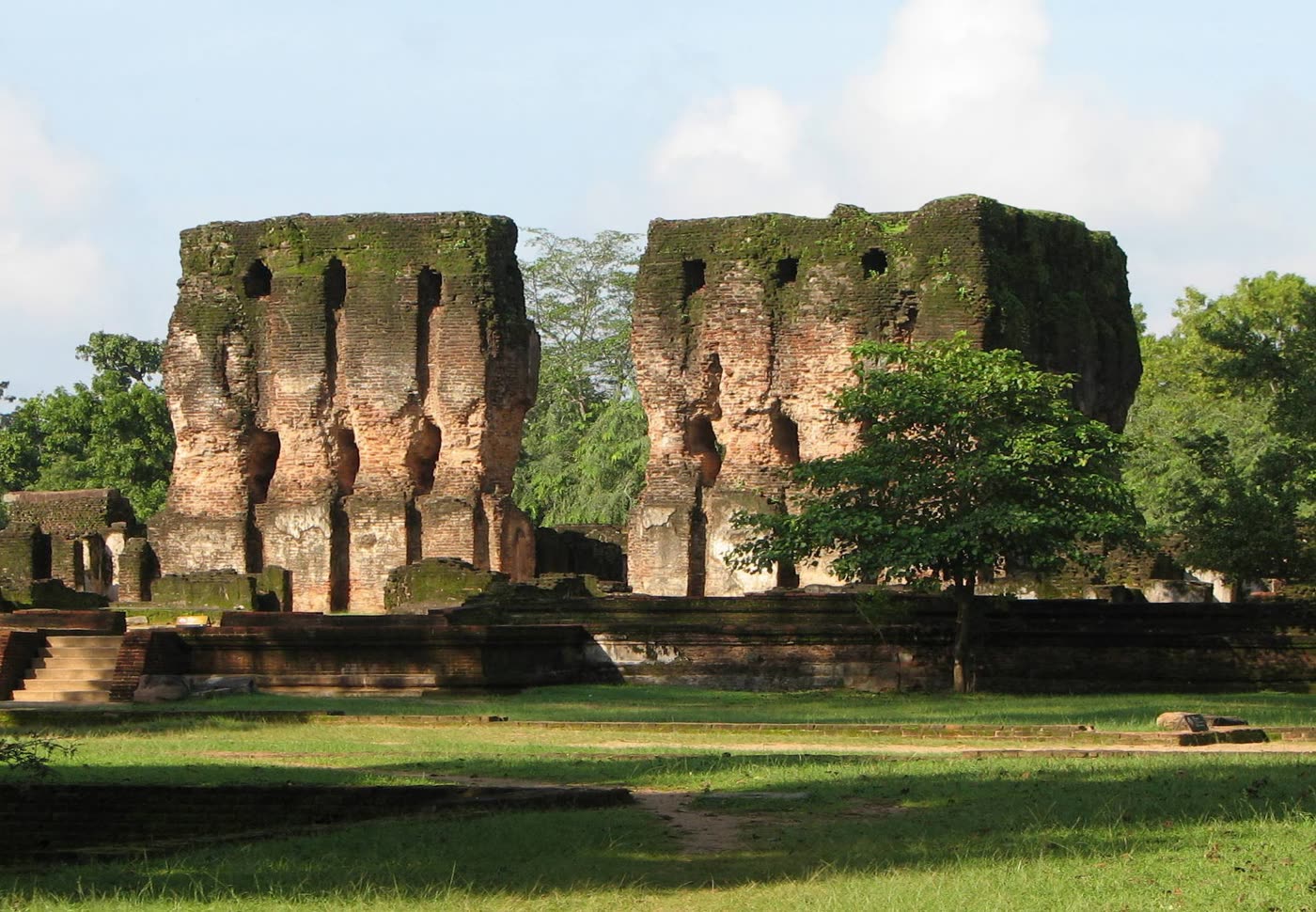
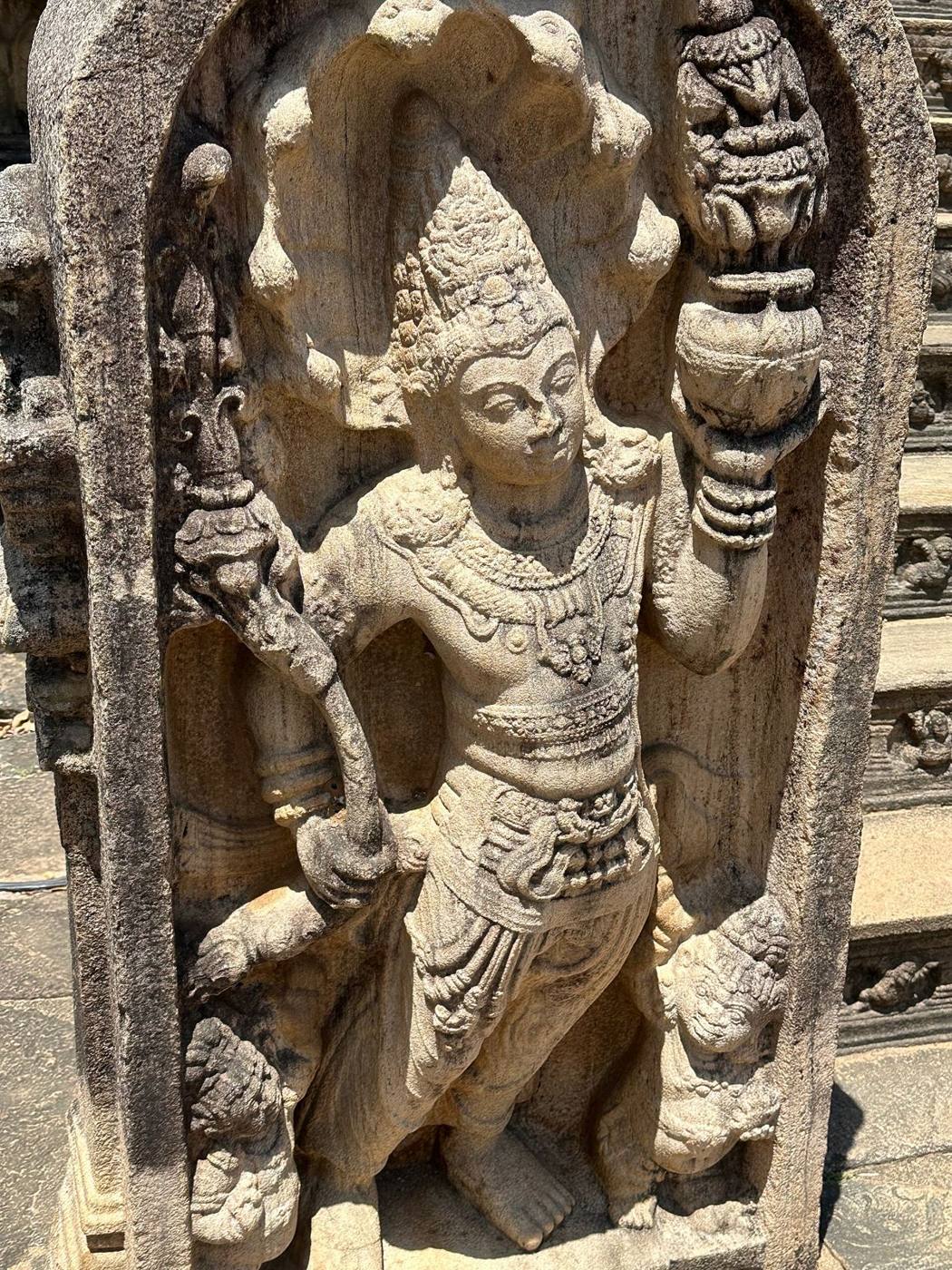
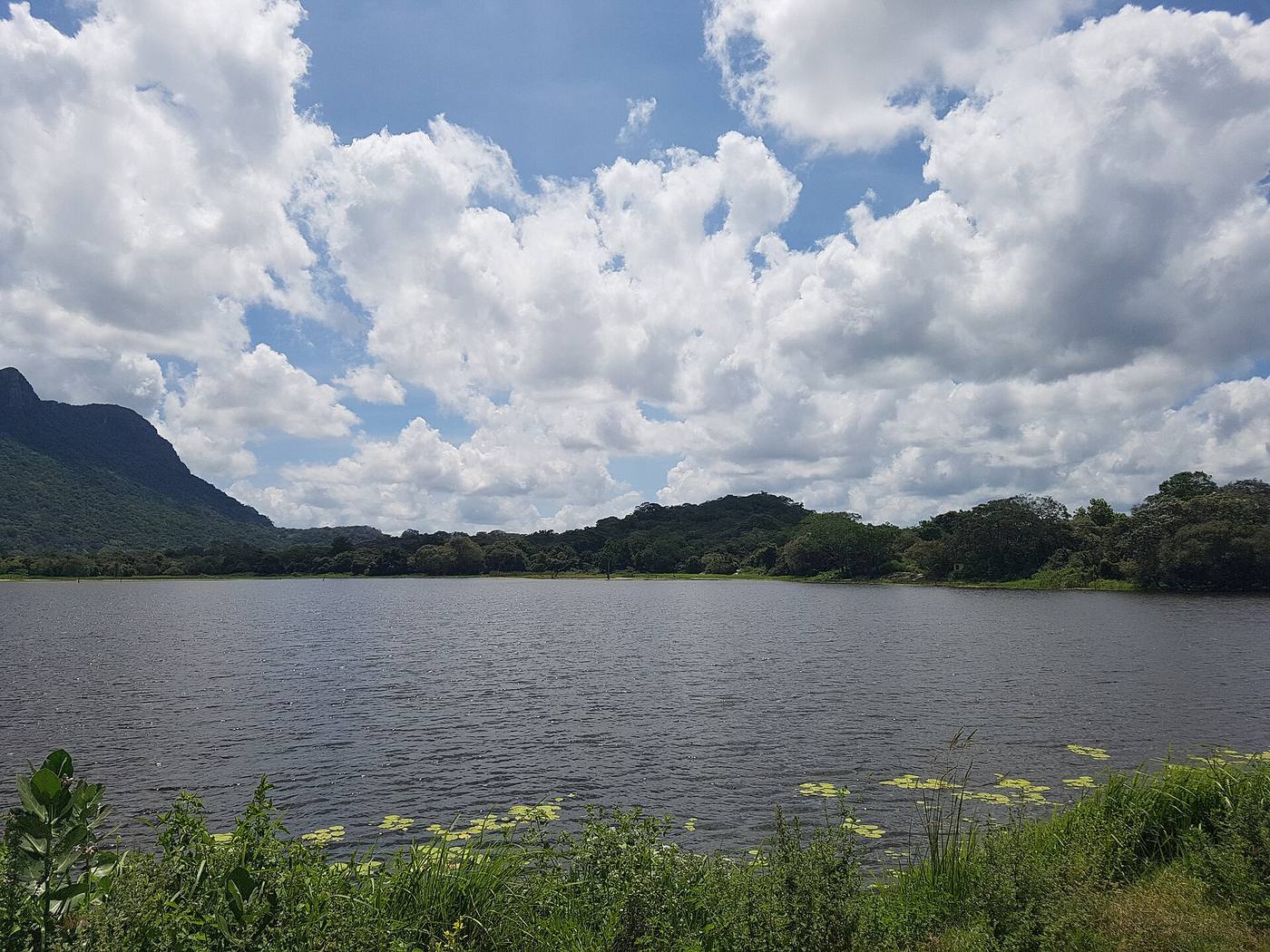
Start at the Royal Palace, once said to rise seven storeys, then move on to the Quadrangle, a raised terrace packed with the finest buildings of the age, including the circular Vatadage with its guardstones and moonstones. Lankatilaka's towering brick walls frame a giant standing Buddha, while the domes of Rankoth Vehera and the white Kiri Vehera rise above the trees. The highlight is Gal Vihara, where four Buddha figures were carved from a single granite face, including a reclining Buddha some 14 metres long. The vast Parakrama Samudra reservoir, built by the king to water the plains, is at its most beautiful at sunset.

When Driest May to September. Start early, the stone gets hot by midday

Highlights

  • Gal Vihara, four Buddhas carved from one granite face
  • The Quadrangle and its circular Vatadage
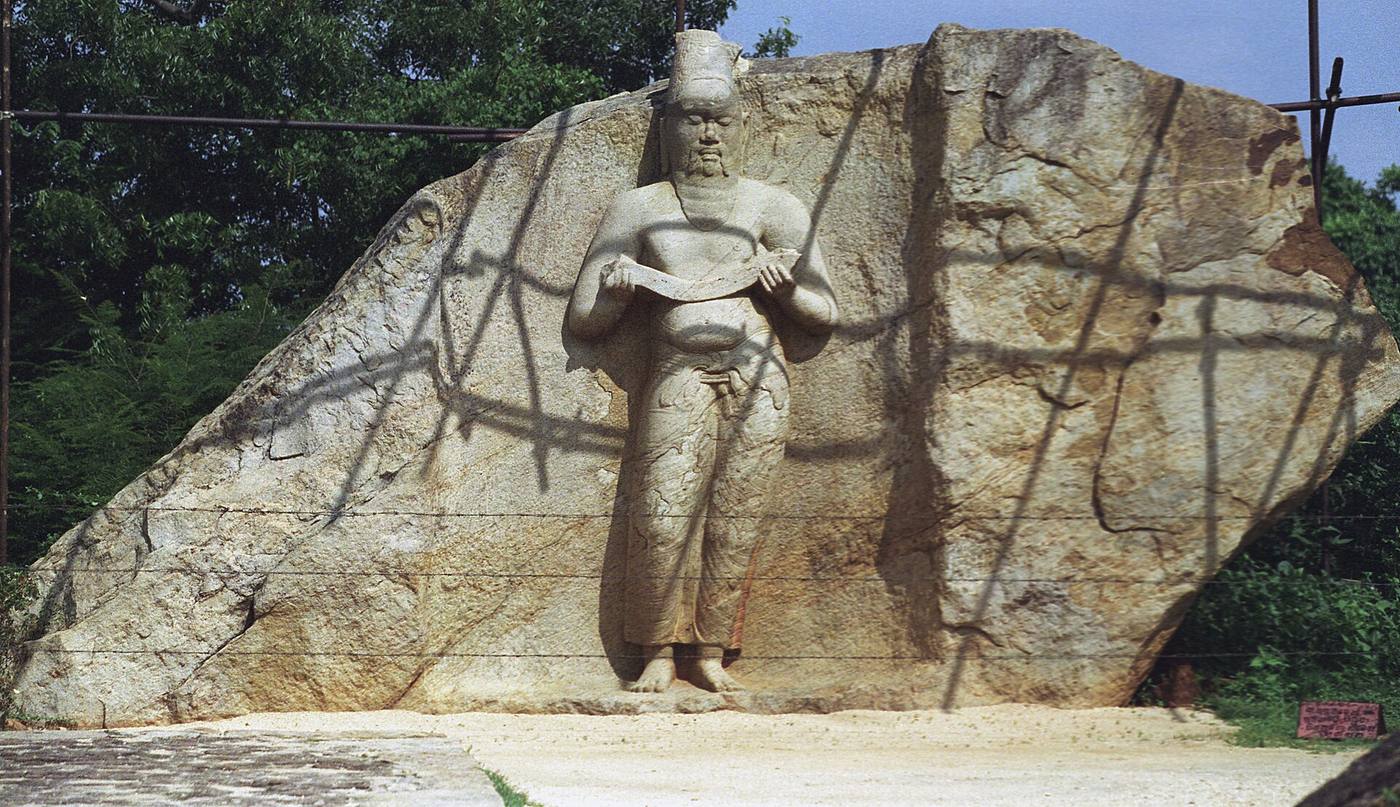
  • The Royal Palace and the statue of Parakramabahu I
  • Rankoth Vehera, Kiri Vehera and Lankatilaka
  • Sunset over Parakrama Samudra, and elephants at nearby Minneriya
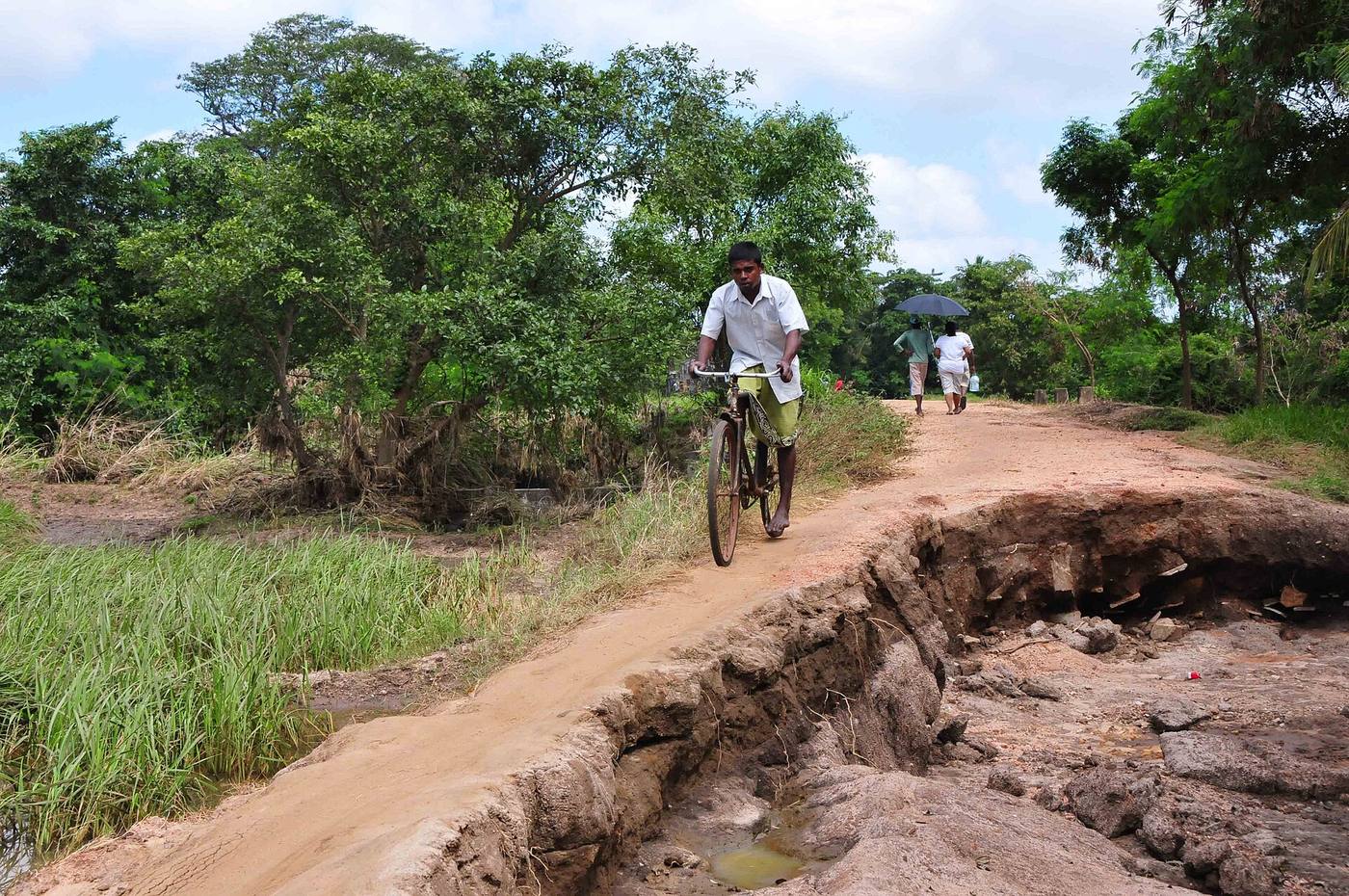
A seated Buddha carved into a granite face Close view of the head of the reclining Buddha carved in rock Steps and guardstones leading into the circular Vatadage The round brick terrace of the Polonnaruwa Vatadage The tall brick walls of Lankatilaka The white dome of Kiri Vehera A tall figure carved in relief on a granite boulder Brick ruins of the royal palace at Polonnaruwa A guardstone carved with a naga king The wide reservoir of Parakrama Samudra under big clouds A cyclist on a dirt track through green scrub

Kandy

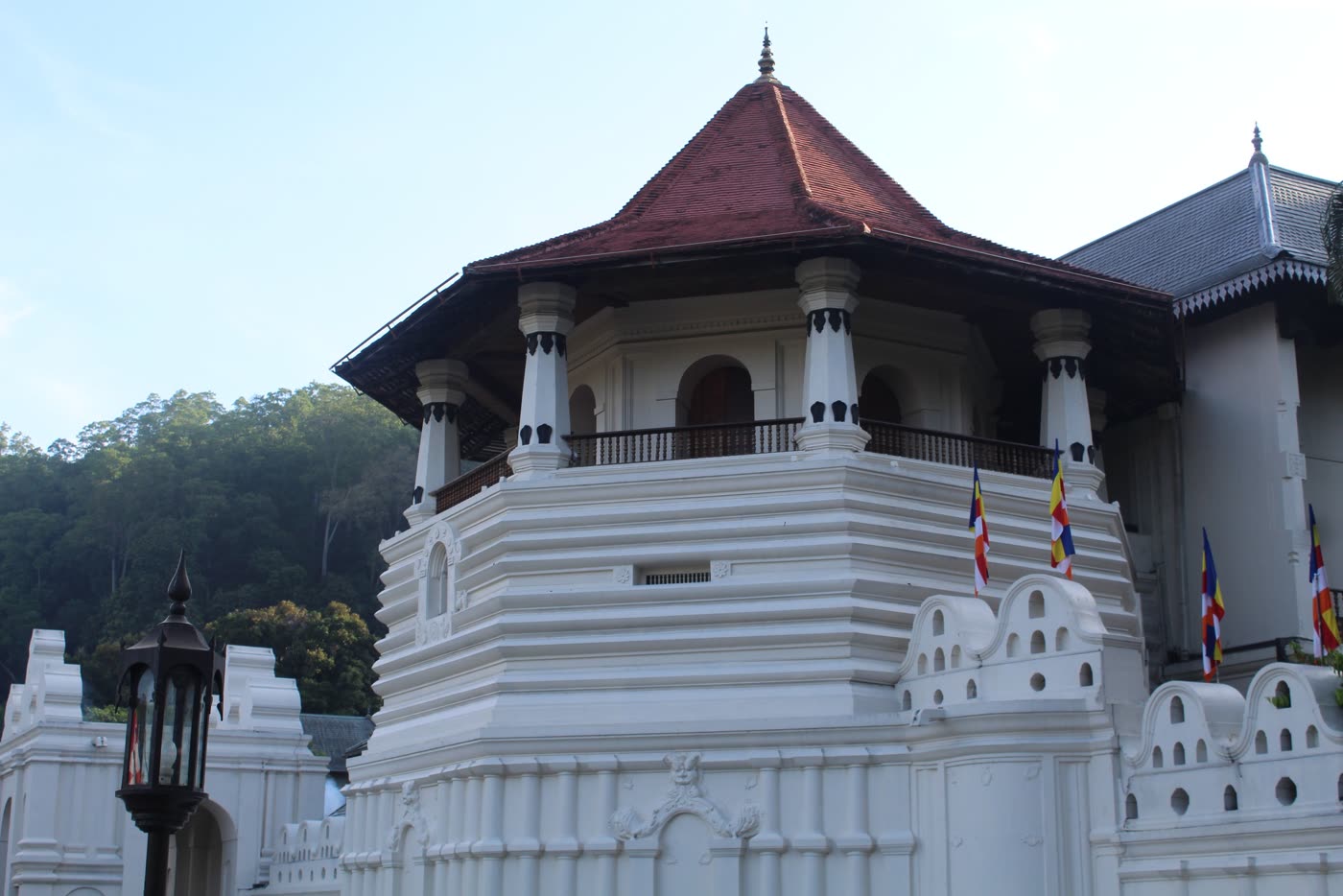
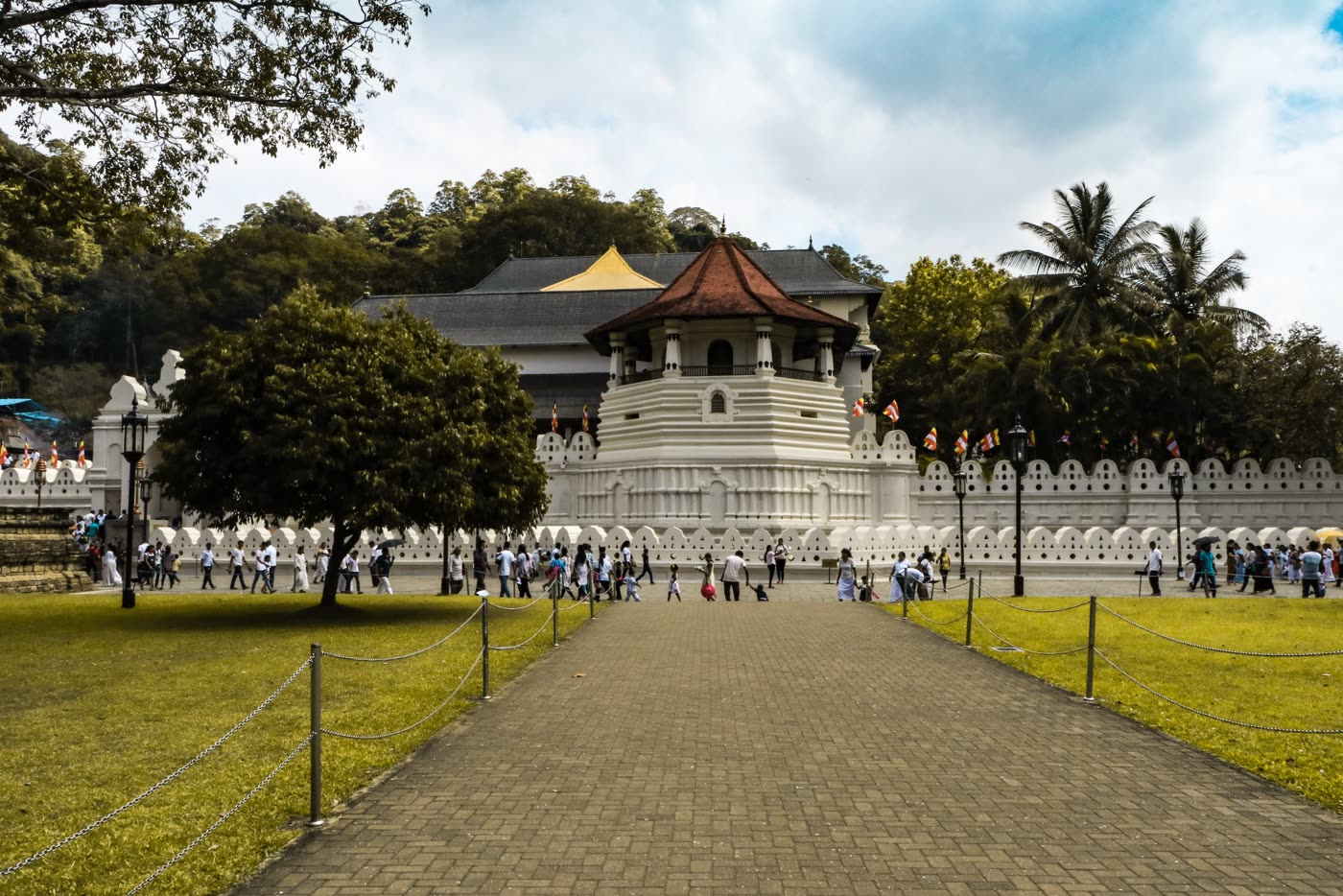
The Temple of the Tooth in Kandy with its white moat wall

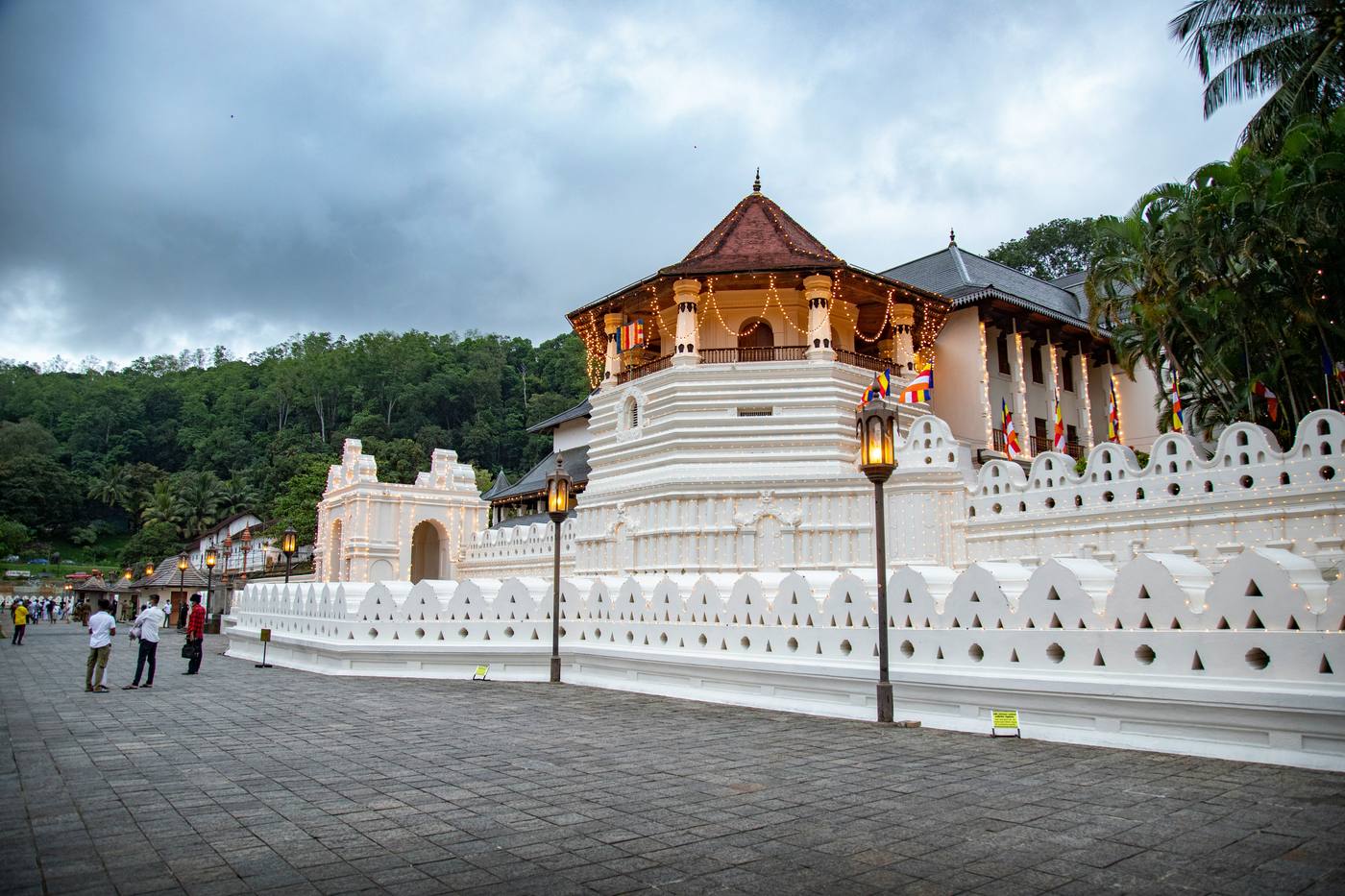
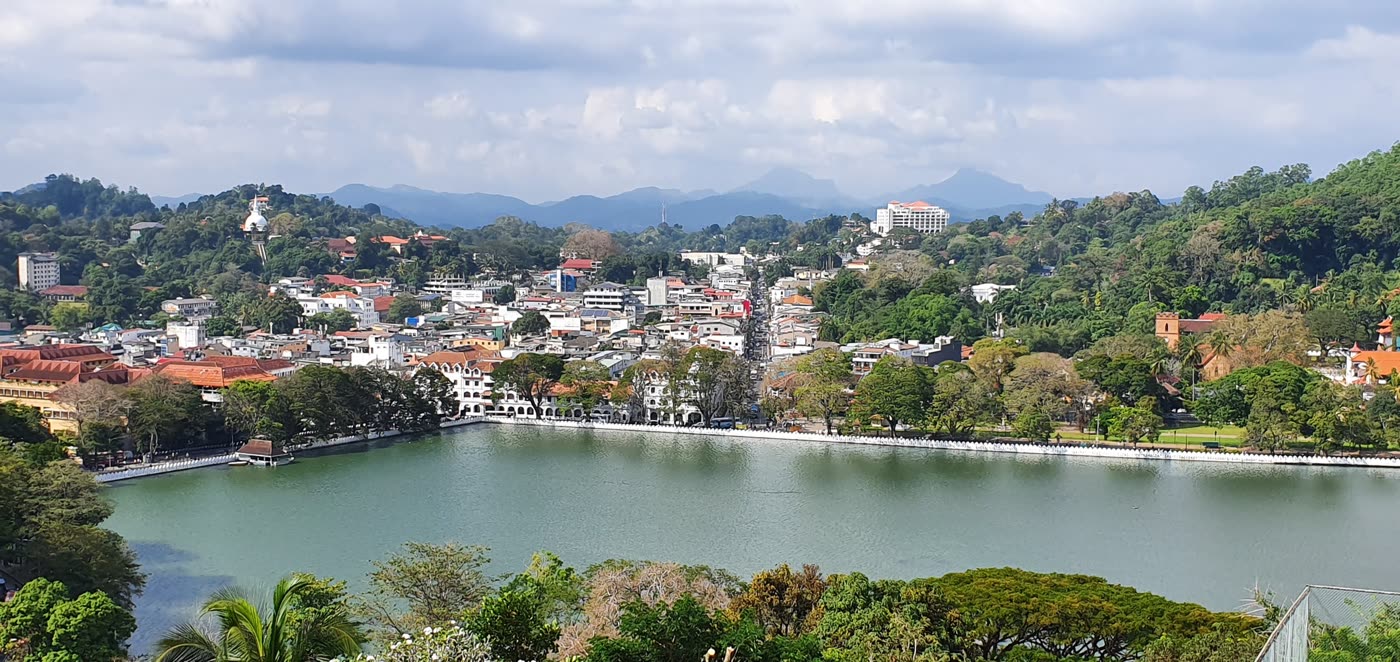
Kandy was the last kingdom to fall to the Europeans, holding out in its ring of hills until 1815, and it still feels like the cultural capital. At its centre, beside a lake built by the last king, the Temple of the Sacred Tooth Relic holds a tooth of the Buddha and draws a steady stream of white-clad pilgrims to its daily rituals.

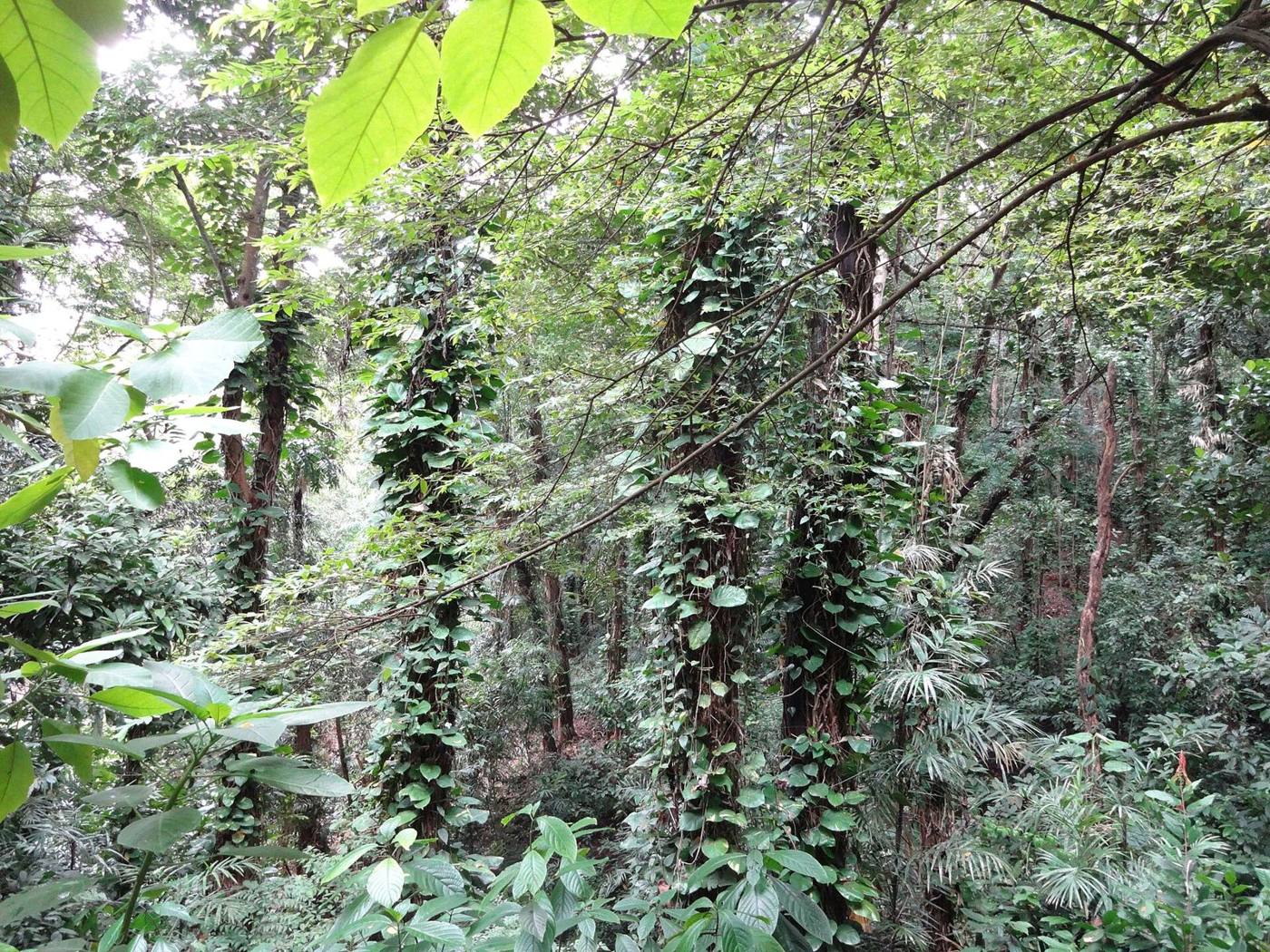
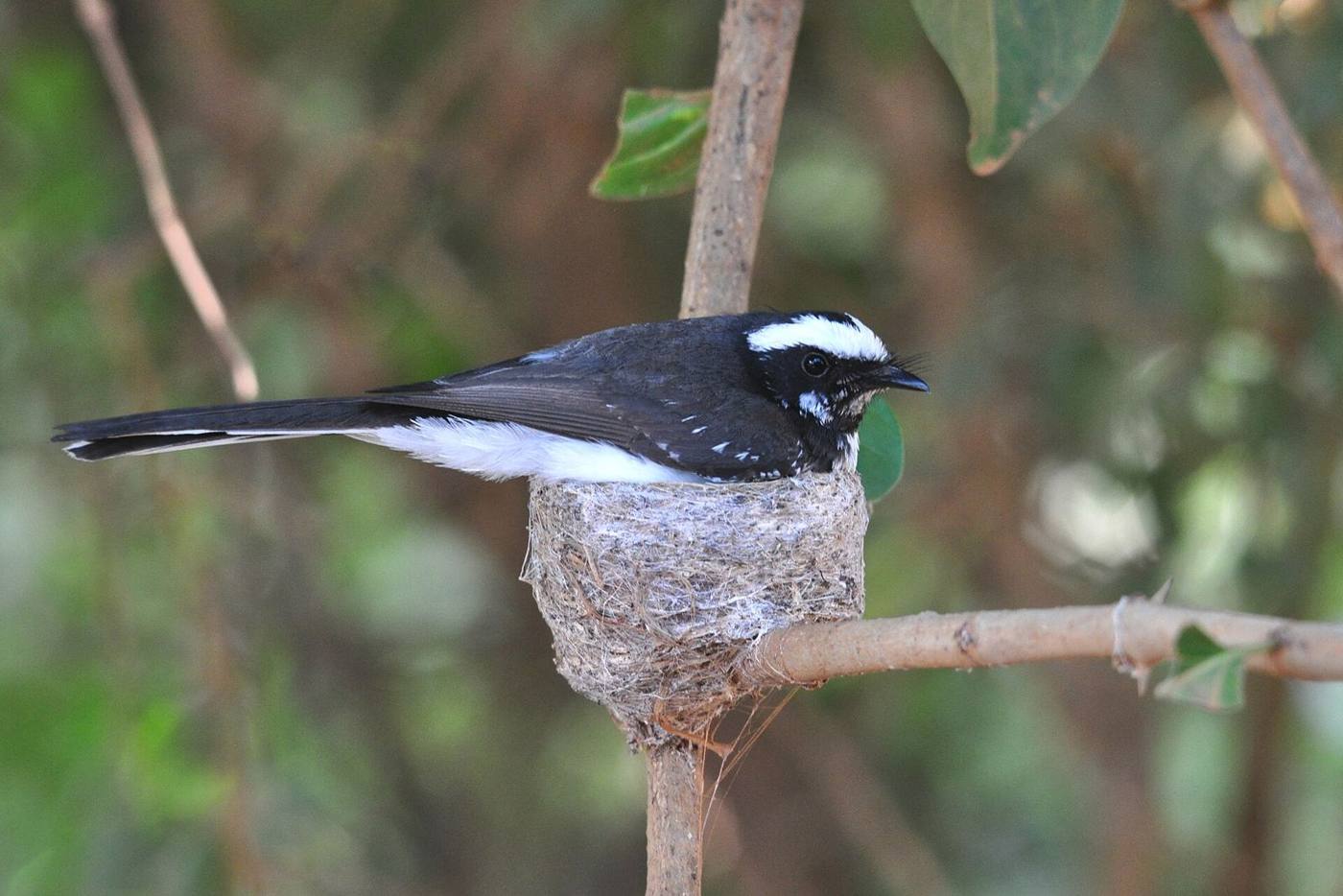
Give it more than a night. Walk the lake at dawn, spend a morning under the giant bamboo and orchid houses at Peradeniya, and catch a Kandyan drumming and dance performance. Right above the streets, Udawatte Kele Sanctuary is the old royal forest, with shaded trails, monkeys and some of the best birding in the hills.

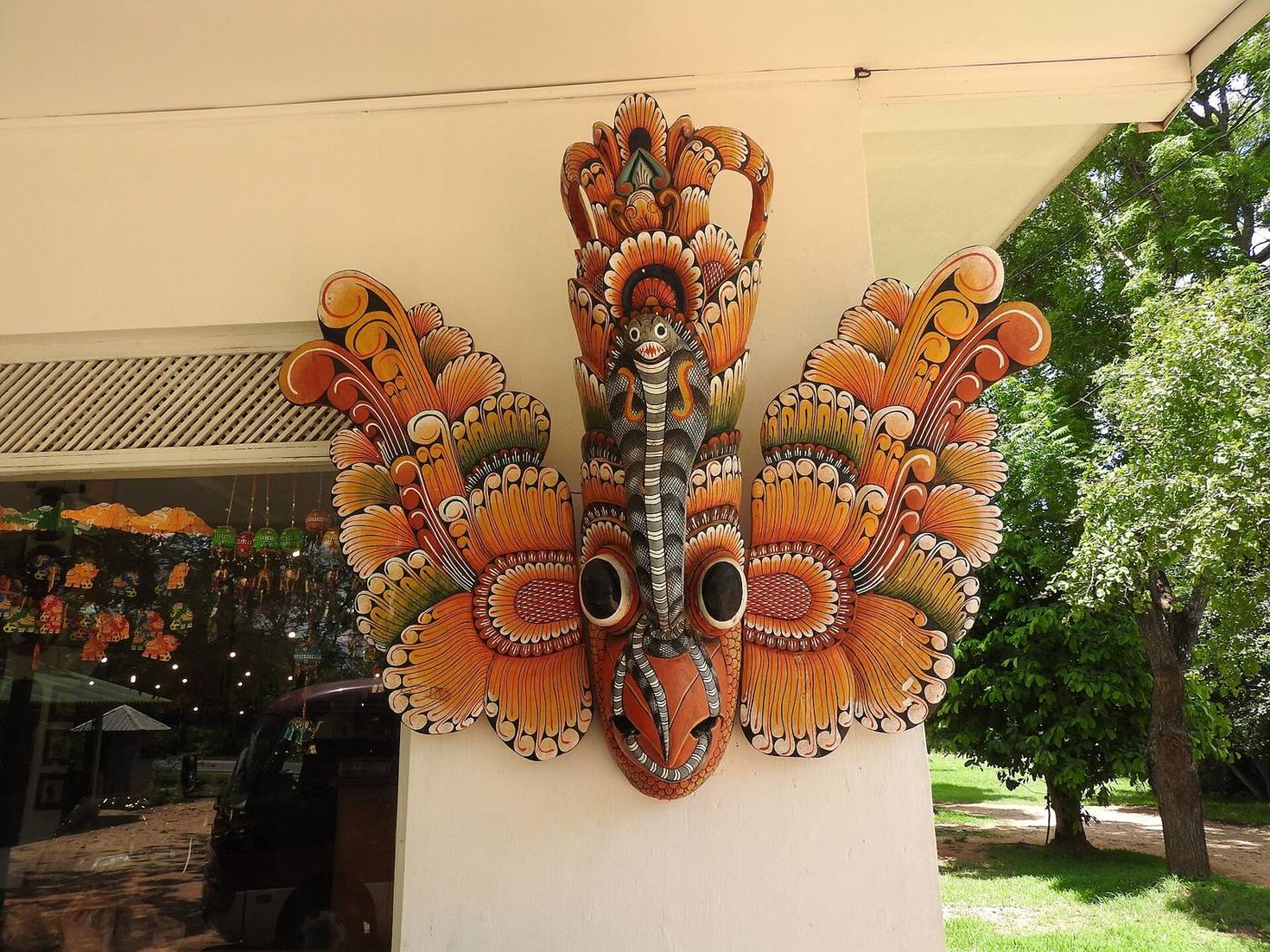
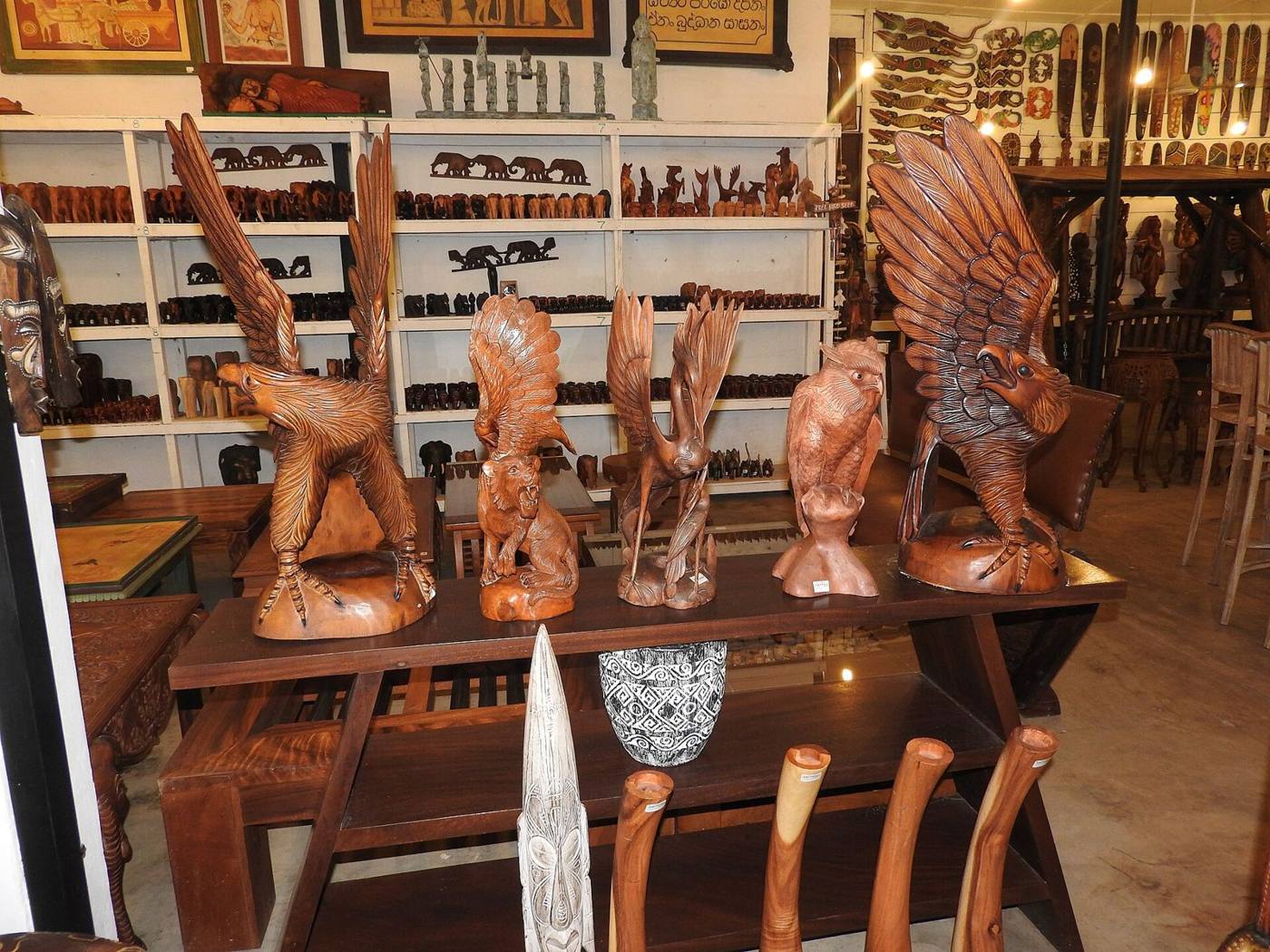
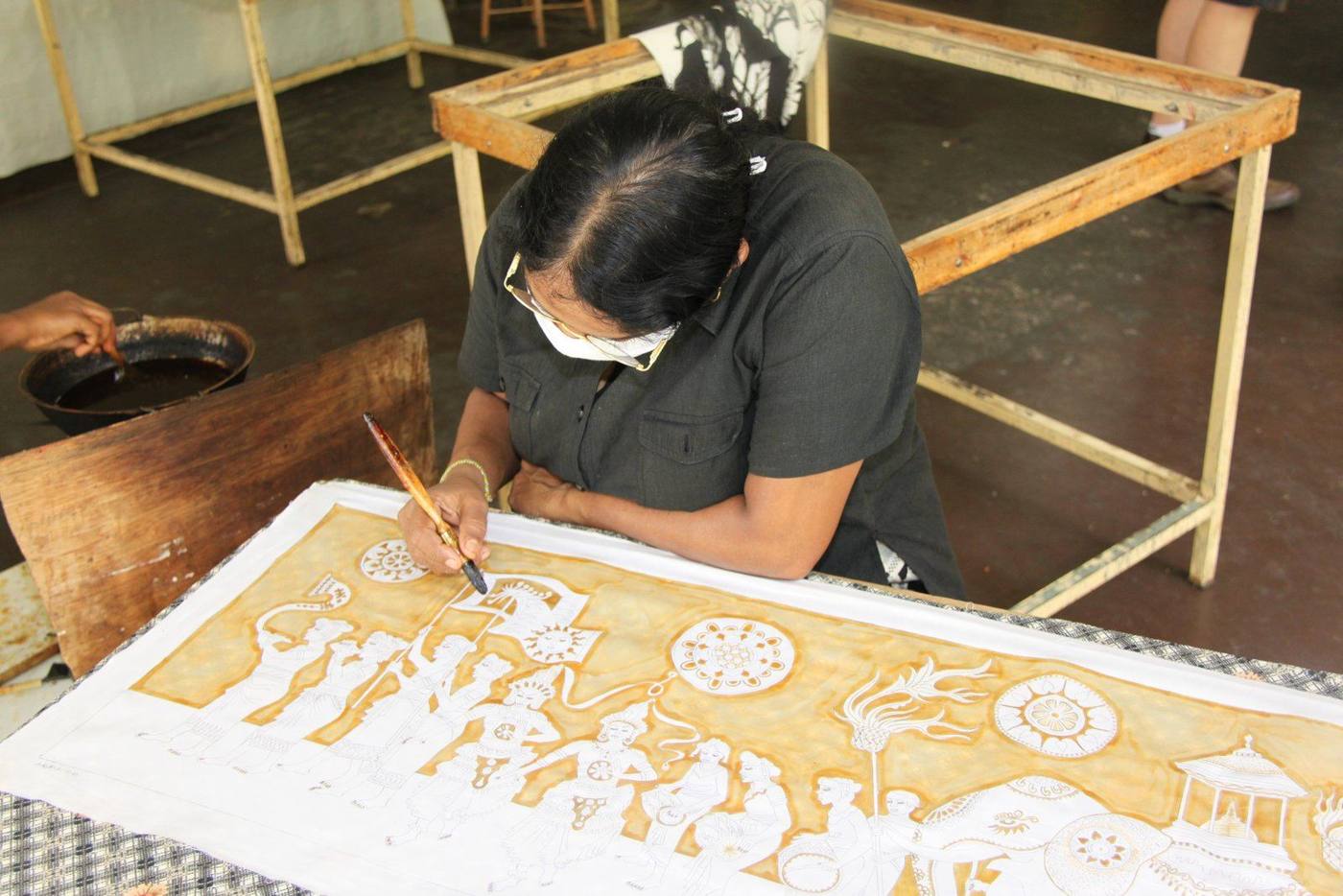
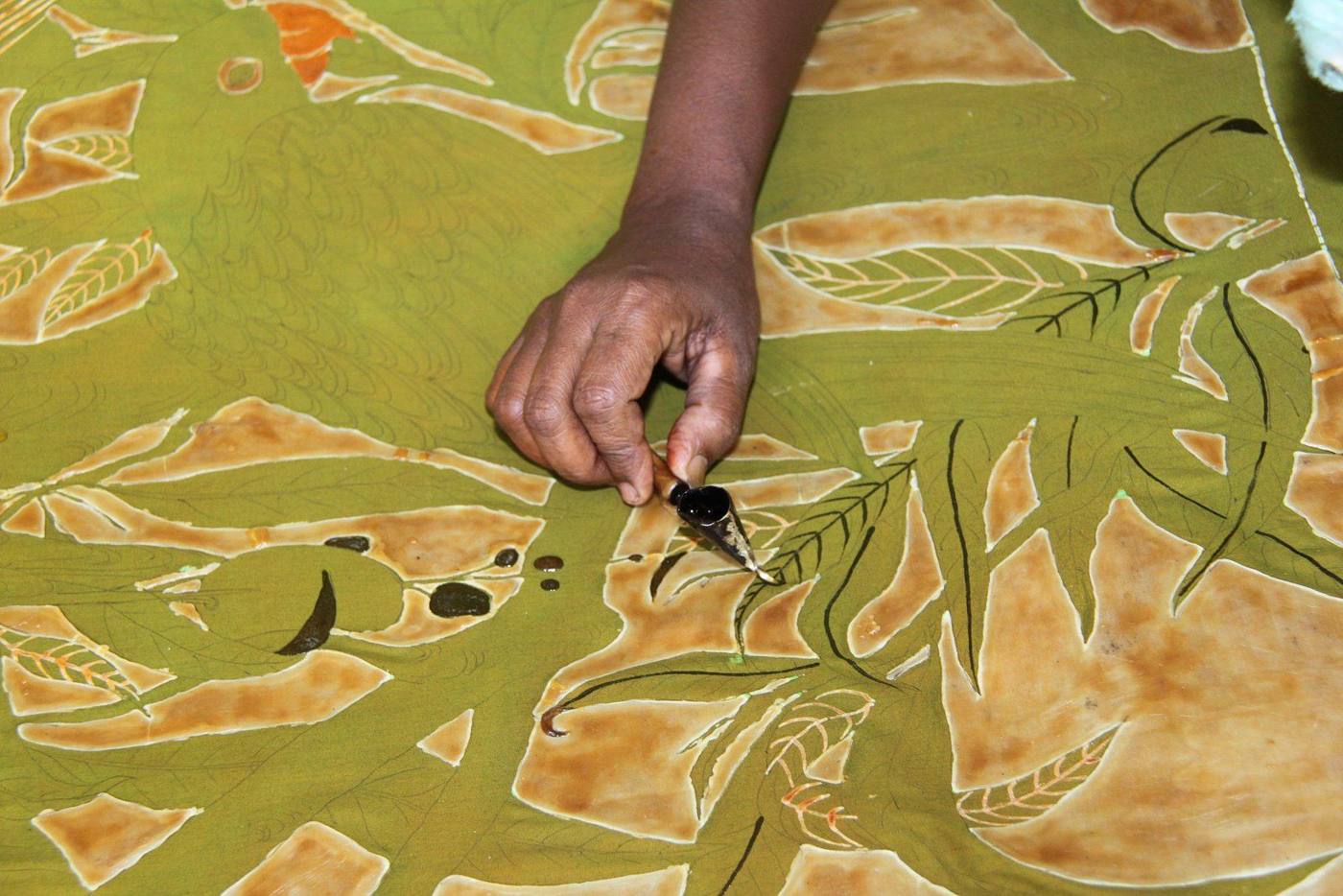
Kandy is also the home of the island's traditional crafts. Woodcarvers turn out masks and figures in workshops on the roads around town, and batik studios let you watch cloth being waxed, painted and dyed by hand.

When Comfortable most of the year. In August, see the Perahera below

Highlights

  • Temple of the Sacred Tooth Relic, best at the evening puja
  • The 3.5 km loop around Kandy Lake, quietest at dawn
  • Udawatte Kele Sanctuary, the royal forest above the town
  • Peradeniya Botanical Gardens, 60 hectares, around 4,000 species
  • Woodcarving and batik workshops, and an evening of Kandyan dance
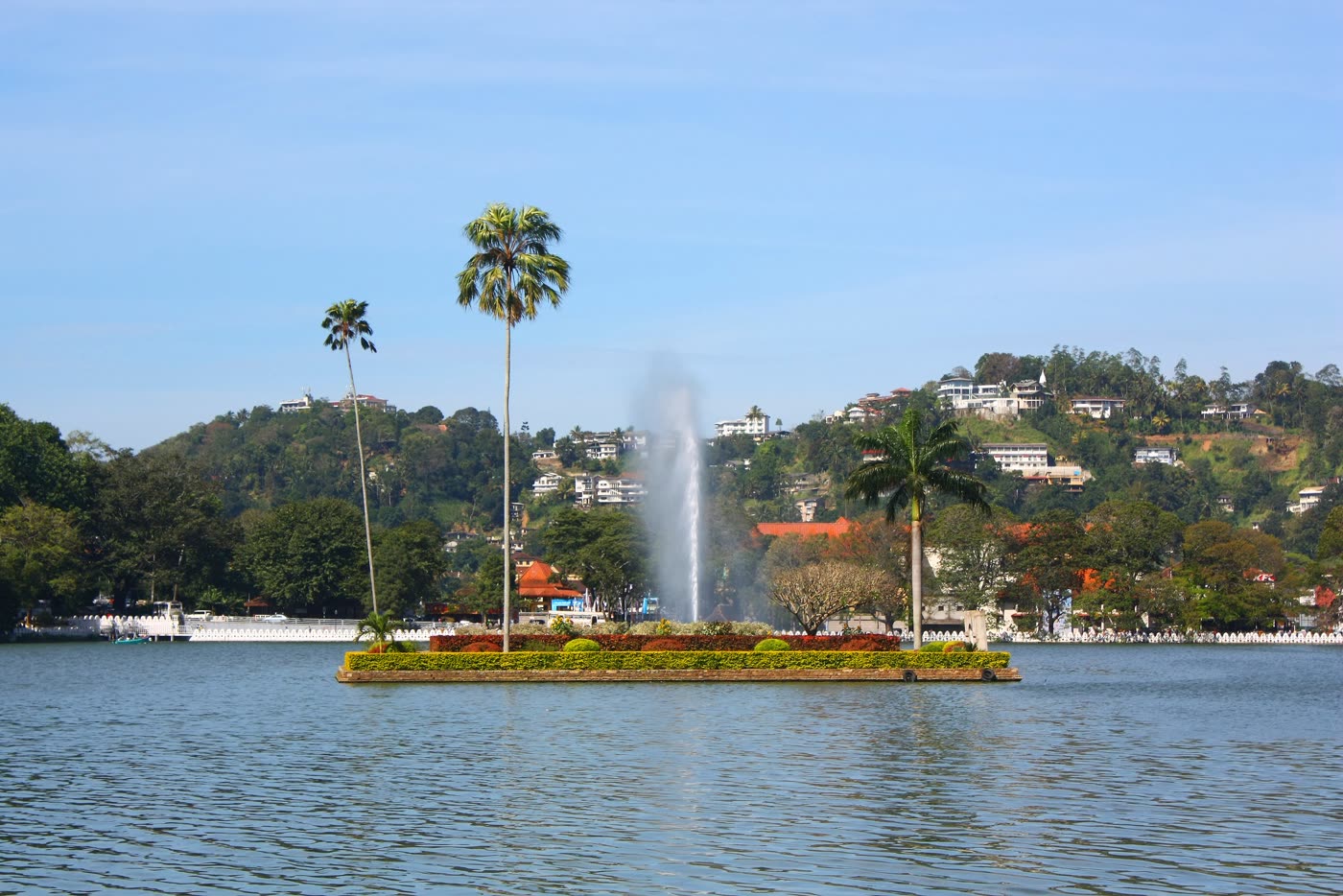
The octagonal tower of the Temple of the Tooth Kandy Lake and town from above Tall trees and vines inside the Udawatte Kele forest A small black and white bird on its nest A brightly painted wooden mask with flame-like crest Carved wooden birds and figures on a workshop table A woman painting wax onto a batik cloth A hand painting dye onto a green batik The approach to the Temple of the Tooth The small island and fountain on Kandy Lake

Nuwara Eliya, tea country & Adam's Peak

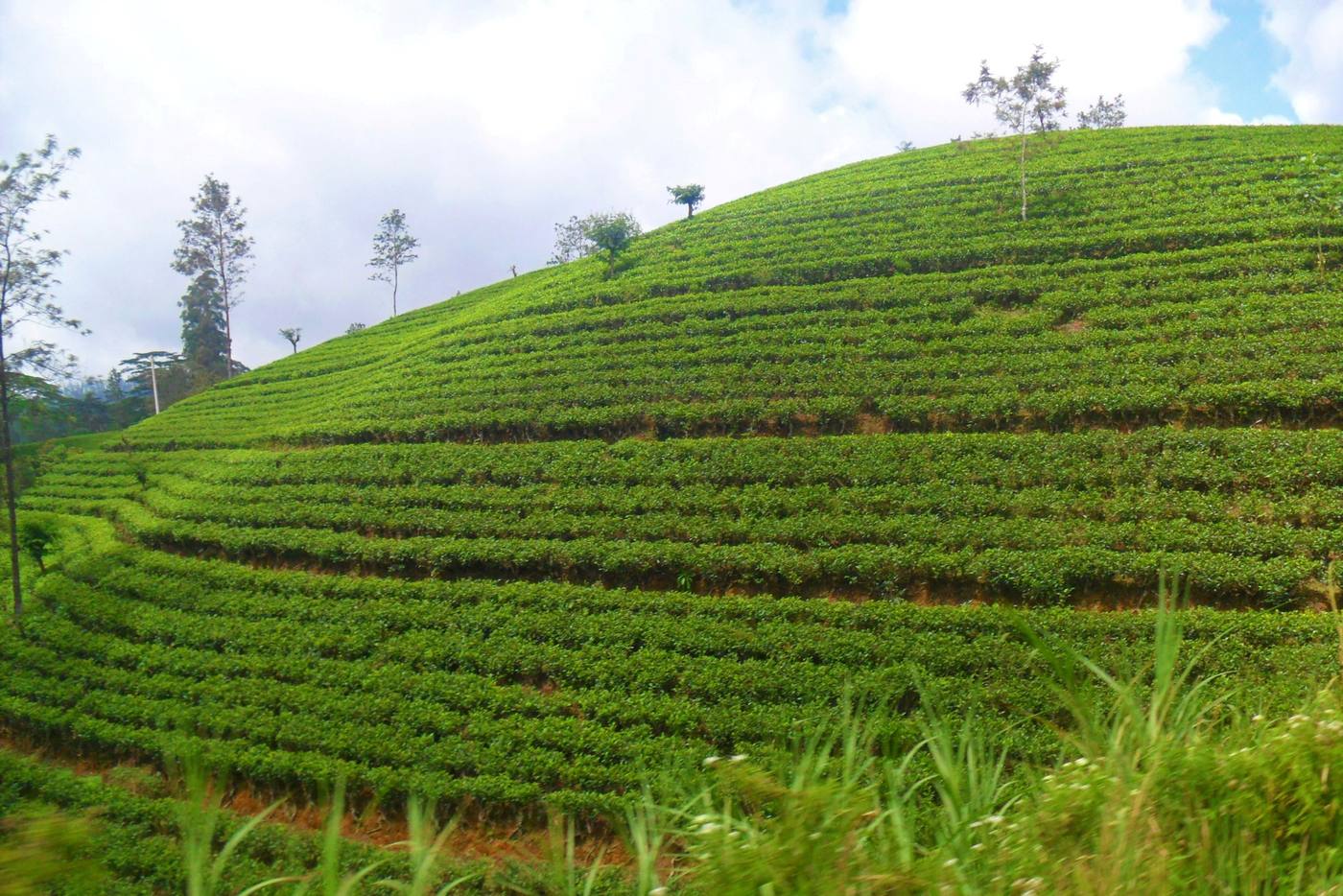
Rows of tea bushes covering a hillside near Nuwara Eliya

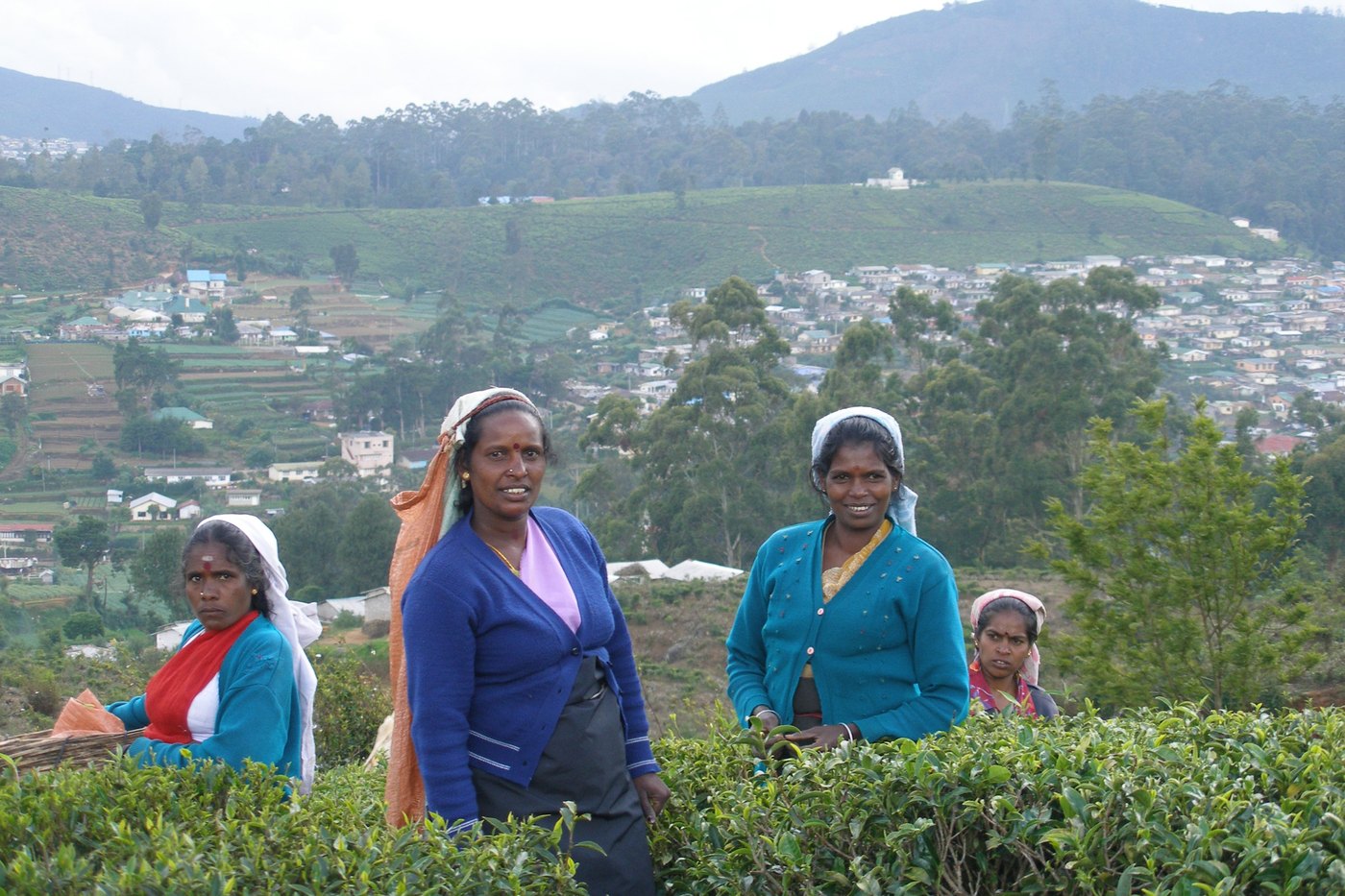
At around 1,900 metres, Nuwara Eliya is the highest town on the island and the heart of tea country. The British built it as a cool-weather retreat and it still has the feel of one: old colonial hotels, a racecourse, a golf course and Gregory Lake, all ringed by tea estates. Evenings are cool enough for a fire.

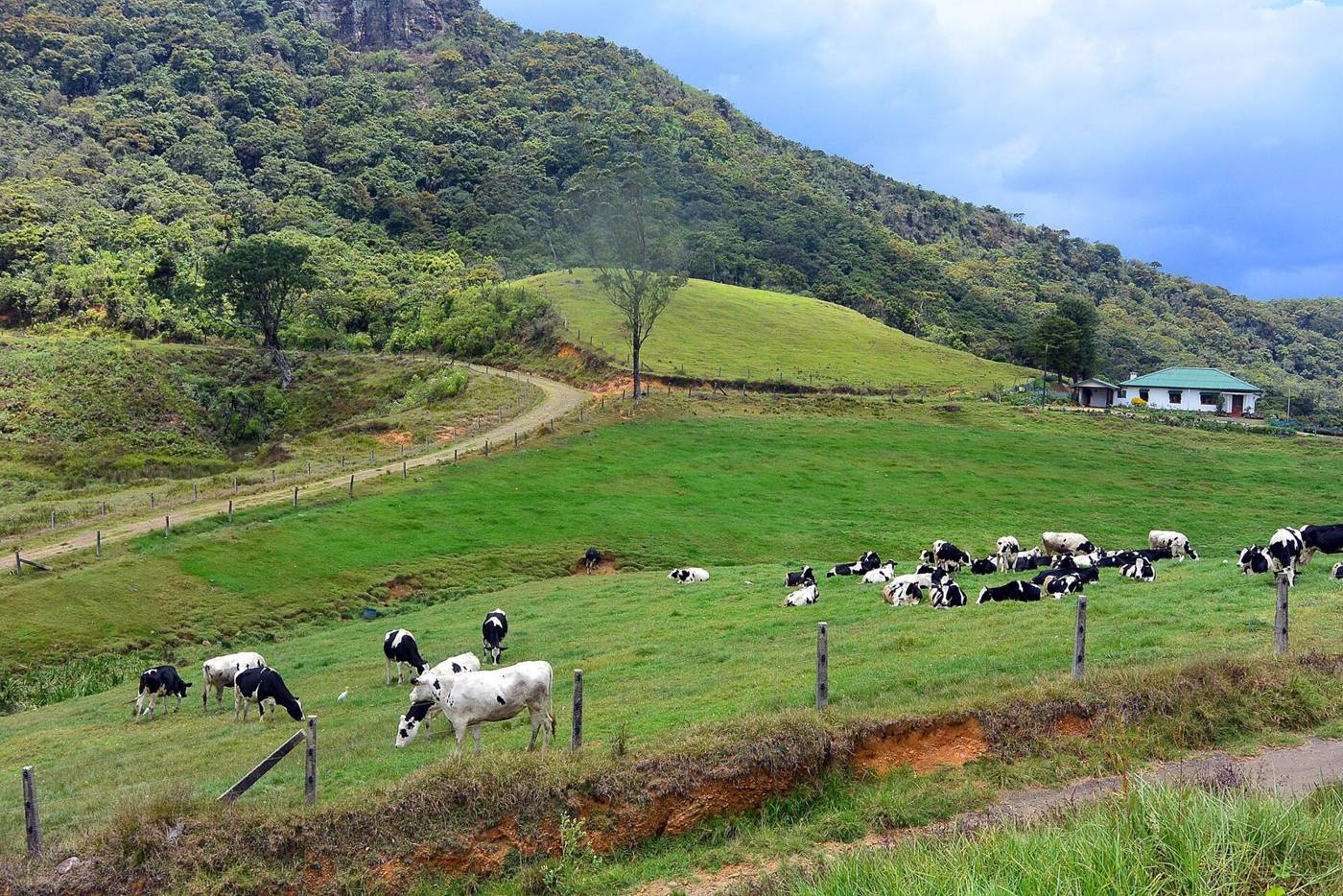
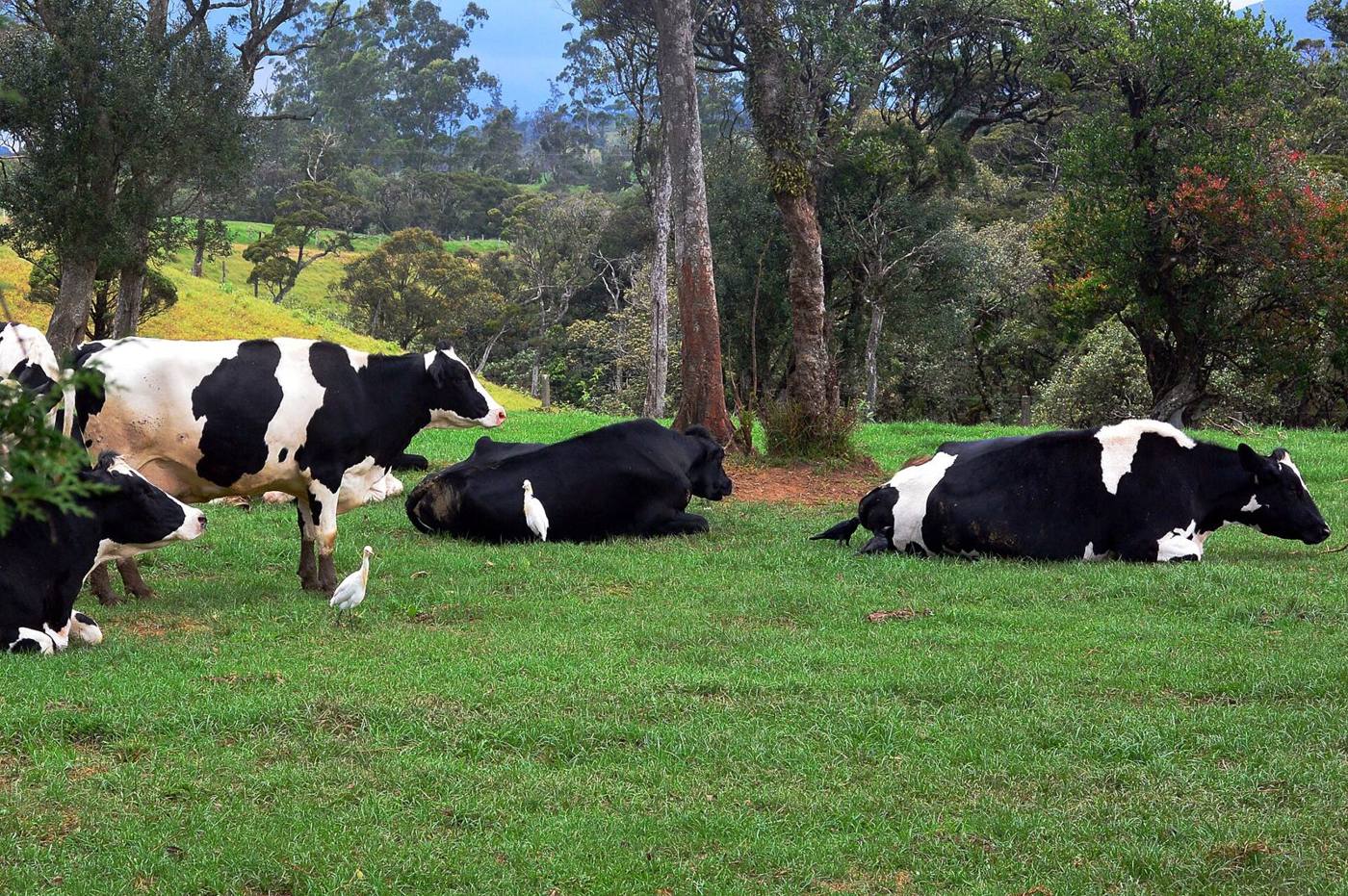
The days are for getting out. Hakgala Botanical Garden, about 10 km from town, climbs a hillside of roses, ferns and montane forest. Before dawn, drive up to Horton Plains for the walk to World's End, where the plateau drops away hundreds of metres to the lowlands. On the way back, stop at Ambewela Farm, rolling dairy pasture that looks more like New Zealand than South Asia.

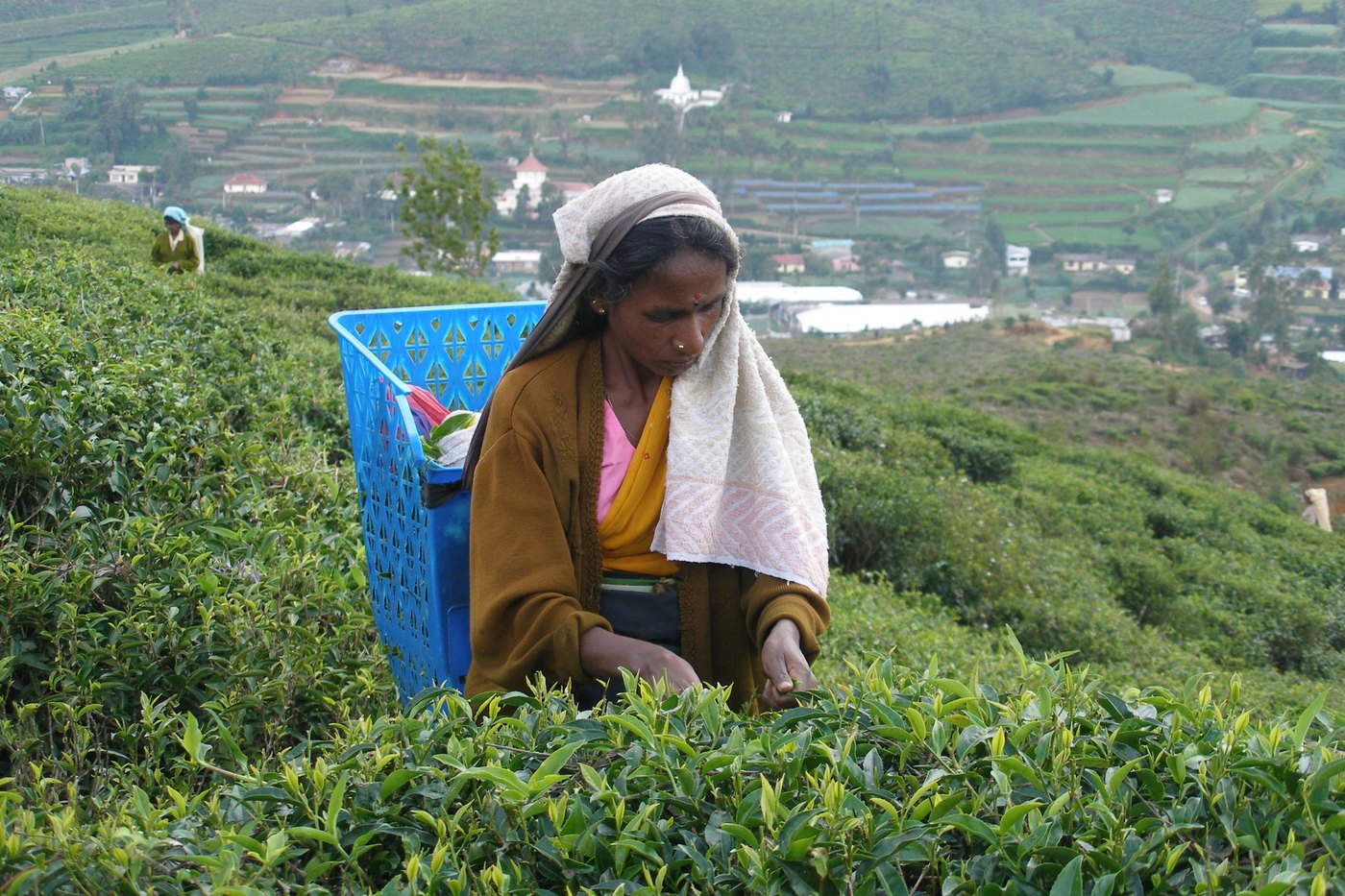
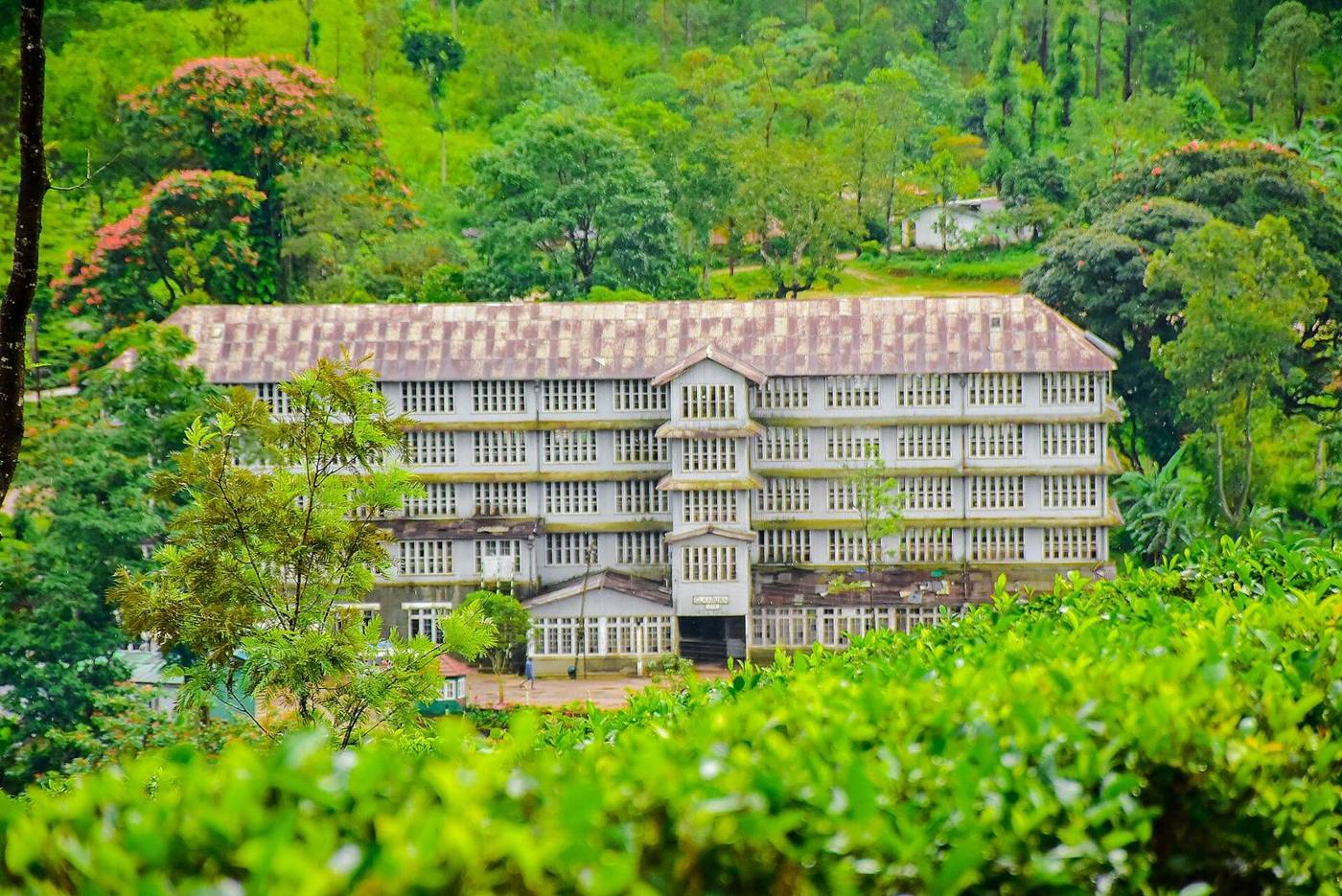
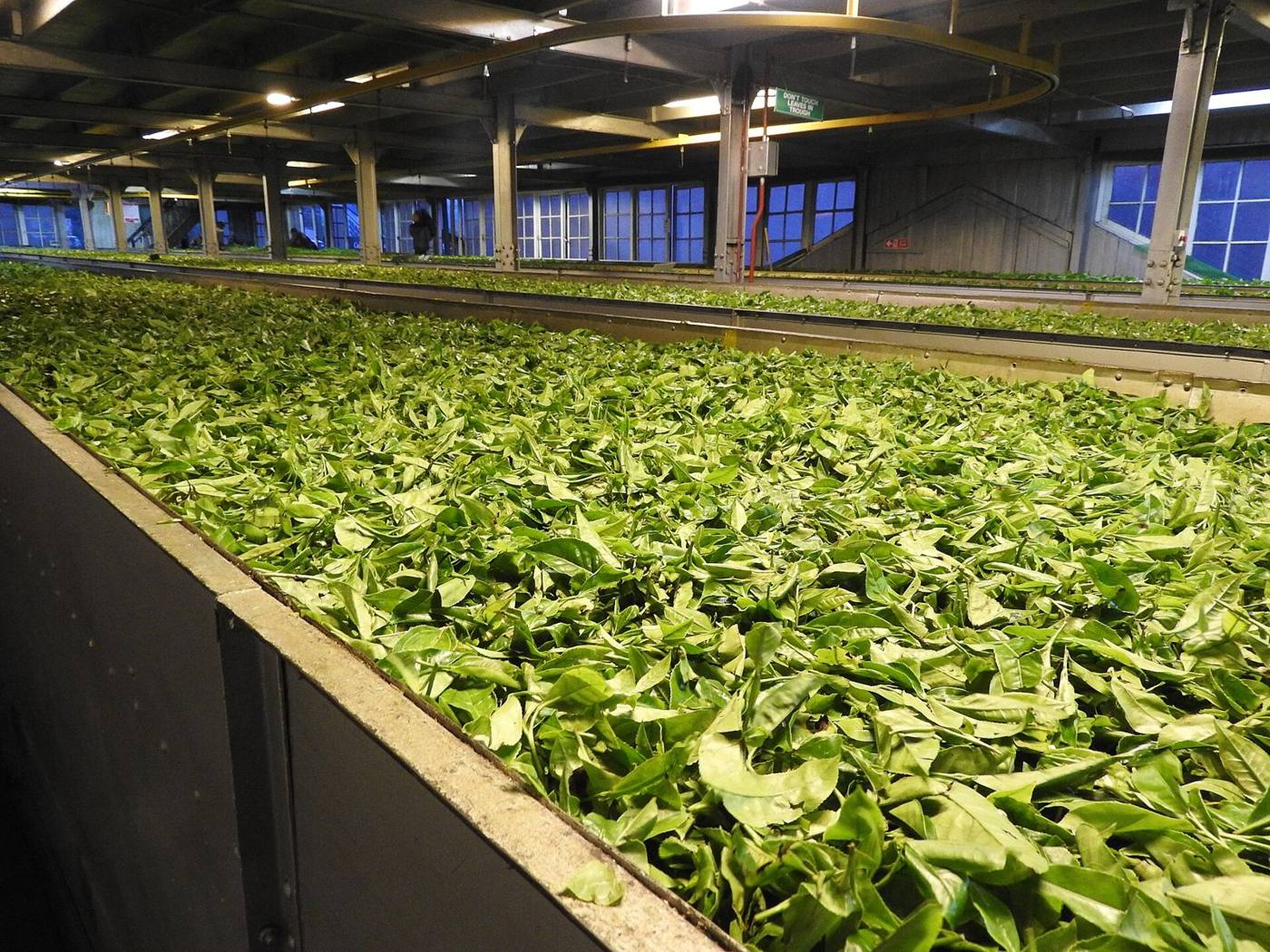
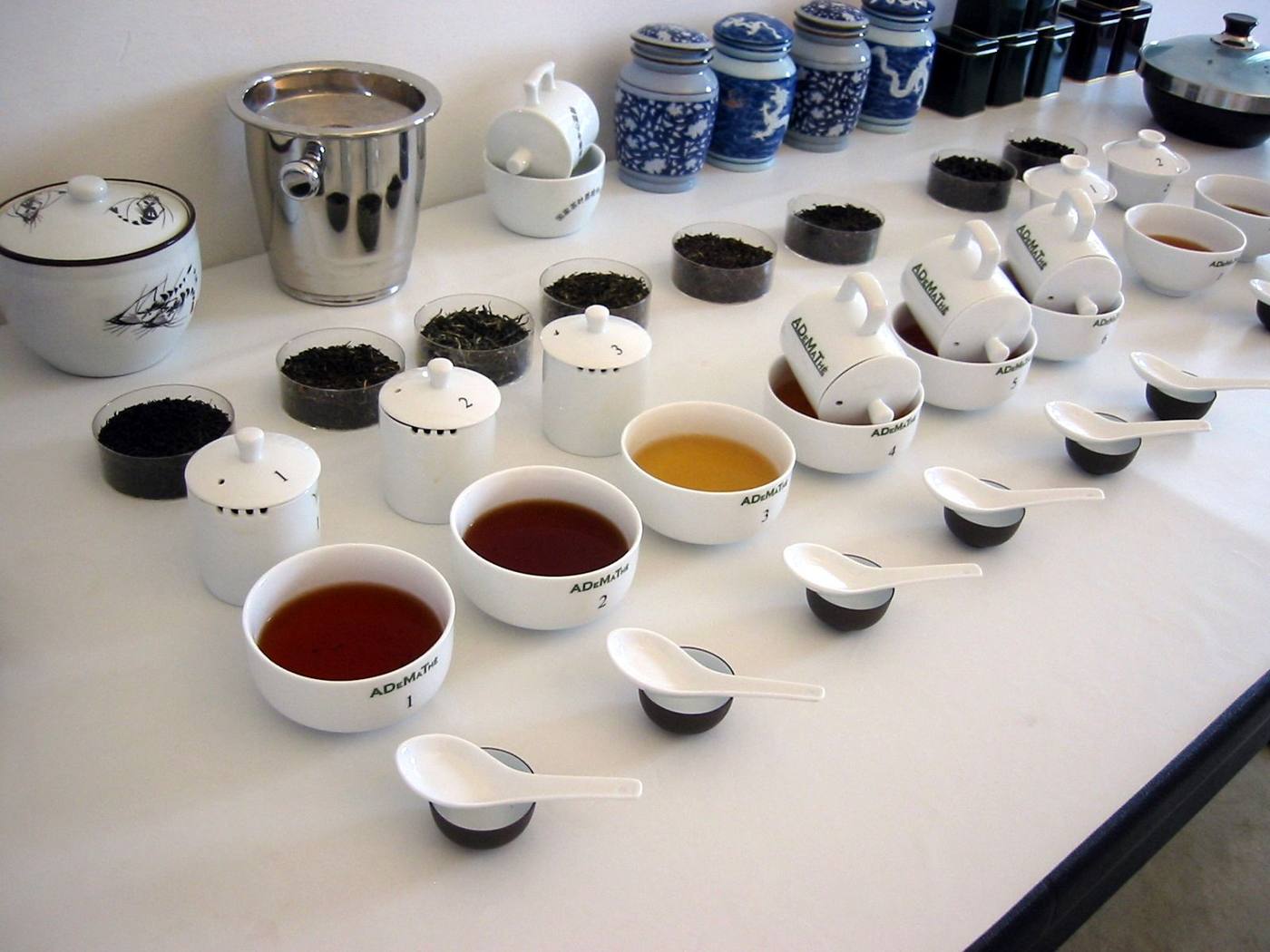
Then see where the island's most famous export comes from. A working tea factory tour follows the leaf from withering to rolling, drying and sorting, and ends with a tasting, where you learn to tell a high-grown Nuwara Eliya from a stronger lowland tea.

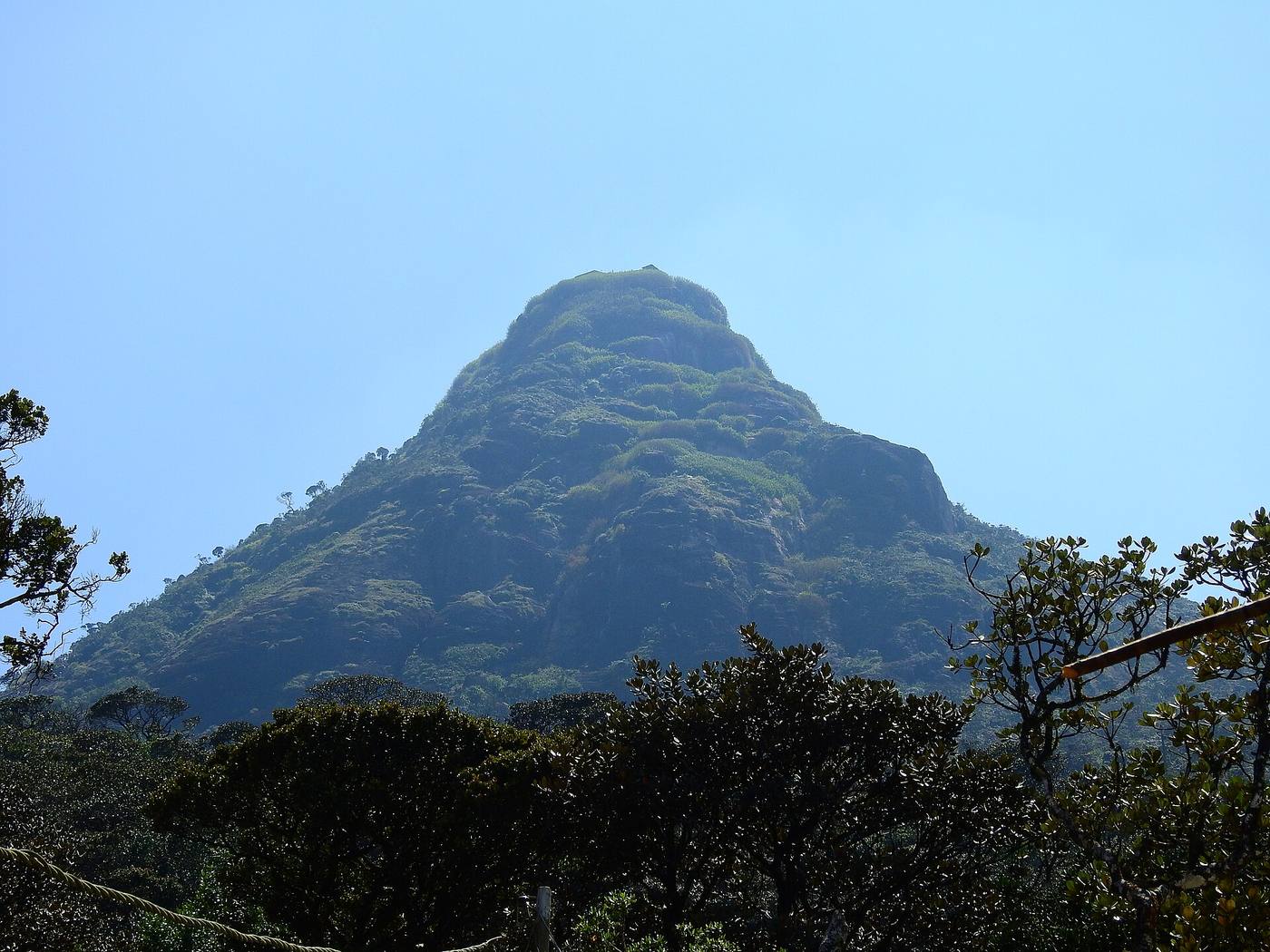
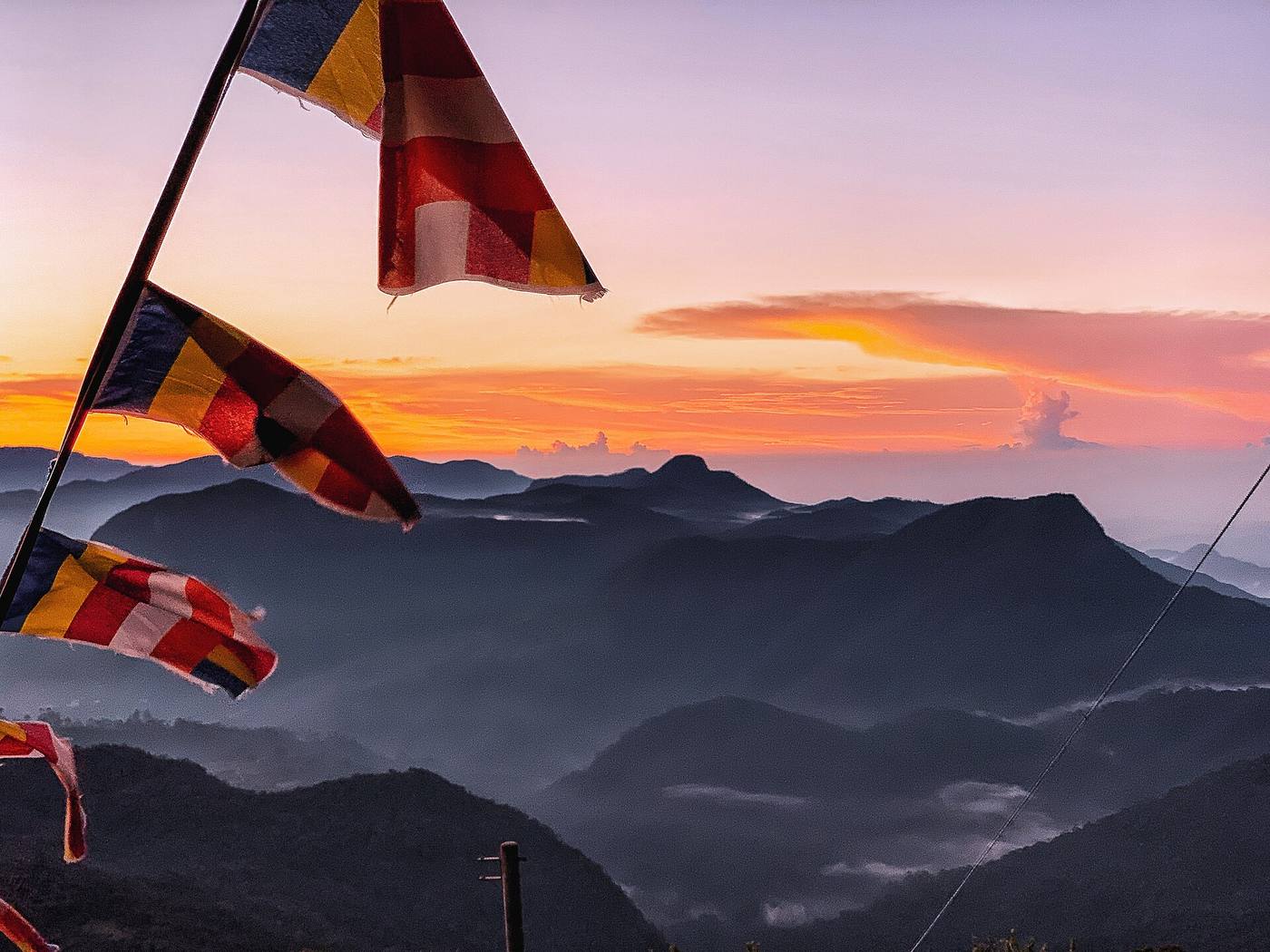
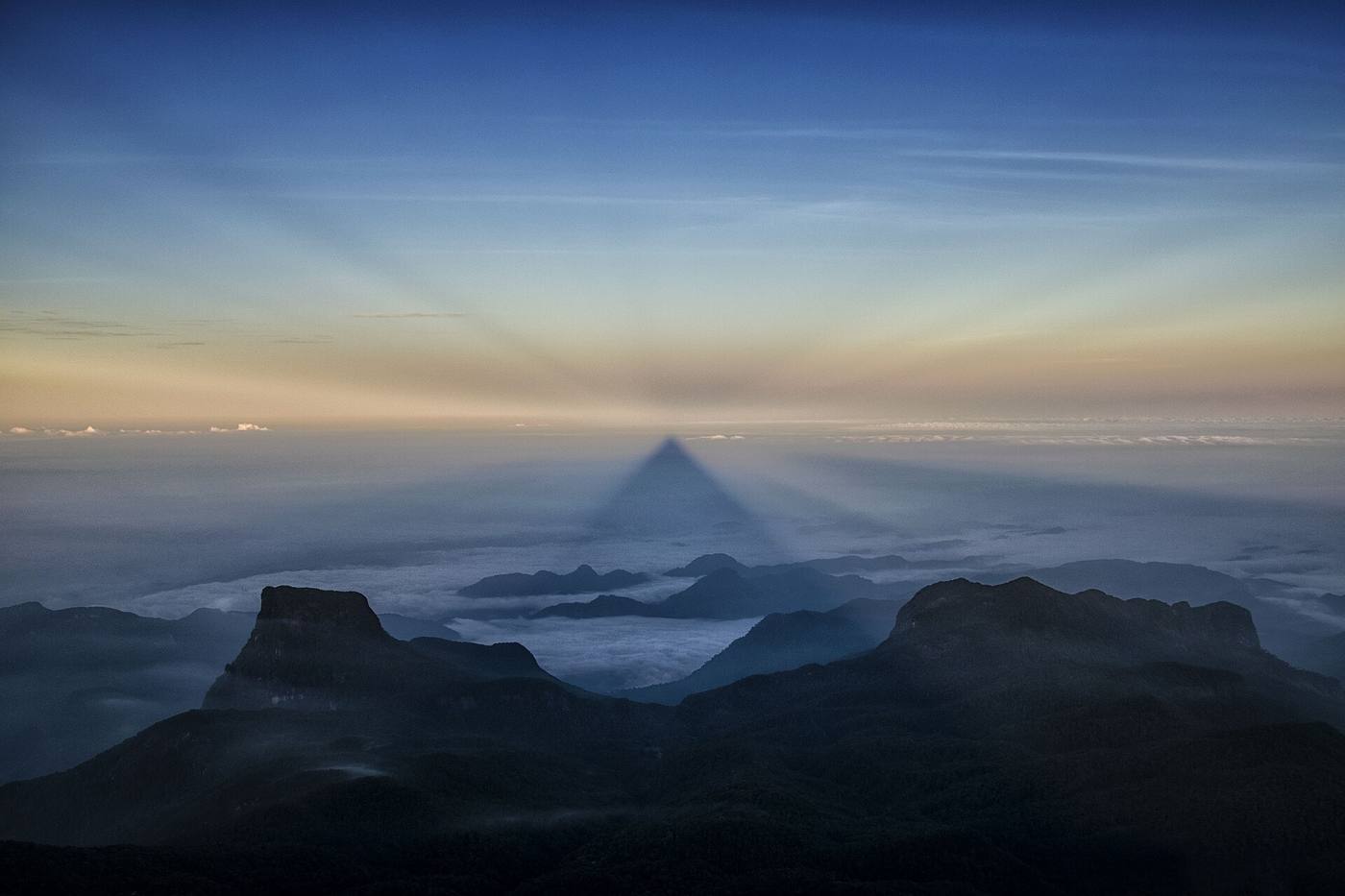
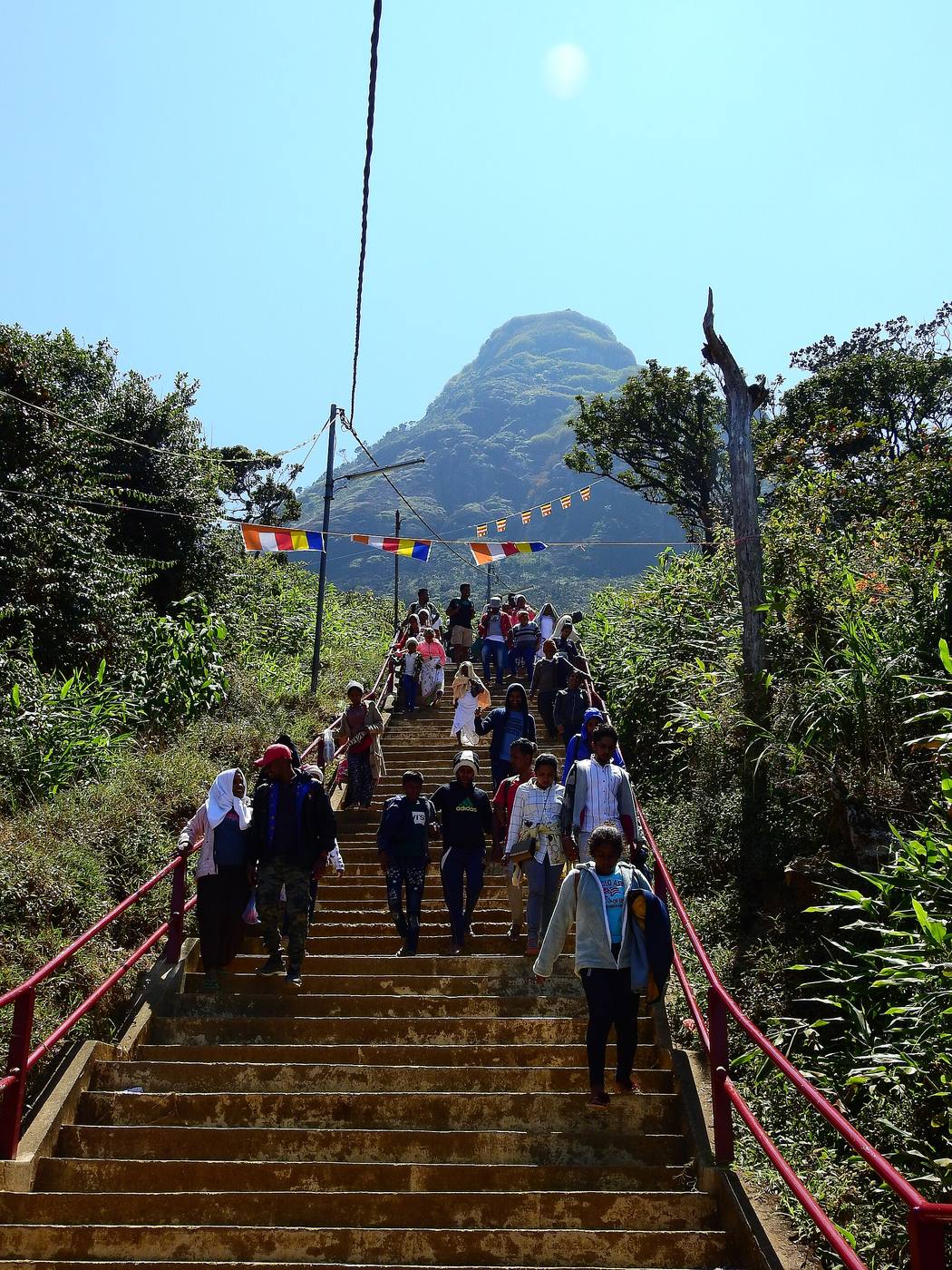
A few hours west through the tea estates stands Adam's Peak, or Sri Pada, a 2,243 metre cone of rock that is sacred to Buddhists, Hindus, Muslims and Christians alike. At the summit is a footprint-shaped hollow, revered as the footprint of the Buddha, of Shiva or of Adam. Pilgrims climb through the night by a lit stairway of around 5,500 steps from the village of Dalhousie, timing it to reach the top for sunrise. As the sun comes up, the peak throws a perfect triangular shadow across the hills and clouds below, a sight that stays with you long after the climb.

When Clearest January to April. Adam's Peak pilgrim season December to May. Cool all year, so bring a layer

Highlights

  • A night climb of Adam's Peak for sunrise from the summit
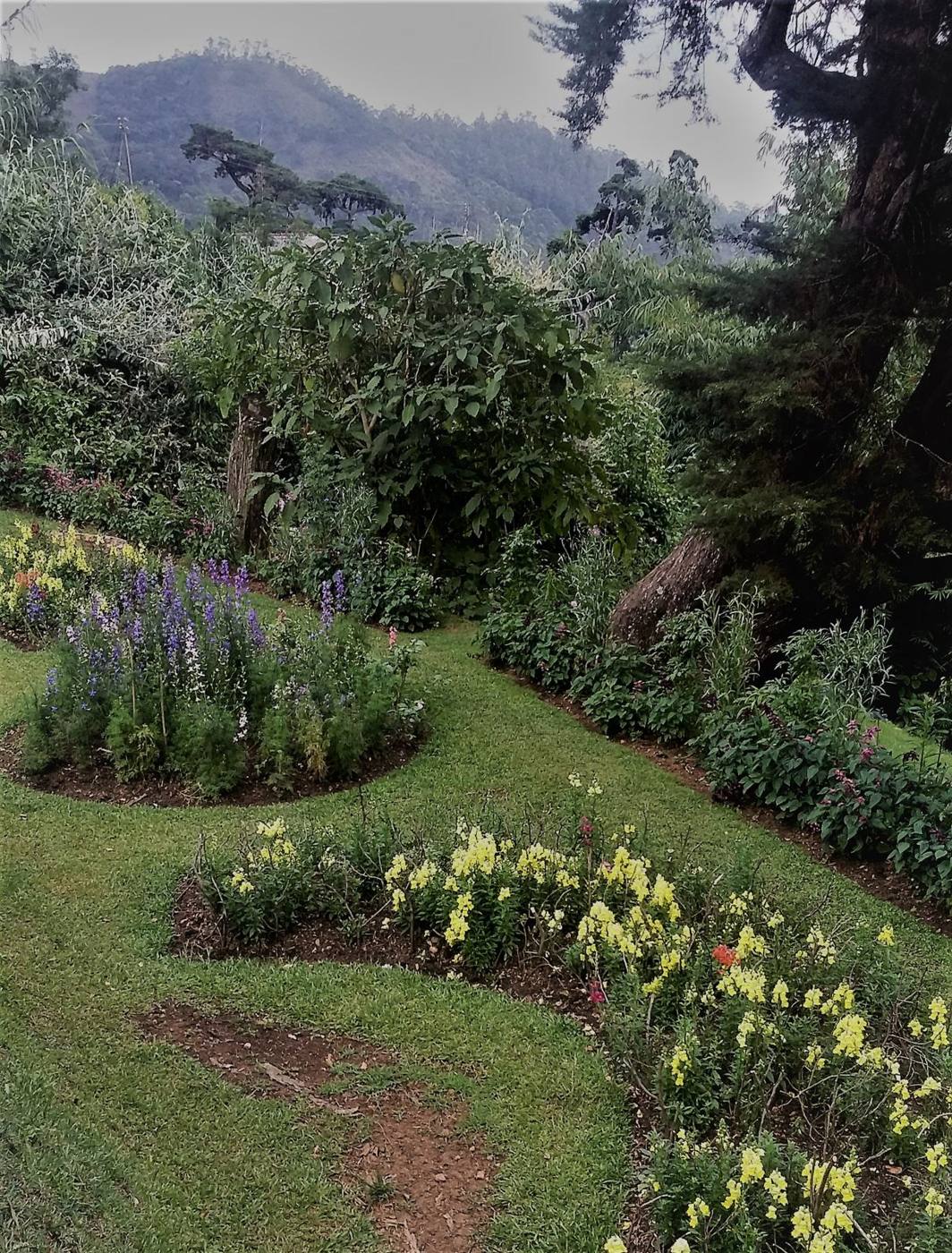
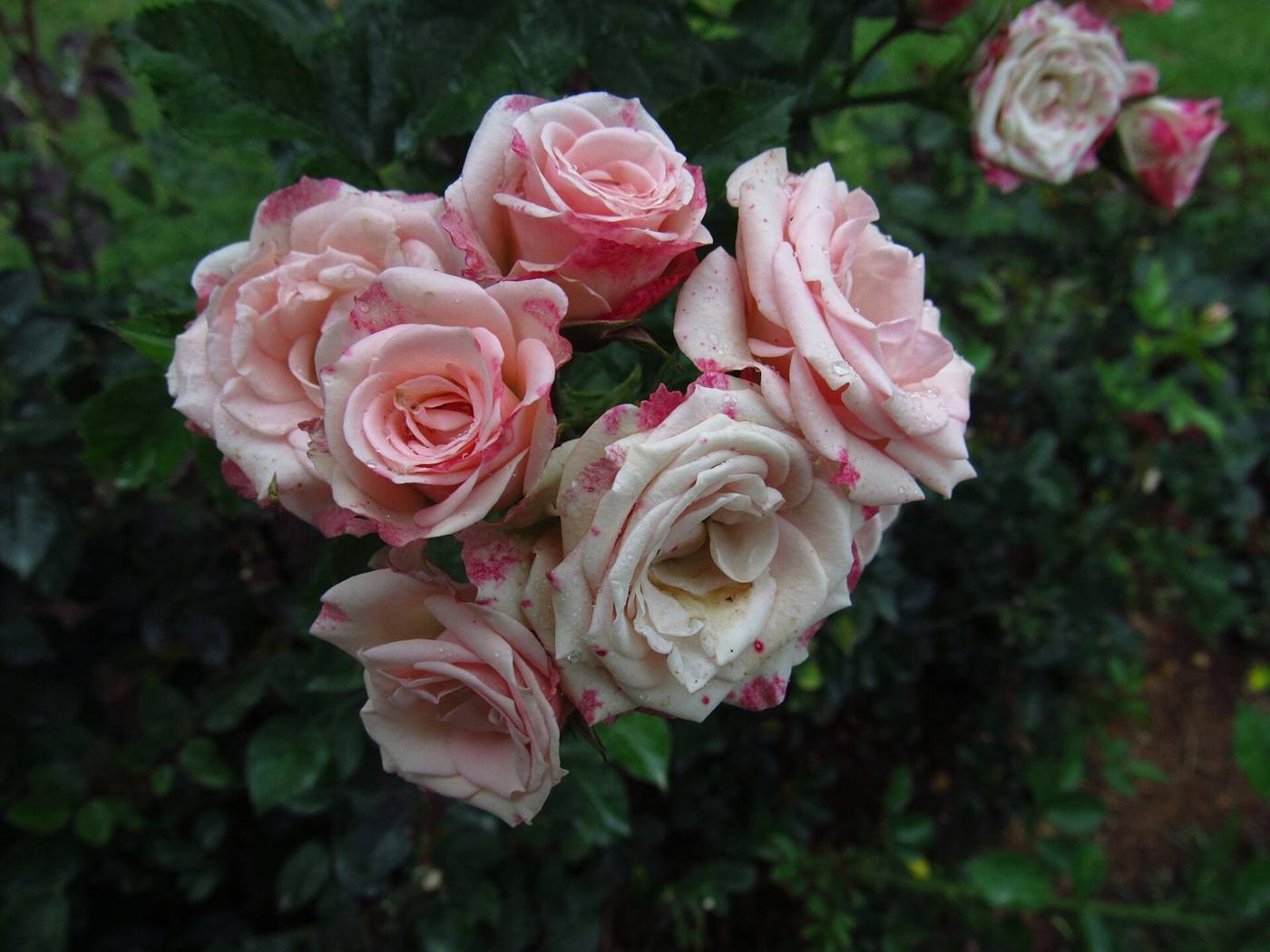
  • Hakgala Botanical Garden, roses, ferns and cloud forest
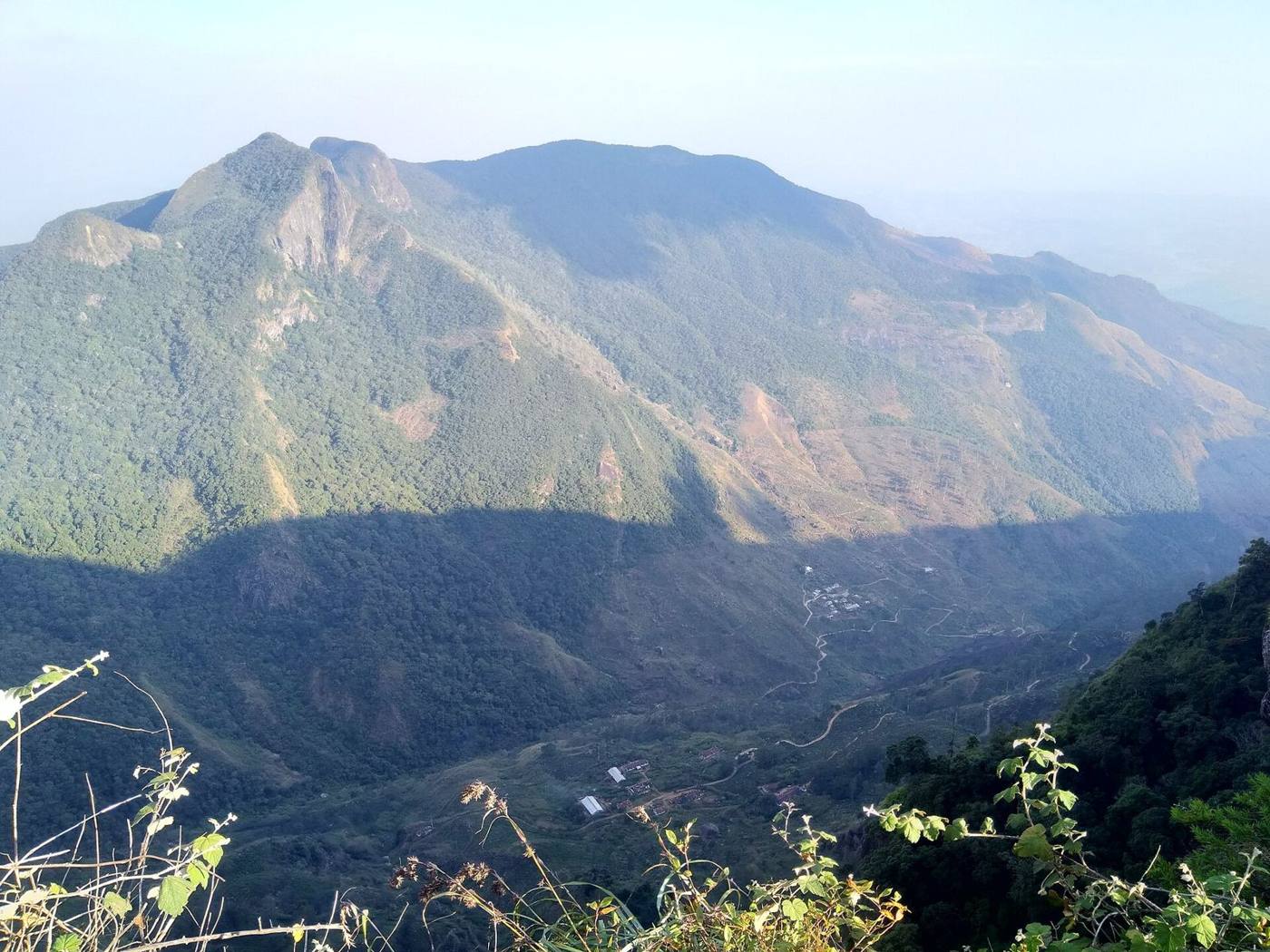
  • A sunrise hike to World's End across Horton Plains
  • Ambewela Farm, green pastures and fresh dairy
  • A tea factory tour, with a tasting at the end
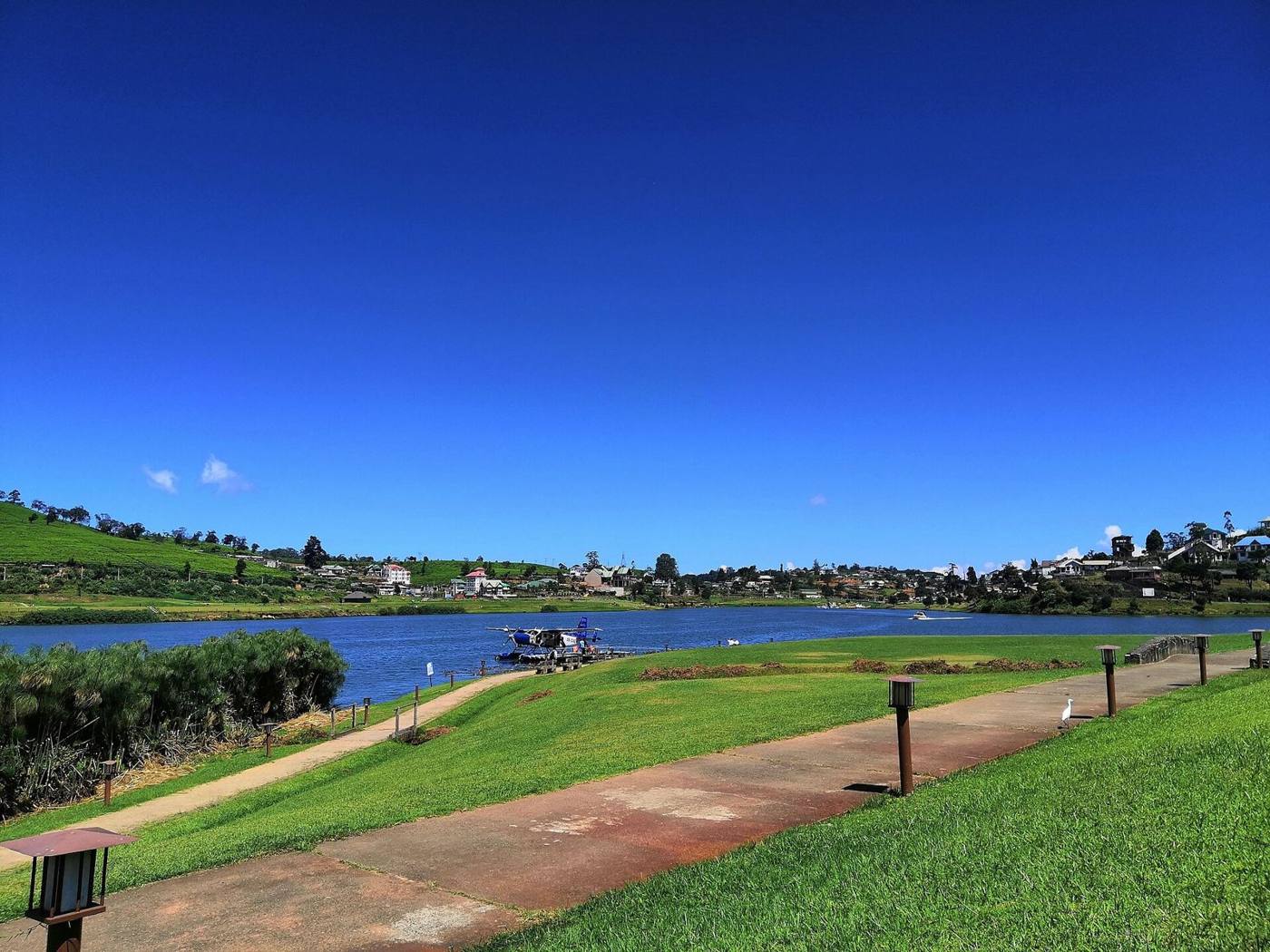
  • Gregory Lake and the old colonial town
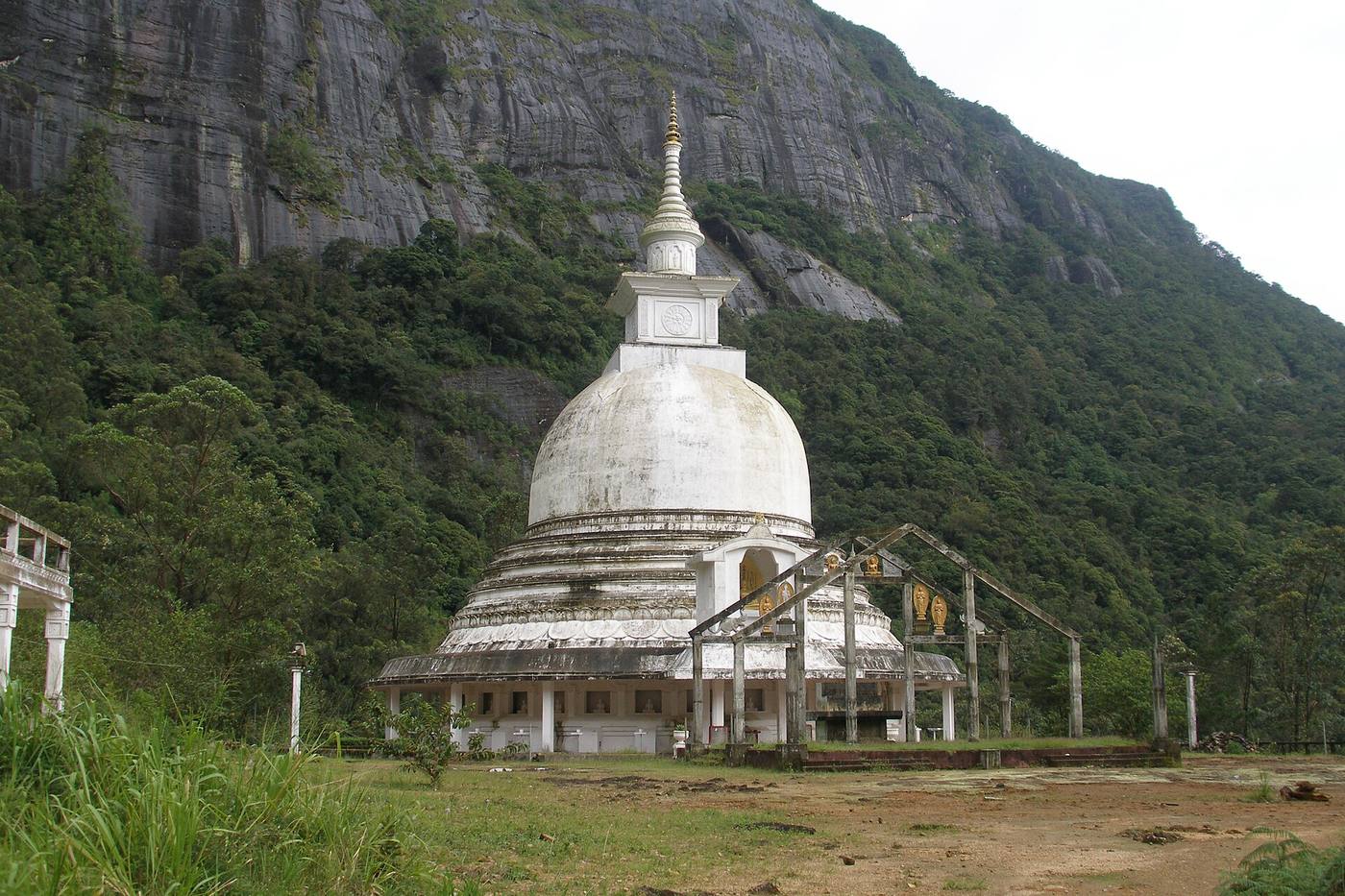
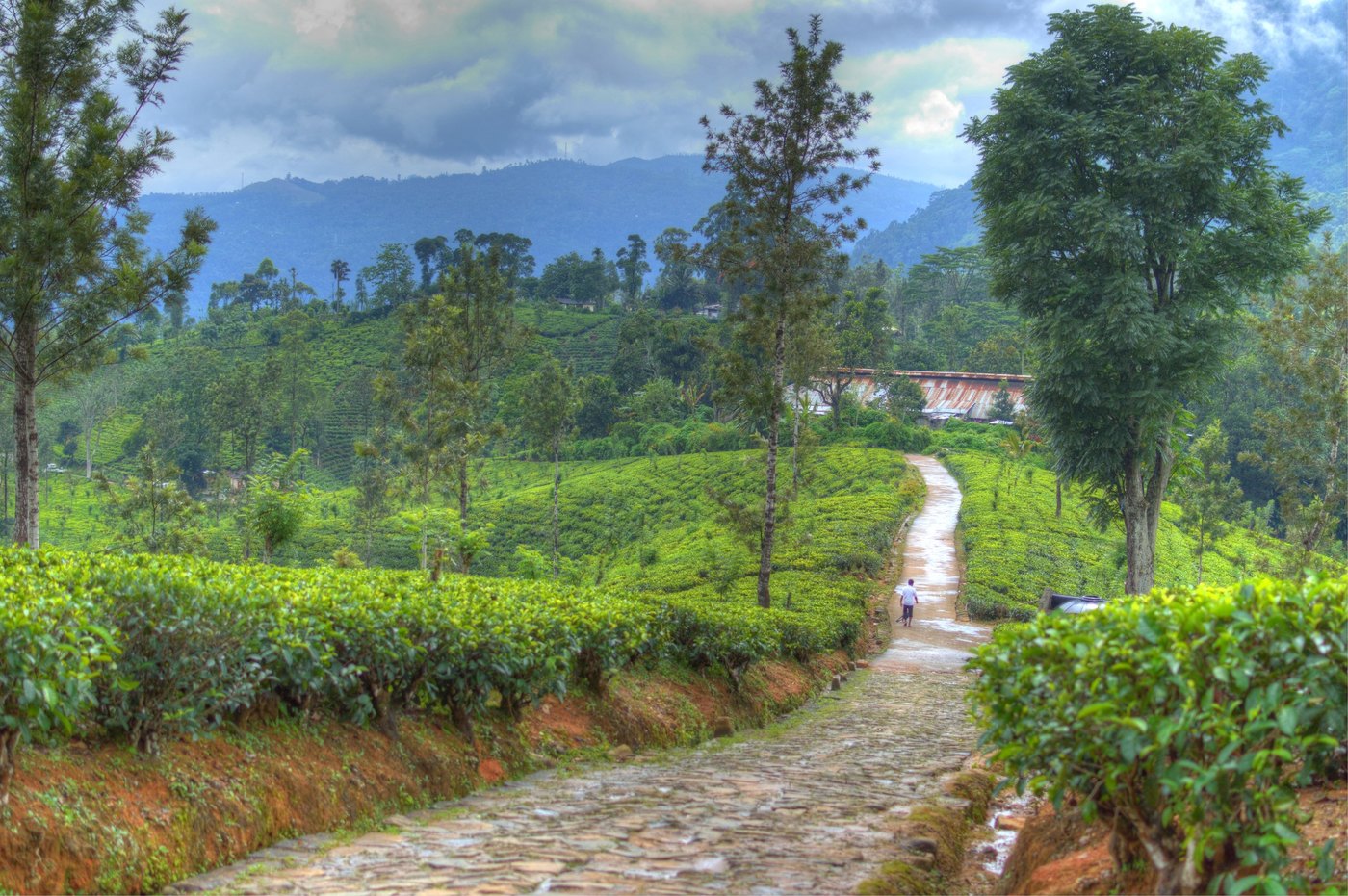
The pointed summit of Adam's Peak above forested slopes Prayer flags against a sunrise sky over layers of misty hills The triangular shadow of Adam's Peak cast over hills and cloud Pilgrims climbing a long stairway towards the peak A white stupa at the foot of the mountain A lakeside path along Gregory Lake under a deep blue sky Flower beds on a hillside at Hakgala Pink roses in the Hakgala rose garden Mountains and valleys seen from the World's End cliff Baker's Falls spilling over dark rock A sambar deer stag facing the camera on the grassland with hills behind Golden grassland and a winding stream under a deep blue sky Black and white cows grazing on green hills at Ambewela Cows resting under trees on the Ambewela pastures Three tea pickers standing among the bushes with the town of Nuwara Eliya behind A tea picker with a blue basket on her back plucking leaves A stone path running between tea bushes and tall trees under a cloudy sky A tall old tea factory surrounded by tea bushes Long troughs of fresh green tea leaf inside a factory Rows of tasting cups and bowls of brewed tea

Ella & the hill country

The hill-country train winding through tea estates

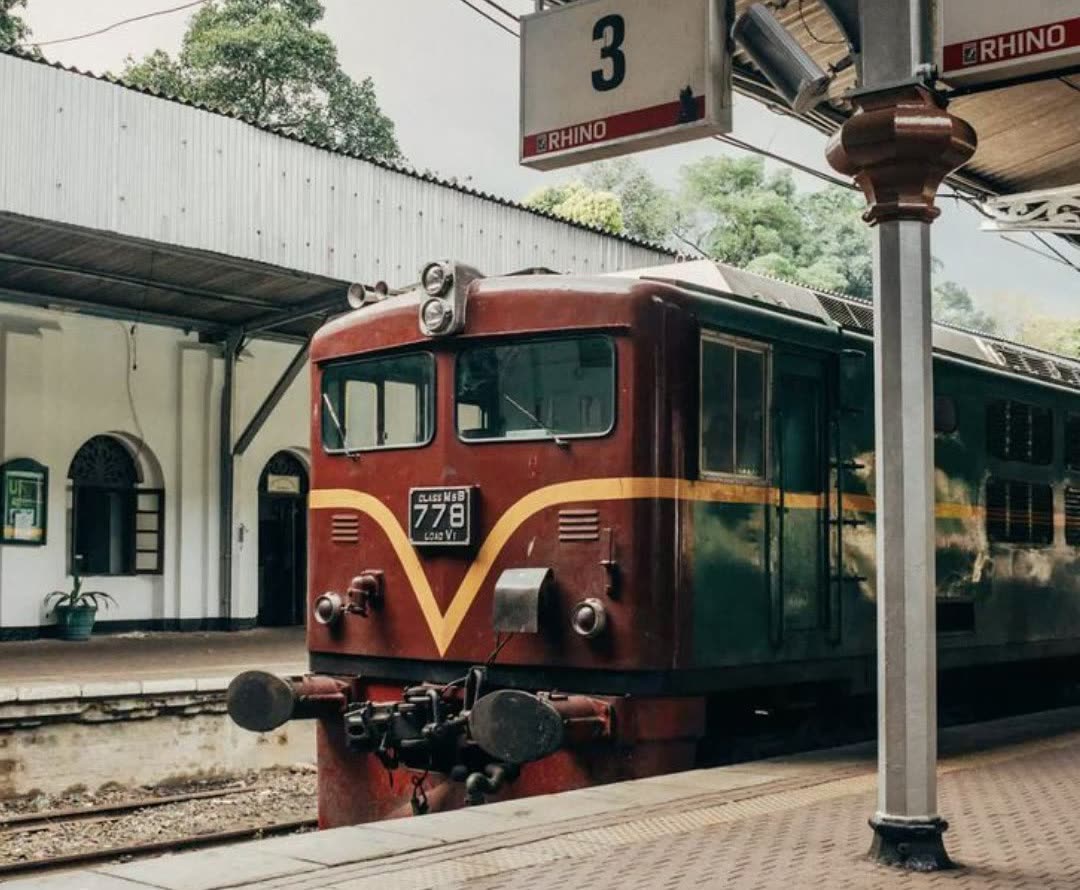
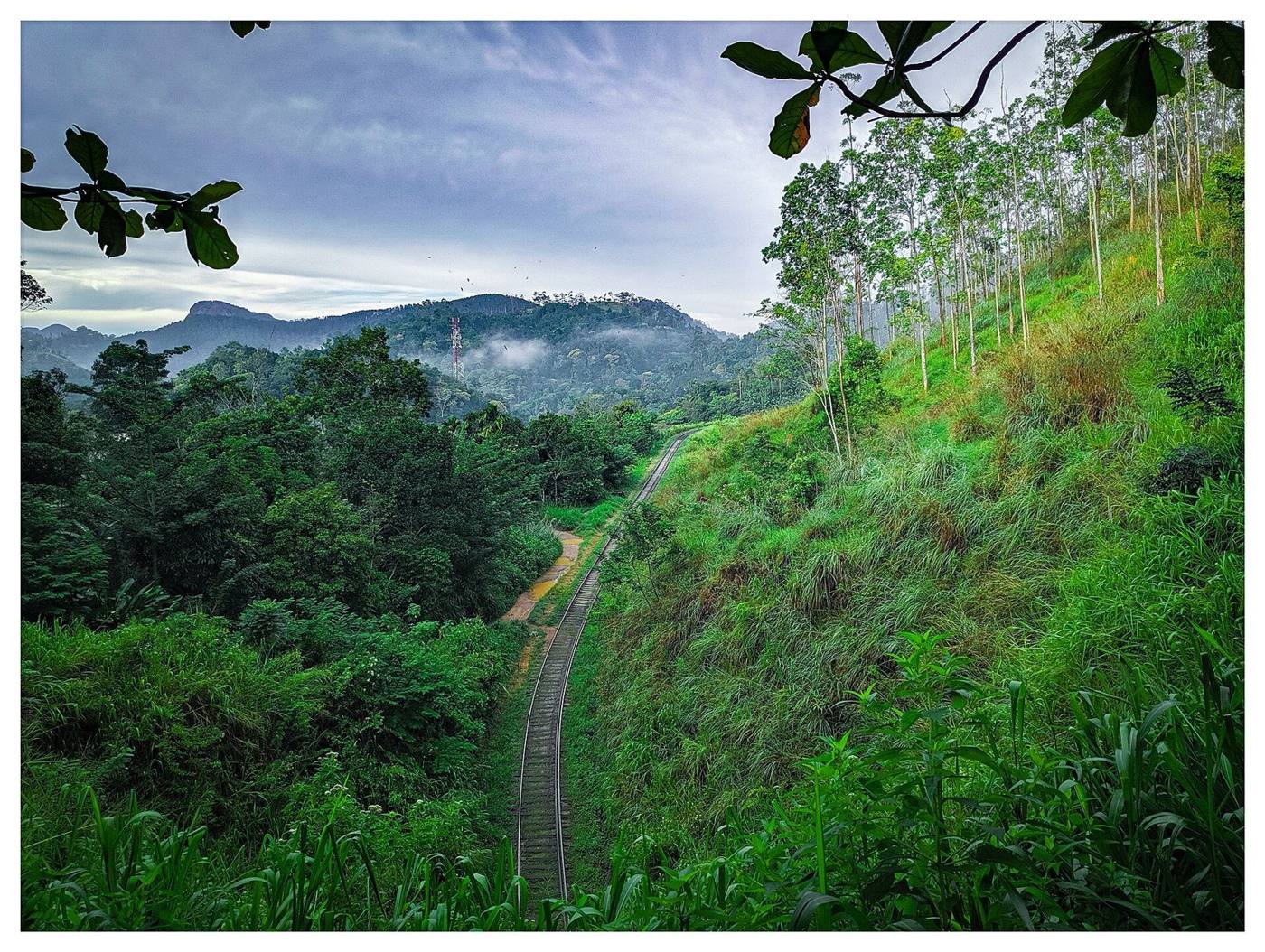
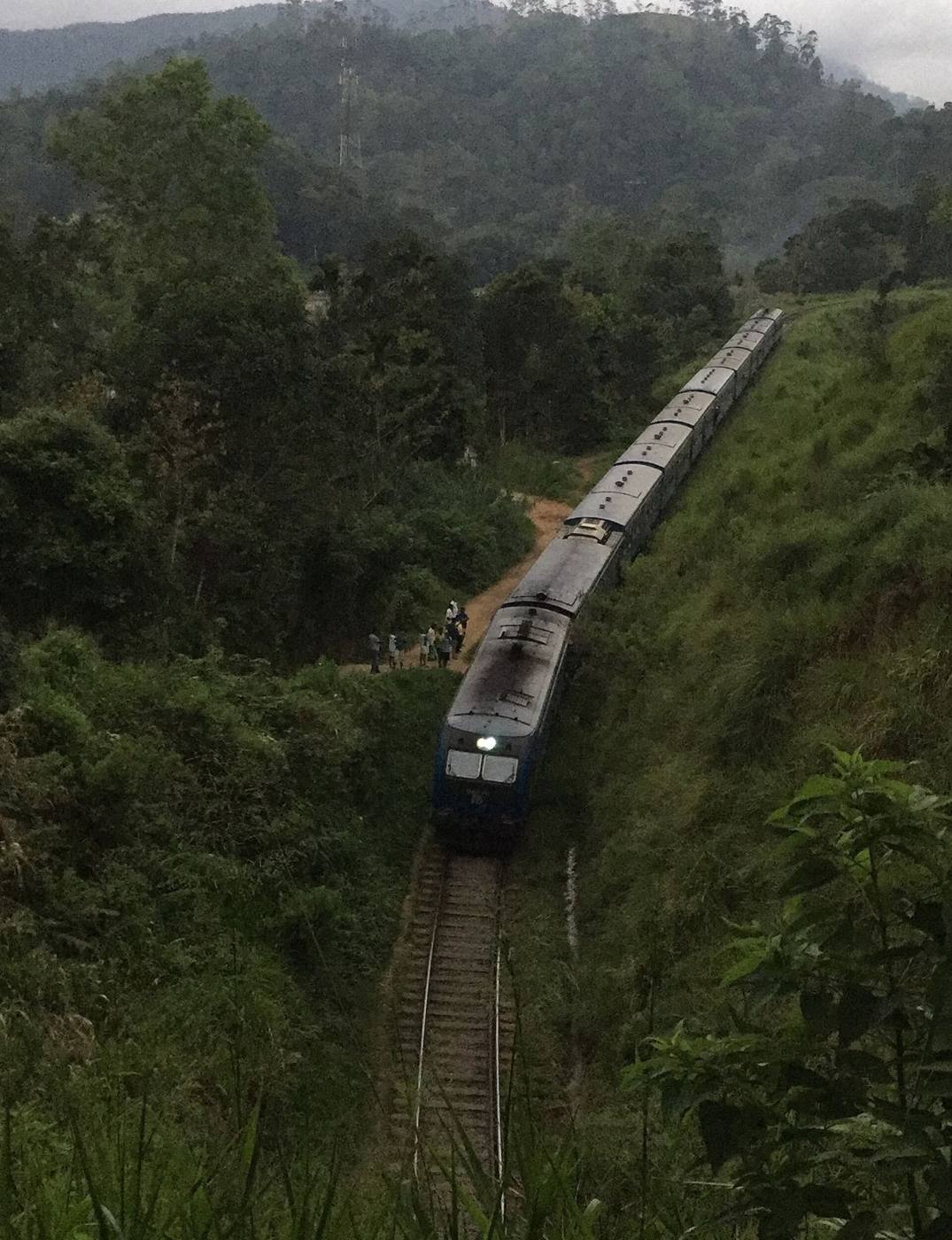
The climb from Kandy to Ella is the ride people cross the island for: a slow, window-down train through tea estates, pine forest and cloud, arguably the prettiest rail journey in Asia. Ella itself is a small town that has become the base for hill-country walking.

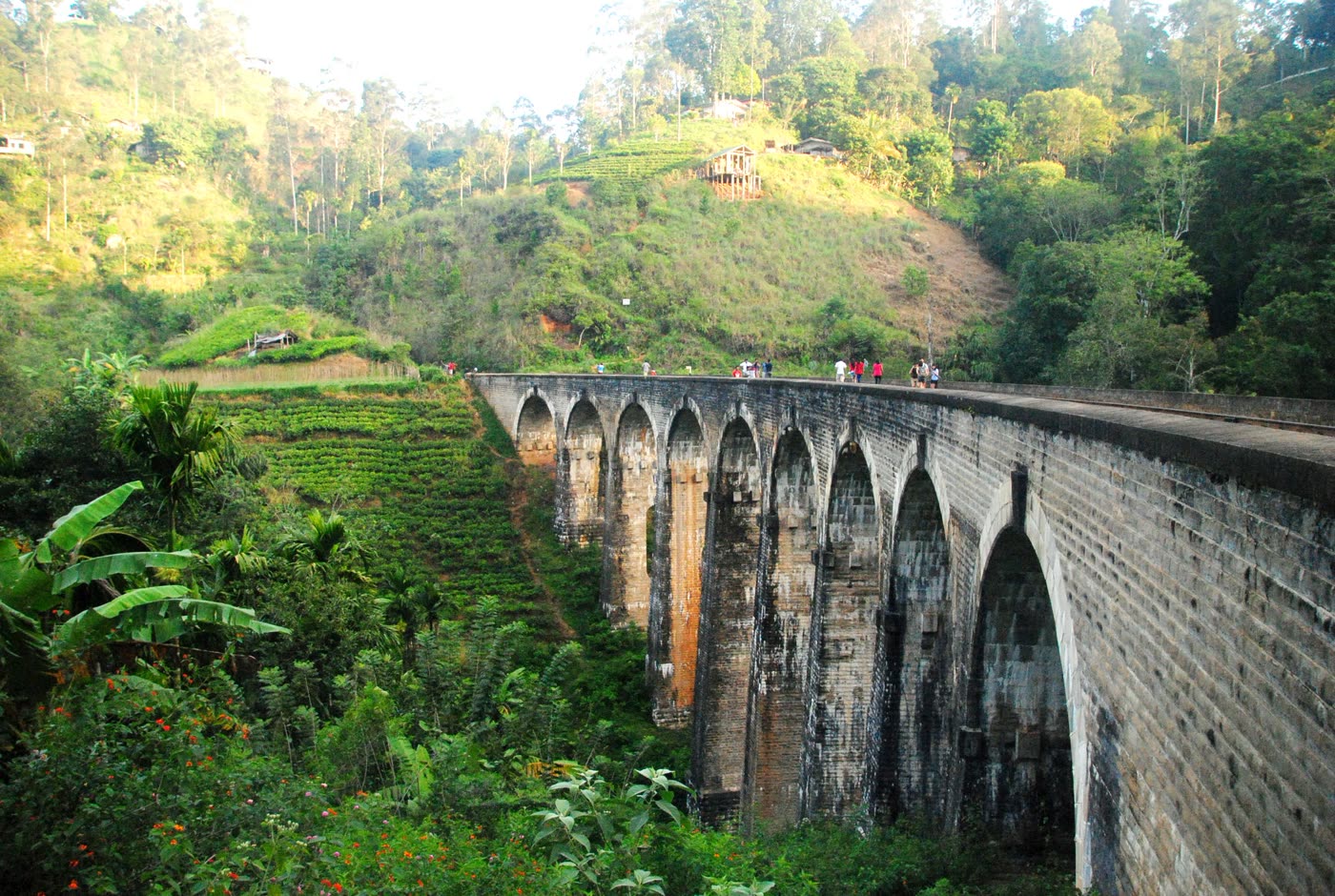
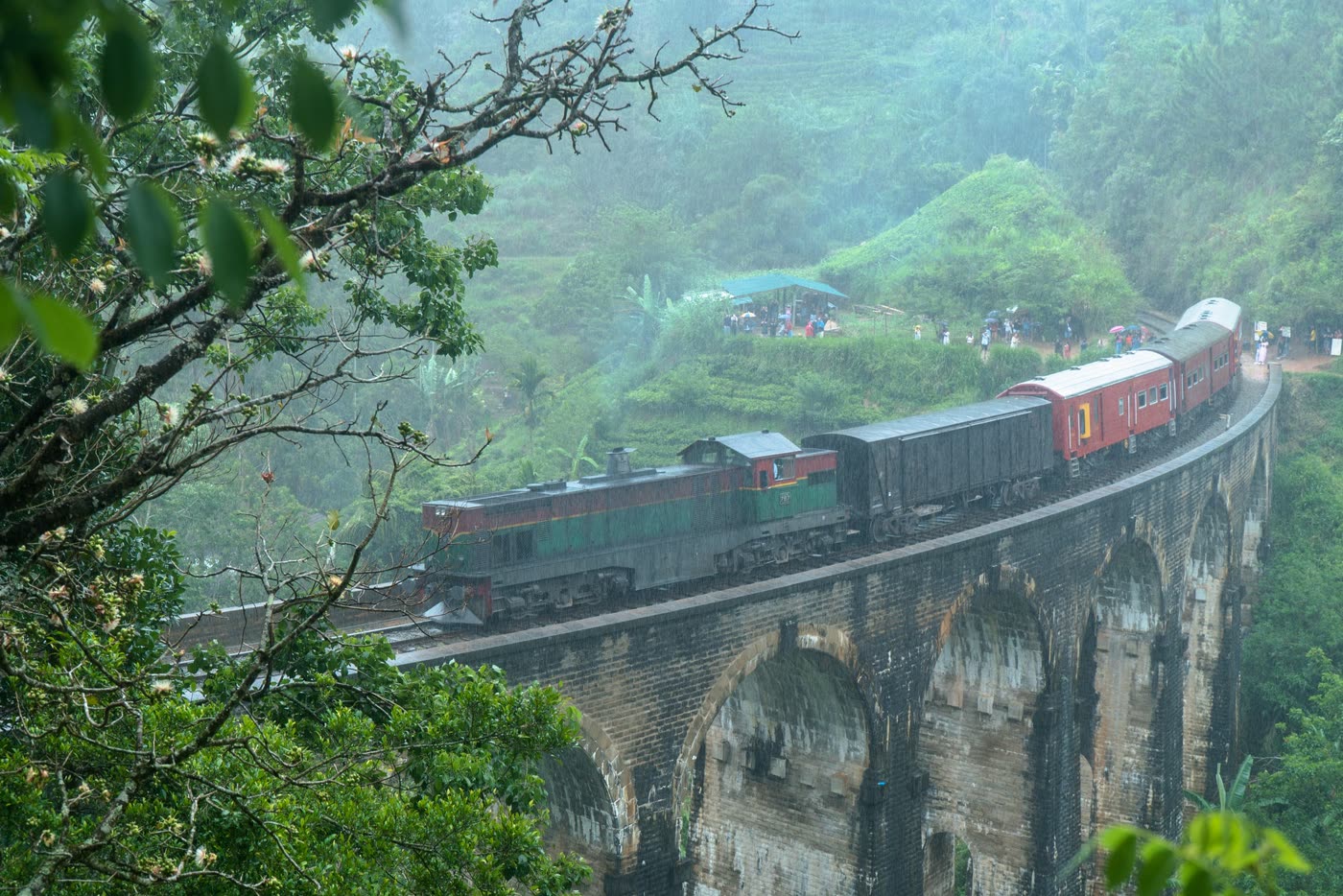
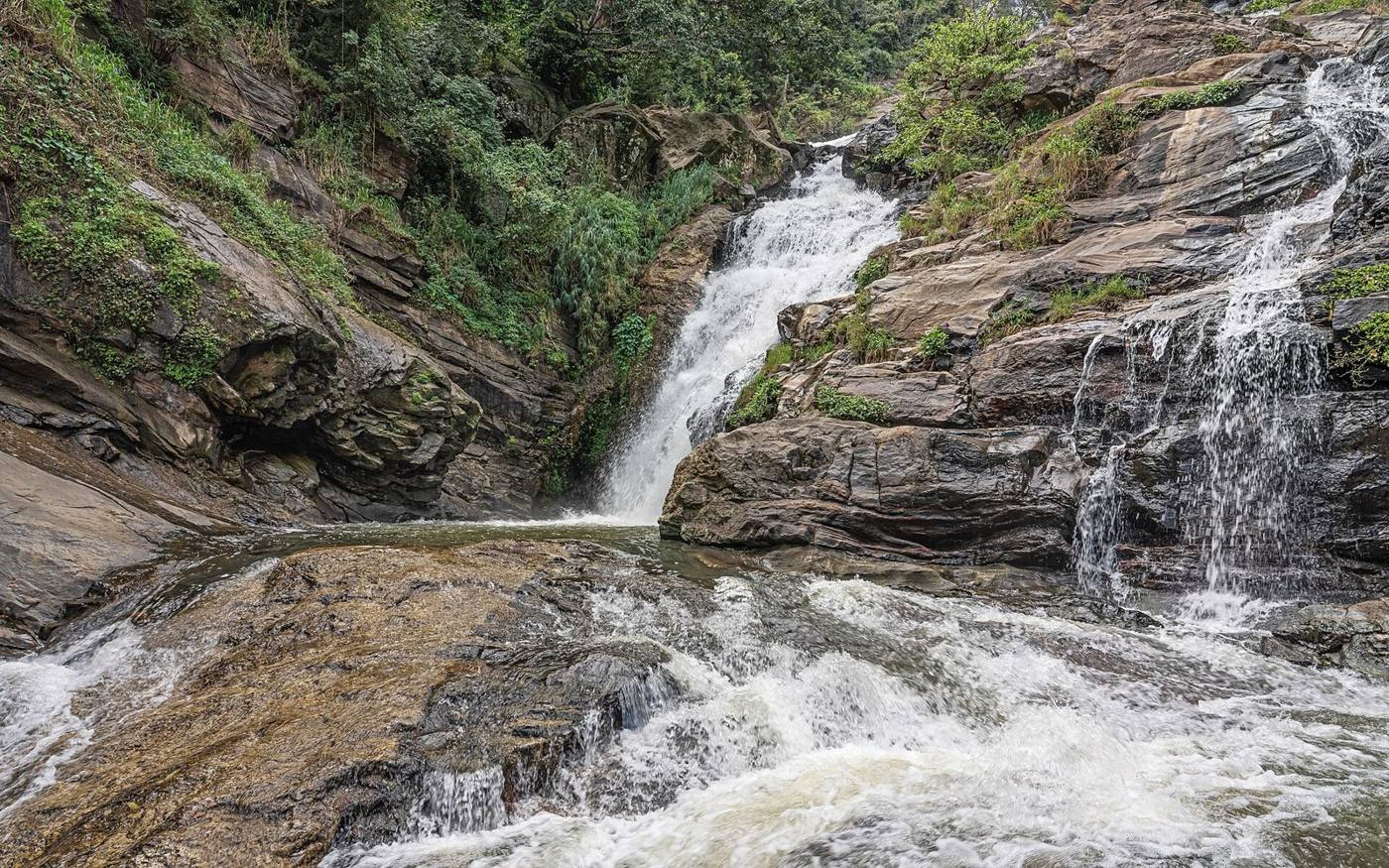
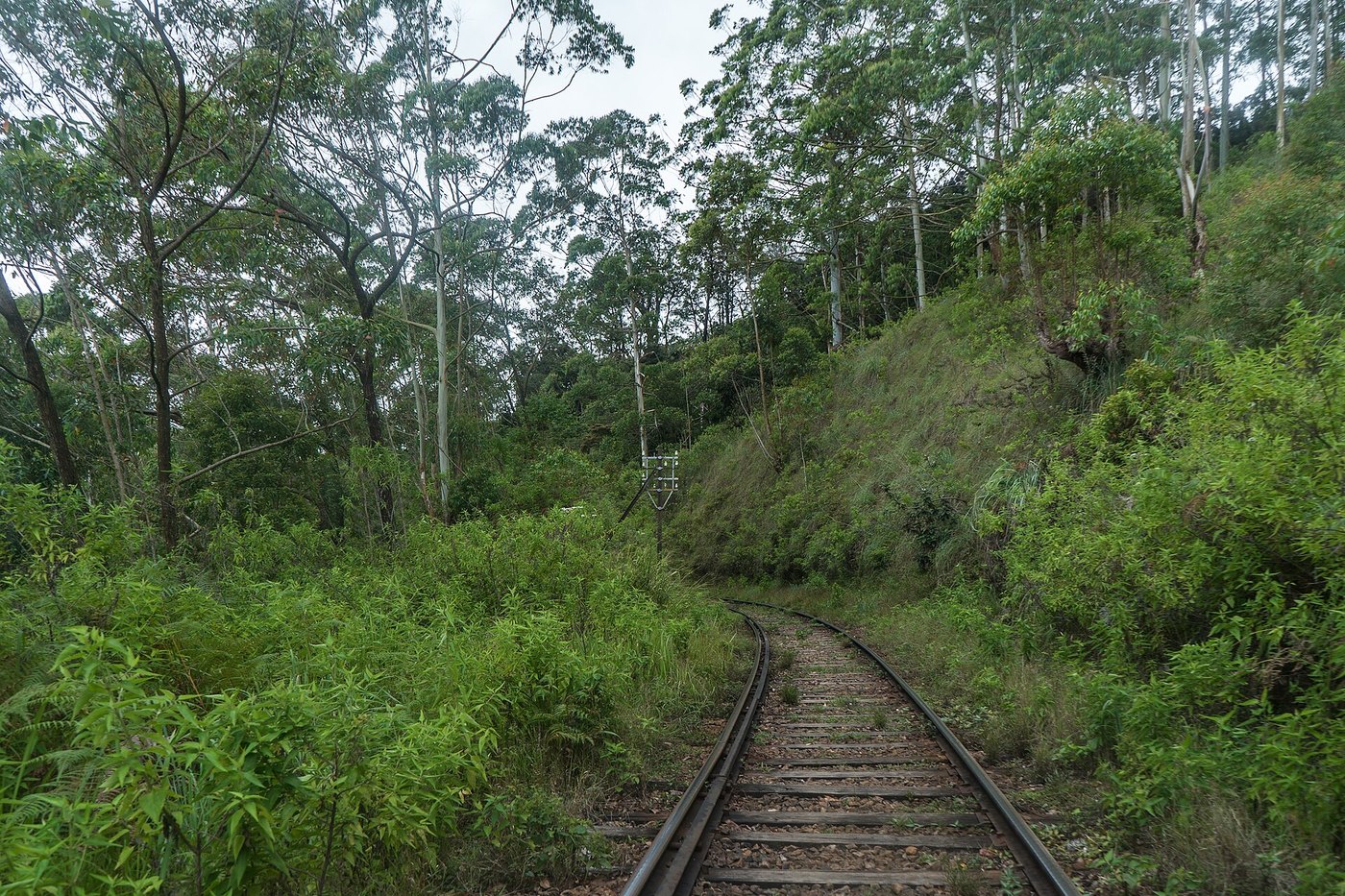
Everything is close. Little Adam's Peak is a gentle hour up for a big view, and Ella Rock is a rougher half day. The Nine Arch Bridge is a twenty minute walk from town, best timed for a passing train, and a little further down the line the Demodara Loop sends the railway spiralling round a hill and under itself. Ravana Falls tumbles down right beside the road below town, and the Flying Ravana zipline is a short tuk-tuk away.

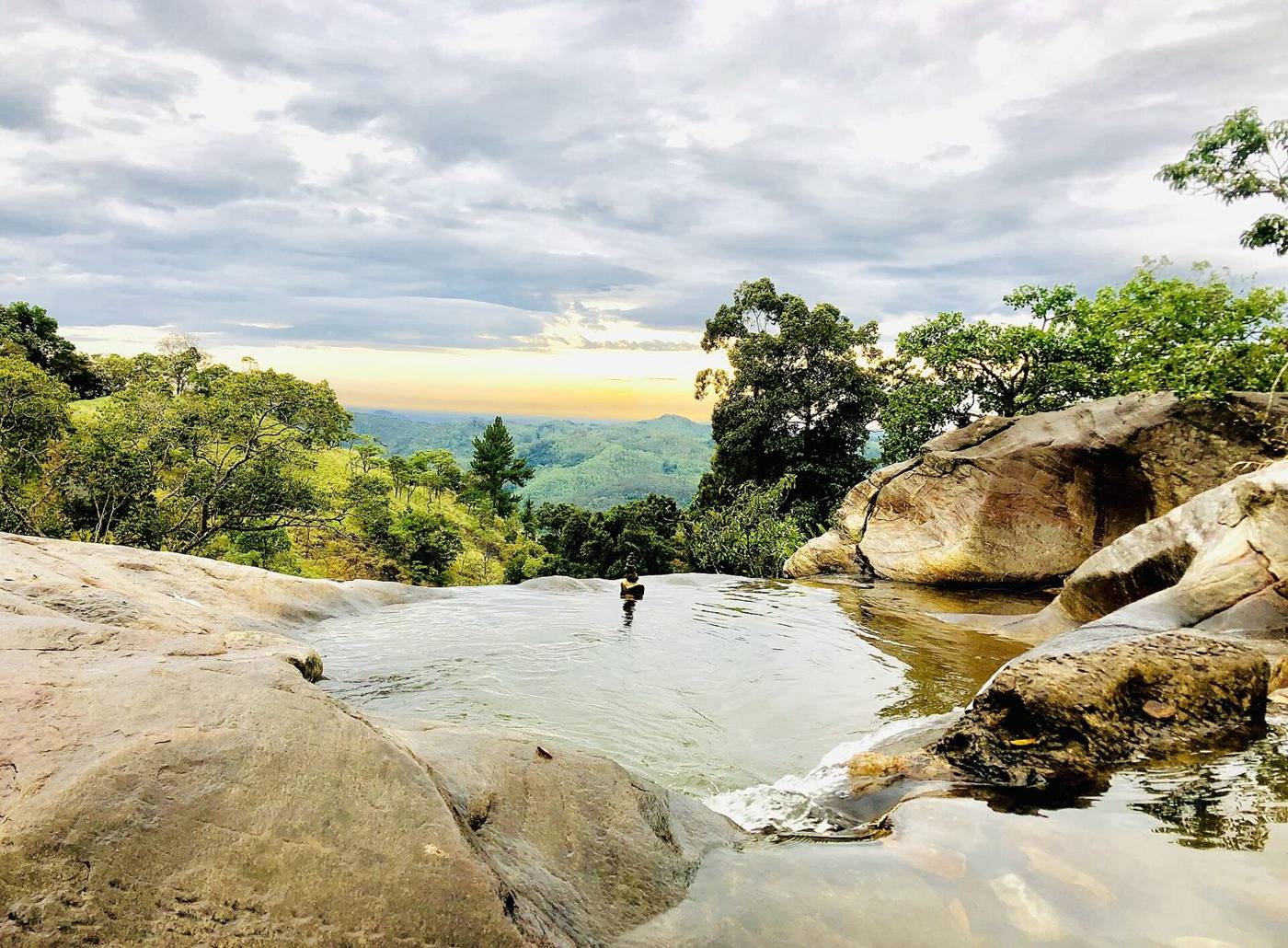
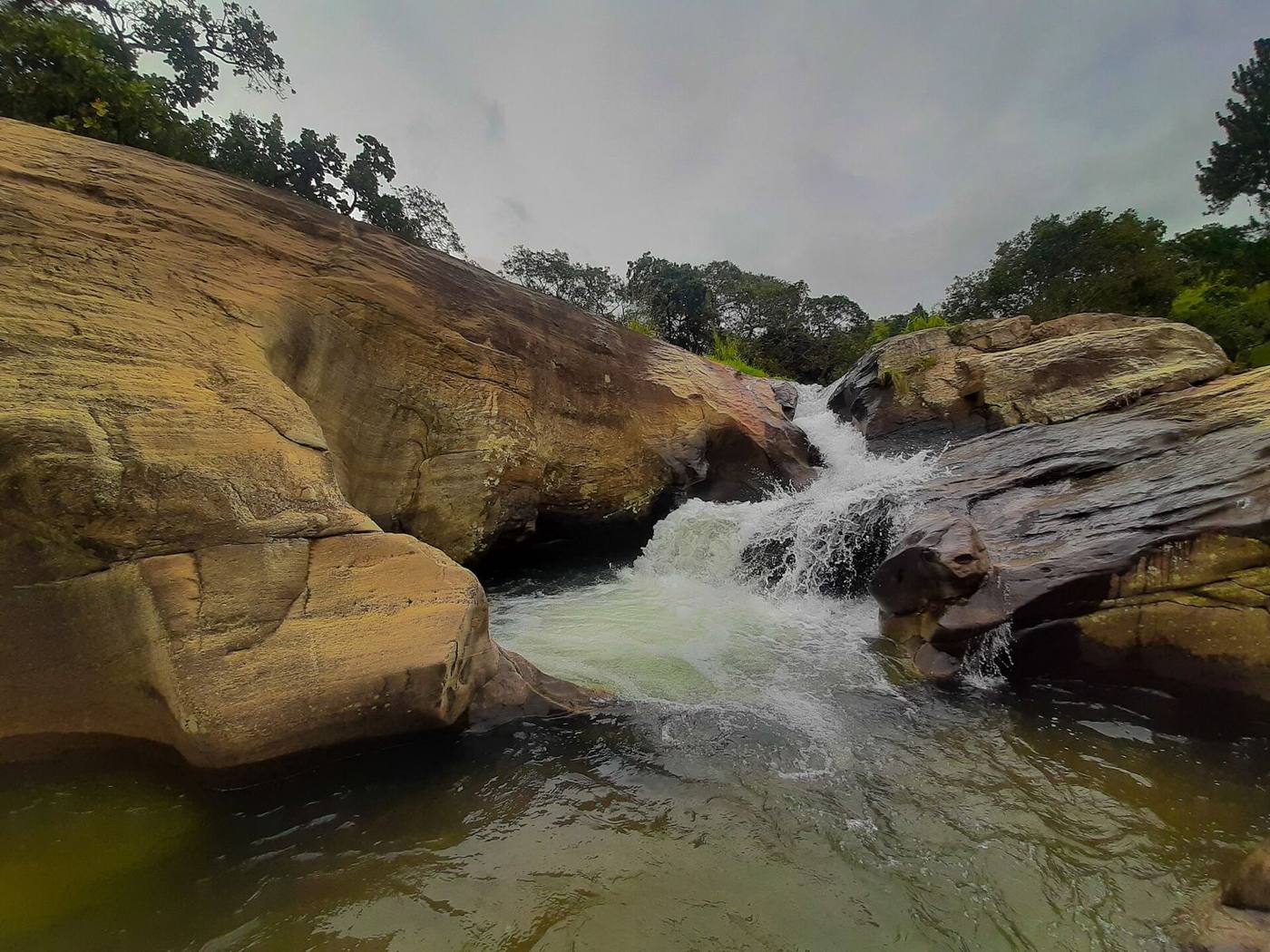
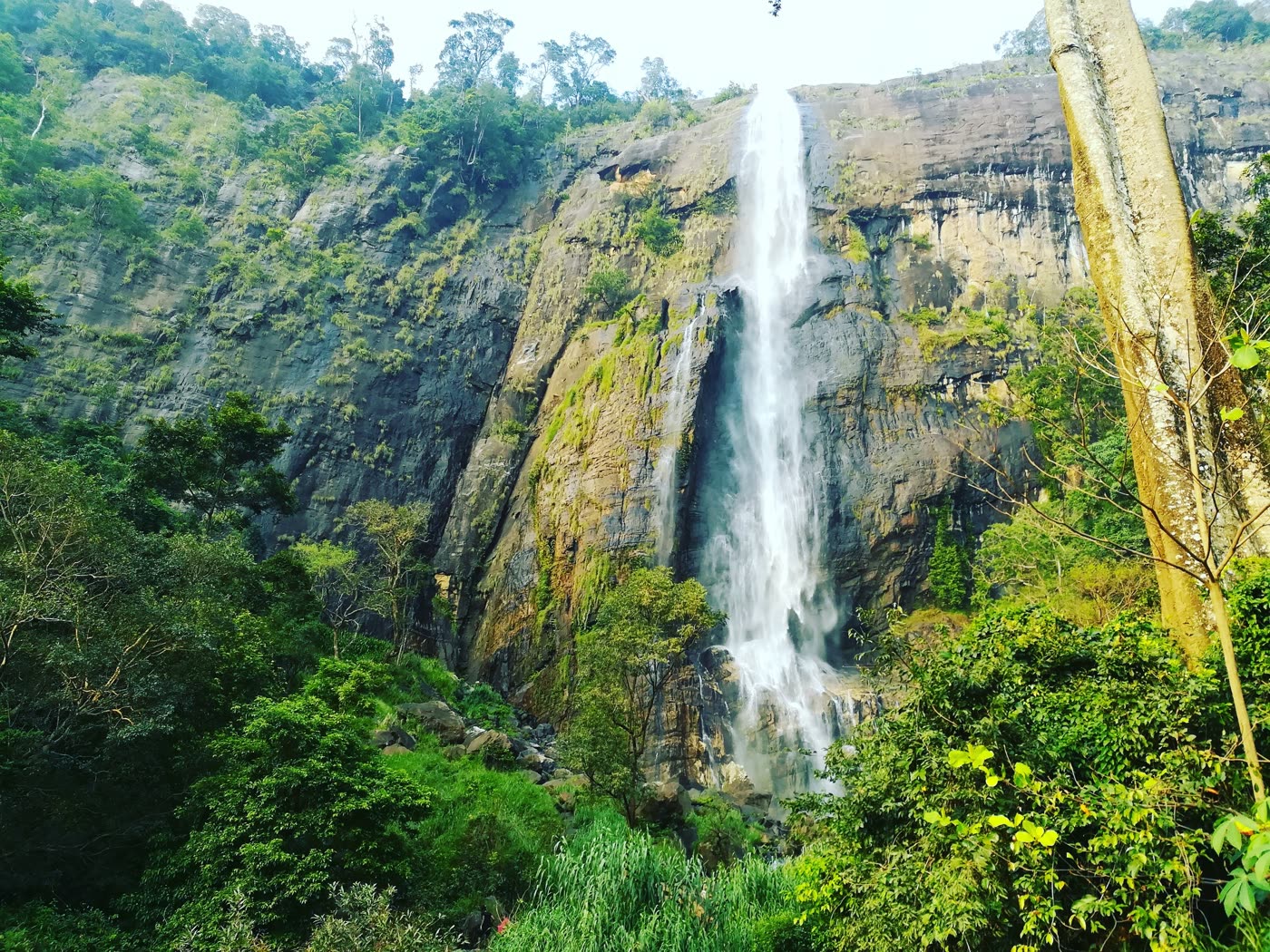
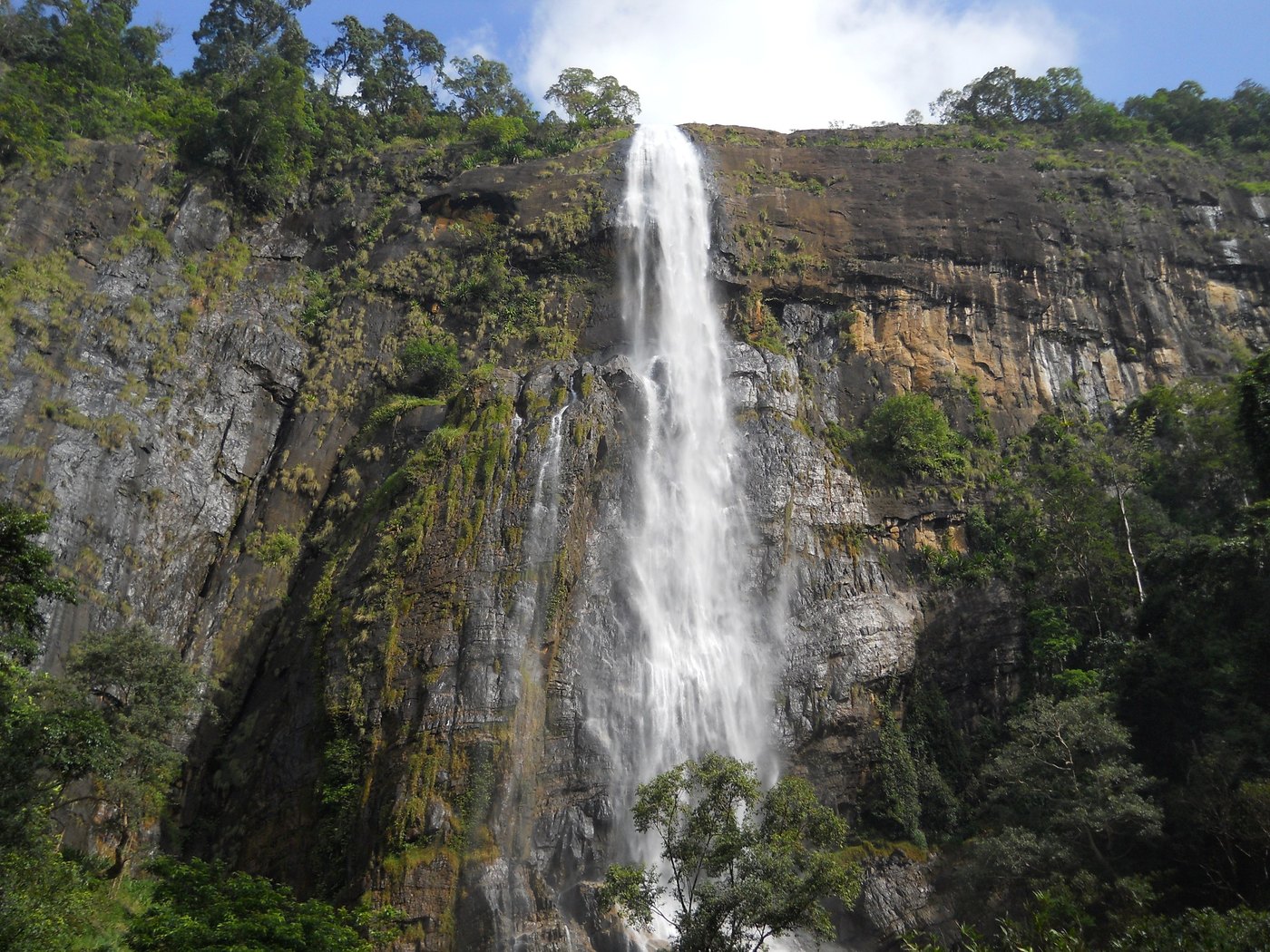
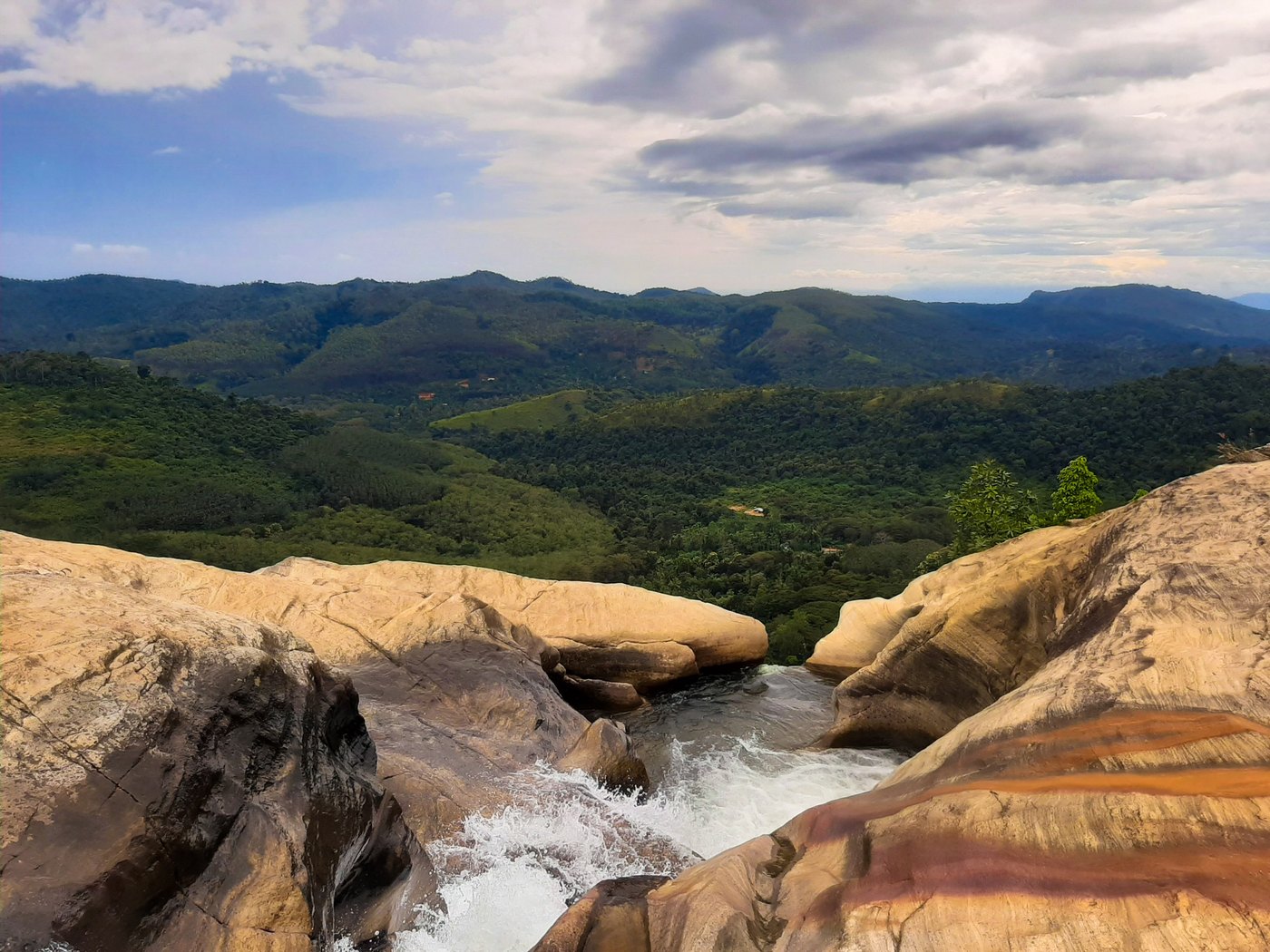
One of the hill country's hidden gems is Nil Diya Pokuna, the "blue water pond". A short hike through the forest near Ella leads to a cave, and inside it a still pool of startlingly clear blue water, lit by the daylight falling through the cave mouth. It is cool and quiet, a world away from the busier sights, and a perfect reward after a morning on the trails. An hour or so away, the rock pools at the top of Diyaluma Falls, the island's second highest waterfall, sit right on the edge of the drop with the plains spread out below.

When Clearest December to March. Mornings are bright most of the year

Highlights

  • The Kandy or Nanu Oya to Ella train, booked ahead in reserved class
  • Little Adam's Peak and the Nine Arch Bridge, timed for a train
  • The Demodara Loop, where the line spirals under itself
  • Ravana Falls and the 550 m twin zipline for the brave
  • Nil Diya Pokuna's cave pool and the rock pools at Upper Diyaluma
The Nine Arch Bridge in the forest near Ella A train crossing the Nine Arch Bridge The railway curving through green hills at Demodara A blue train winding through forest on the loop Ravana Falls pouring over layered rock A rock pool at the top of Diyaluma Falls looking out over the plains A small waterfall feeding a green pool between boulders Diyaluma waterfall dropping down a cliff Looking down the Ella Gap valley Two tea pickers smiling among the bushes

Haputale & Lipton's Seat

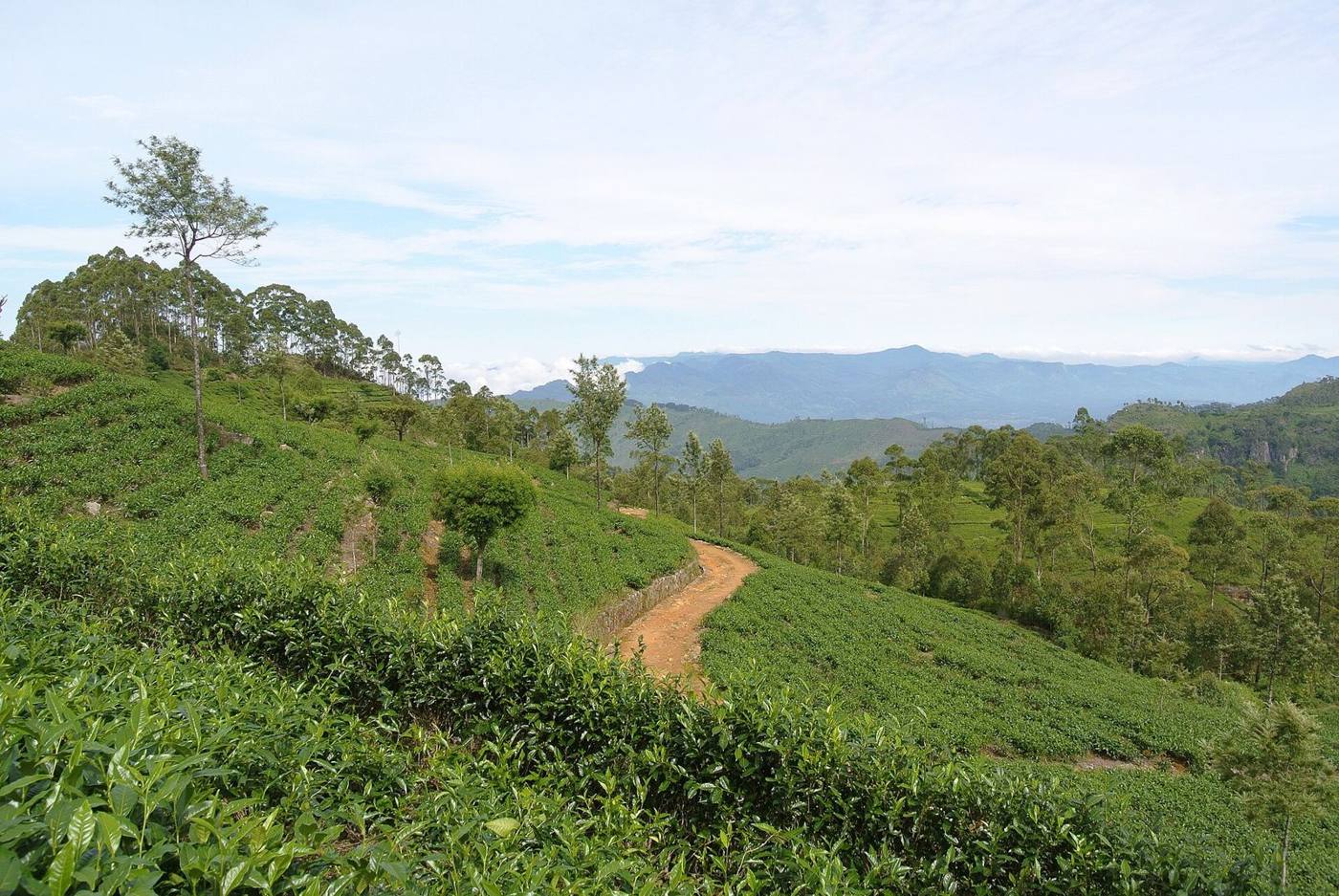
Tea estates and a winding track on the hills near Haputale

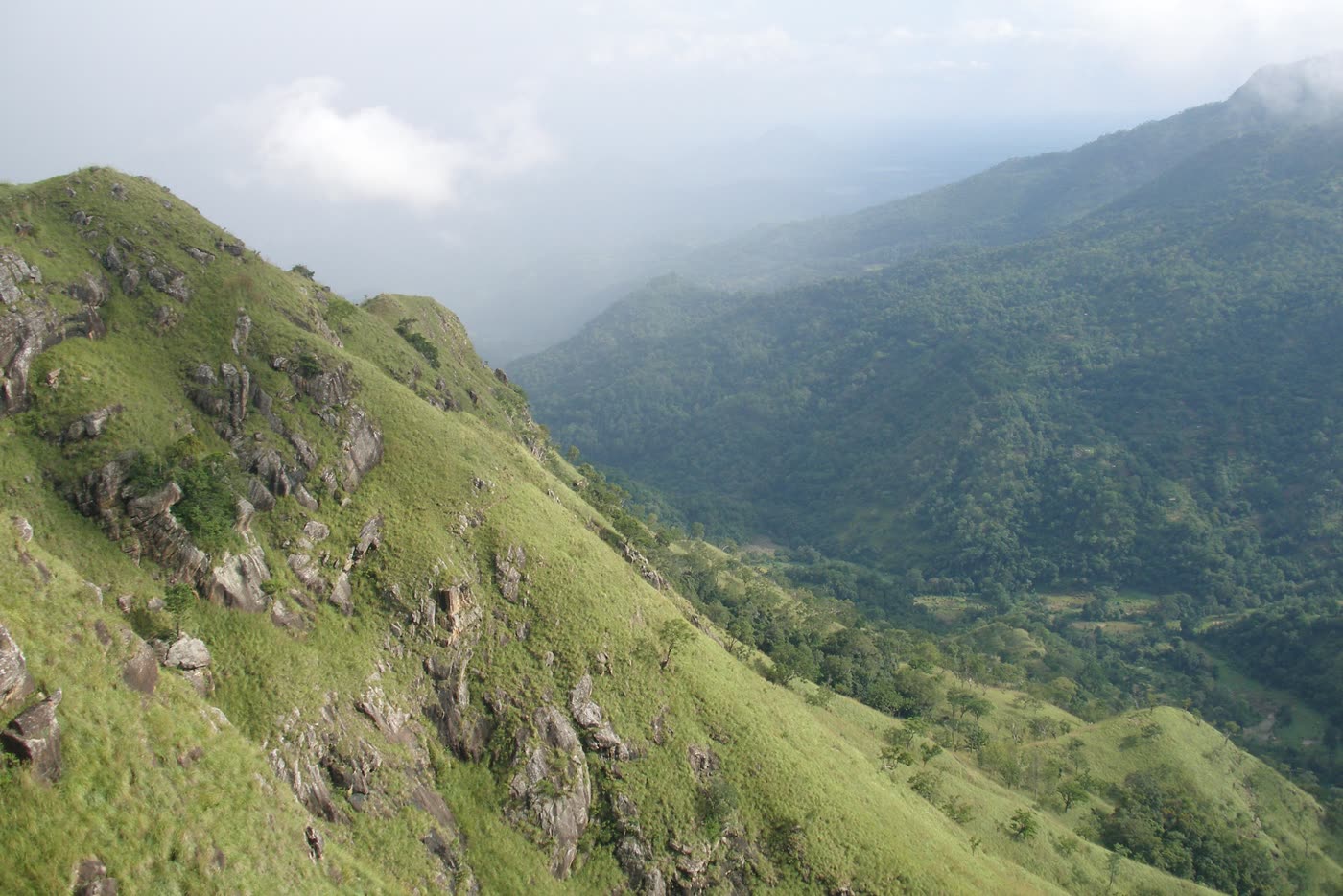
Haputale sits on a narrow ridge at about 1,400 metres, with the hill country on one side and the plains rolling away towards the south coast on the other. It is quieter than Ella, under an hour away, and the views are if anything even bigger.

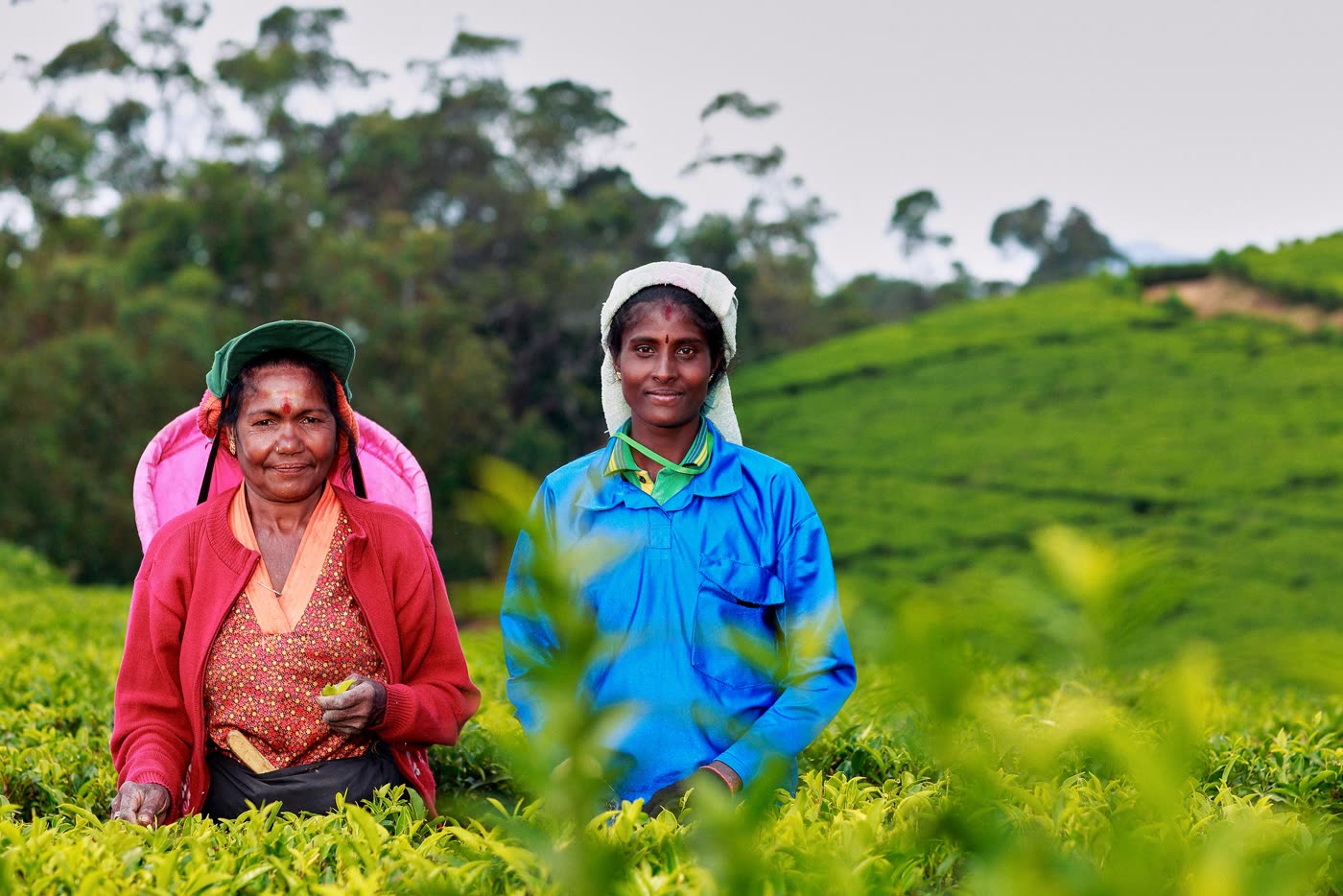
The reason to come is Lipton's Seat. Sir Thomas Lipton, the Glasgow grocer who made Ceylon tea a household name, is said to have sat here to look out over his estates. Go early: the road climbs through the Dambatenne tea estate, past pickers starting their day, to a viewpoint where on a clear morning the island falls away for miles. By mid-morning the mist usually rolls in.

When Clearest early in the morning, best January to March

Highlights

  • Sunrise at Lipton's Seat, before the mist closes in
  • The walk or tuk-tuk ride up through the Dambatenne estate
  • Dambatenne tea factory, built by Lipton in 1890
  • Adisham, an English-style country house in the hills
  • Easy to pair with Ella and Diyaluma Falls
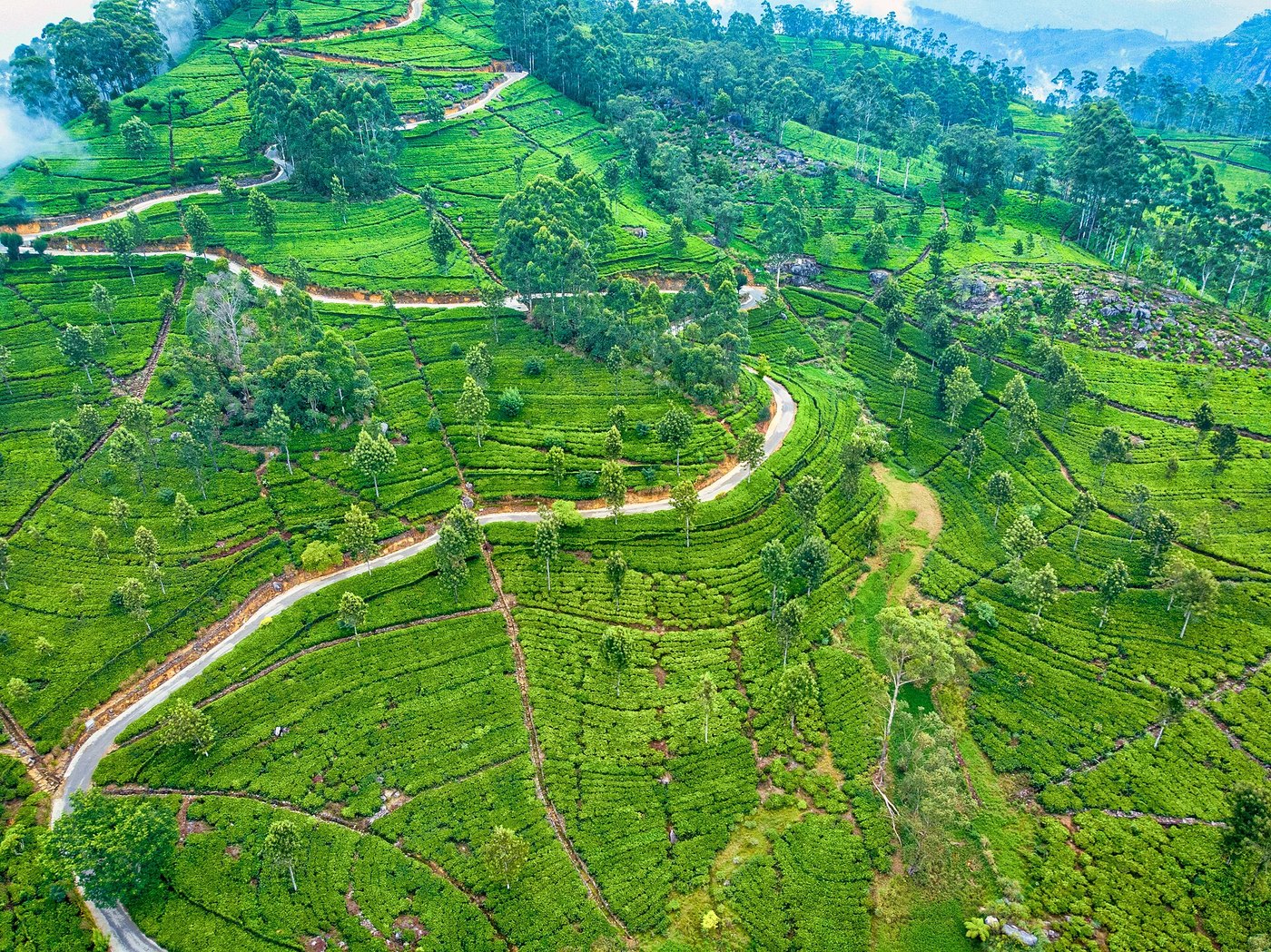
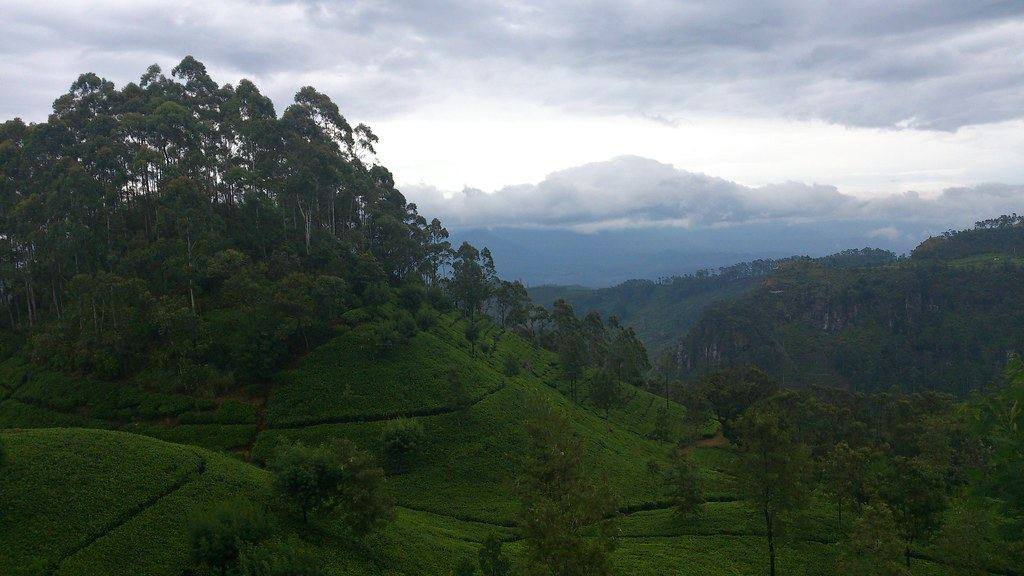
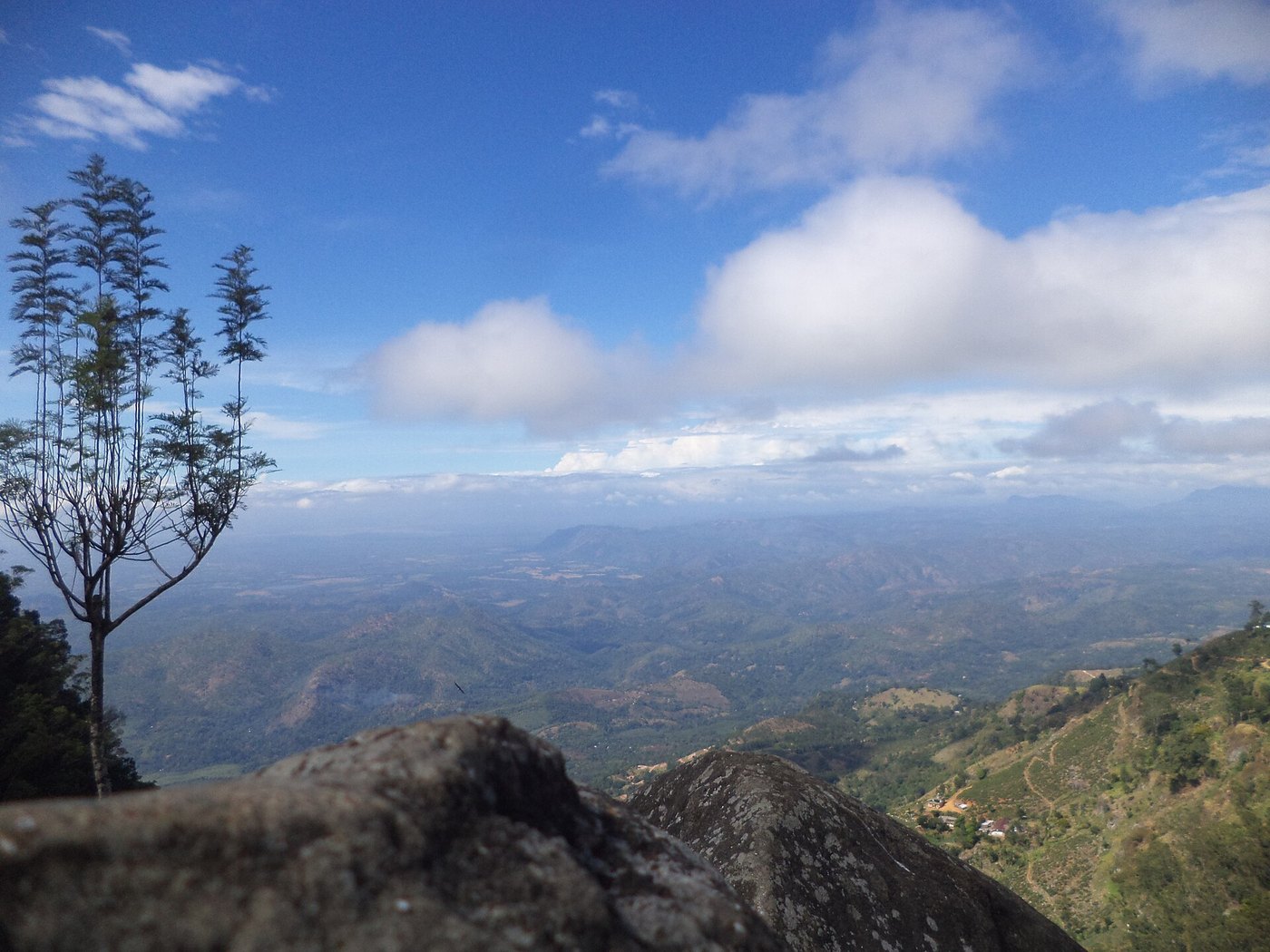
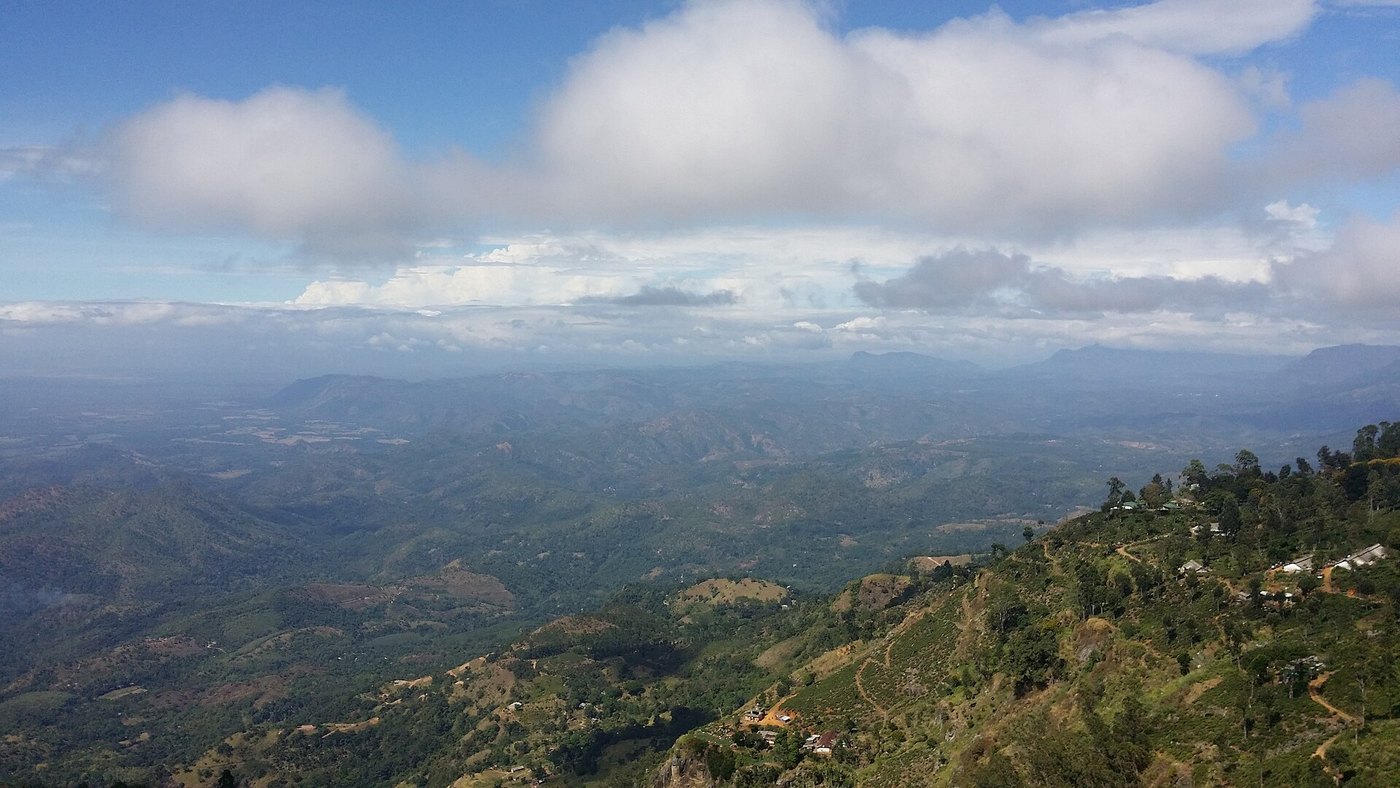
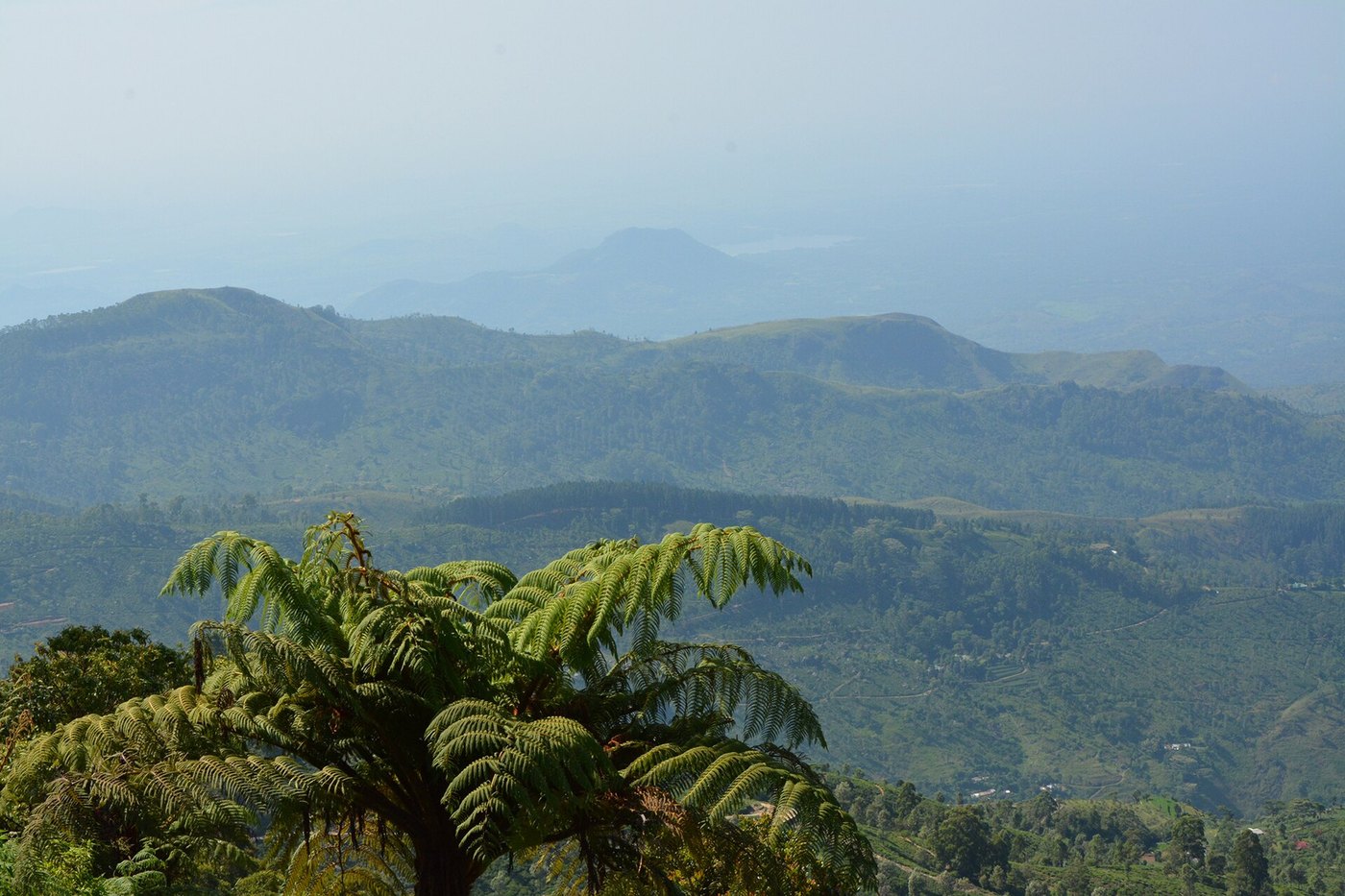
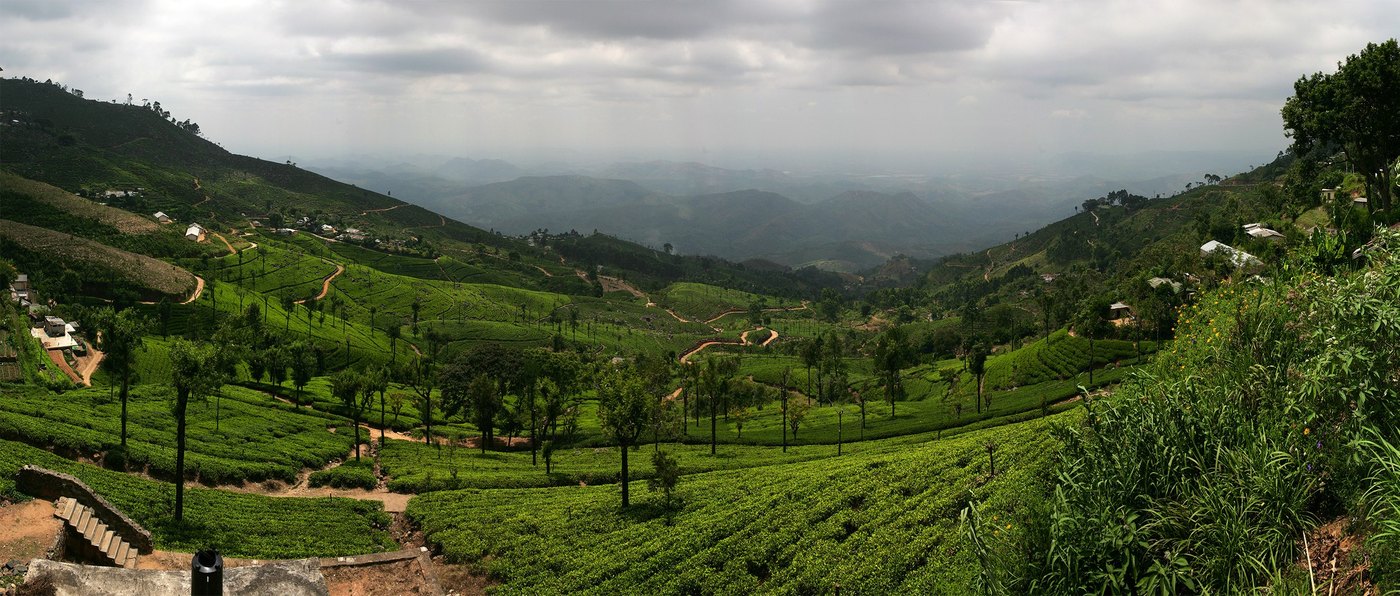
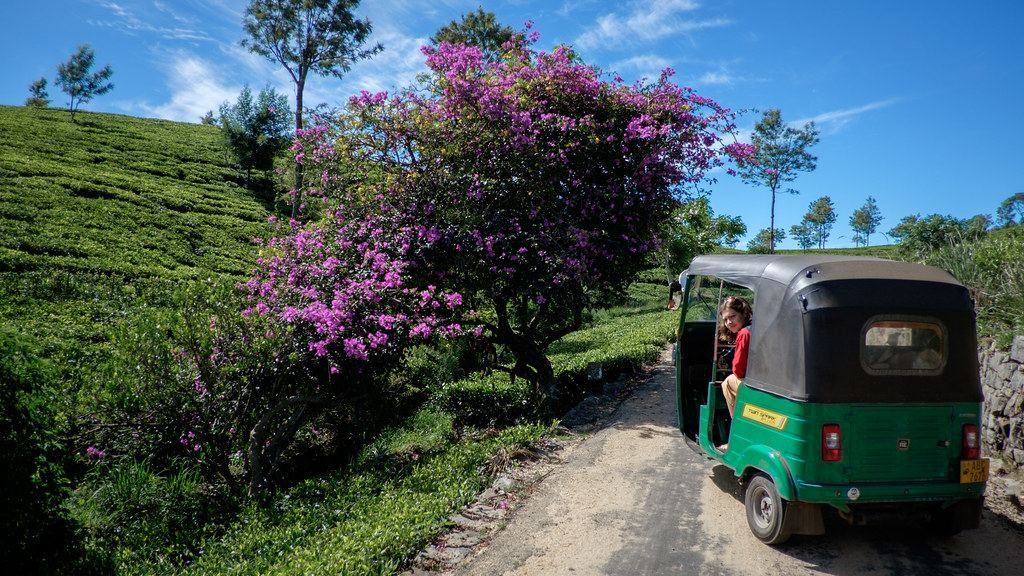
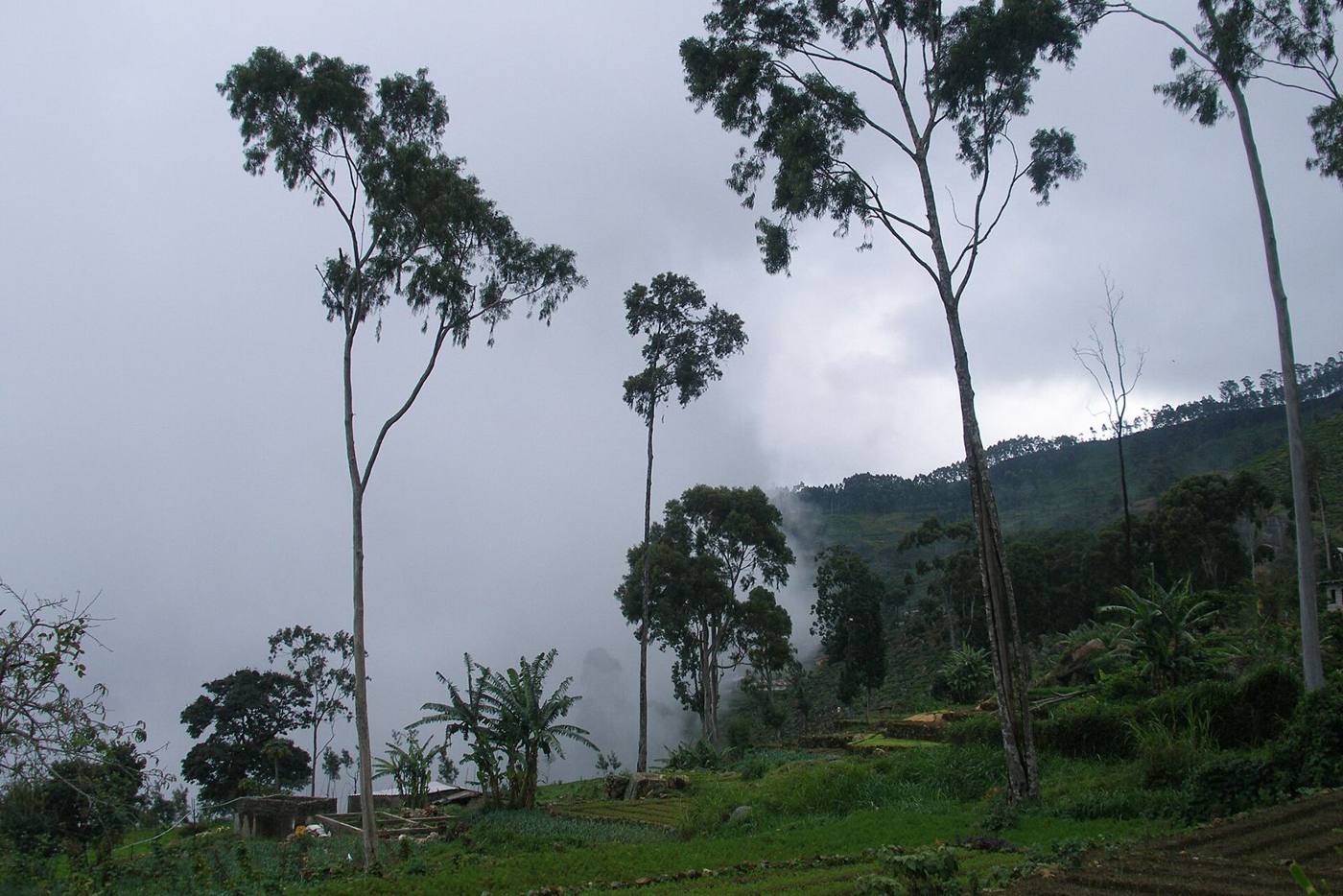
A narrow road winding up through bright green tea estates seen from above Tea-covered hills falling away towards distant plains Rocks on a ridge edge above hills stretching away to the plains under blue sky A wide view over forested hills and plains under white clouds A tree fern in the foreground with layers of hazy blue hills behind A valley of tea estates opening out below the Haputale pass A tuk-tuk on a narrow estate road beside a flowering tree A single railway track curving through forest and tall grass A tall waterfall dropping down a sheer rock face under a blue sky Smooth rocks and rushing water at the top of the falls with forested hills beyond Tall trees standing in tea bushes as cloud rolls in Rows of tea covering a hillside

Galle & the south

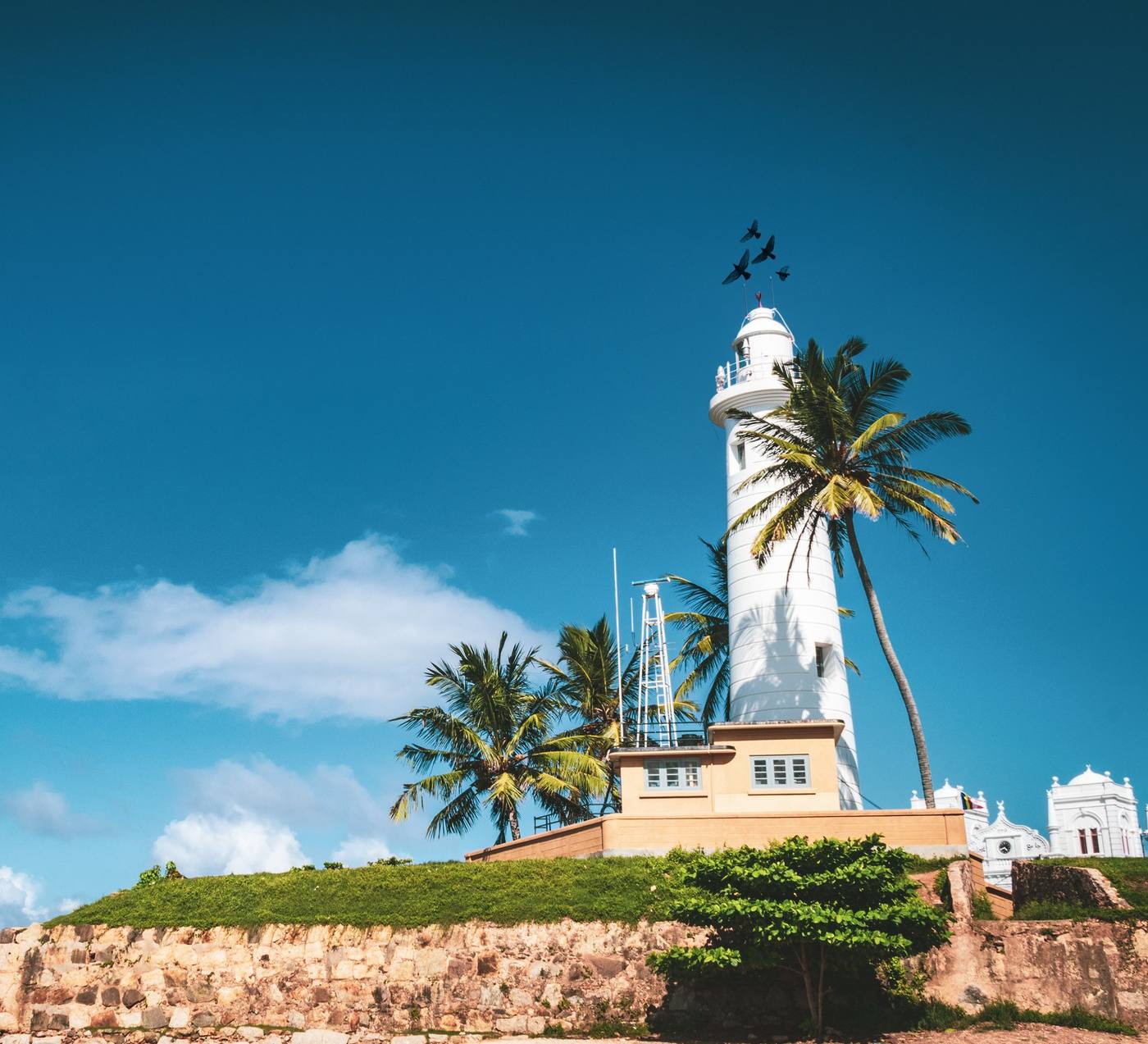
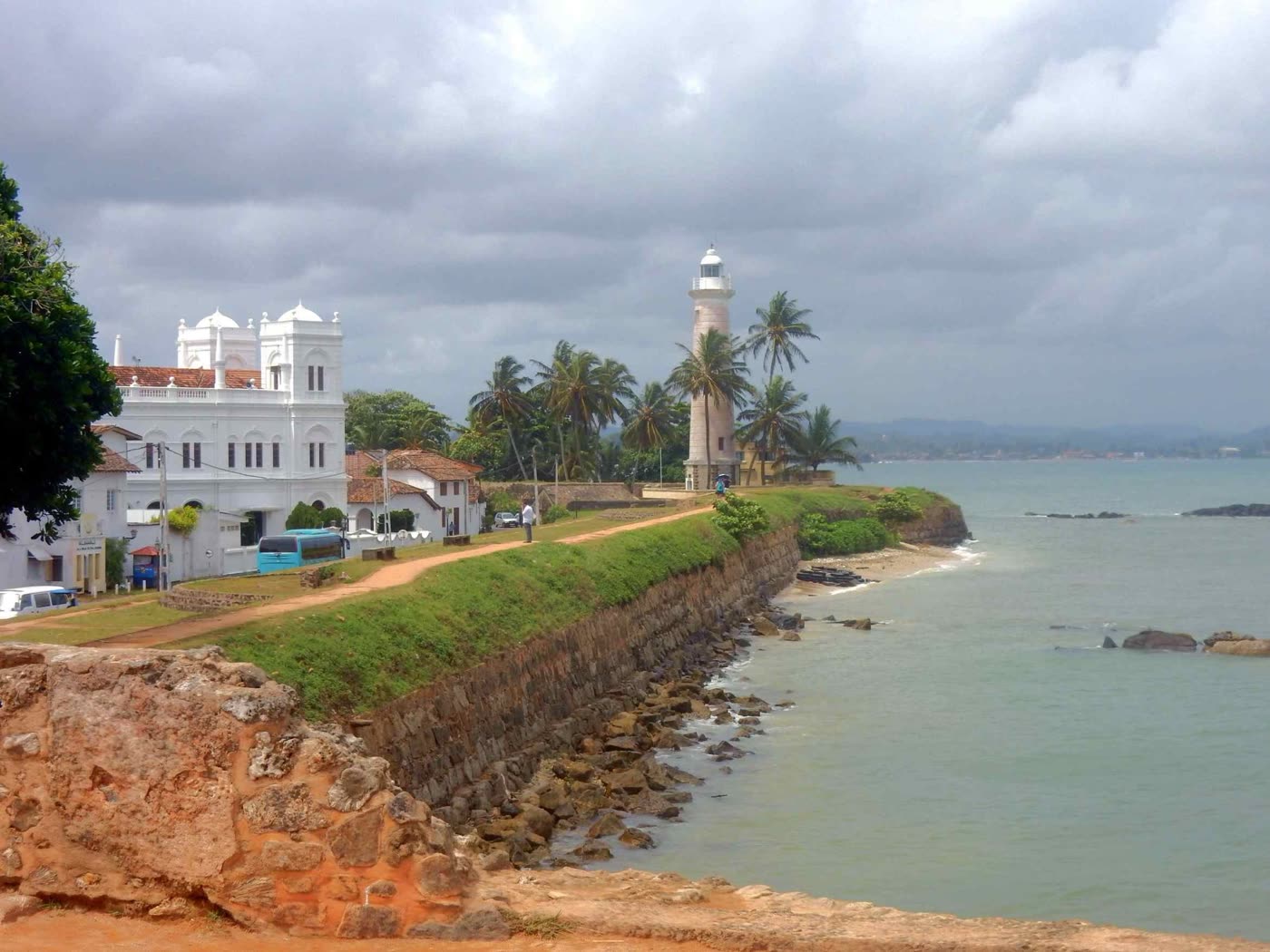
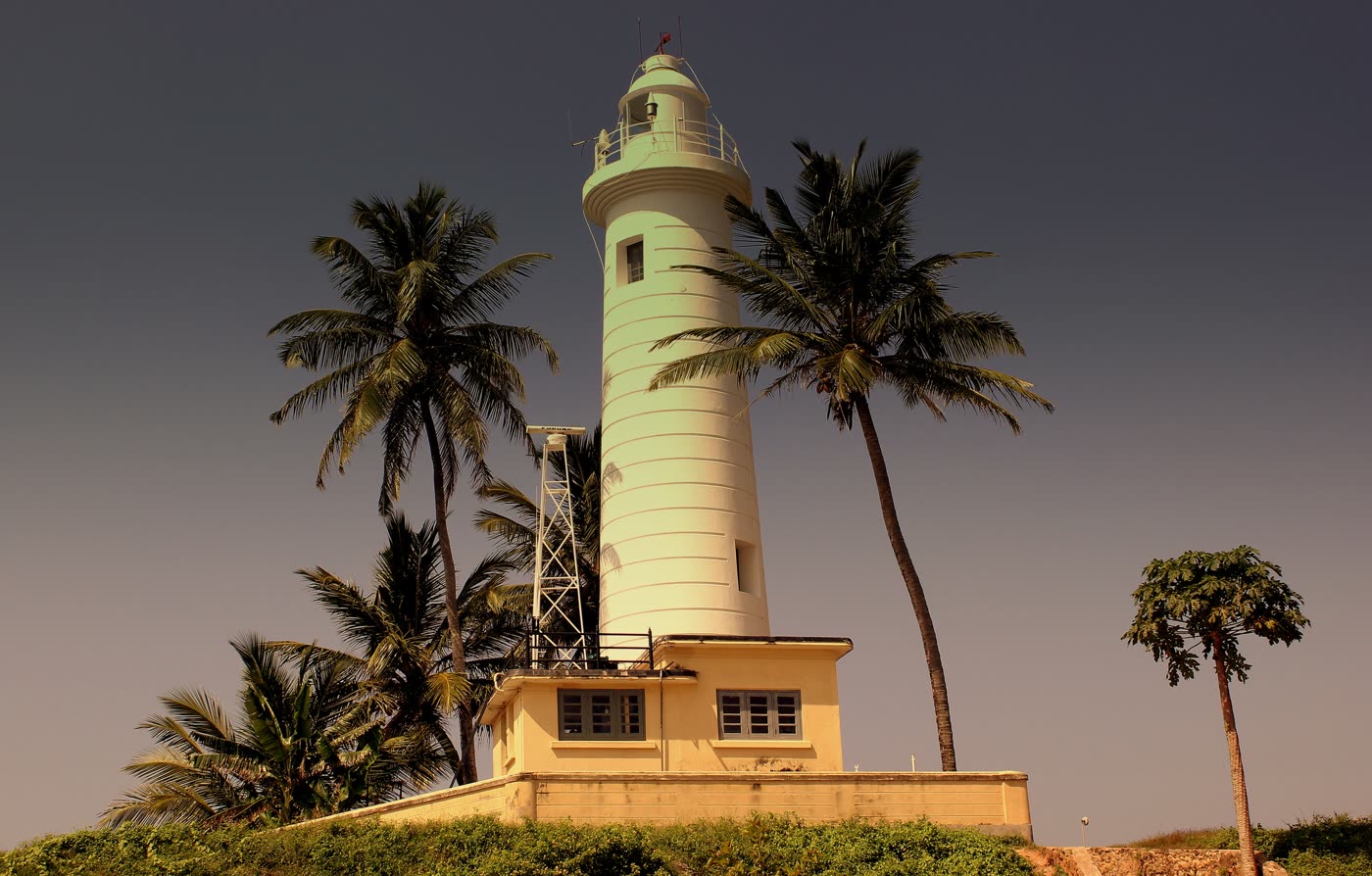
The white Galle Lighthouse above the fort walls under a blue sky

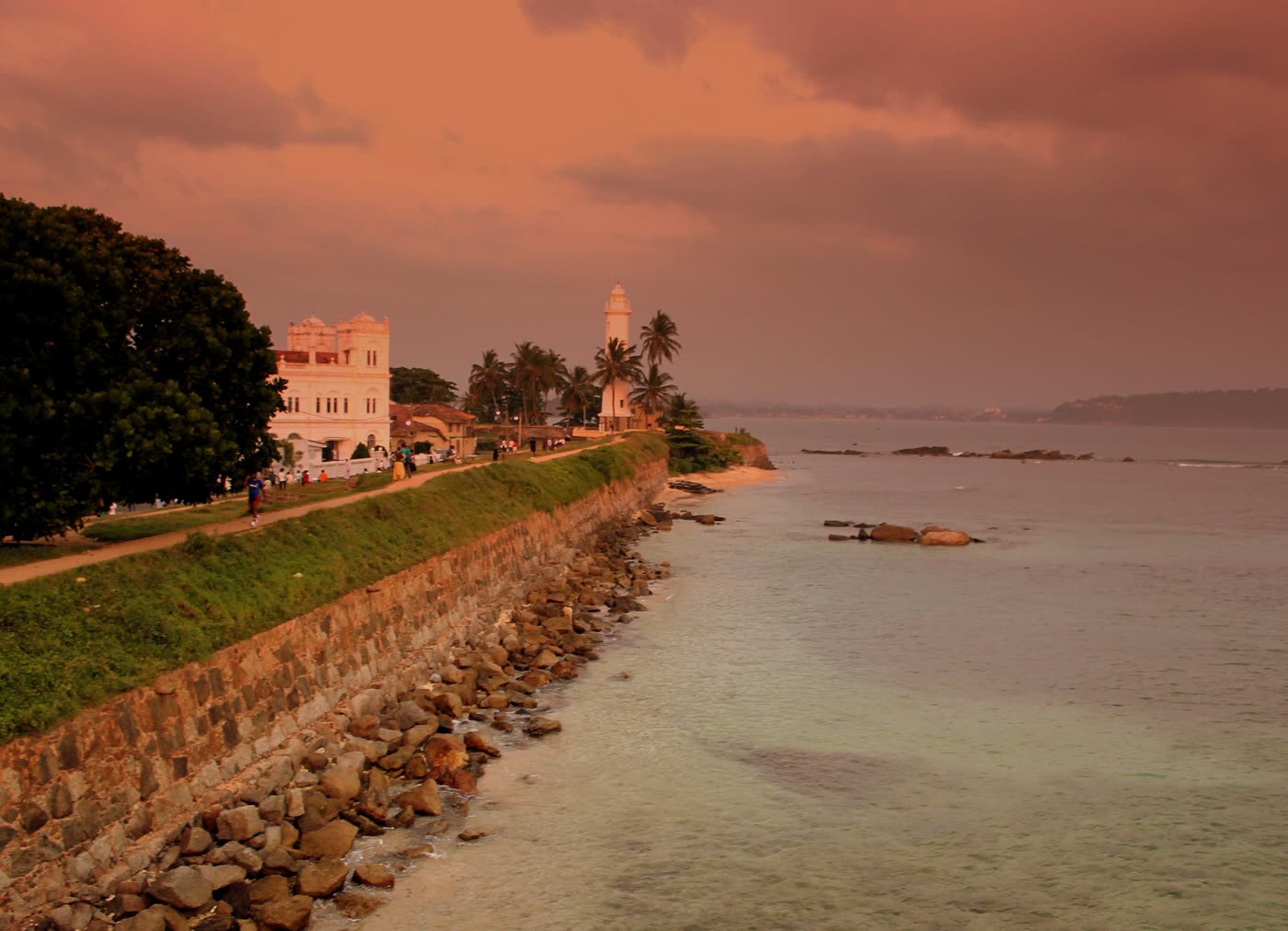
Galle Fort is a walled Dutch town on a promontory, its ramparts wide enough to walk at sunset, its grid of streets now full of cafes, boutiques and small museums inside 300 year old merchant houses. It anchors the south coast, the island's easy introduction: short transfers, warm calm sea from December to April, and a string of beach towns each with its own character.

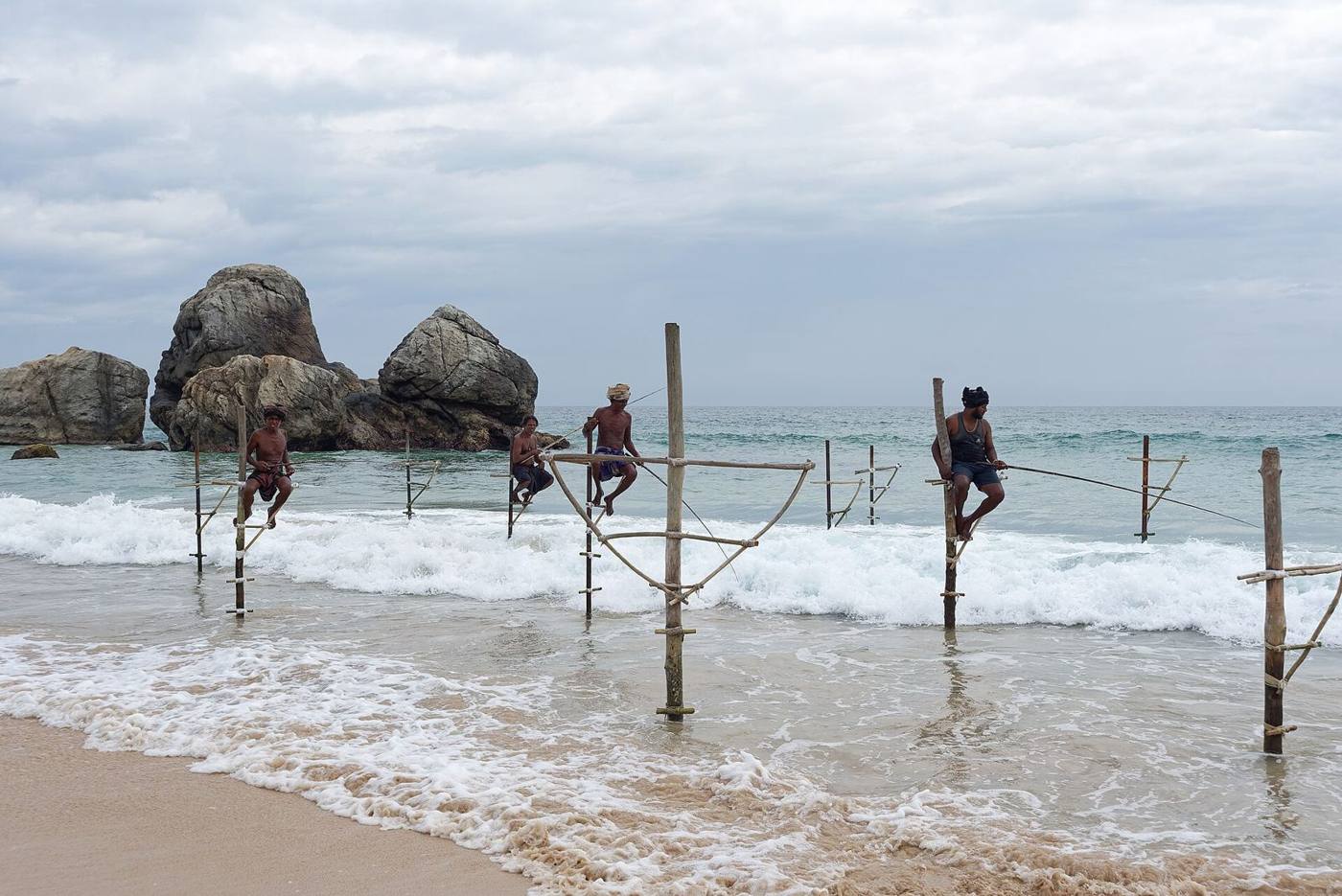
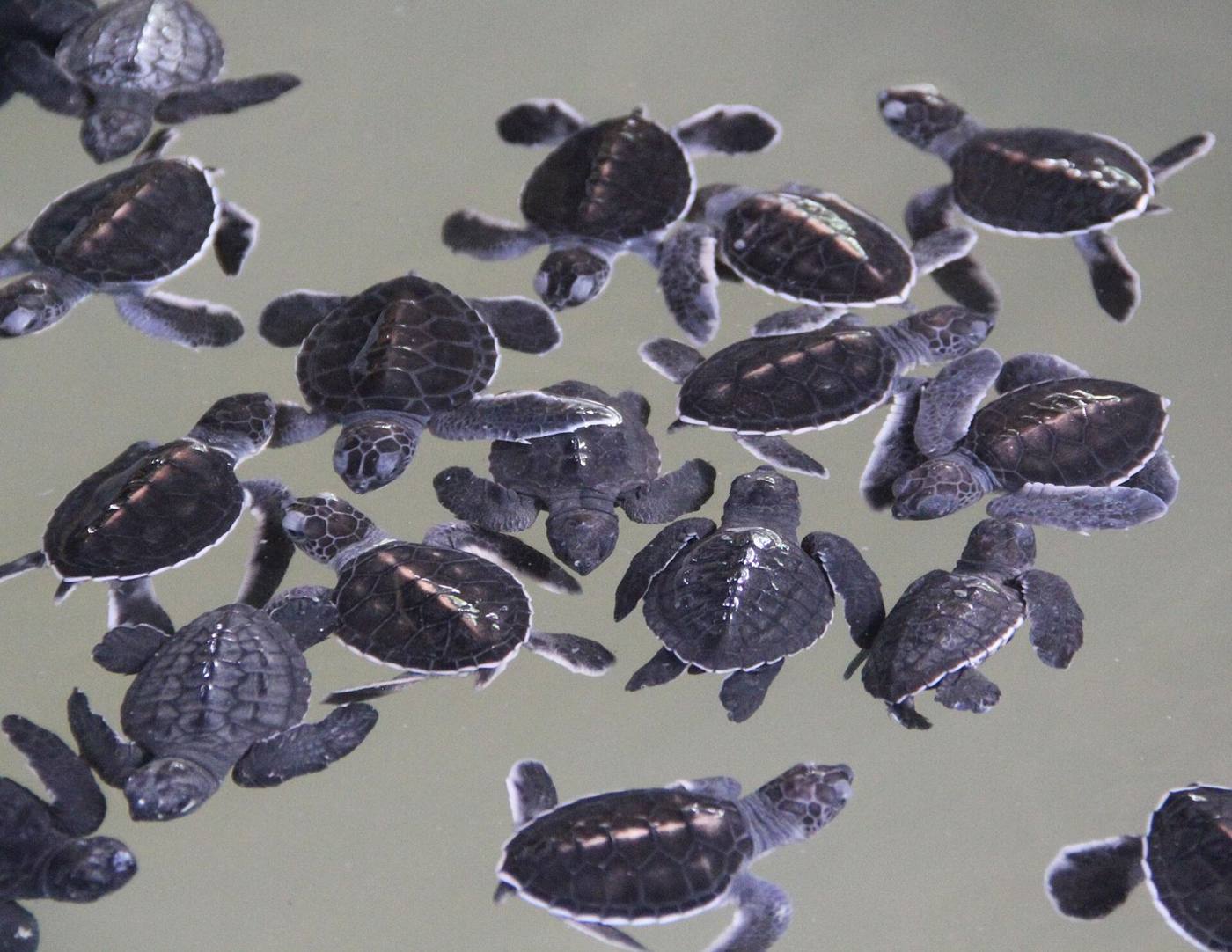
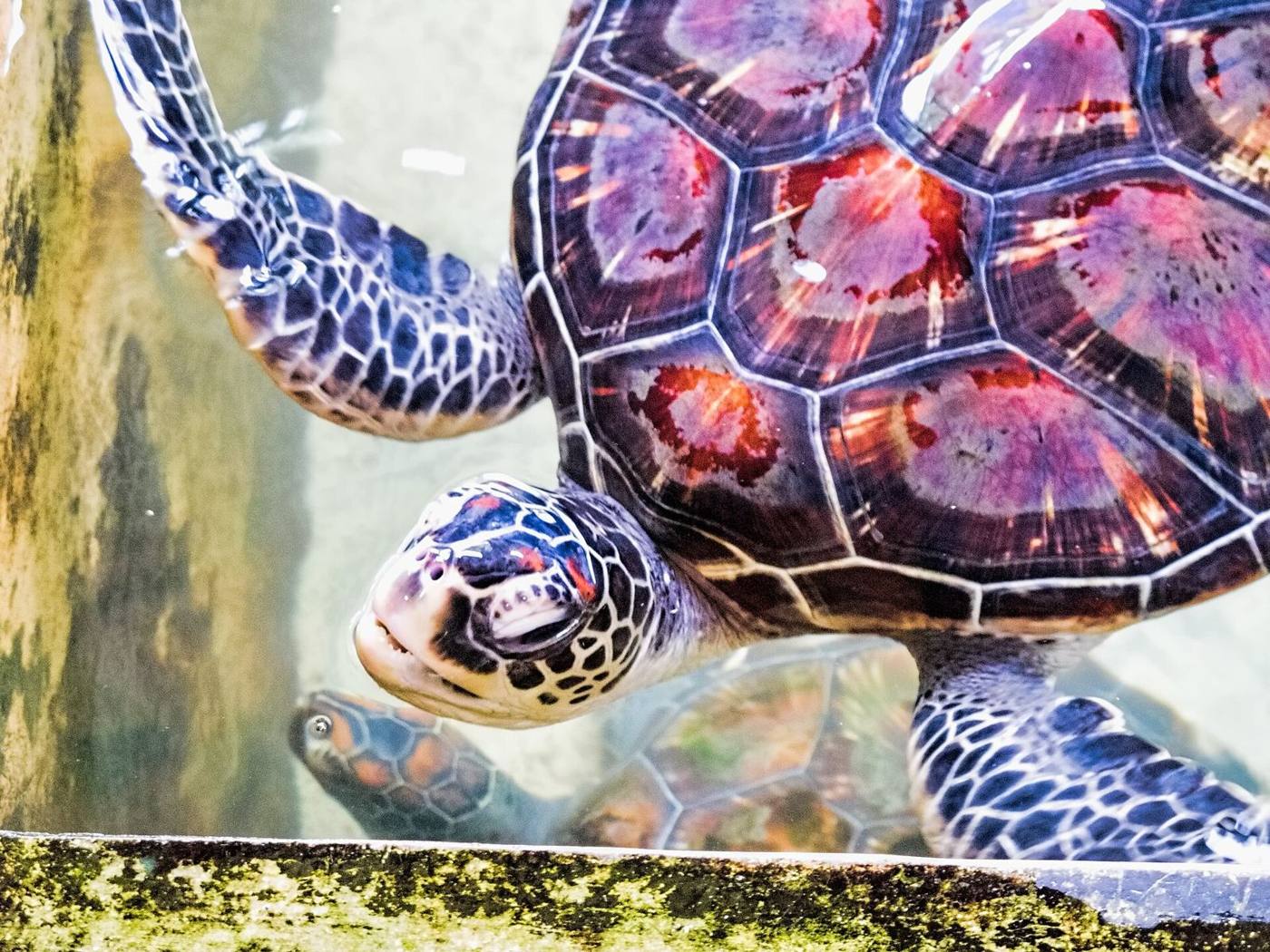
Along the coast road towards Koggala you will see the stilt fishermen, perched on poles above the surf. Turtle hatcheries around Habaraduwa and Kosgoda collect eggs from vulnerable nests and release the hatchlings to the sea. Standards vary, so we choose ones run as genuine conservation projects. And for surfers, the breaks from Hikkaduwa down to Weligama are an easy drive away.

When December to April

Highlights

  • The full circuit of the ramparts at golden hour
  • The Maritime Museum, the old churches and the working lighthouse
  • Stilt fishermen along the Koggala coast
  • A turtle conservation hatchery, and a hatchling release if timing allows
  • Surf lessons and breaks from Hikkaduwa to Weligama
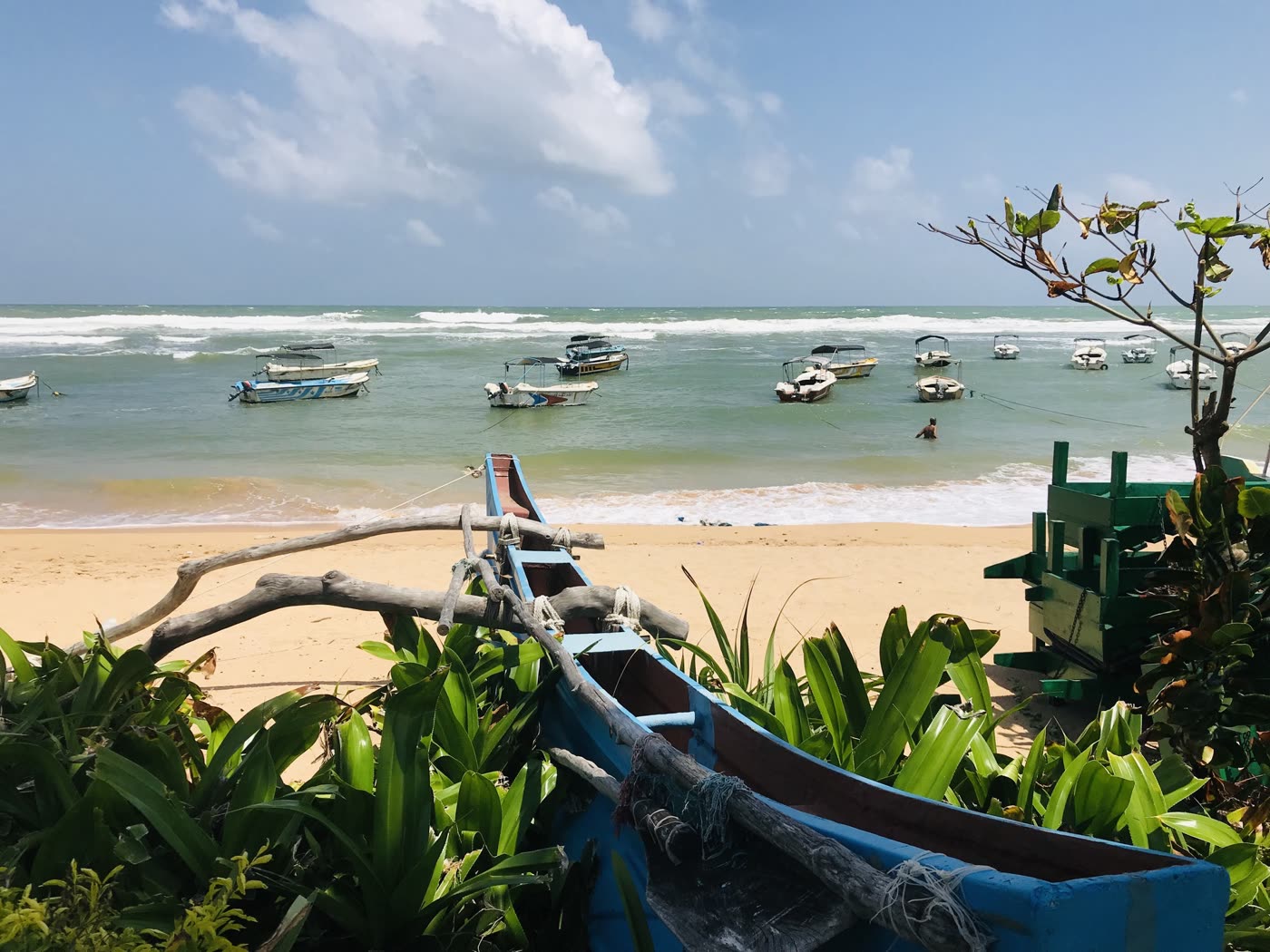
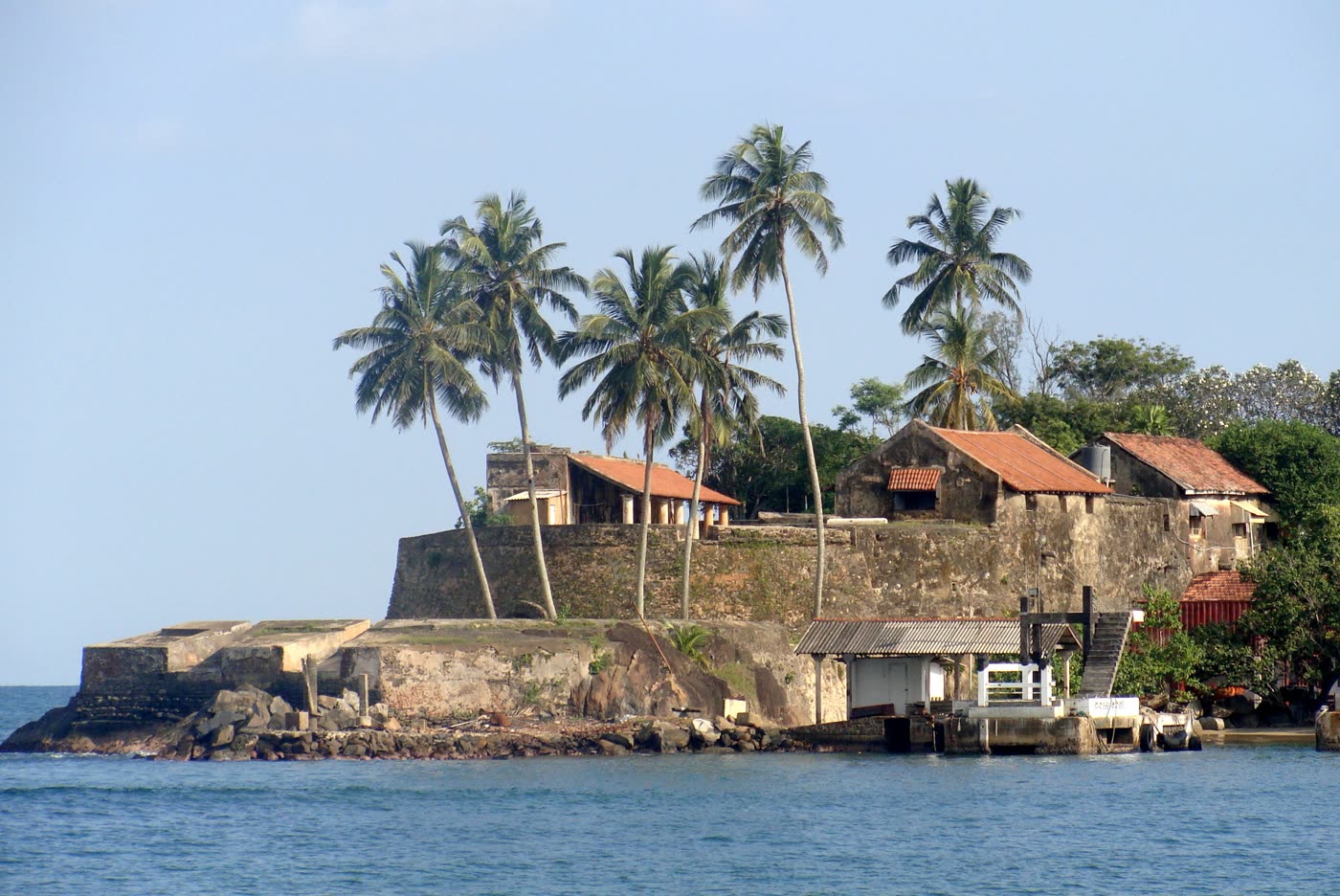
Fishermen sitting on wooden stilts in the surf Dozens of baby turtles in a shallow tank A sea turtle swimming in clear water Boats and surf at Hikkaduwa beach The fort walls and lighthouse at sunset The Zwart Bastion with palms The lighthouse and old buildings at the fort's edge Galle Fort lighthouse framed by palms

Mirissa

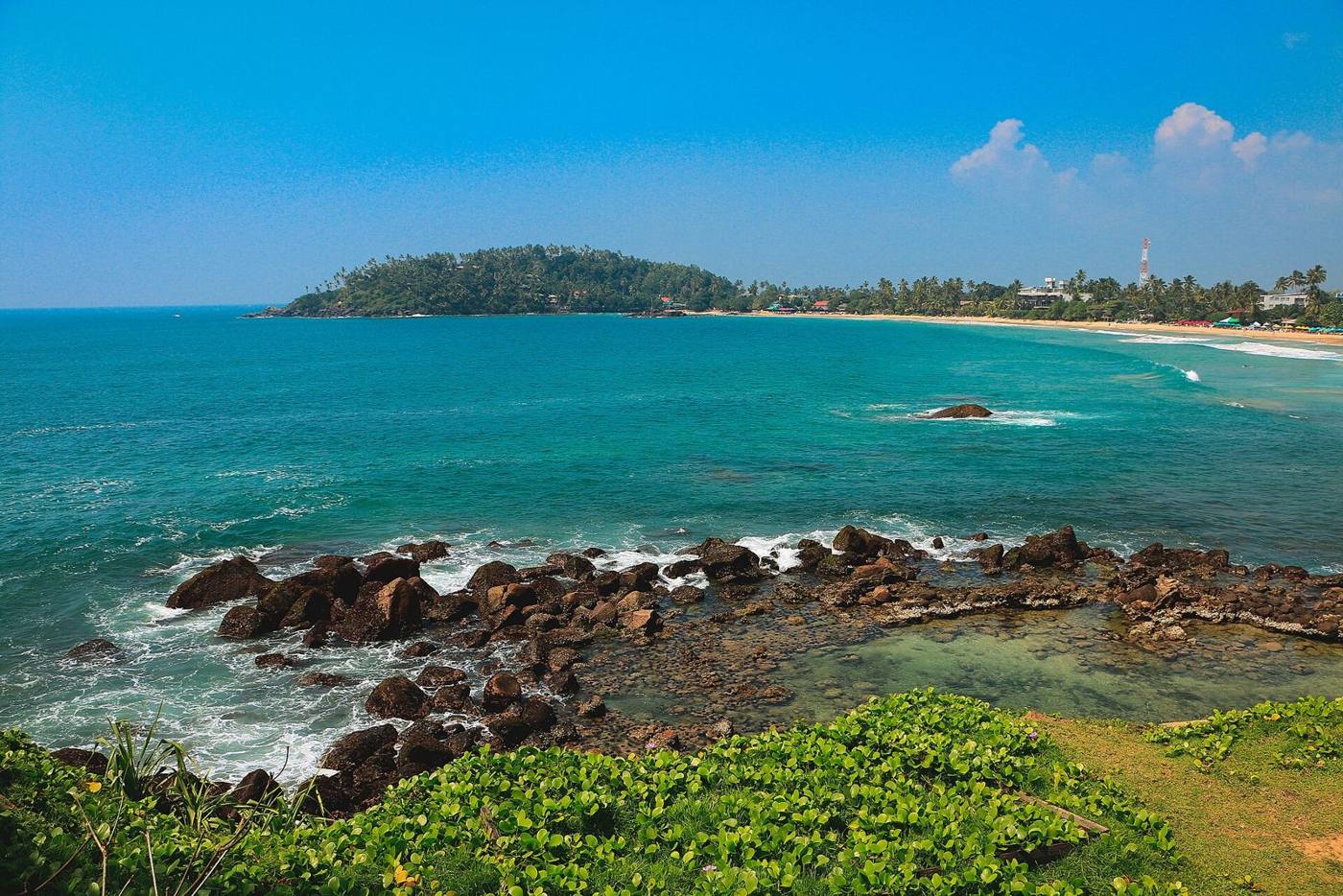
Turquoise water and rocks at Mirissa with the bay behind

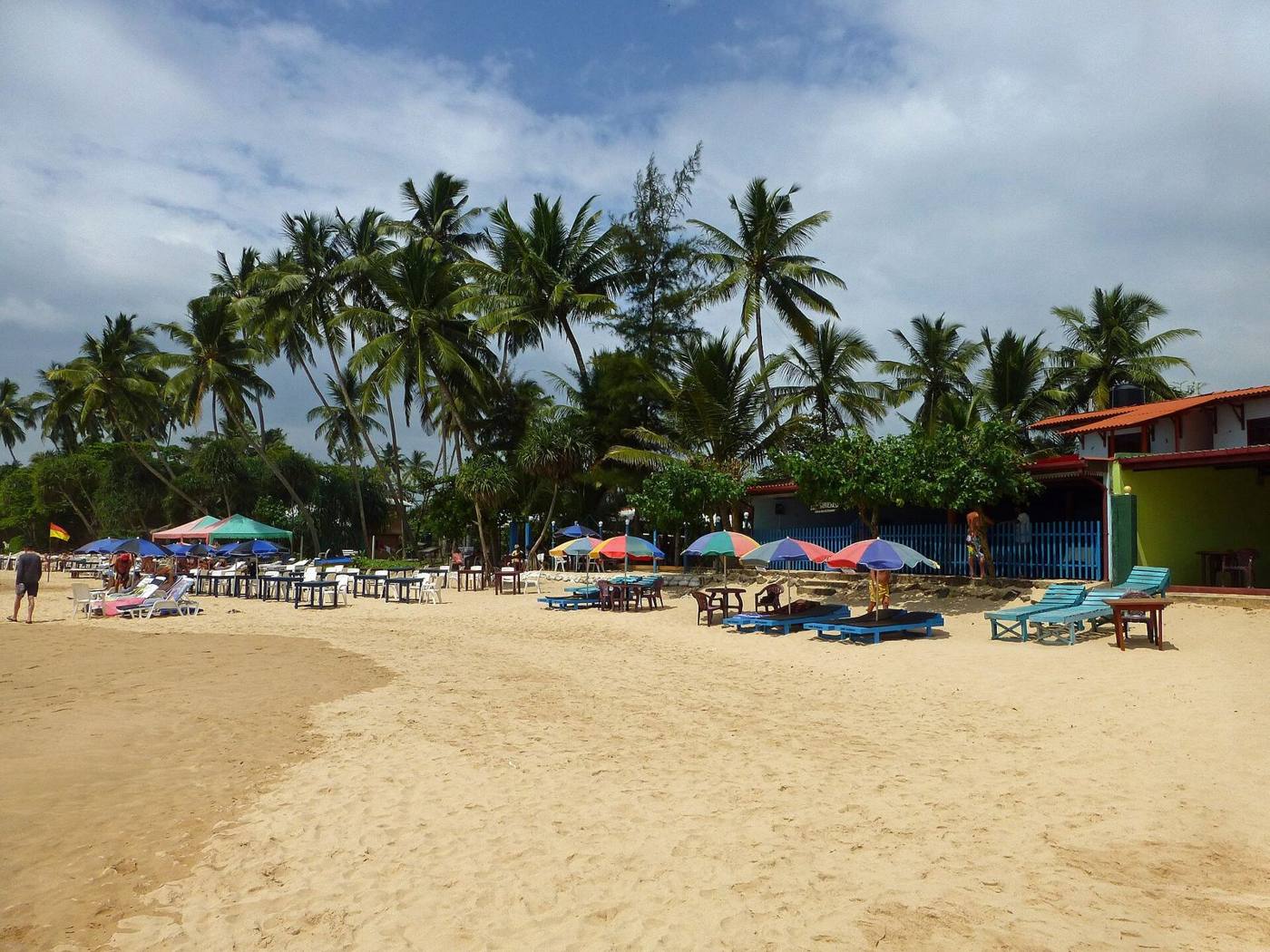
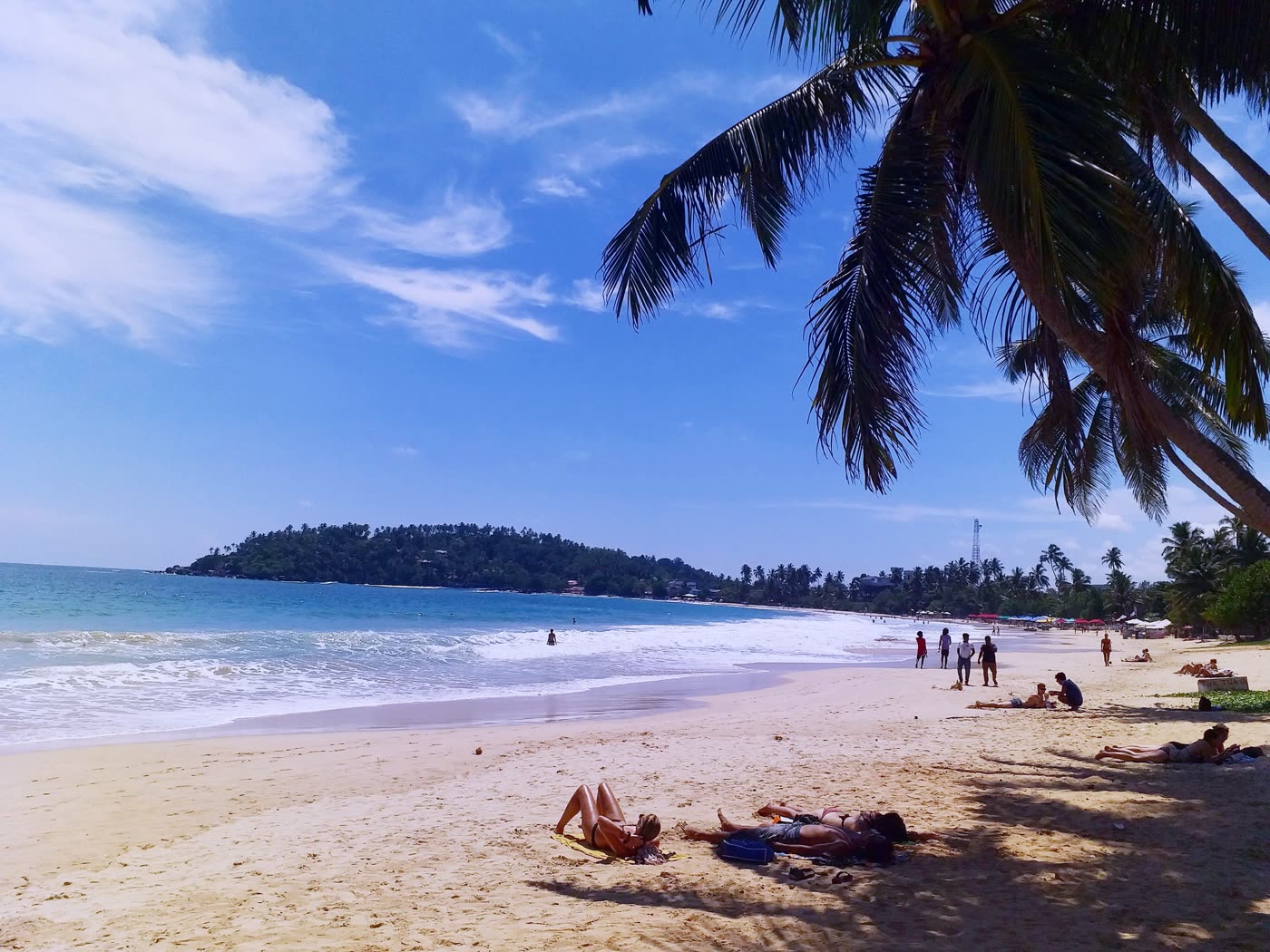
Mirissa is the south coast at its most relaxed: a curve of soft sand, palms leaning over the water, and a line of beach restaurants that set tables on the sand each evening with the day's catch laid out on ice. It is also the island's main base for whale watching from November to April.

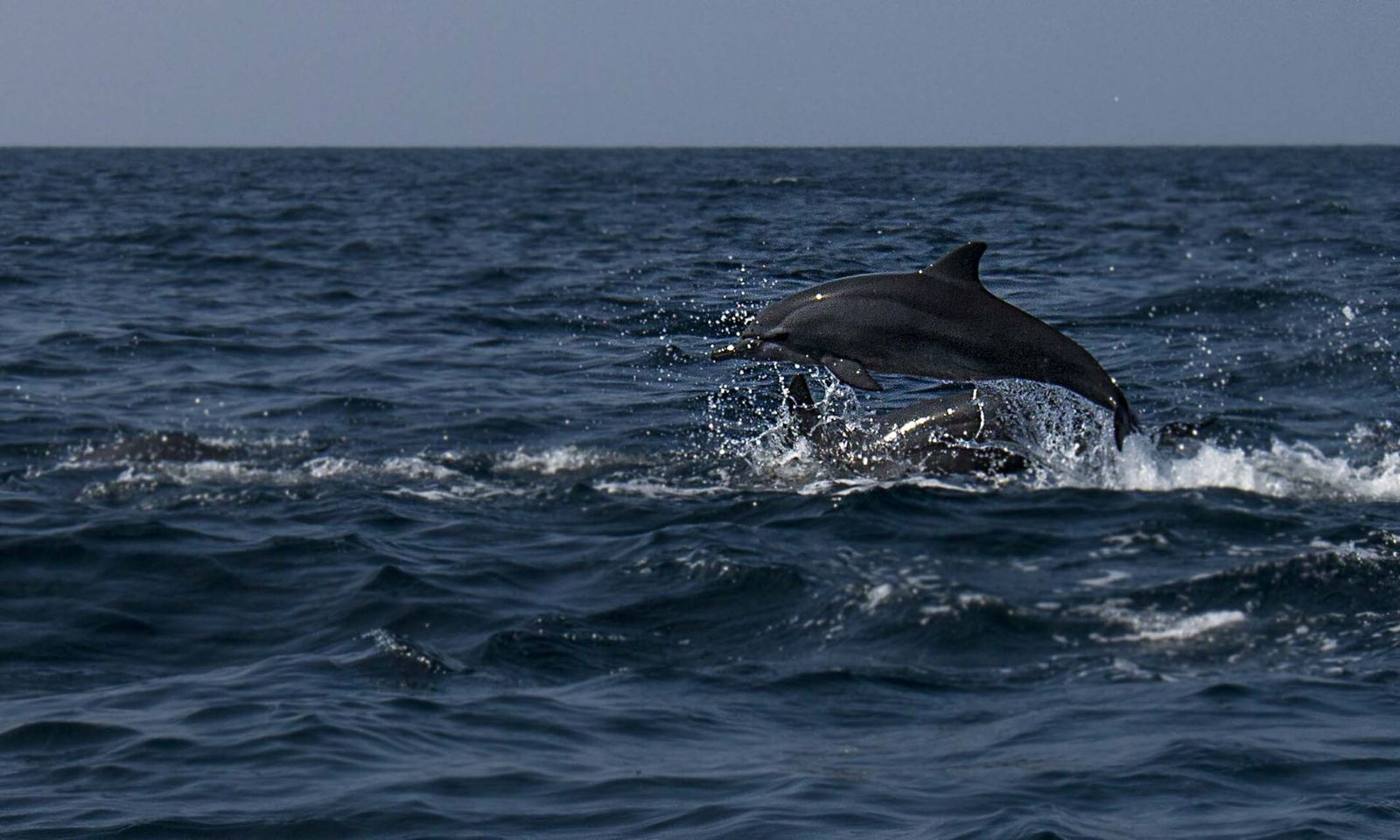
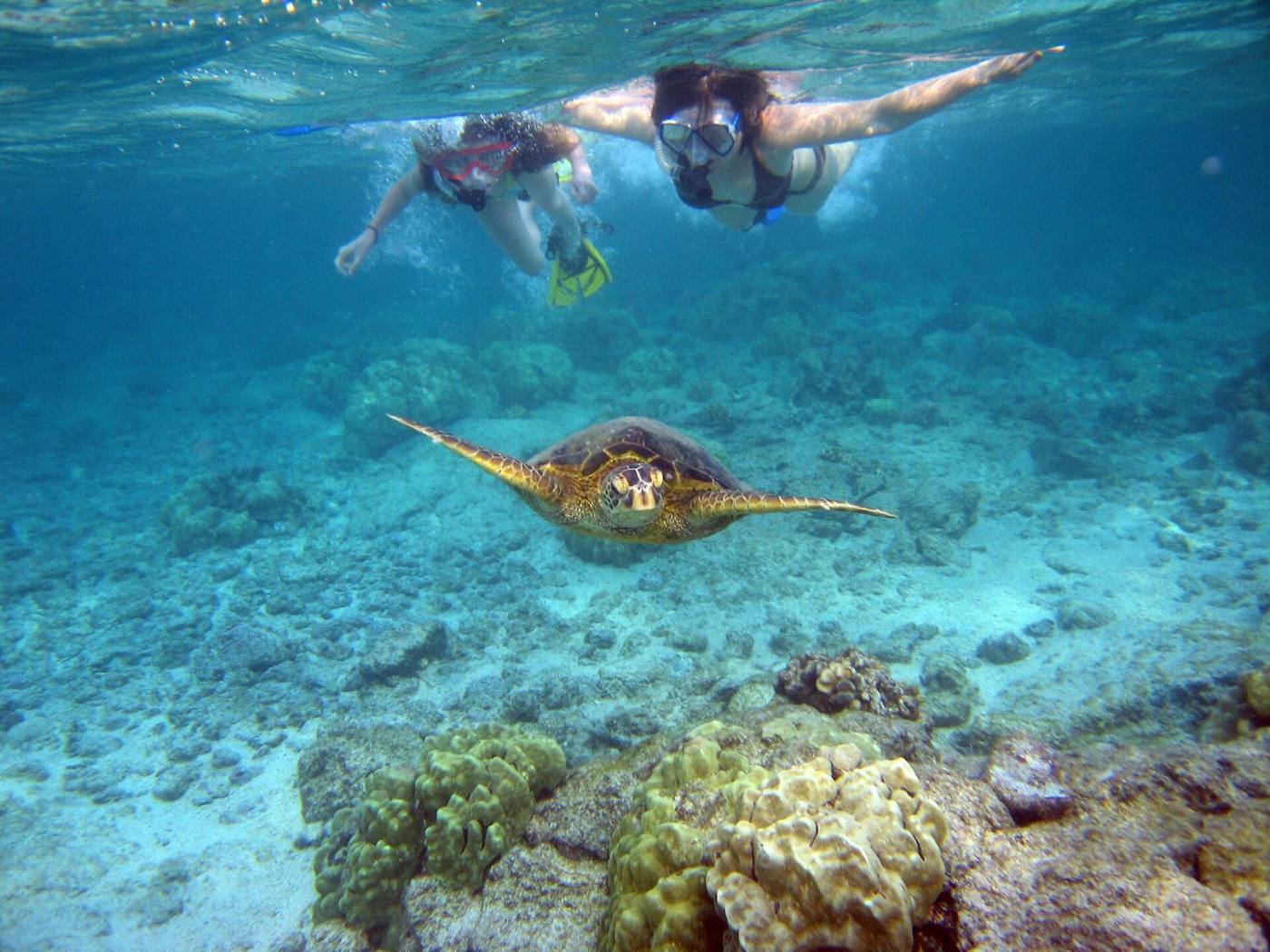
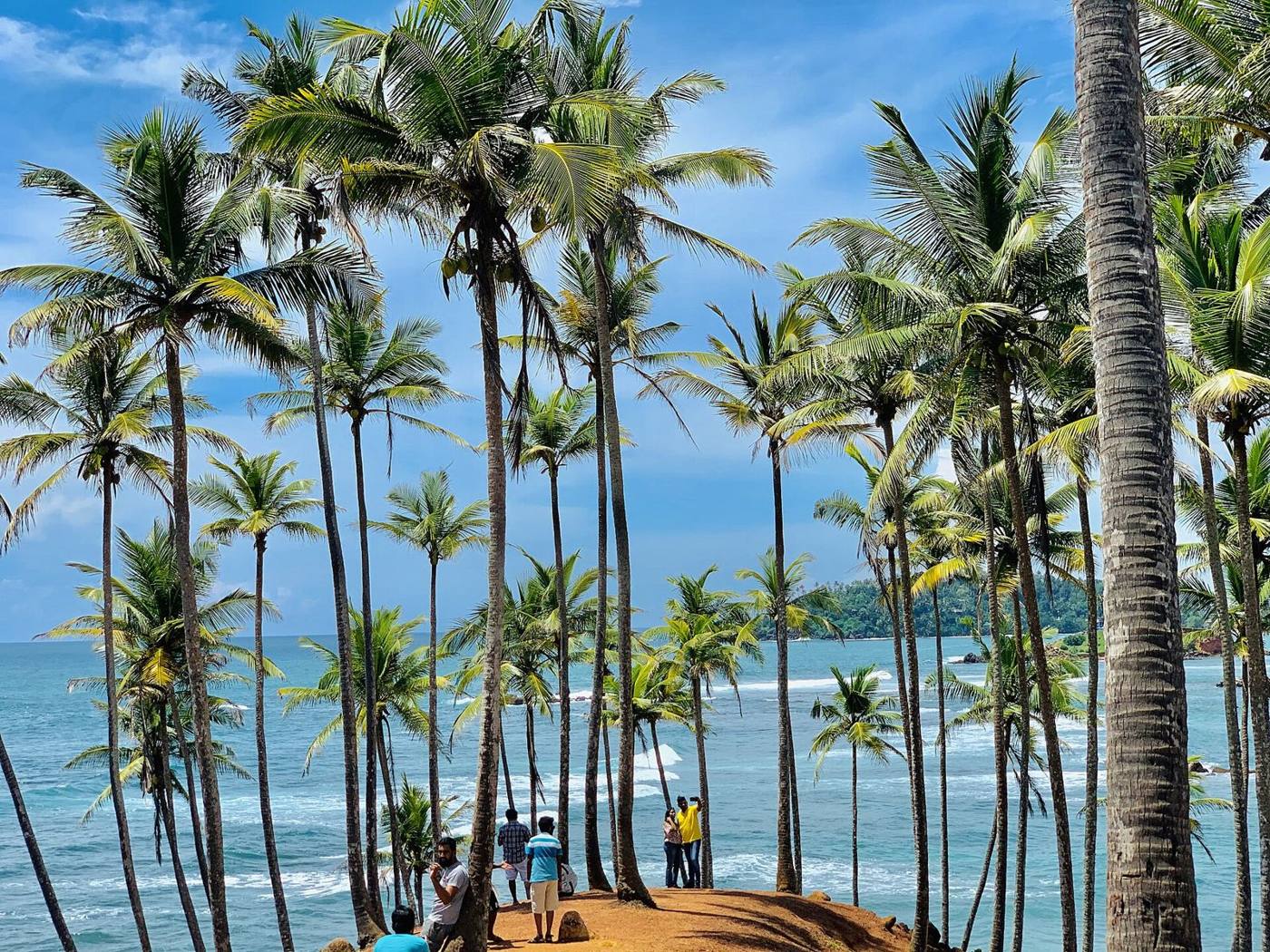
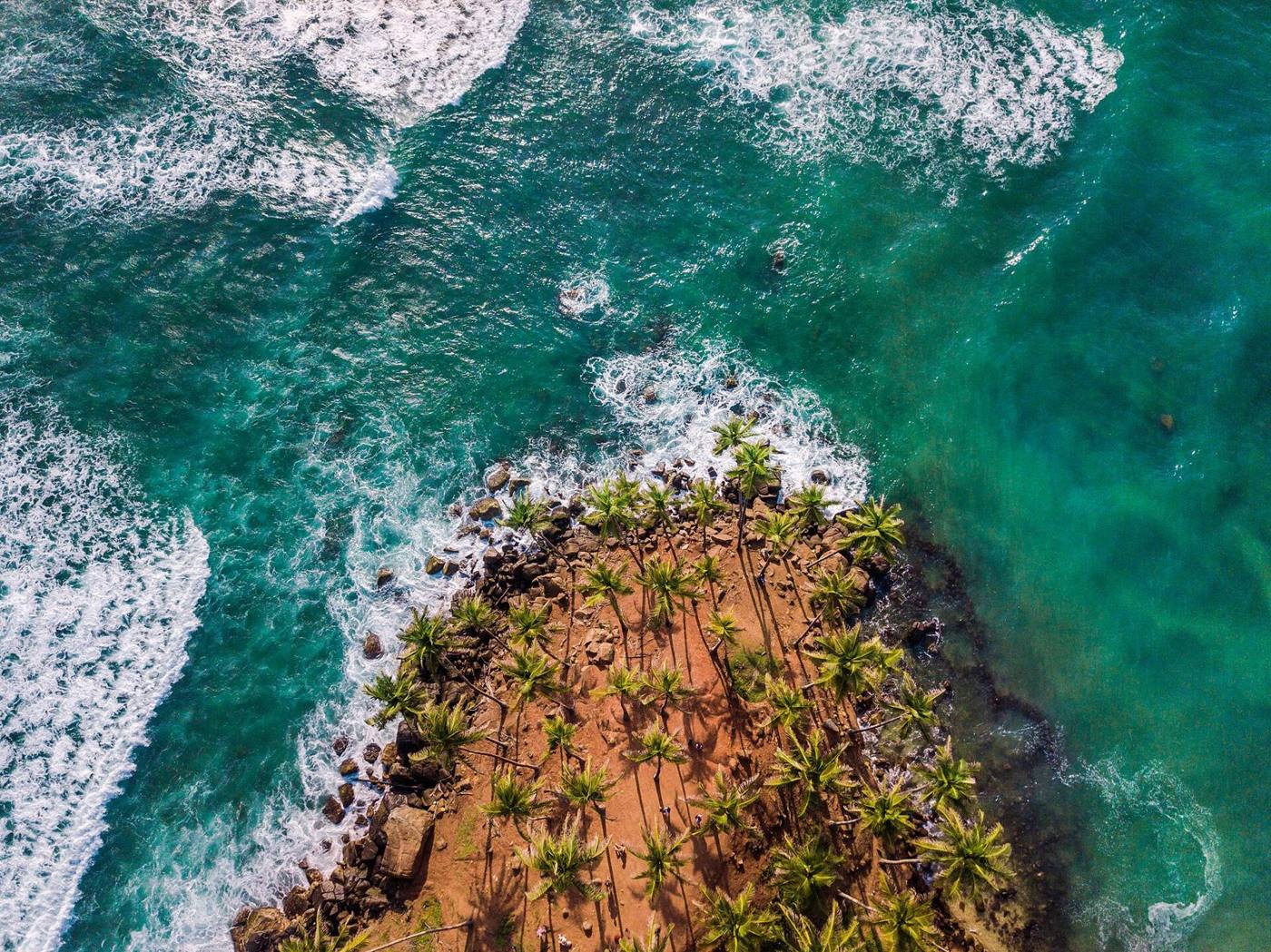
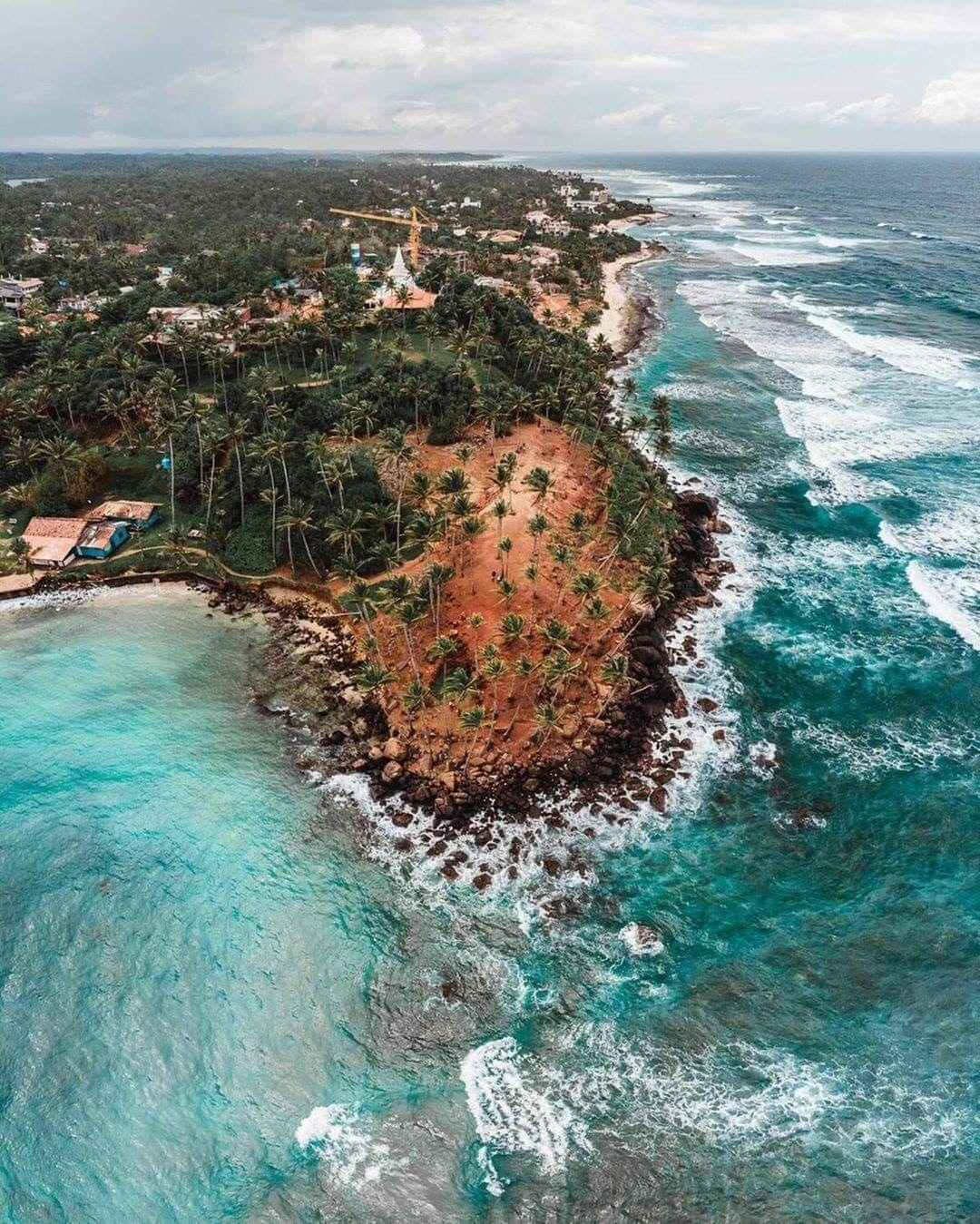
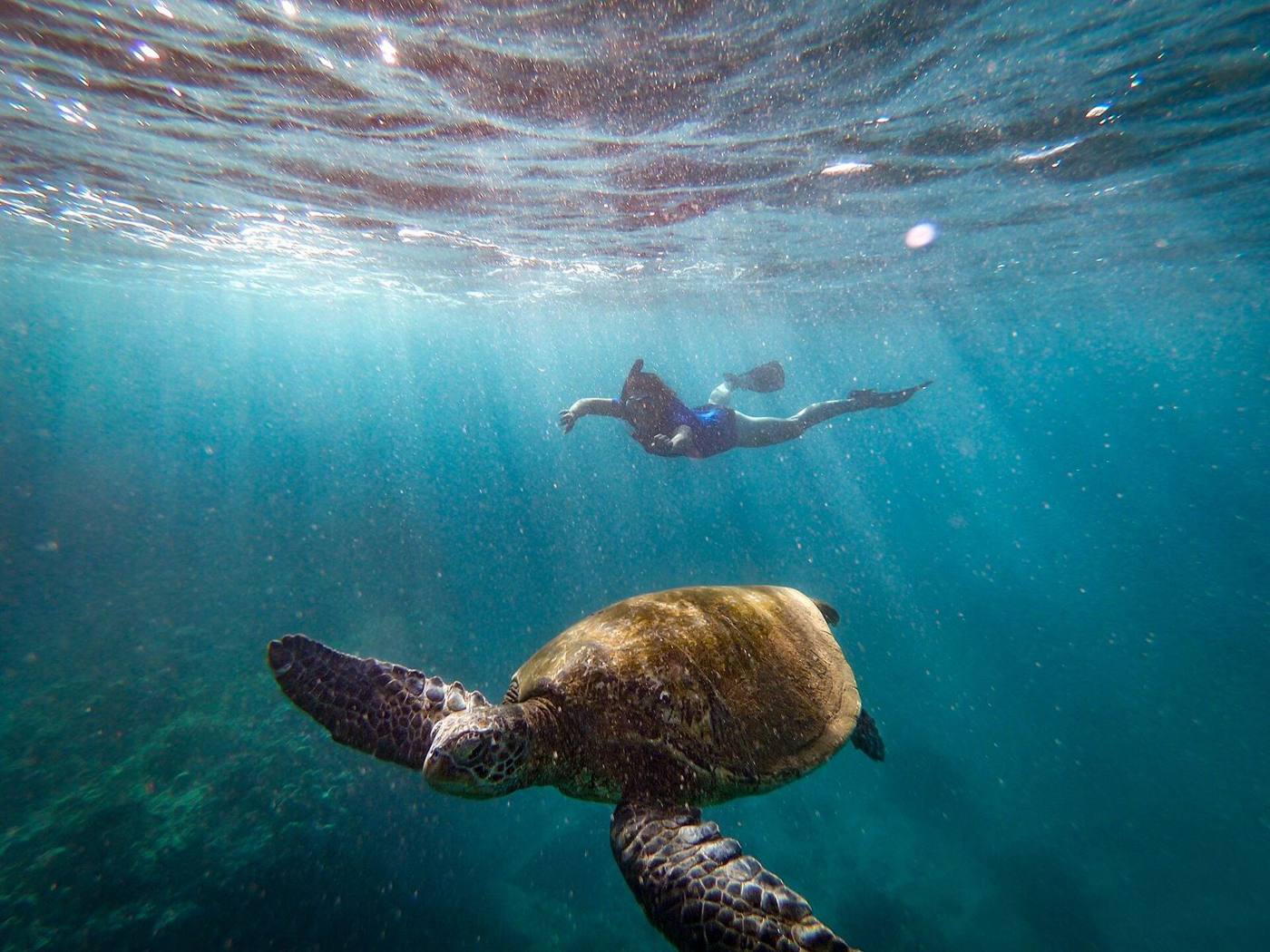
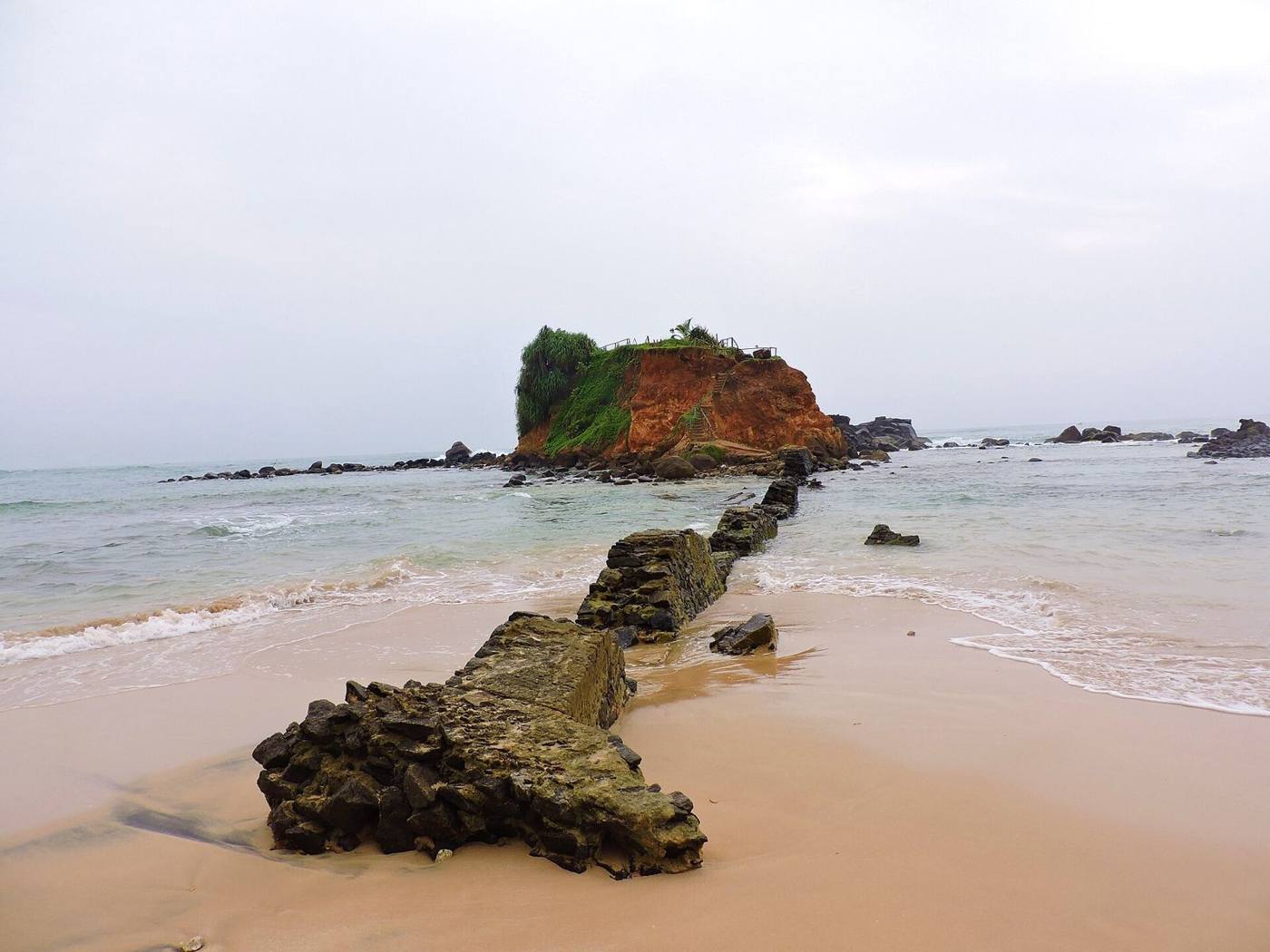
Boats heading out for whales often meet big pods of spinner dolphins on the way. Closer in, green turtles feed over the reef, and calm mornings are good for snorkelling alongside them, keeping a respectful distance. Climb Parrot Rock at the end of the beach at low tide for the view back along the bay, then walk round to Coconut Tree Hill, a headland of tall palms above the sea that is at its best at sunset.

When November to April. Rough sea and red flags May to October

Highlights

  • Spinner dolphins, and whales from November to April
  • Snorkelling with green turtles on calm mornings
  • Parrot Rock at low tide
  • Coconut Tree Hill at sunset
  • Seafood dinners on the sand, chosen from the day's catch
Palms and beach umbrellas along Mirissa beach A dolphin leaping from the sea Snorkellers swimming above a sea turtle A turtle swimming in sunlit water with a snorkeller behind Parrot Rock at the end of Mirissa beach Tall coconut palms on a headland above the sea Aerial view of the palm-covered headland and surf Palms leaning over Mirissa beach

Bentota

Golden sand and rocks at Bentota beach in evening light

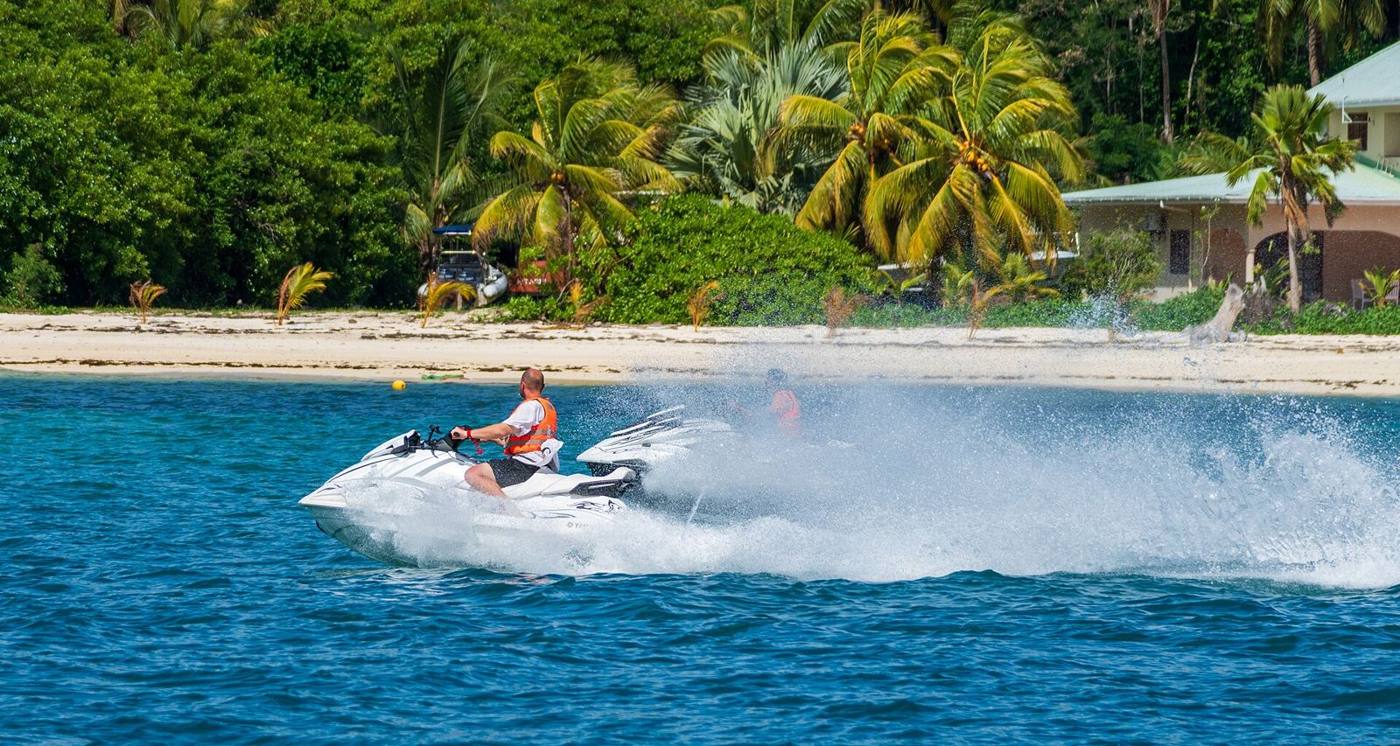
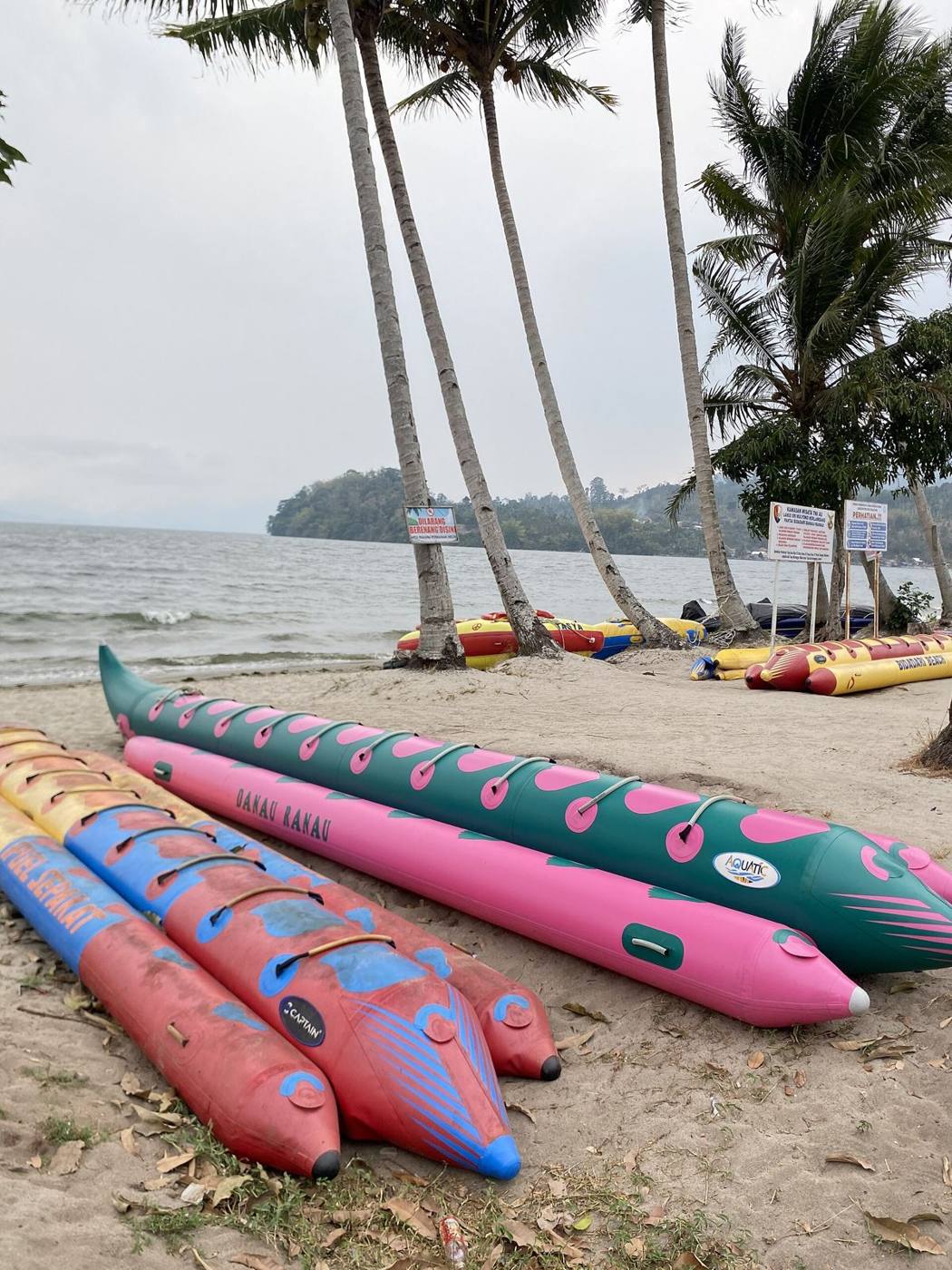
Bentota is the west coast's classic beach town, a long stretch of golden sand where the Bentota river meets the sea, around an hour and a half south of Colombo. The river mouth makes it the island's watersports centre: jet skis, banana boats, windsurfing, water skiing and wakeboarding all run from the calm river side, with the open beach for swimming in season.

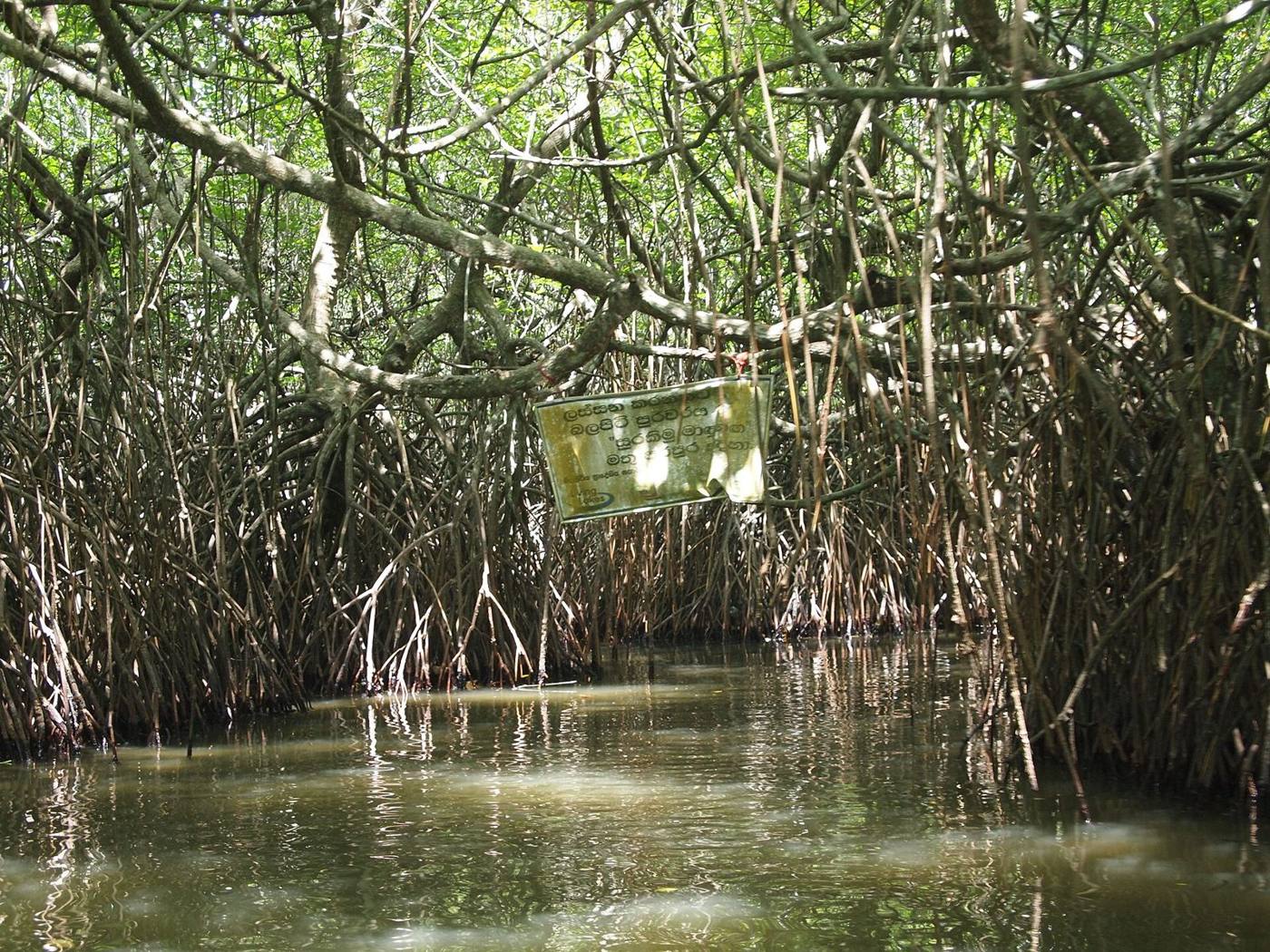
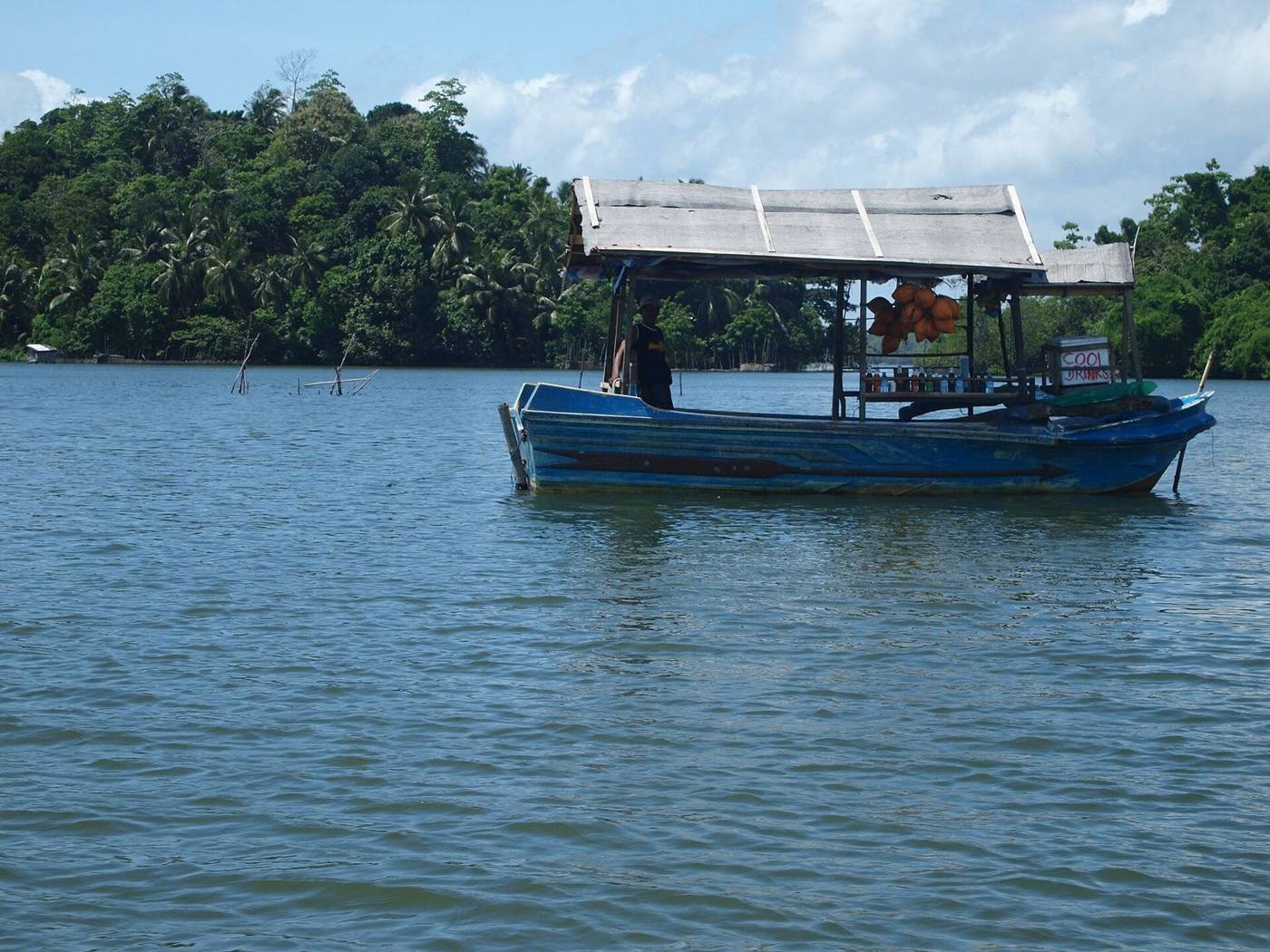
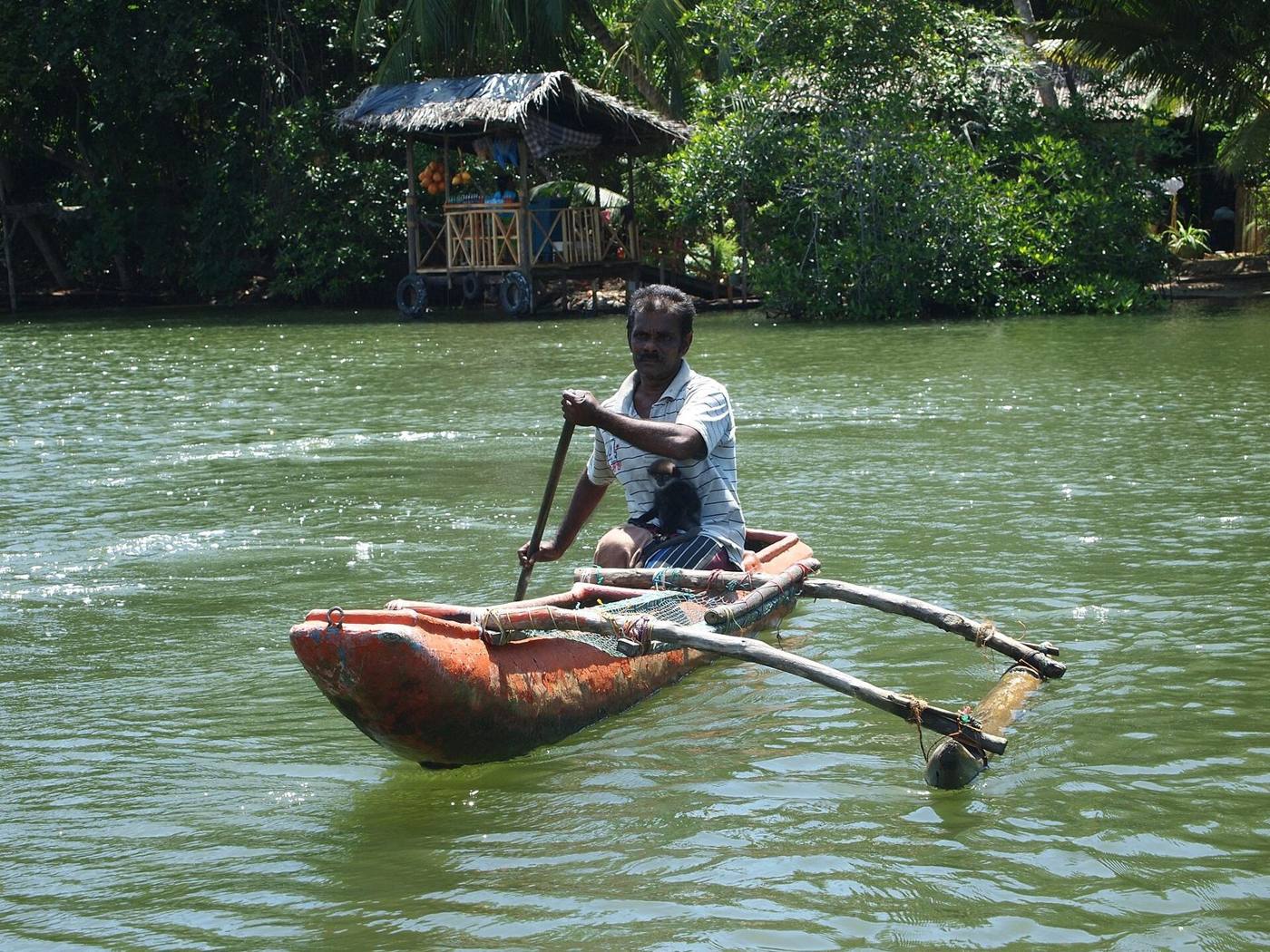
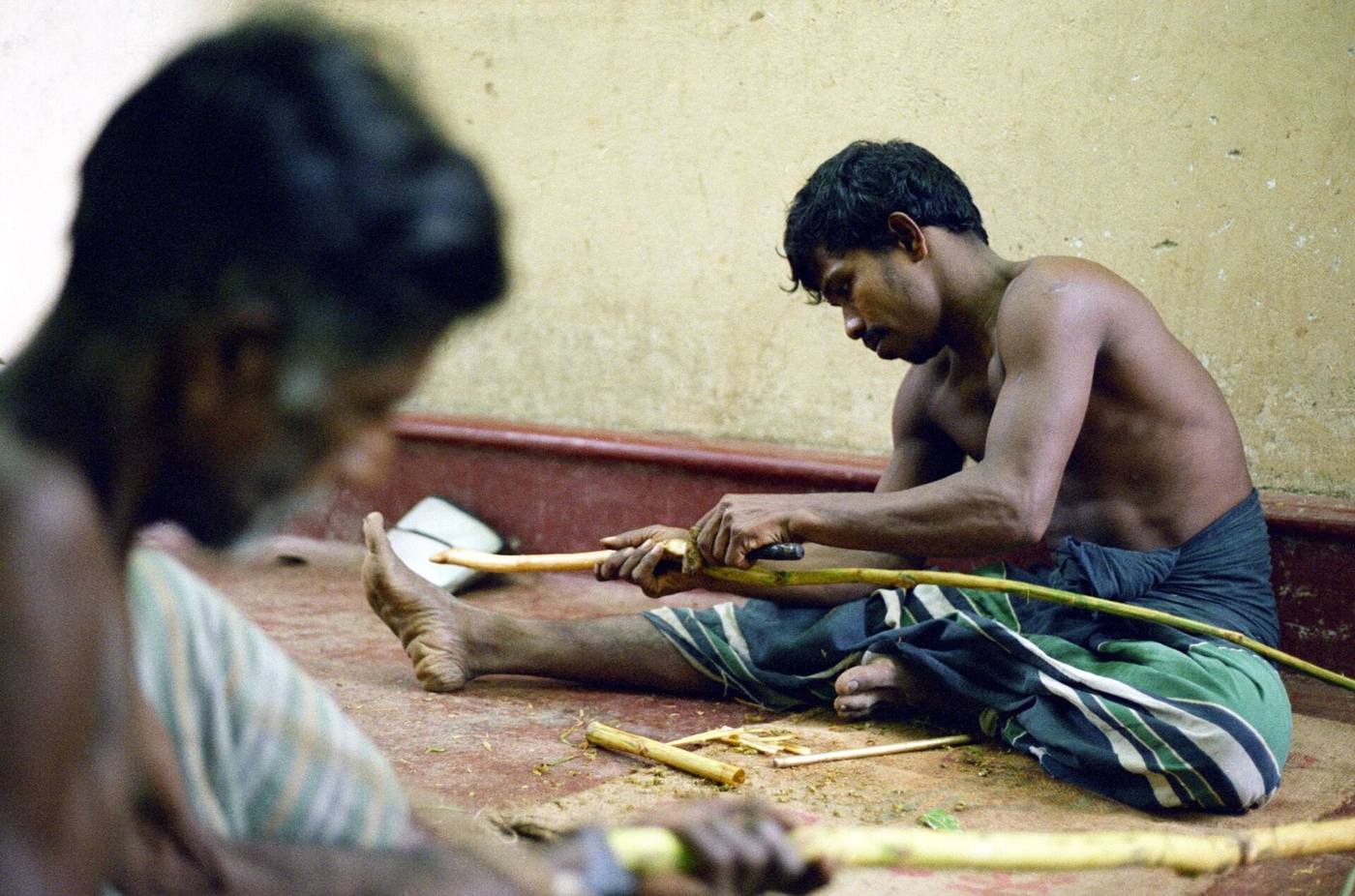
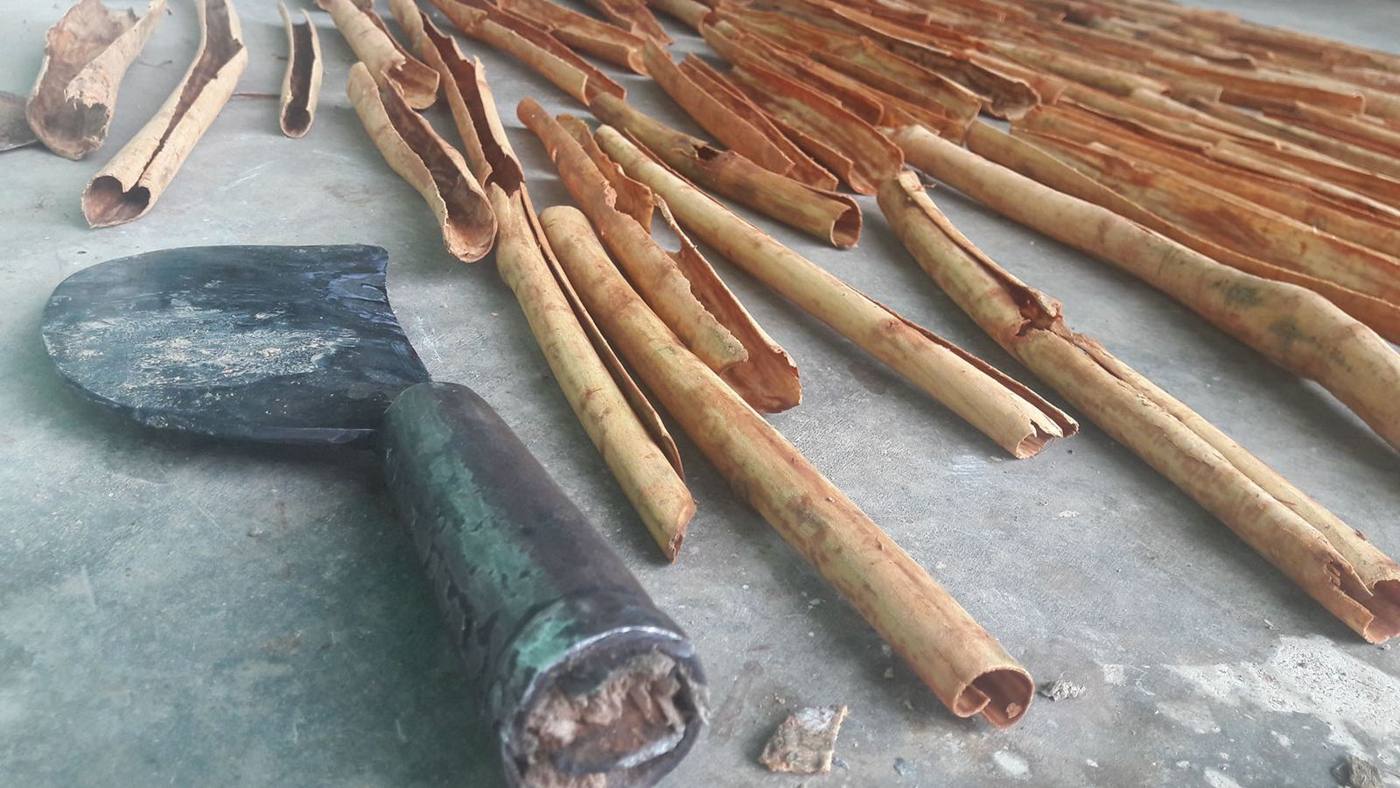
Just south, the Madu Ganga is a wide, slow river of mangrove channels and dozens of small islands. A boat safari winds through tunnels of mangrove roots, past herons and monitor lizards, and stops at Cinnamon Island, where you can watch the inner bark shaved off the branches and rolled into quills by hand, and taste cinnamon tea.

When November to April

Highlights

  • Jet skis, banana boats, windsurfing and water skiing on the river
  • A boat safari through the Madu Ganga mangroves
  • Cinnamon Island, peeling and rolling quills by hand
  • Brief Garden, Bevis Bawa's garden in the hills nearby
  • Long, quiet beaches south towards Induruwa
A jet ski cutting across bright blue water Inflatable banana boats lined up on a beach Mangrove roots arching over still water A covered boat on the Madu Ganga A man paddling an outrigger canoe on the river Two men peeling cinnamon bark on the floor Rolled cinnamon quills beside a curved blade

Kalpitiya

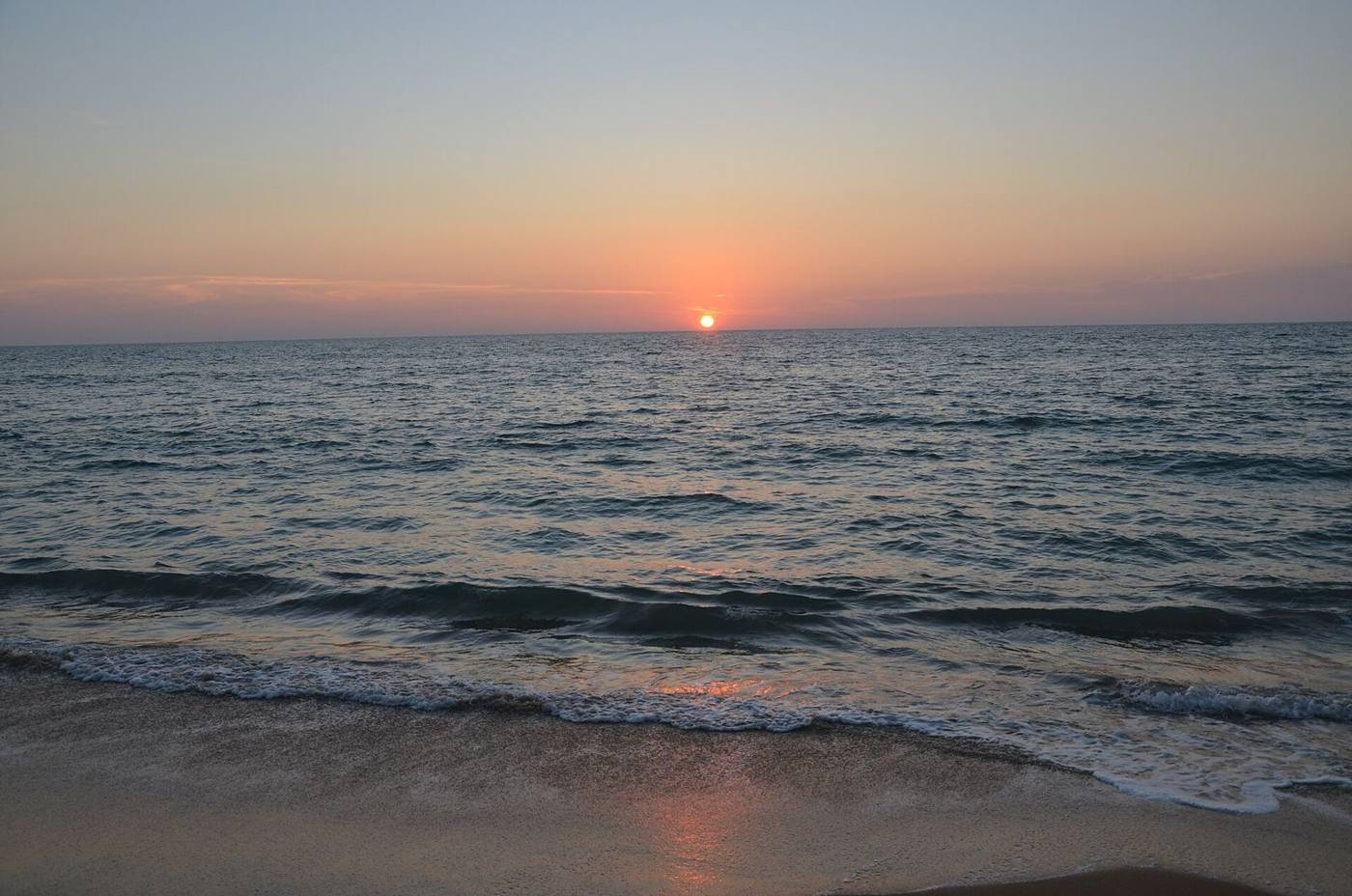
The sun setting over the sea at Kalpitiya beach

Kalpitiya is a long, thin peninsula on the north-west coast, with a lagoon on one side and the open sea on the other, about three and a half hours north of Colombo. It is still mostly fishing villages and sand, and it suits travellers who want space.

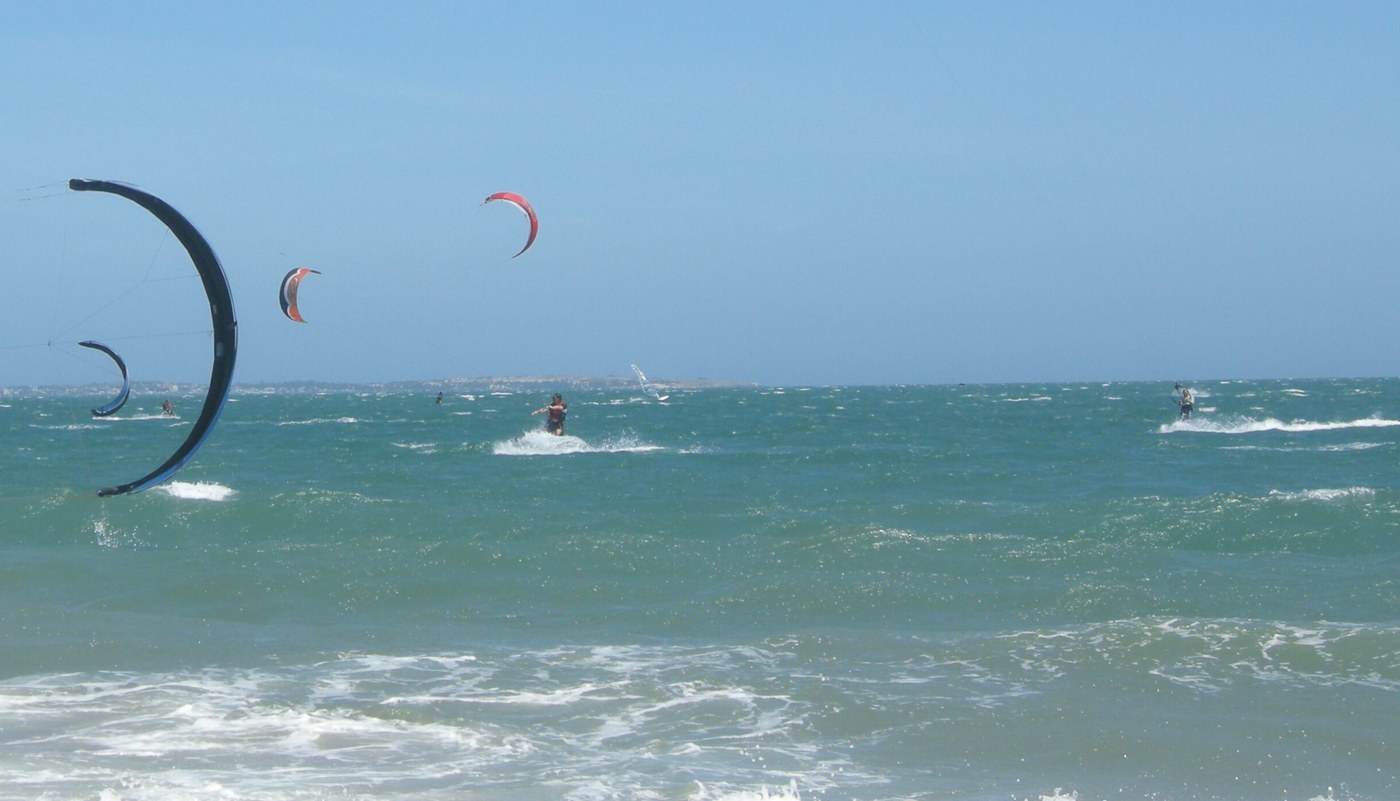
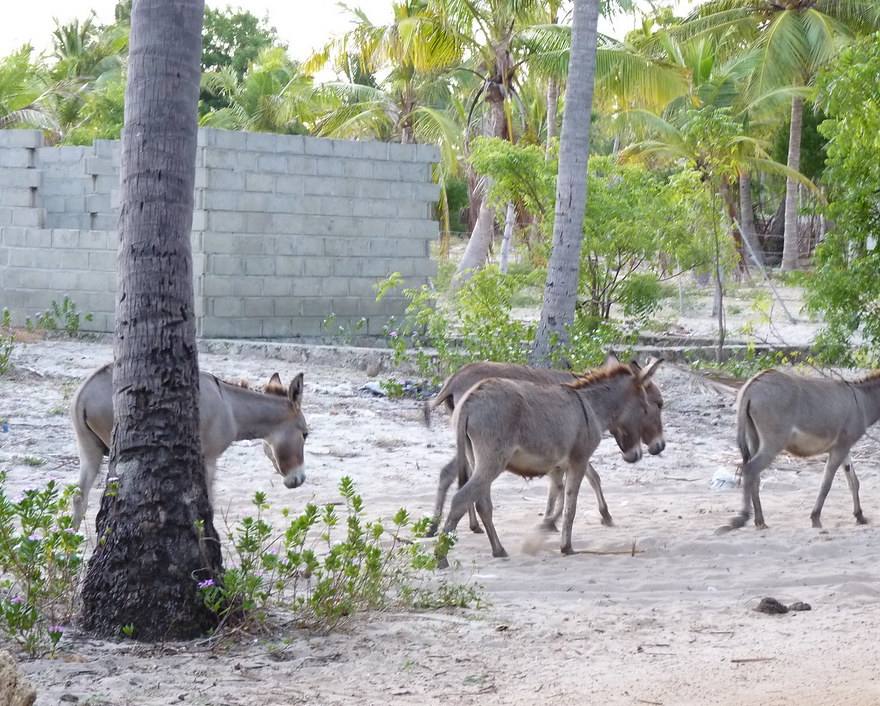
From about November to April, boats head out towards the reefs offshore, where pods of spinner dolphins can number in the hundreds and whales are seen in season. The peninsula is also known for its wild donkeys, said to descend from animals brought by traders centuries ago, which wander freely around the villages. The lagoon is one of Asia's best kitesurfing spots when the wind blows, and Wilpattu National Park is close enough for a jeep safari in search of leopards.

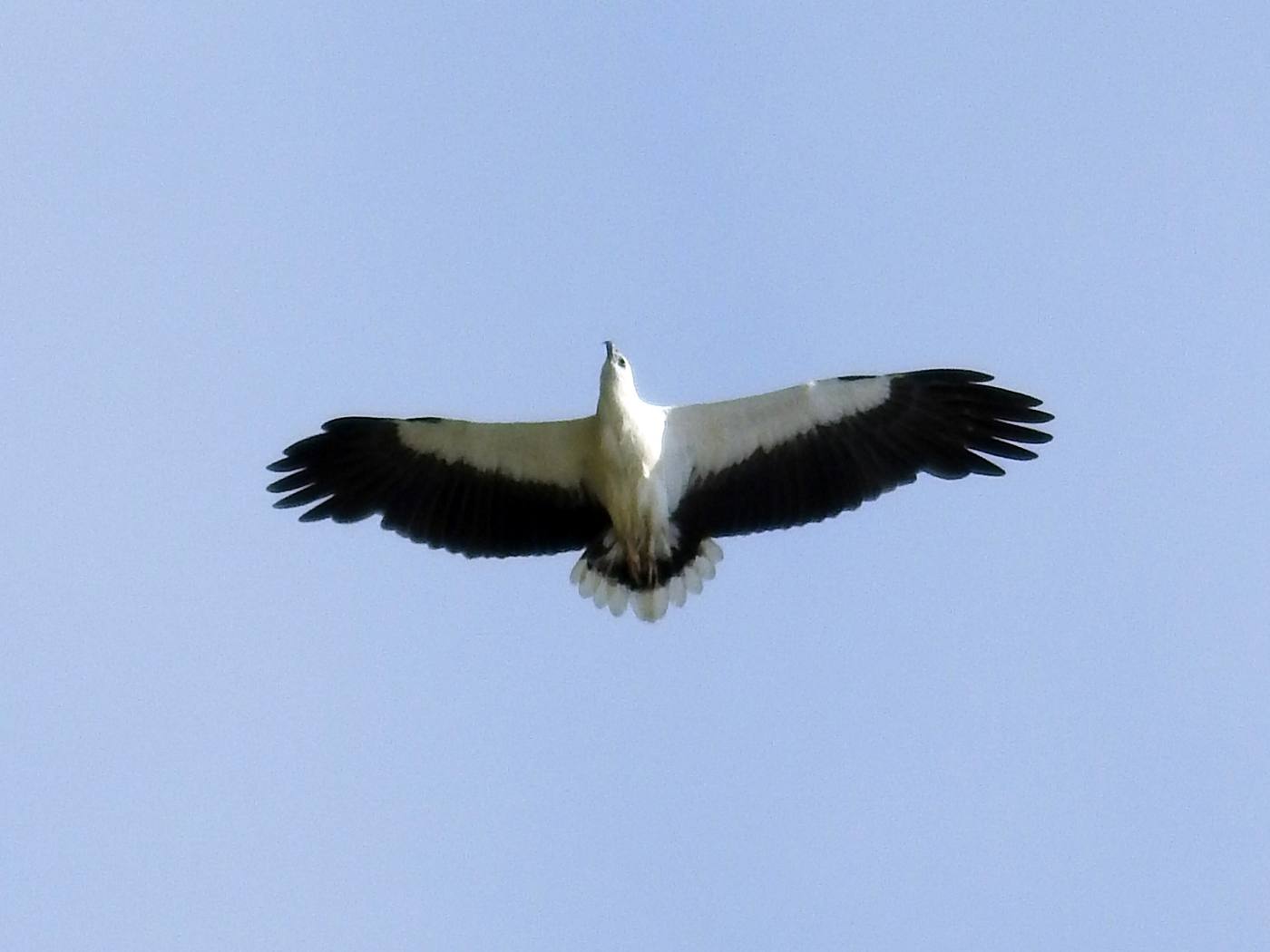
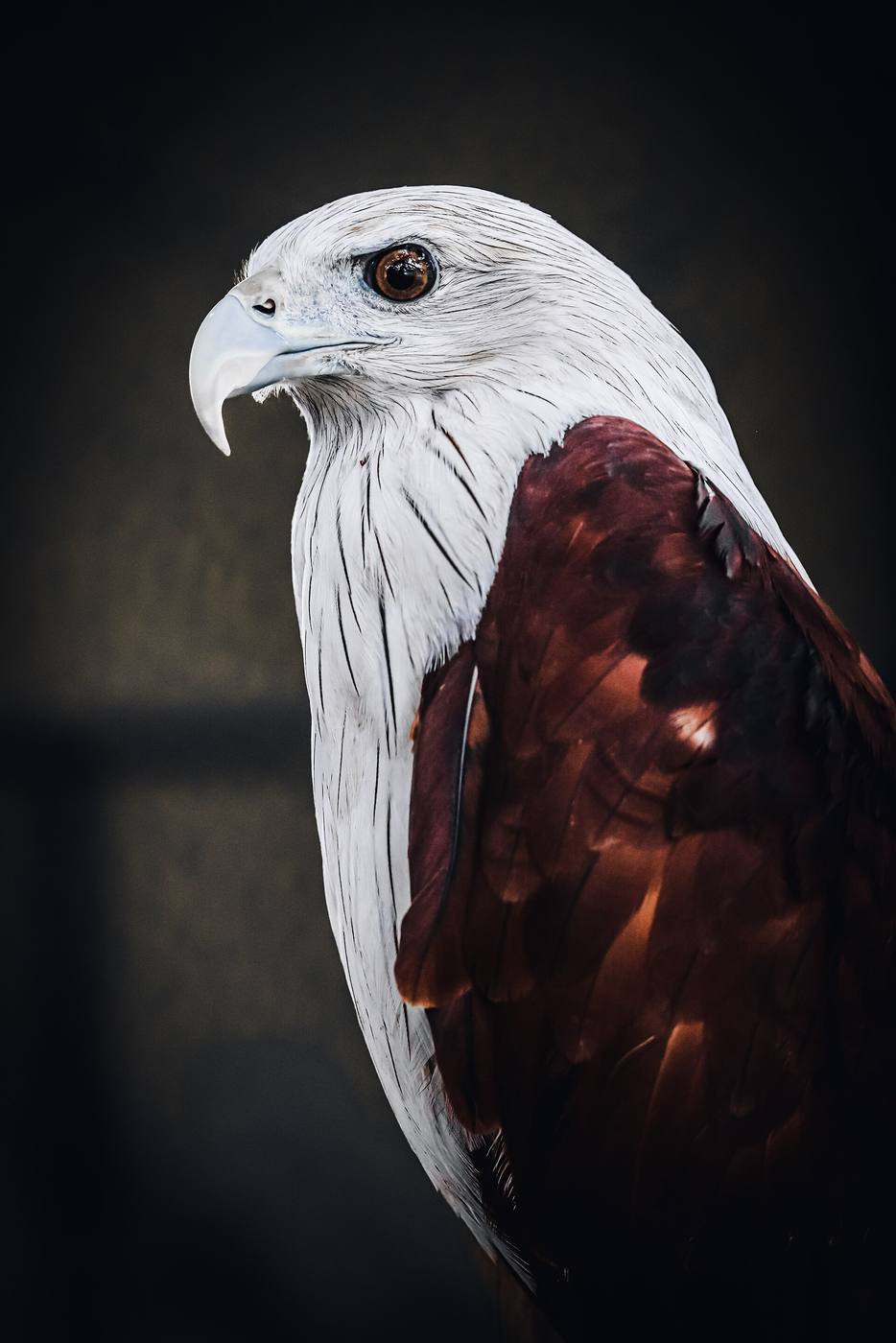
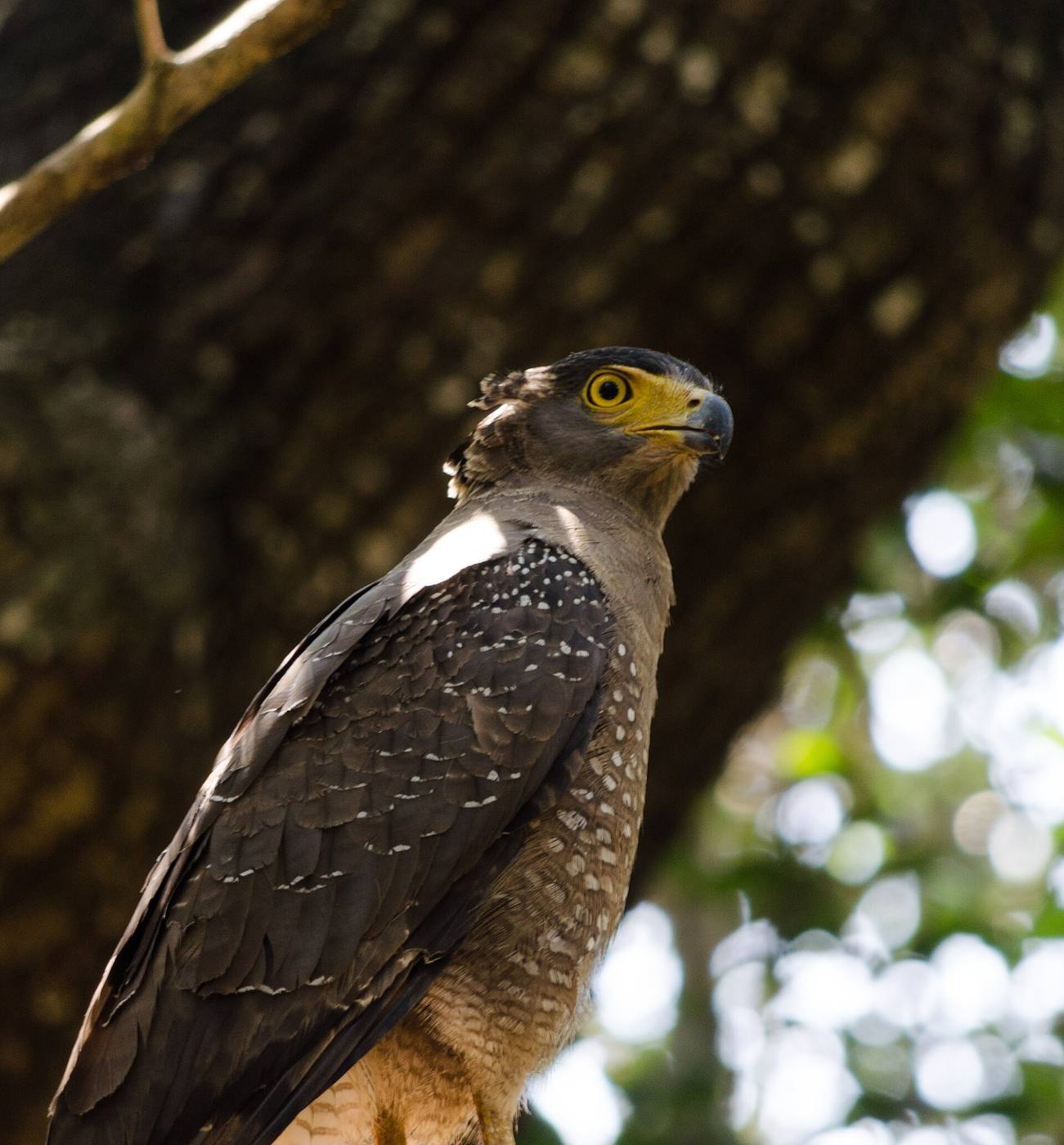
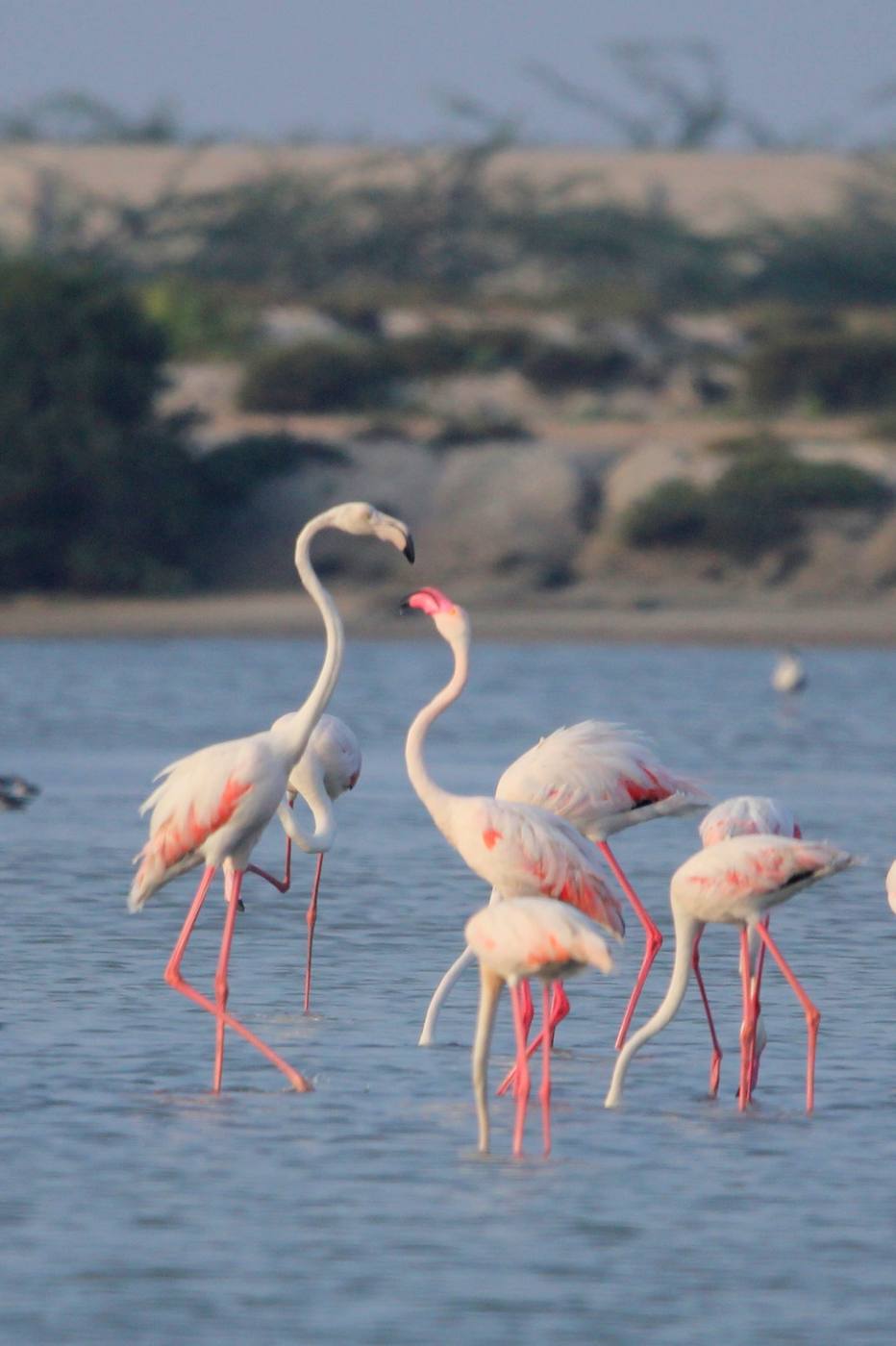
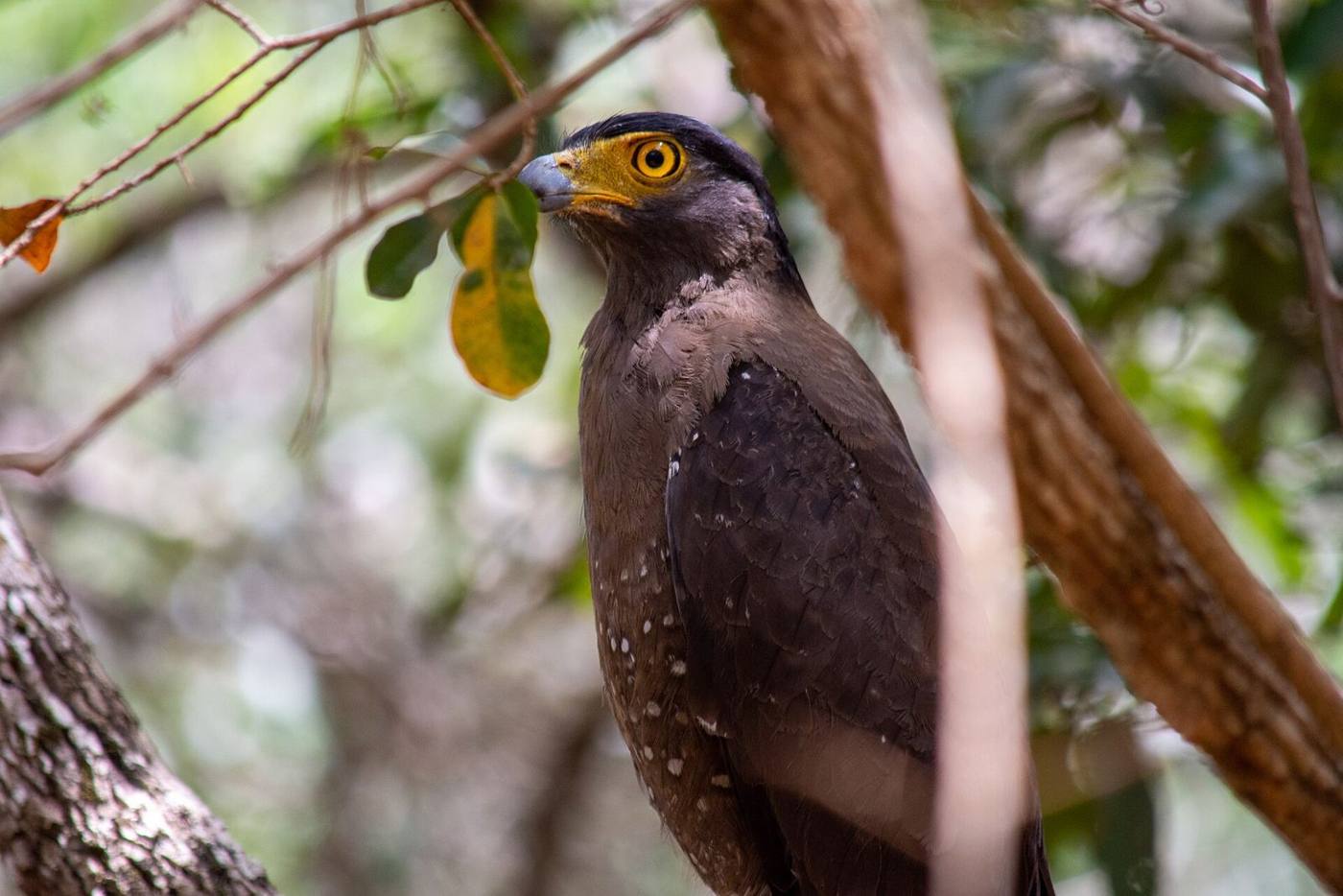
It is a wonderful place for birds. The lagoon, mangroves and salt pans draw herons, egrets, terns and, in the cooler months, flocks of migrant flamingos wading in the shallows. Birds of prey are a highlight: white-bellied sea eagles circle over the water, Brahminy kites hunt along the shore, and crested serpent eagles watch from the trees on the edge of Wilpattu.

When Dolphins November to April. Migrant birds November to March. Kitesurfing May to October and December to March

Highlights

  • Dolphin watching, with pods of hundreds of spinner dolphins
  • The peninsula's free-roaming wild donkeys
  • Sea eagles, kites and flamingos around the lagoon
  • Kitesurfing on the lagoon
  • A jeep safari in Wilpattu for leopards and sloth bears
Kitesurfers riding choppy turquoise water under their kites A group of grey donkeys walking along a sandy lane between palms A white-bellied sea eagle soaring with wings spread Close portrait of a Brahminy kite with white head and chestnut wings A crested serpent eagle perched on a branch Pink flamingos wading in shallow water

Mahiyanganaya

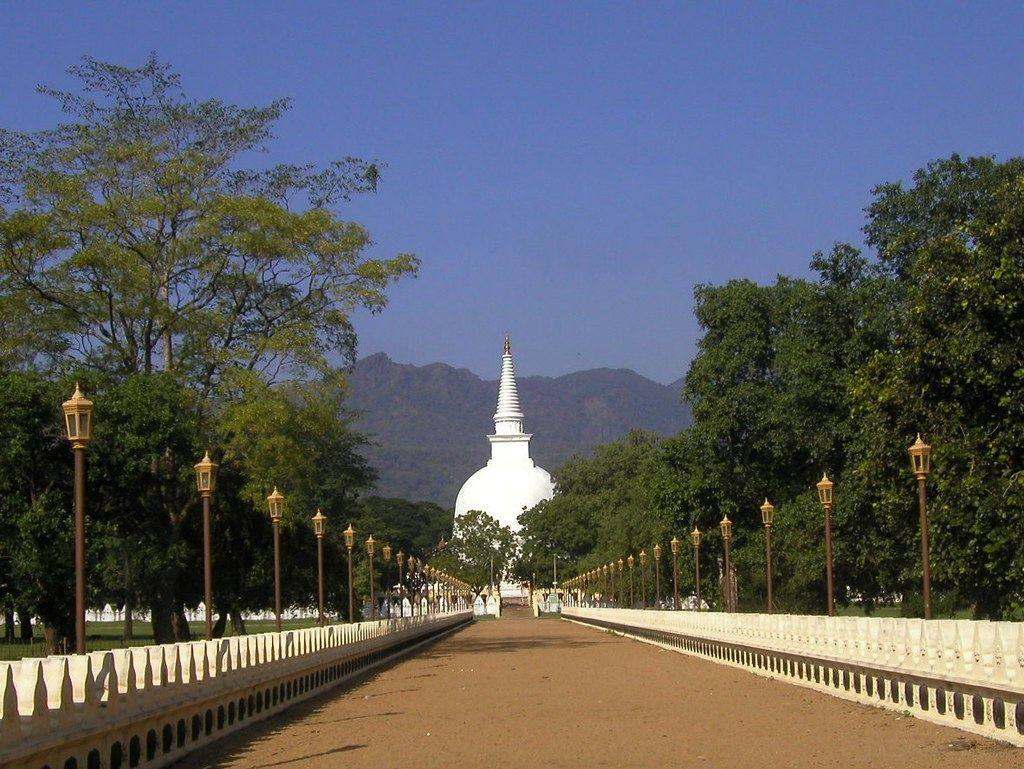
A long avenue leading to the white stupa at Mahiyangana with hills behind

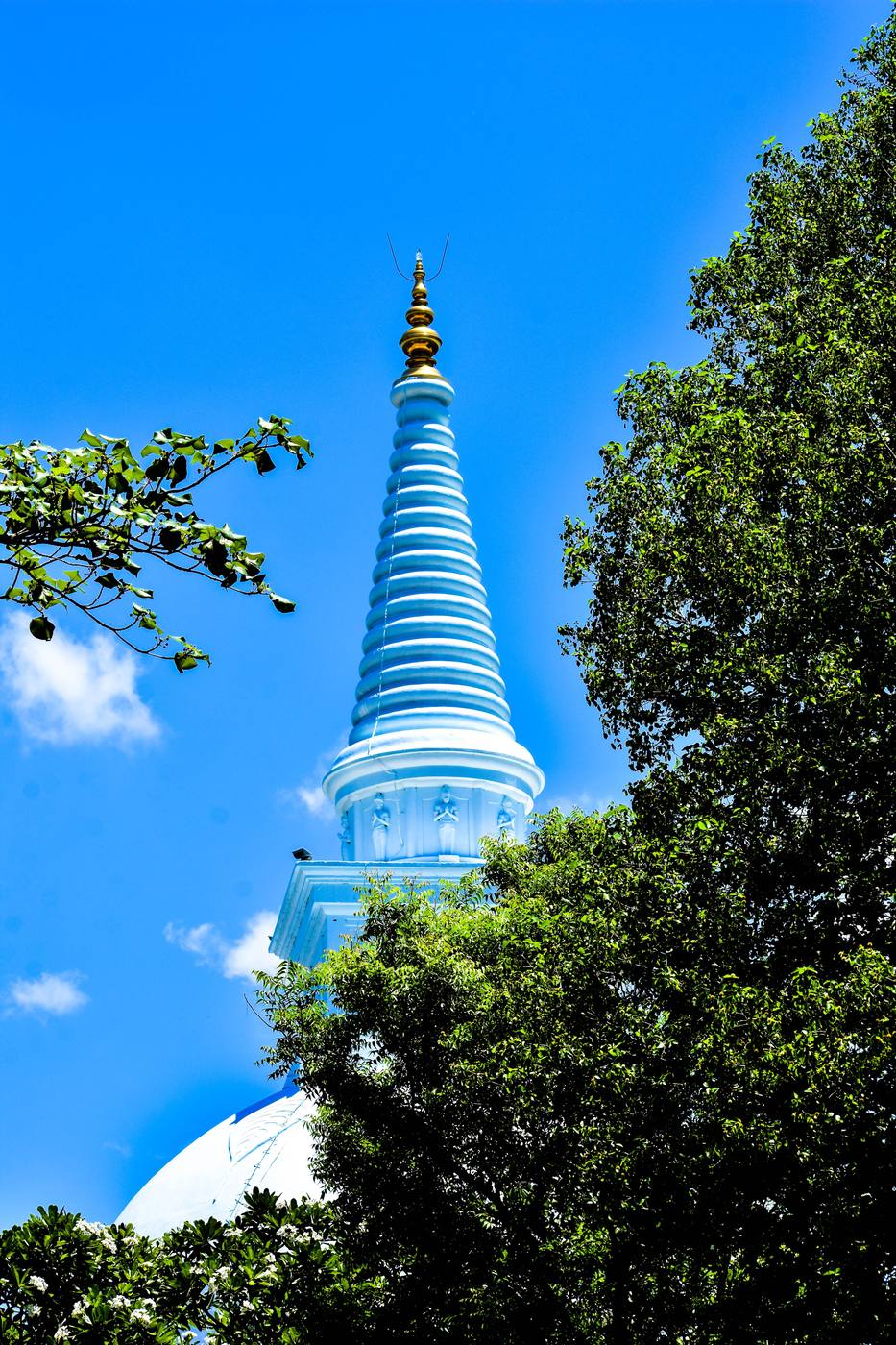
Mahiyanganaya sits on the plains below the hill country, on the banks of the Mahaweli river. Its great white stupa marks what Sri Lankan tradition holds was the first of the Buddha's three visits to the island, which makes it one of the most venerated places in the country.

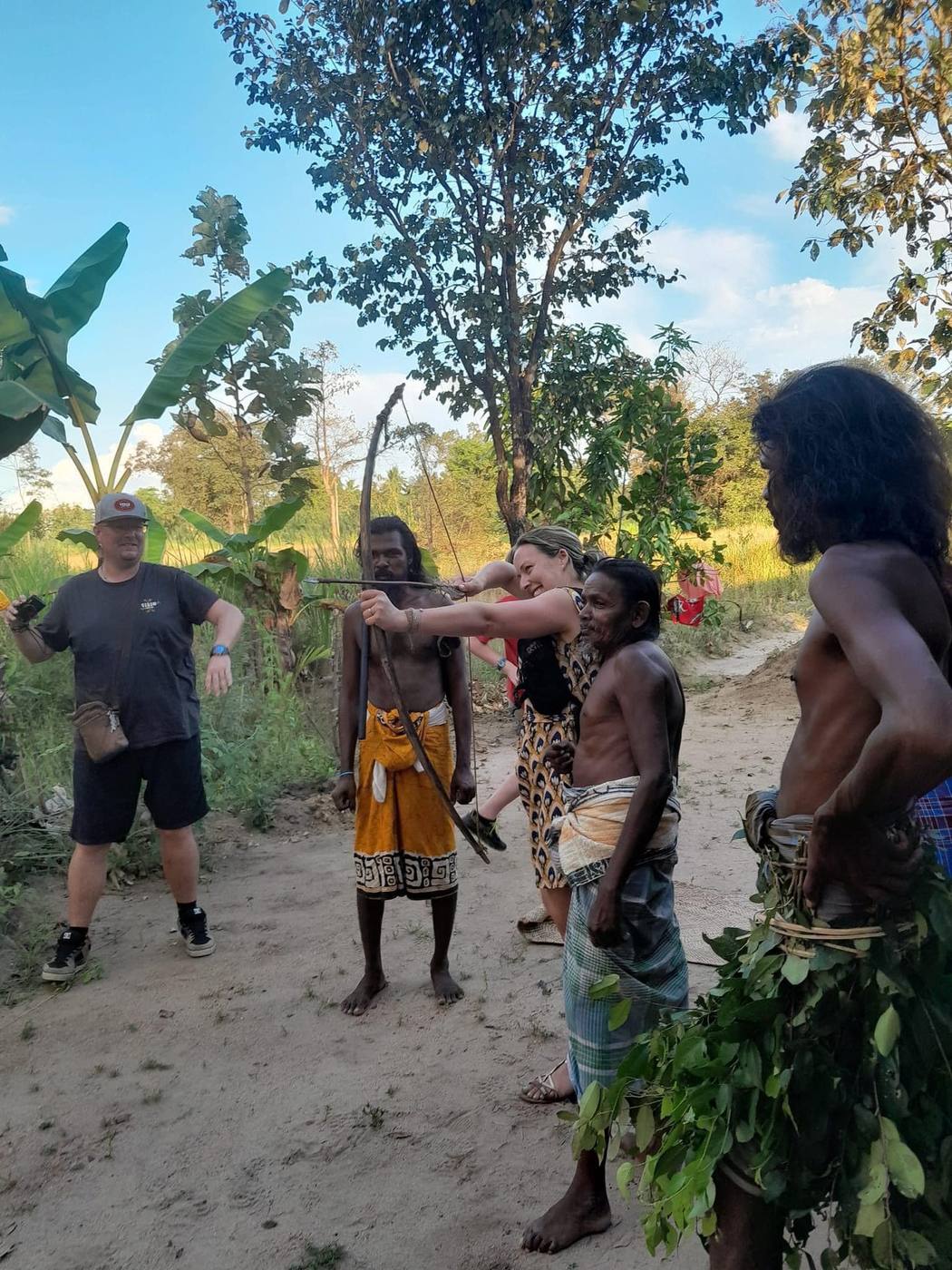
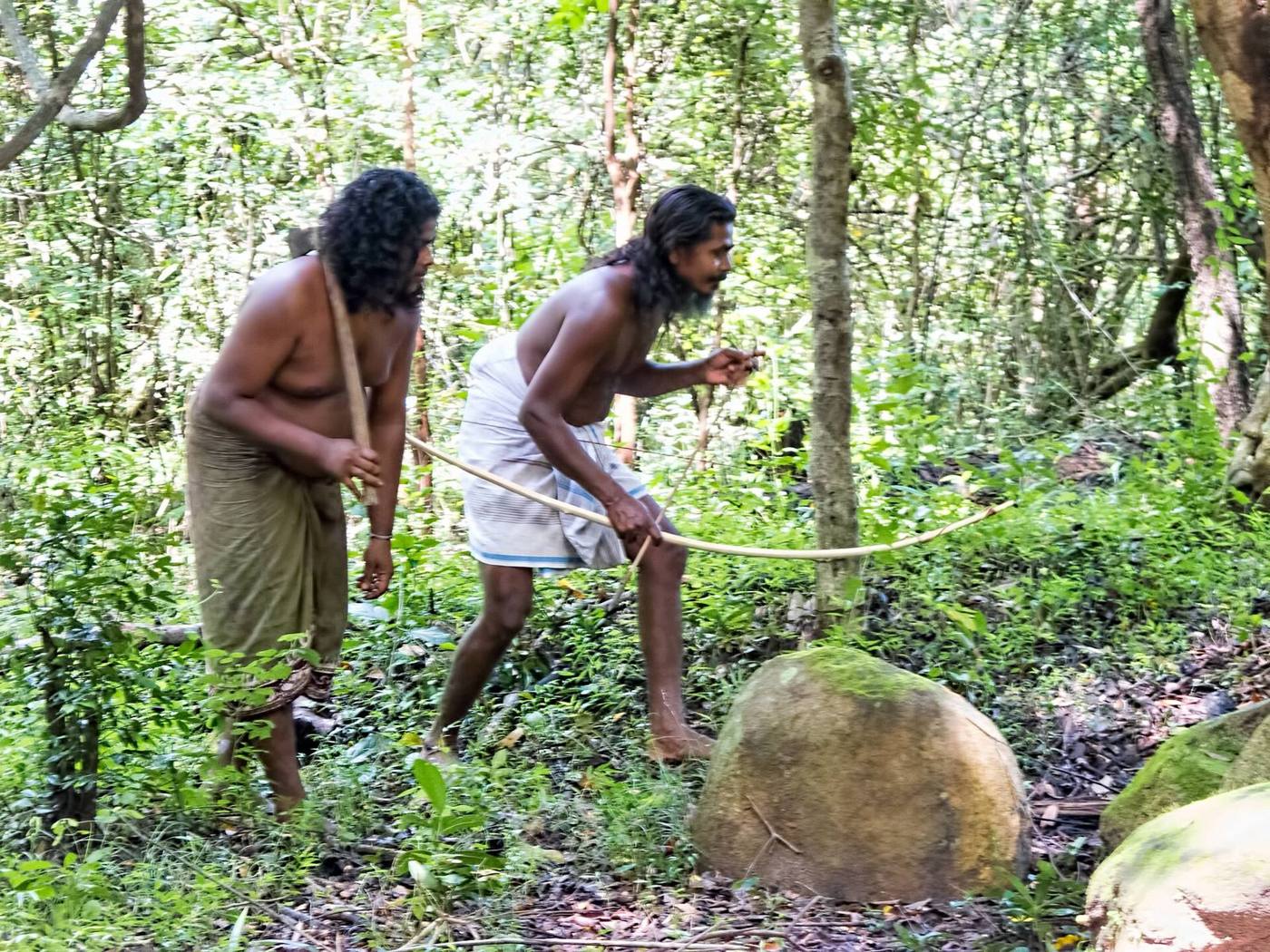
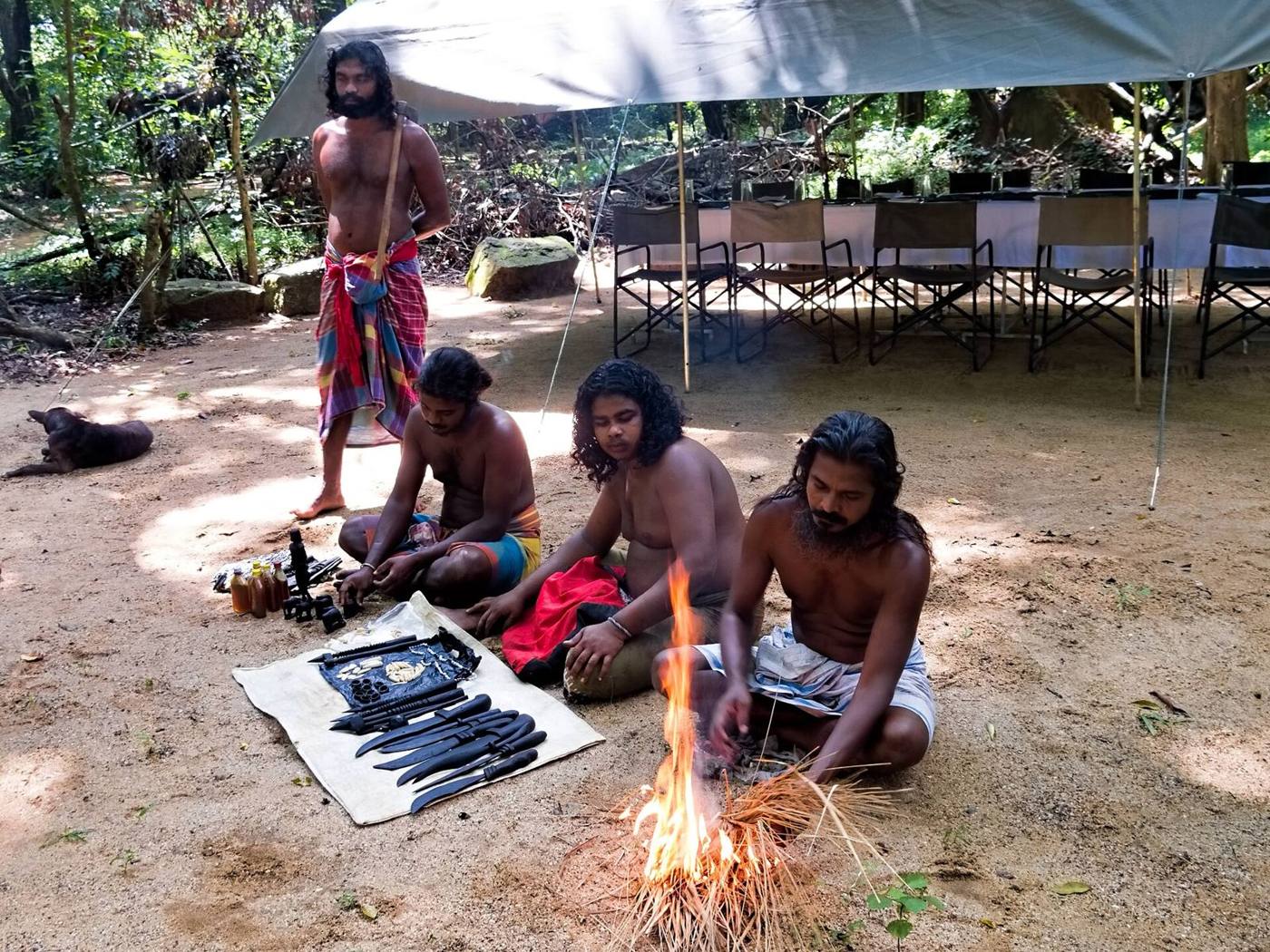
It is also the gateway to Dambana, home of the Vedda, Sri Lanka's indigenous people, whose forest way of life goes back long before the island's recorded history. A visit is a chance to hear about traditional hunting, honey gathering and forest medicine from the people who still keep those skills. We keep visits small and respectful, as a meeting rather than a show.

When Year round. Hottest from May to September

Highlights

  • Mahiyangana Raja Maha Vihara, linked to the Buddha's first visit
  • Dambana and the Vedda community, Sri Lanka's indigenous people
  • Traditional skills: bows, honey gathering, fire-making and forest medicine
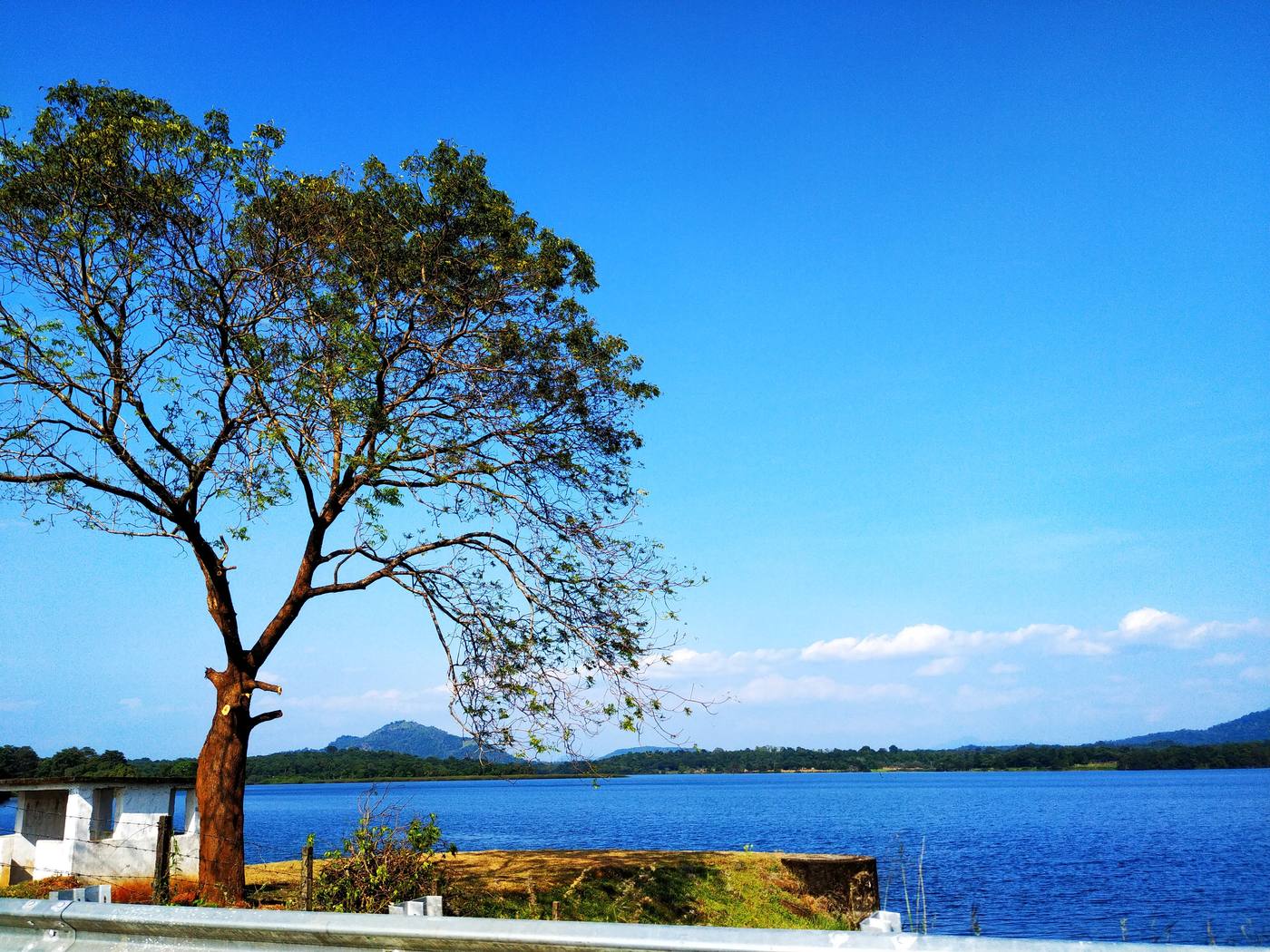
  • Sorabora Wewa, an ancient reservoir just outside town
  • An easy stop between Kandy and the east coast or Ella
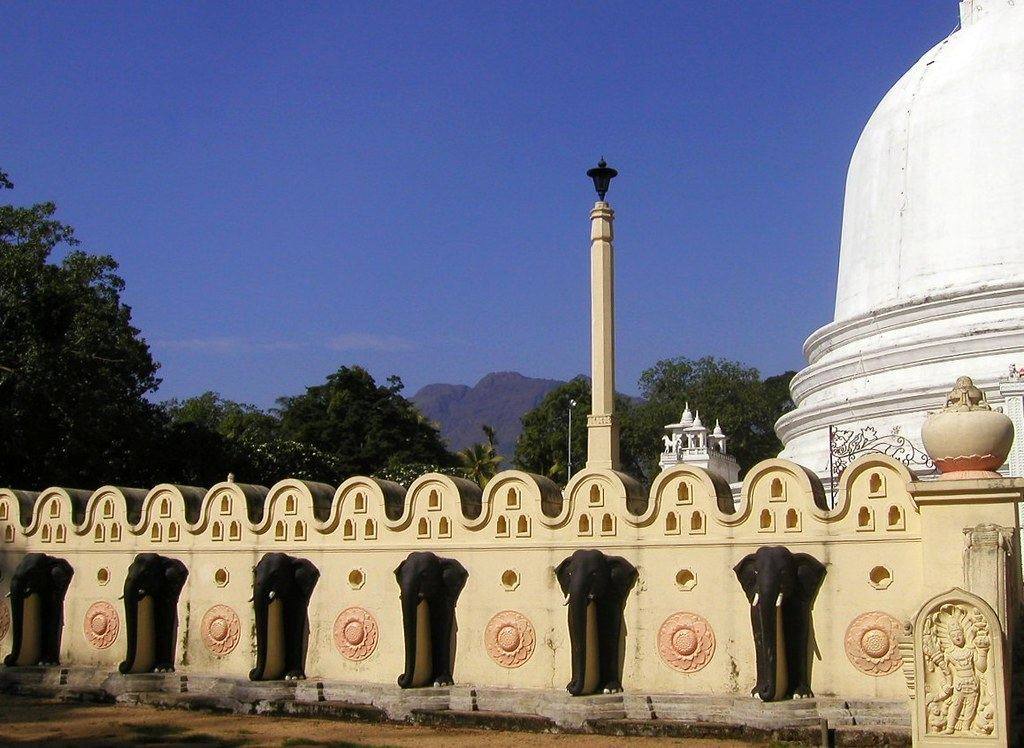
A guest drawing a traditional bow while Vedda men look on The white stupa above a wall of carved elephants Two Vedda men in the forest examining a rock Vedda men kneeling around a small fire The white stupa spire rising above green trees under a blue sky A tree on the shore of Sorabora Wewa reservoir with hills beyond

Jaffna & the islands

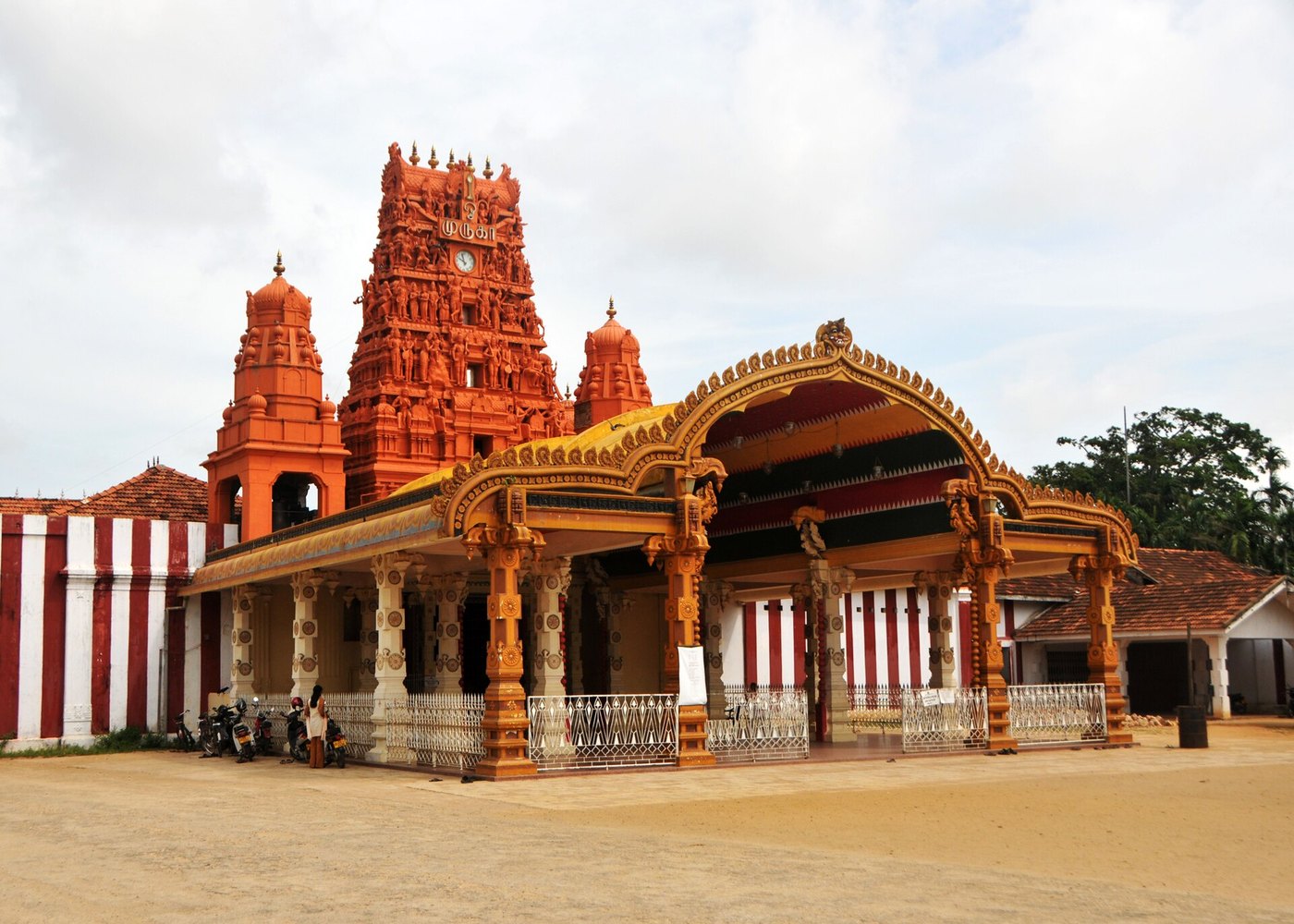
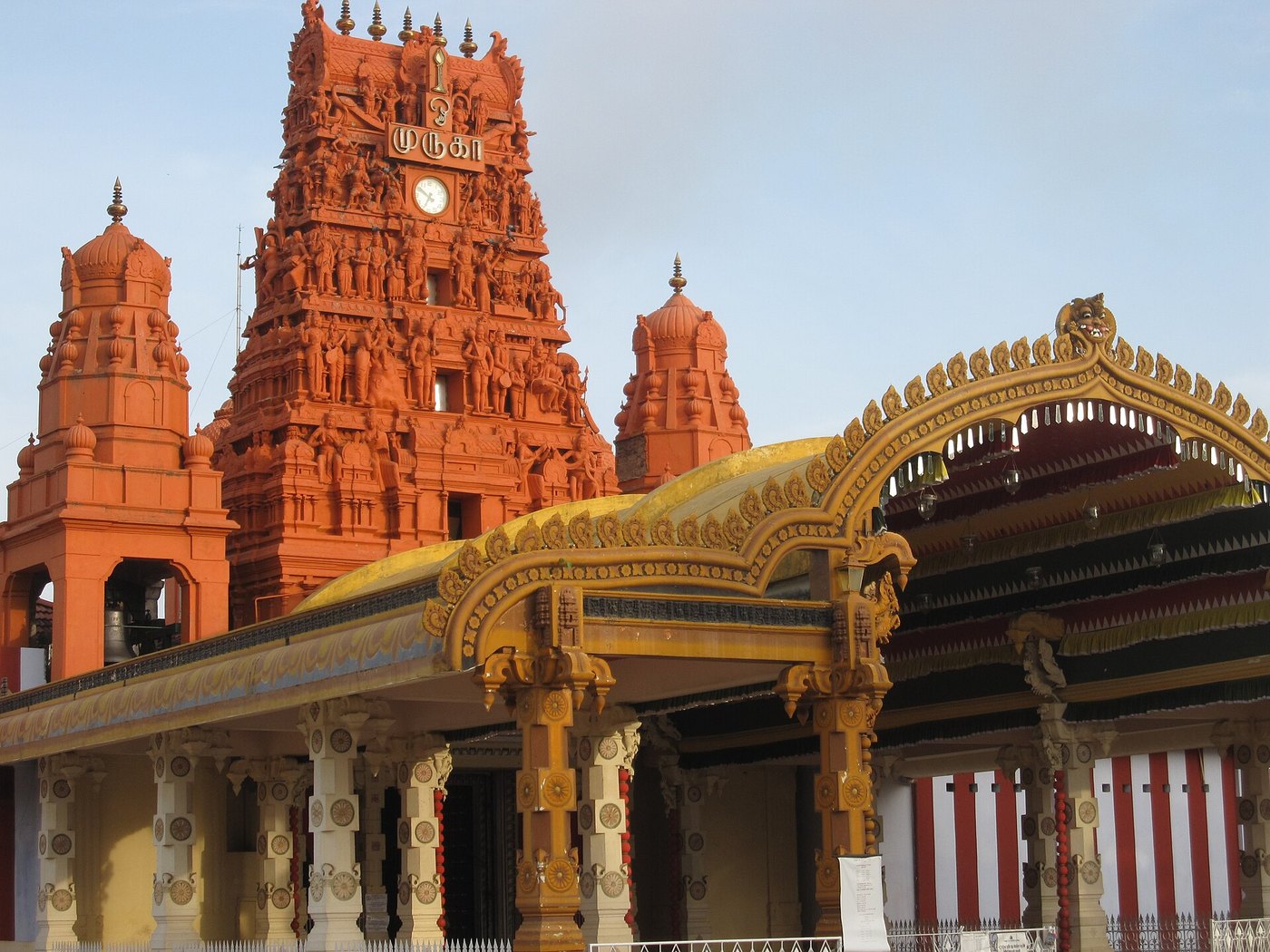
The golden arched entrance and red towers of Nallur Kandaswamy Kovil

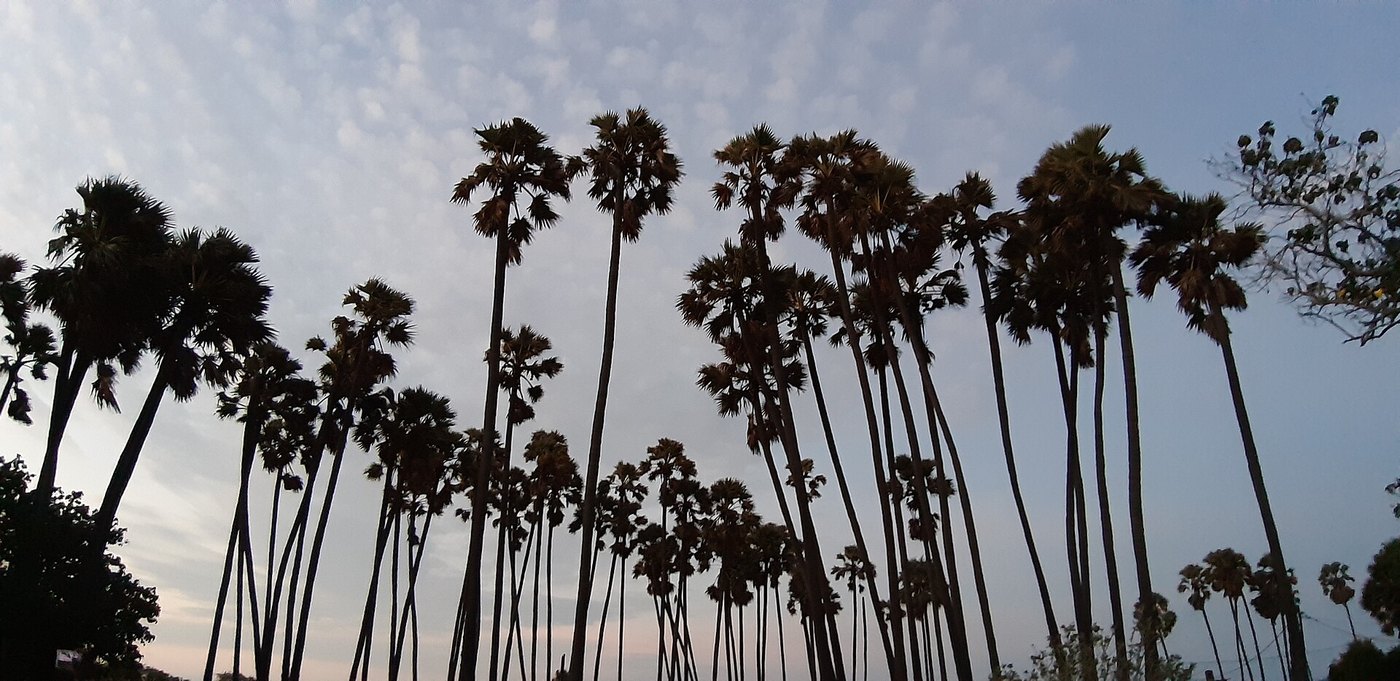
Jaffna, at the very top of the island, feels like a different Sri Lanka. It is the heart of Tamil culture, with its own language, food and pace of life, and far fewer visitors than the south. The flat, sandy peninsula is lined with palmyra palms and lagoons, and a long road of causeways runs out to a string of small islands.

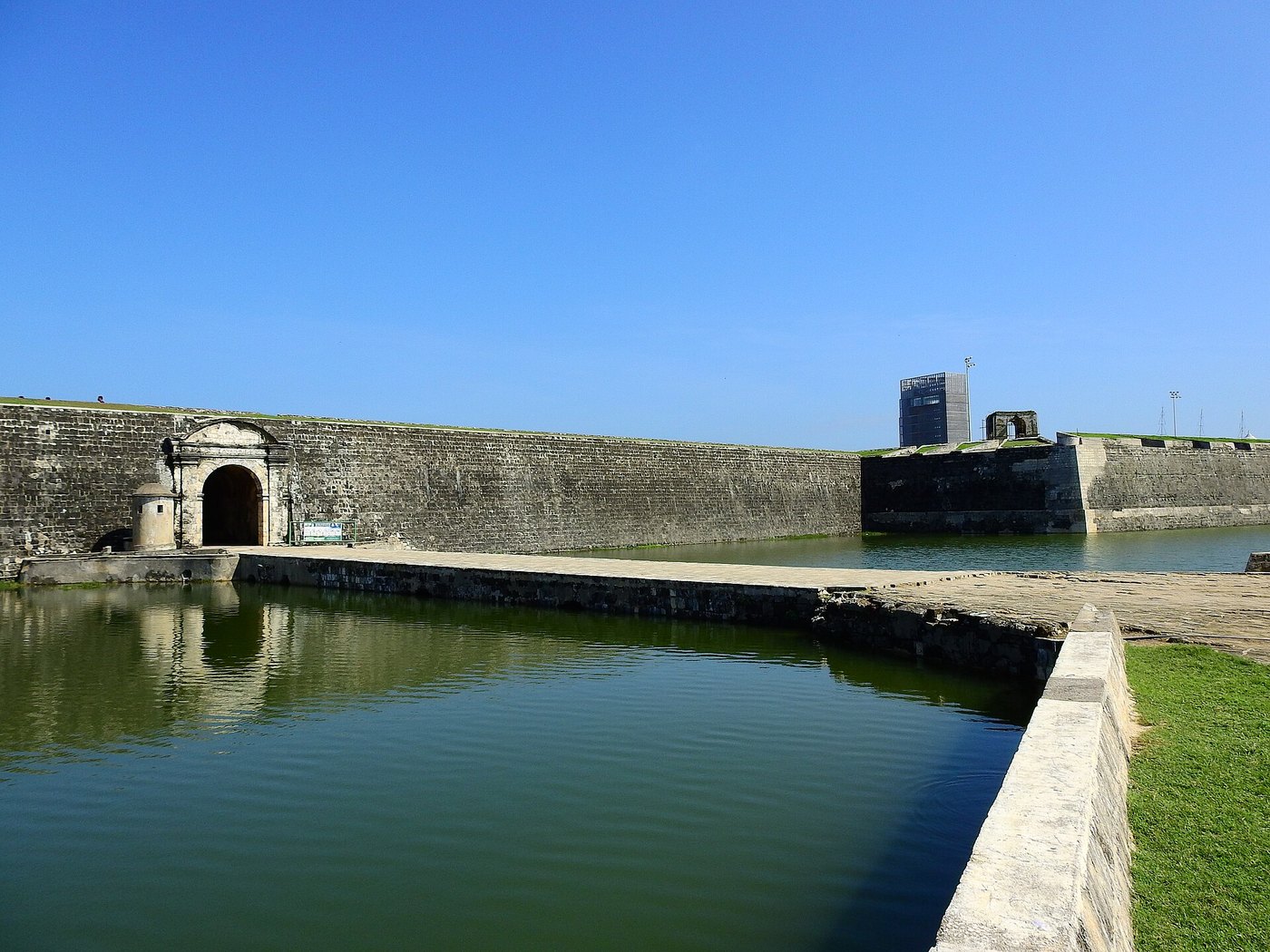
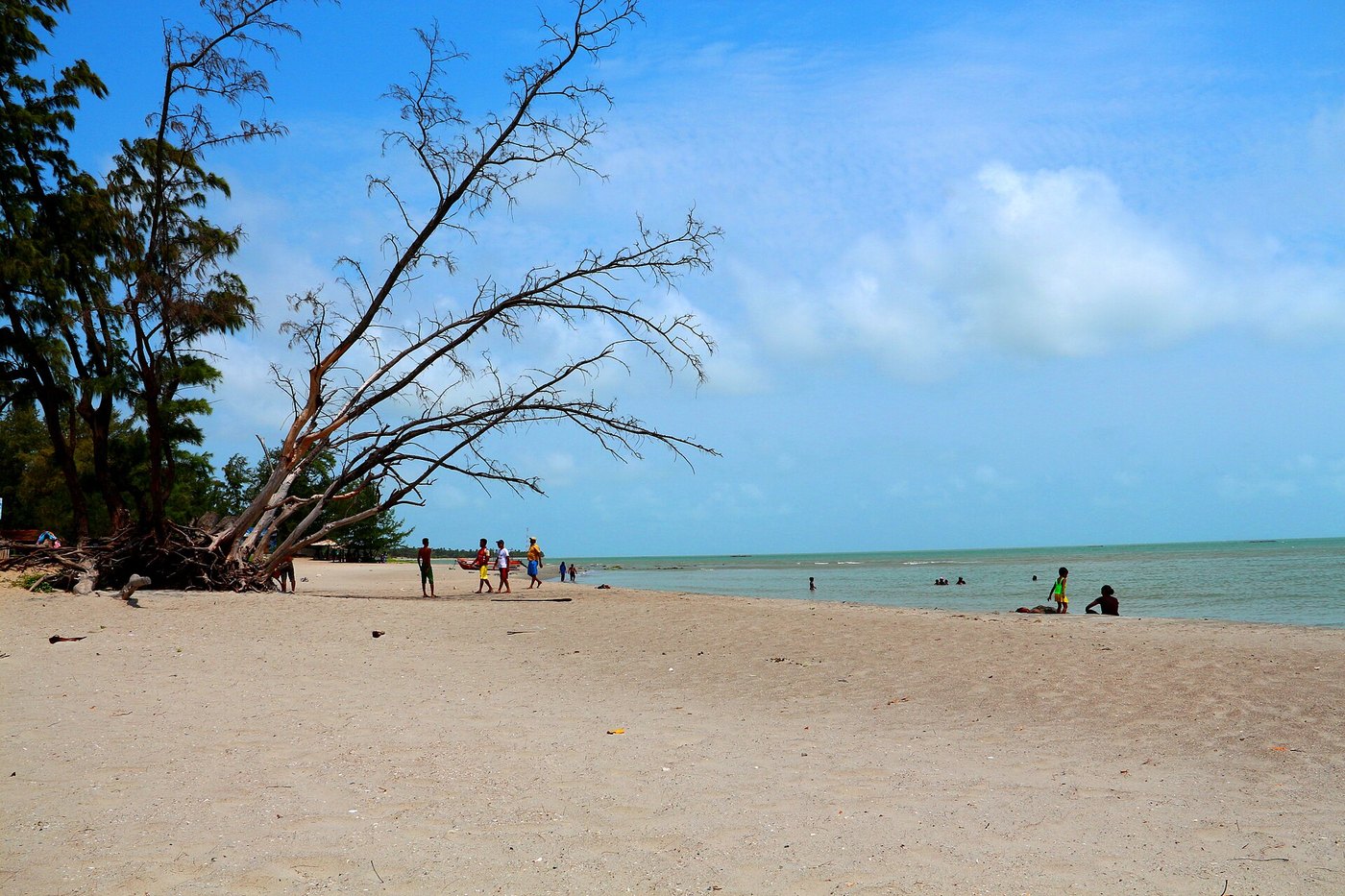
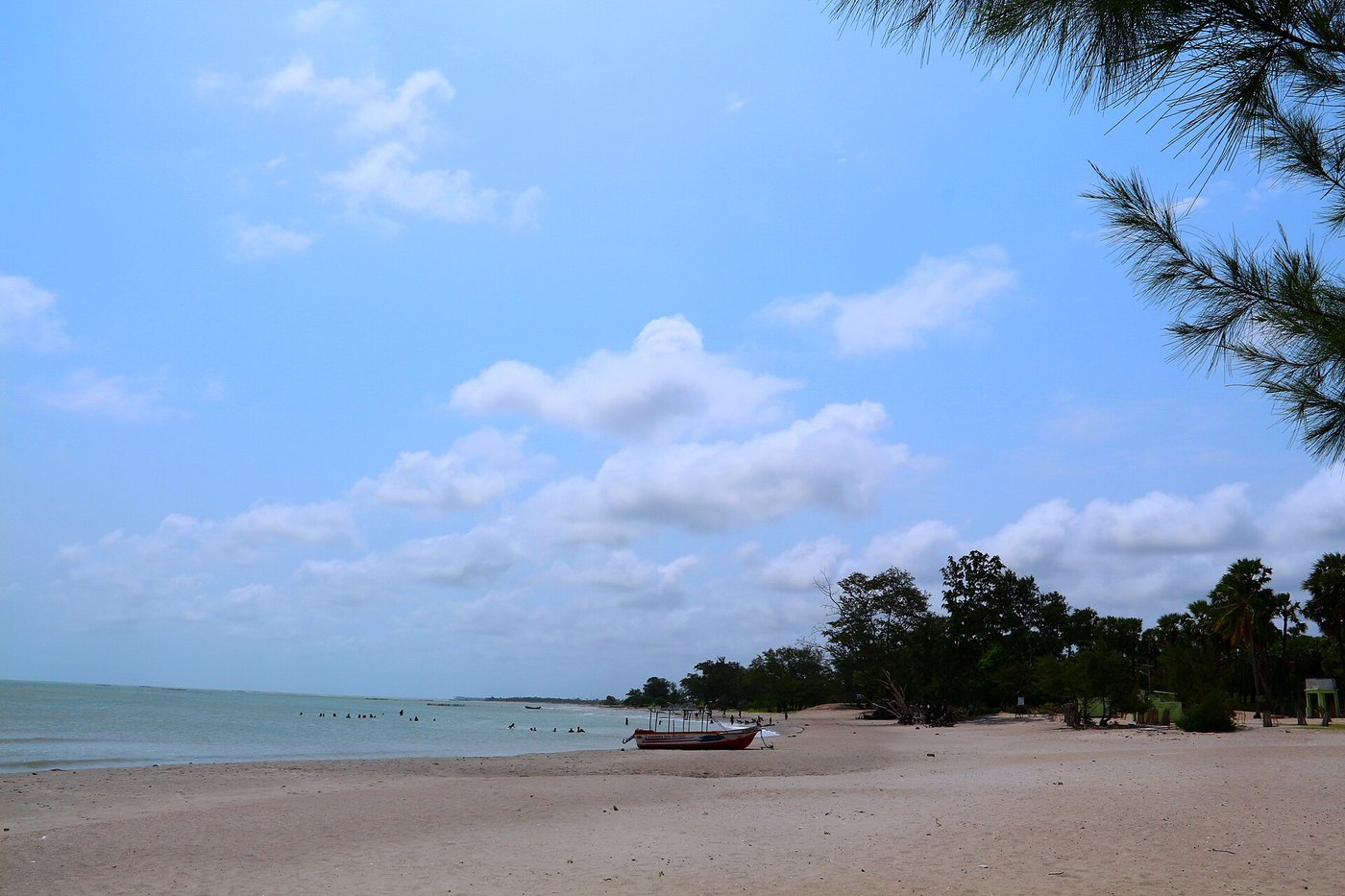
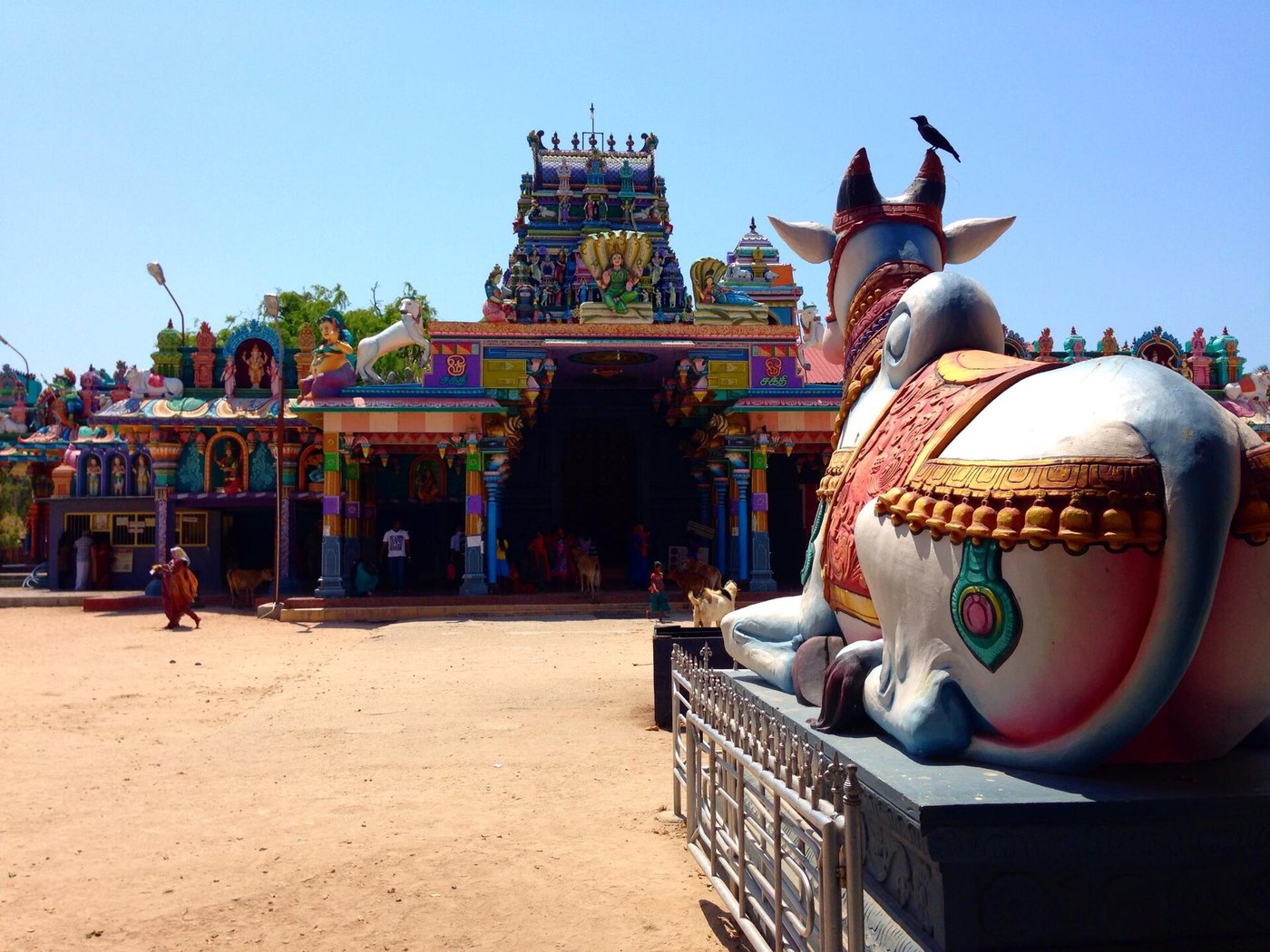
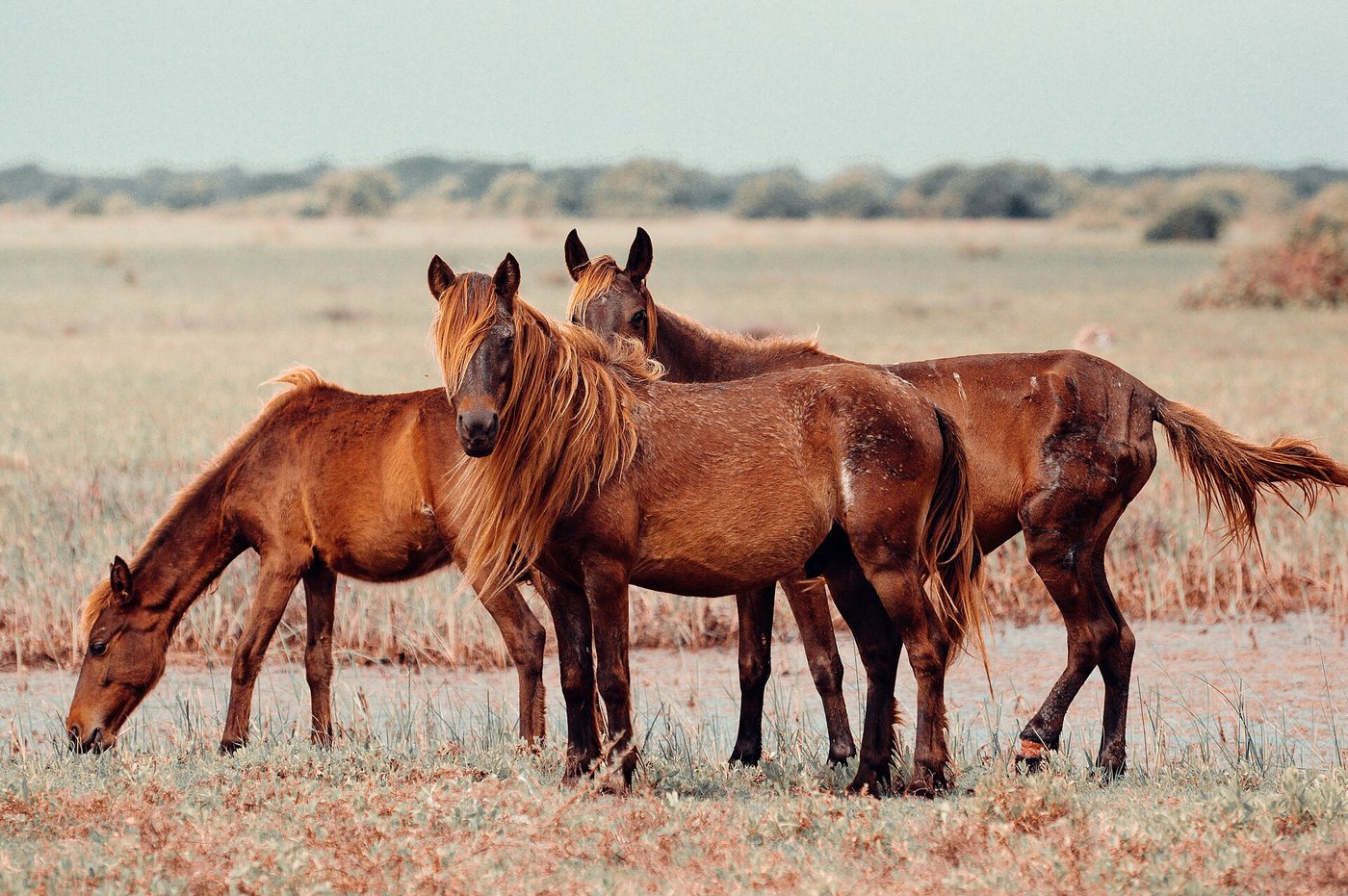
The great sight is Nallur Kandaswamy Kovil, a golden-gated Hindu temple at the centre of daily life, best seen at one of the evening pujas. The Dutch-built star fort sits by the lagoon on the edge of town, and Casuarina Beach, on the island of Karainagar, has calm, shallow water for a swim. A short boat ride takes you to Nainativu, where the colourful Nagapooshani Amman temple and the Buddhist Nagadeepa shrine stand a few minutes apart, and further out, wild ponies roam the open grassland of Delft.

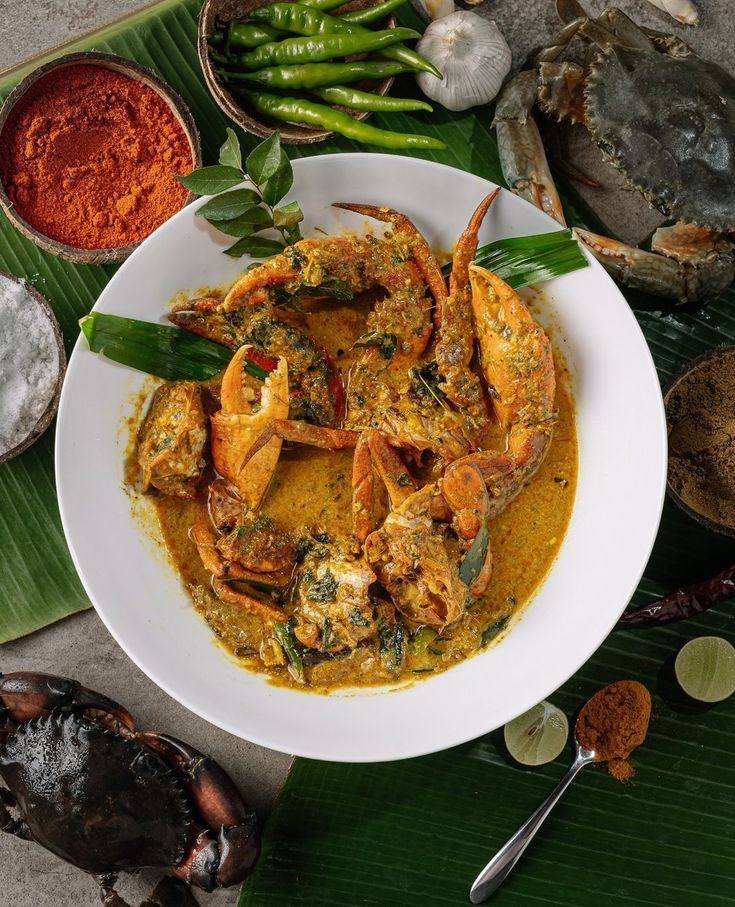
Food is a highlight in its own right: fiery Jaffna crab curry, odiyal kool seafood soup and palmyra sweets. Jaffna is about six hours from Colombo by road or by the Yal Devi train, and pairs well with Anuradhapura or Trincomalee.

When January to September. The Nallur festival runs for 25 days around July and August

Highlights

  • An evening puja at Nallur Kandaswamy Kovil
  • The Dutch star fort beside the lagoon
  • Swimming at Casuarina Beach
  • The boat to Nainativu, and the wild ponies of Delft
  • Jaffna crab curry and the food of the north
The ornate red tower and golden arches of Nallur Kandaswamy Kovil The stone walls and moat of the Dutch fort at Jaffna A wide sandy beach with a fallen tree and calm blue water A quiet beach with shallow water and casuarina trees A brightly painted Hindu temple with a large Nandi bull statue in front Three wild ponies grazing on dry grassland Tall palmyra palms silhouetted against an evening sky

Negombo

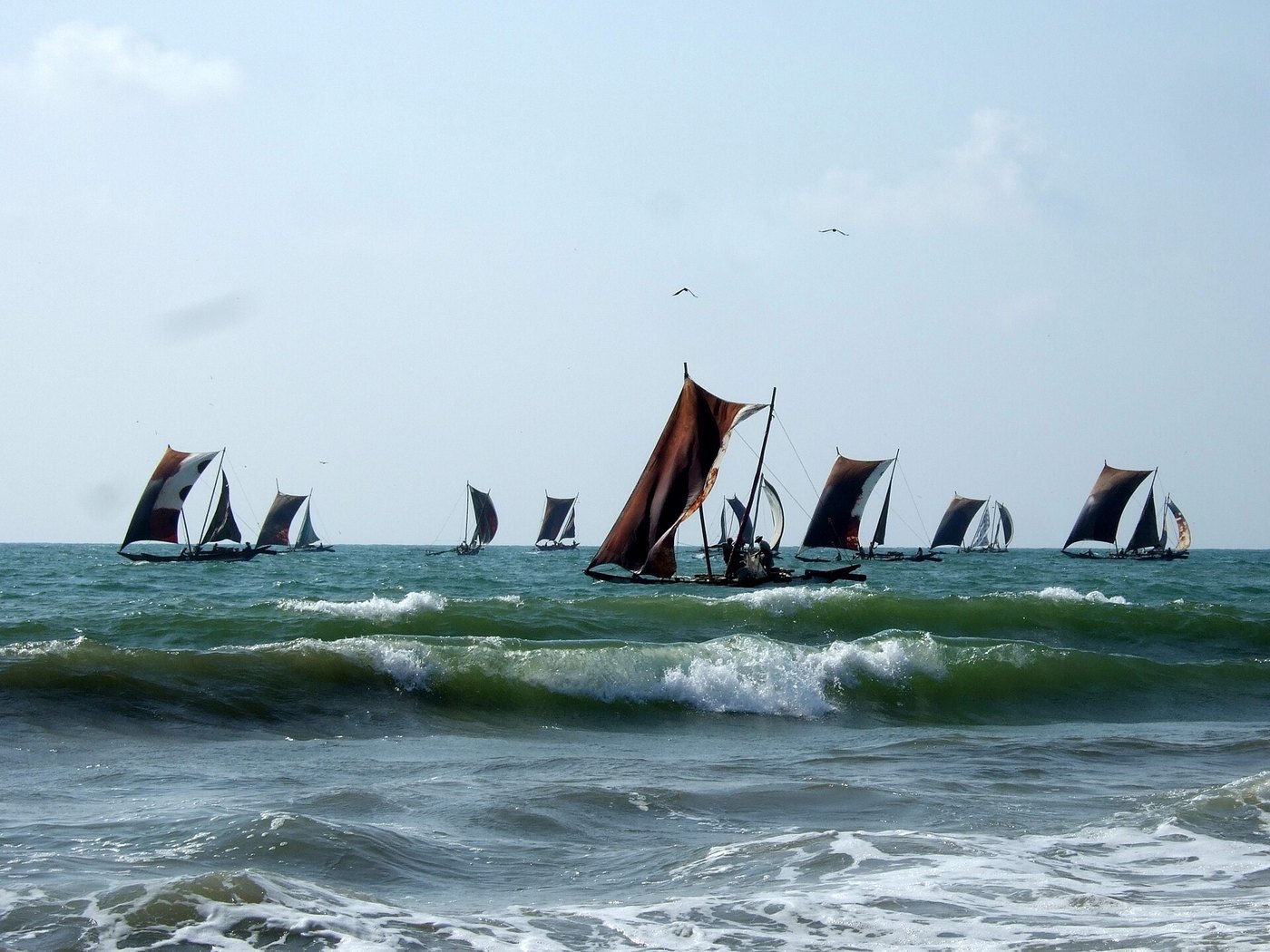
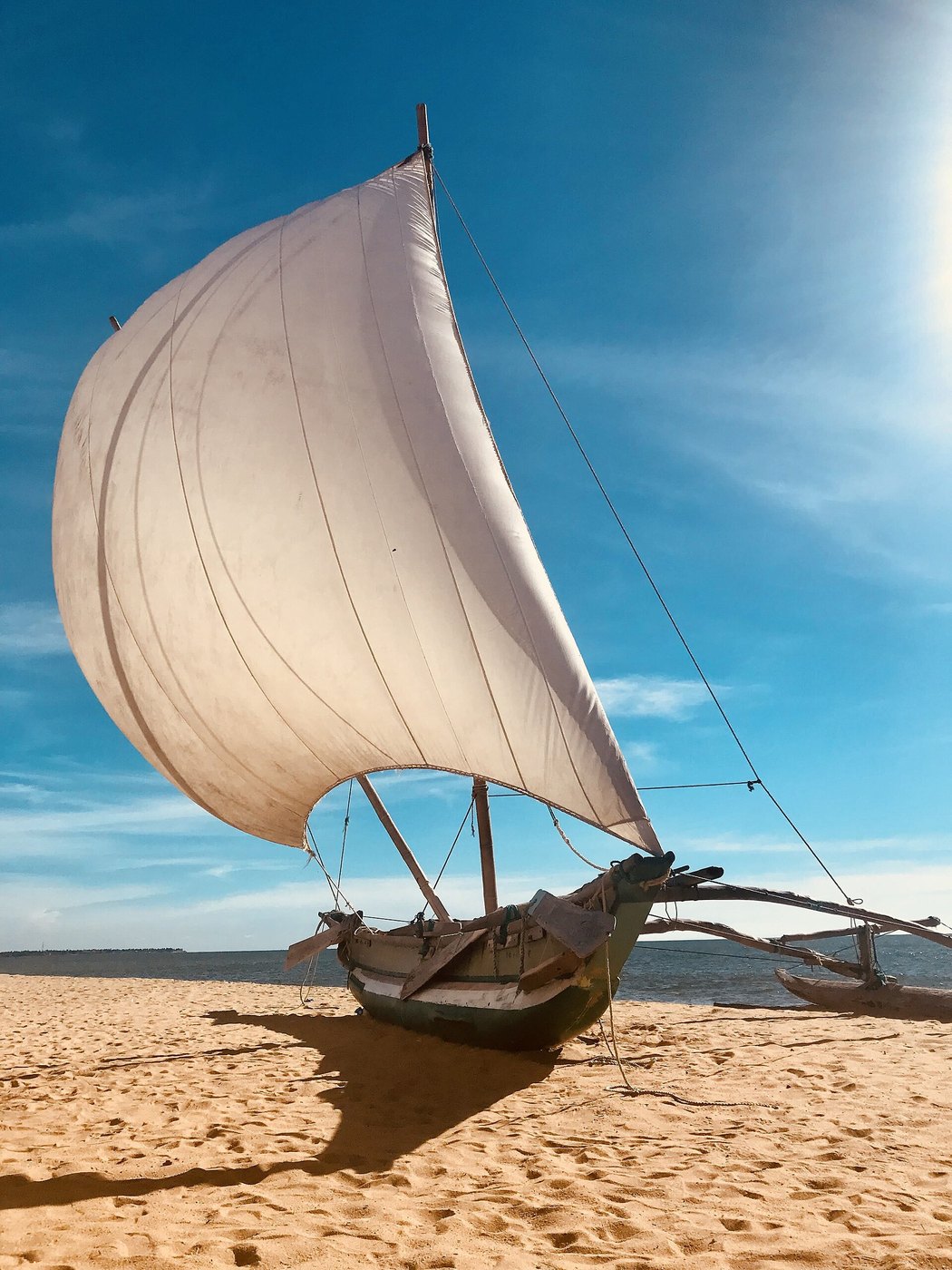
Traditional outrigger sailing boats heading out over green waves

Negombo is a lively fishing town on the west coast, only about twenty minutes from the international airport, which makes it an easy first or last night of a trip. It has a long sandy beach, a wide lagoon and a strong Catholic heritage, with so many churches that it is sometimes called "Little Rome".

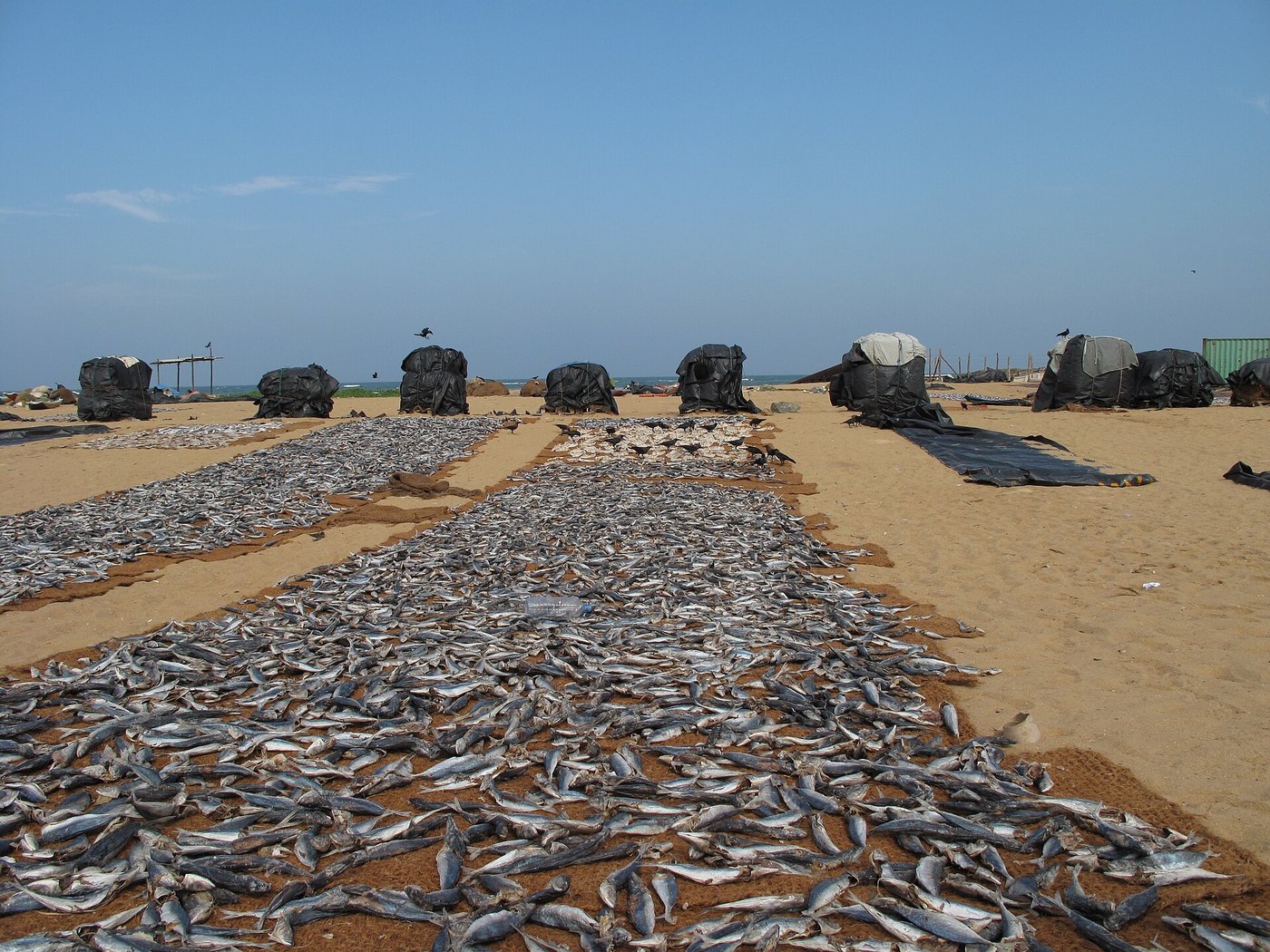
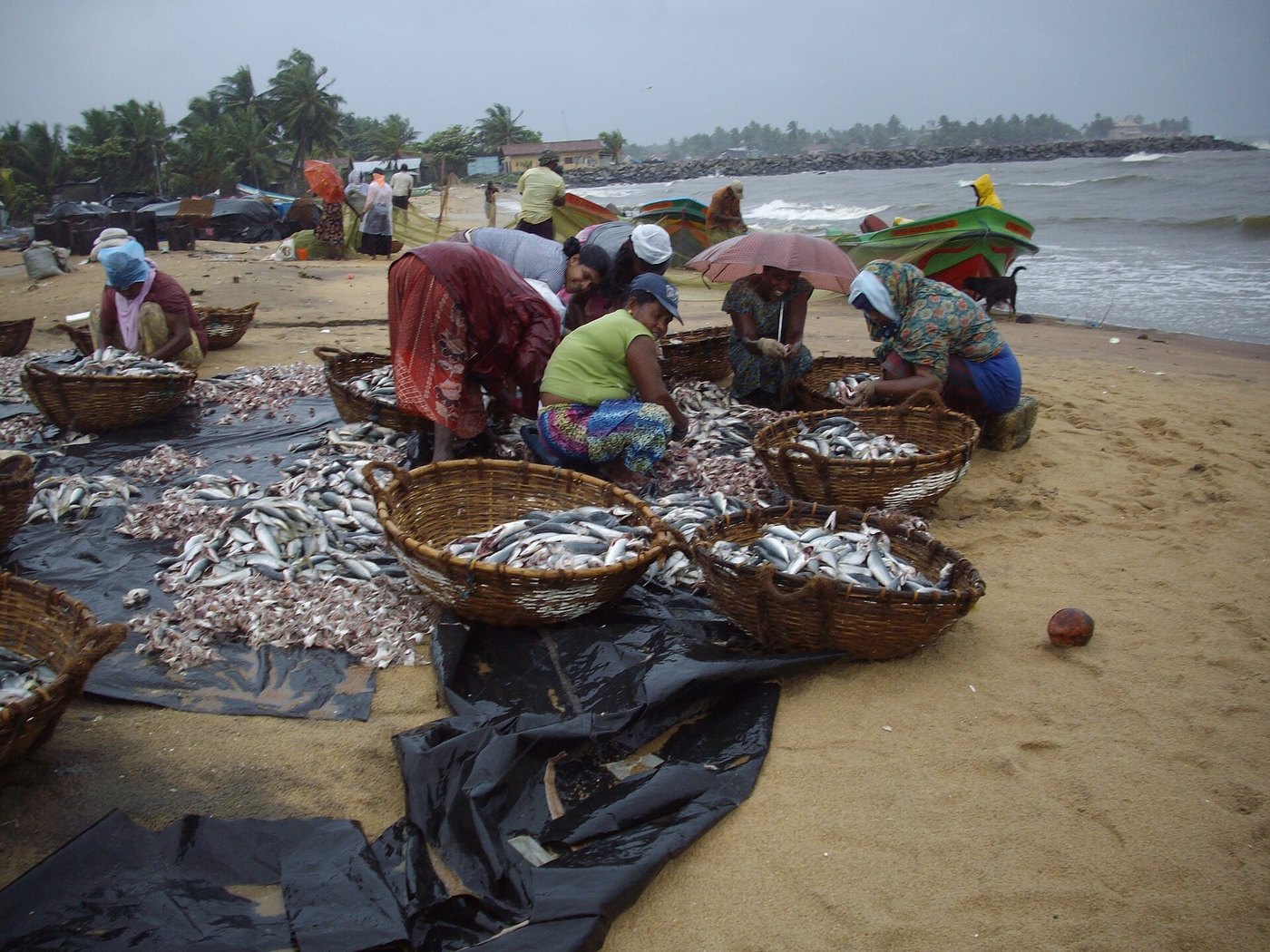
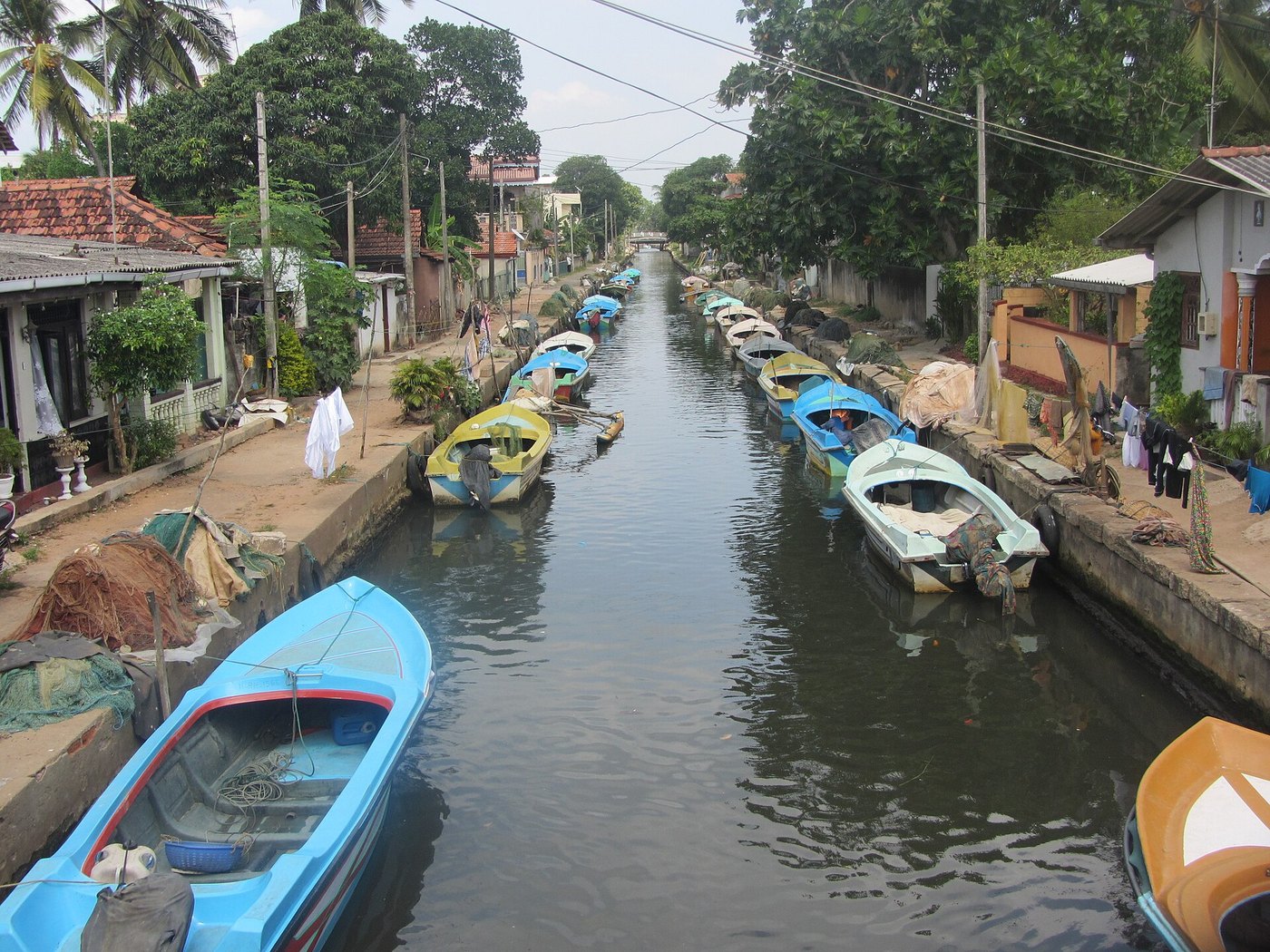
Mornings are the time to see the town at work. Fishing boats come in to the busy fish market, and along the beach whole stretches of sand are covered with fish laid out to dry in the sun. The traditional oruwa, an outrigger canoe with a big square sail, still heads out from the shore. Take a boat along the old Dutch canal, which runs through the town and down towards Colombo, or out onto the lagoon and into the Muthurajawela marshes for birds and mangroves.

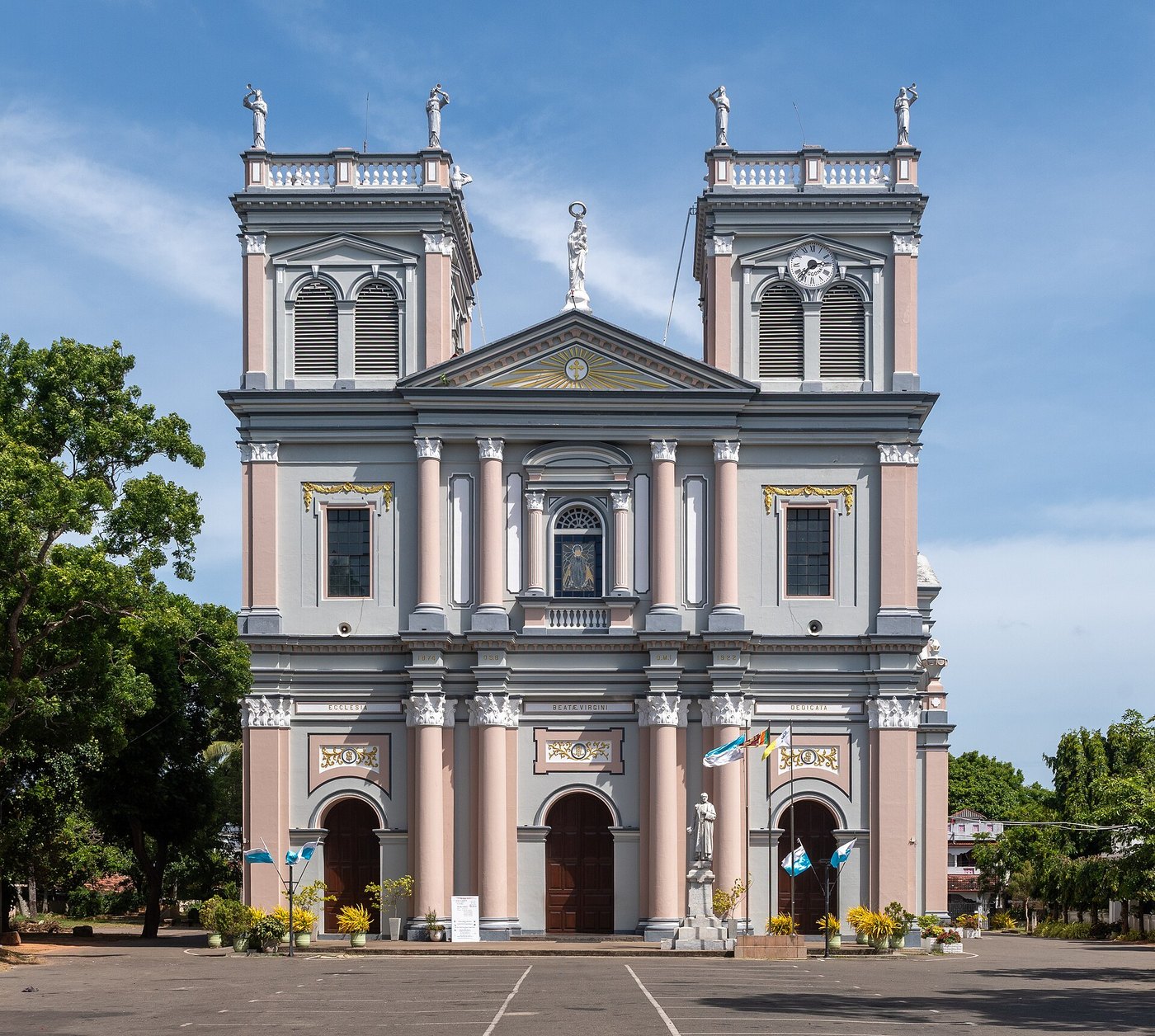
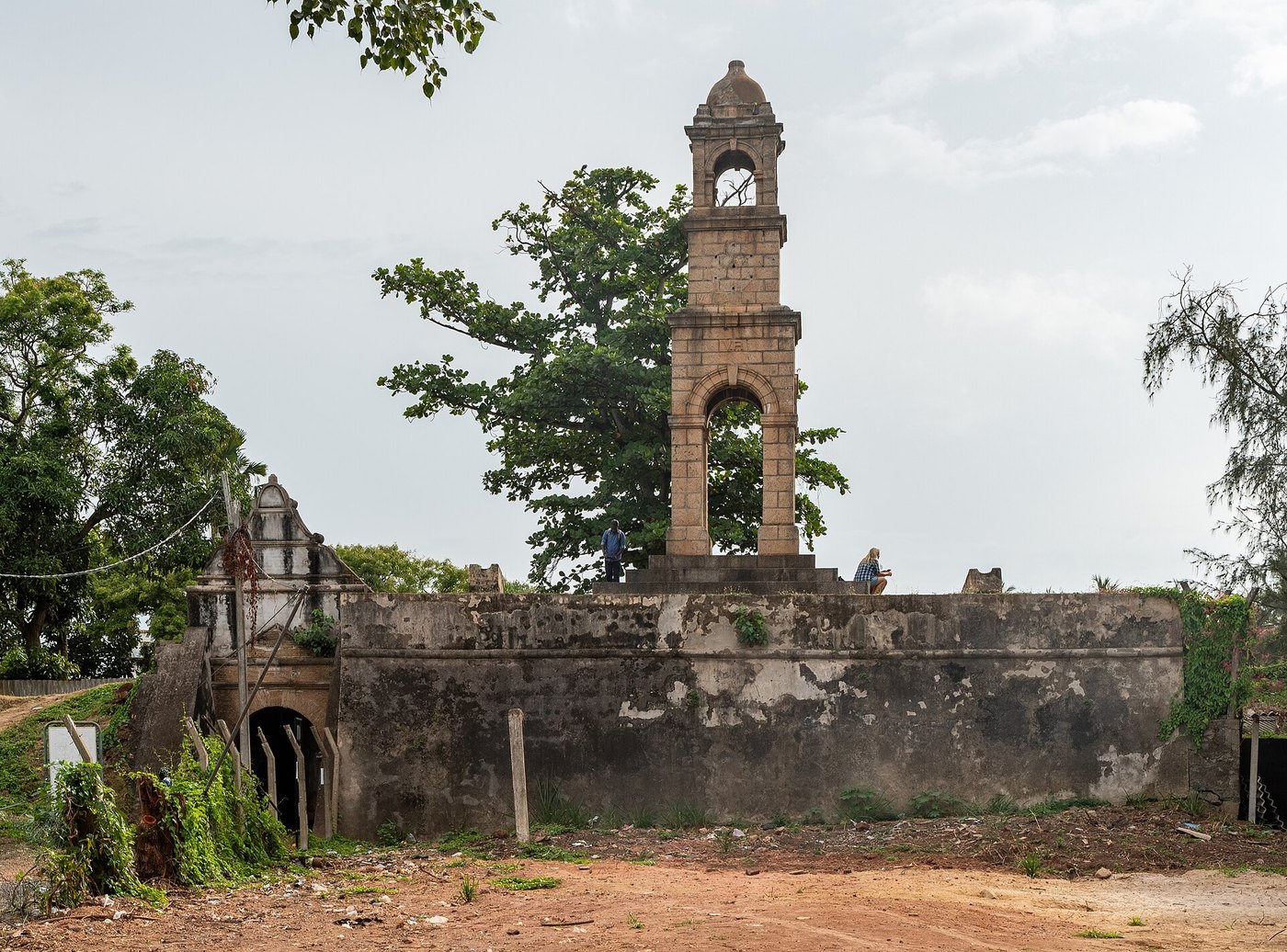
In town, St Mary's Church has a beautifully painted ceiling, and the gateway and clock tower of the old Dutch fort still stand by the lagoon. In the evening, the beach road is lined with seafood restaurants.

When November to April, when the west coast is dry and the sea is calm

Highlights

  • The early morning fish market and the fish drying on the beach
  • Oruwa outrigger boats with their great square sails
  • A boat ride on the Dutch canal and the lagoon
  • St Mary's Church and the old Dutch fort
  • An easy first or last night, close to the airport
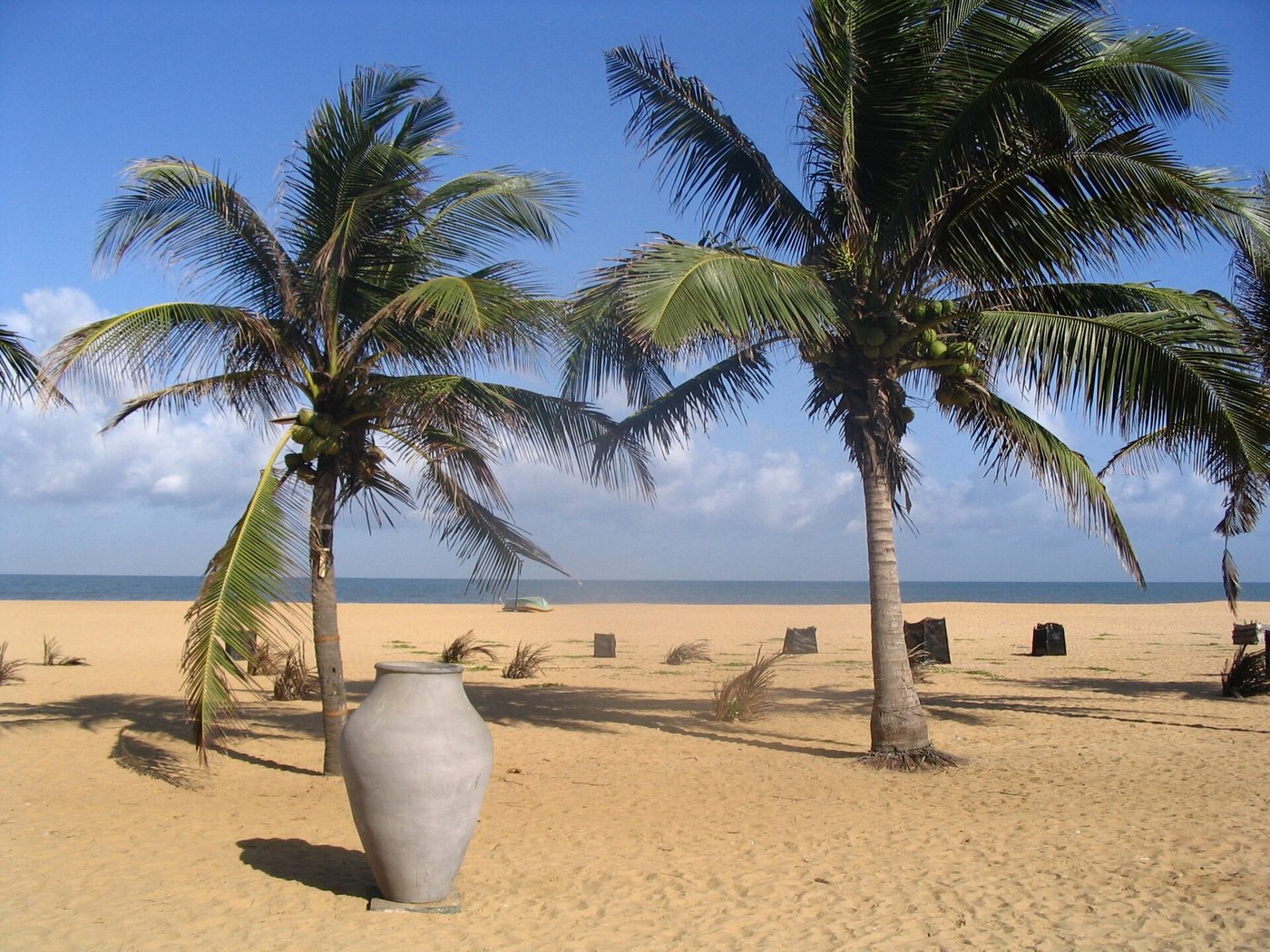
A traditional outrigger canoe with a large white sail pulled up on the sand Long rows of fish laid out to dry on the sand Women sorting fish from baskets on the beach Colourful boats moored along a canal lined with houses and palms The pink and grey twin-towered front of St Mary's Church Two palm trees and a clay pot on a sunny sandy beach The stone gateway and clock tower of the old Dutch fort

Wildlife

Sri Lanka's wildlife parks

For an island this size, the wildlife is extraordinary: leopards, some of the largest gatherings of Asian elephants on earth, sloth bears and more than 400 species of birds. These are the parks and forests we build safaris around.

Yala National Park

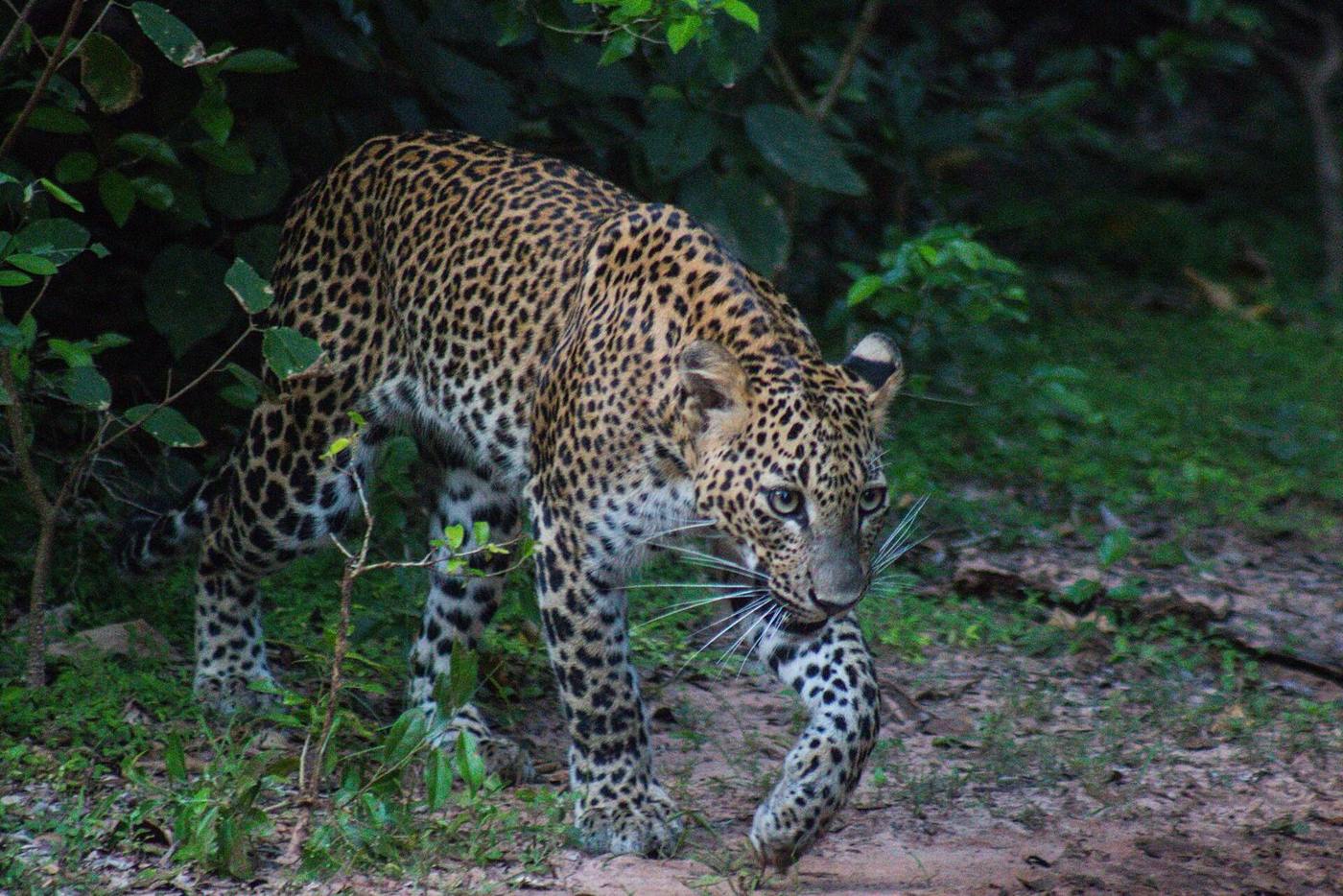
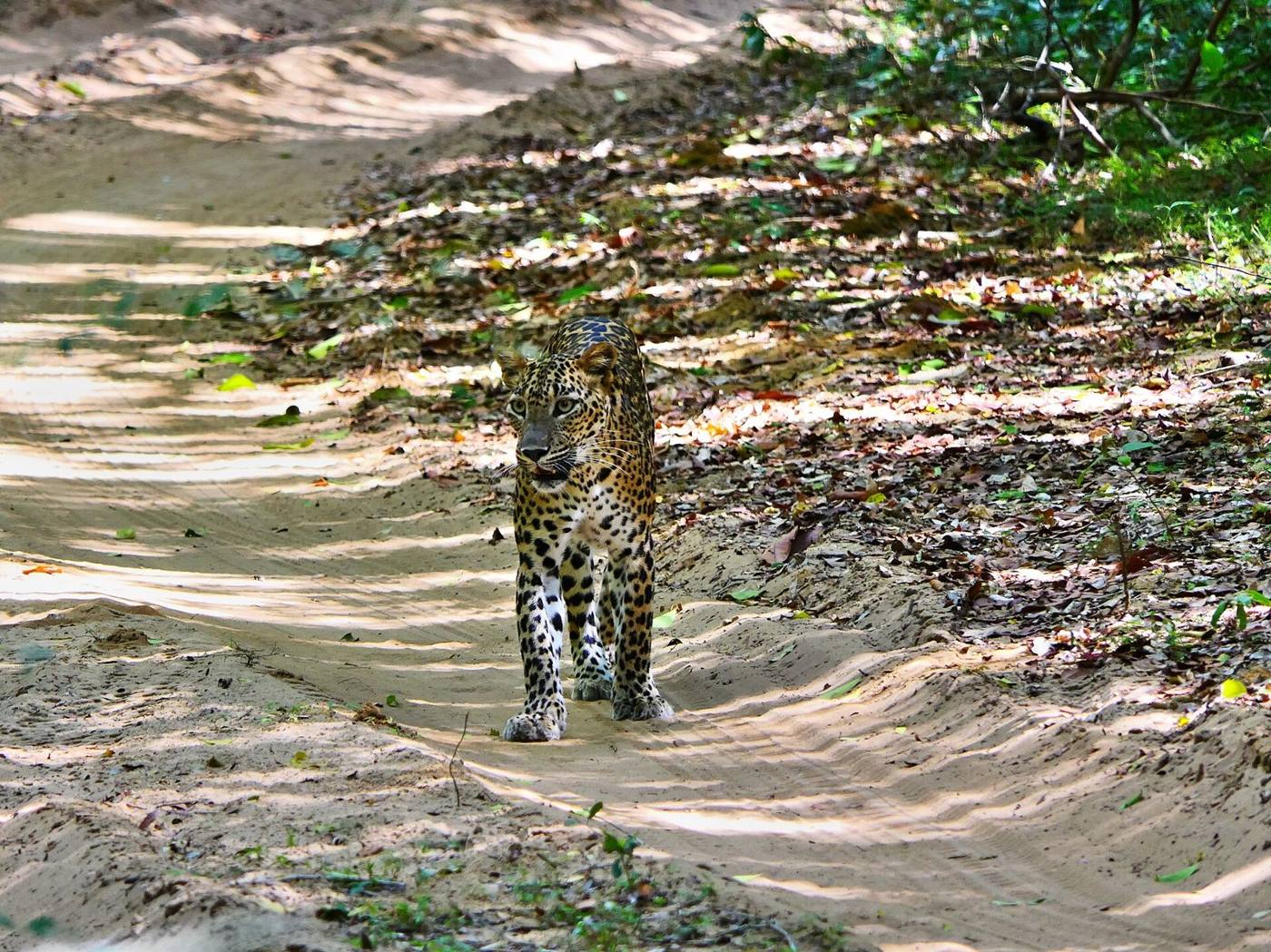
A Sri Lankan leopard walking through green undergrowth

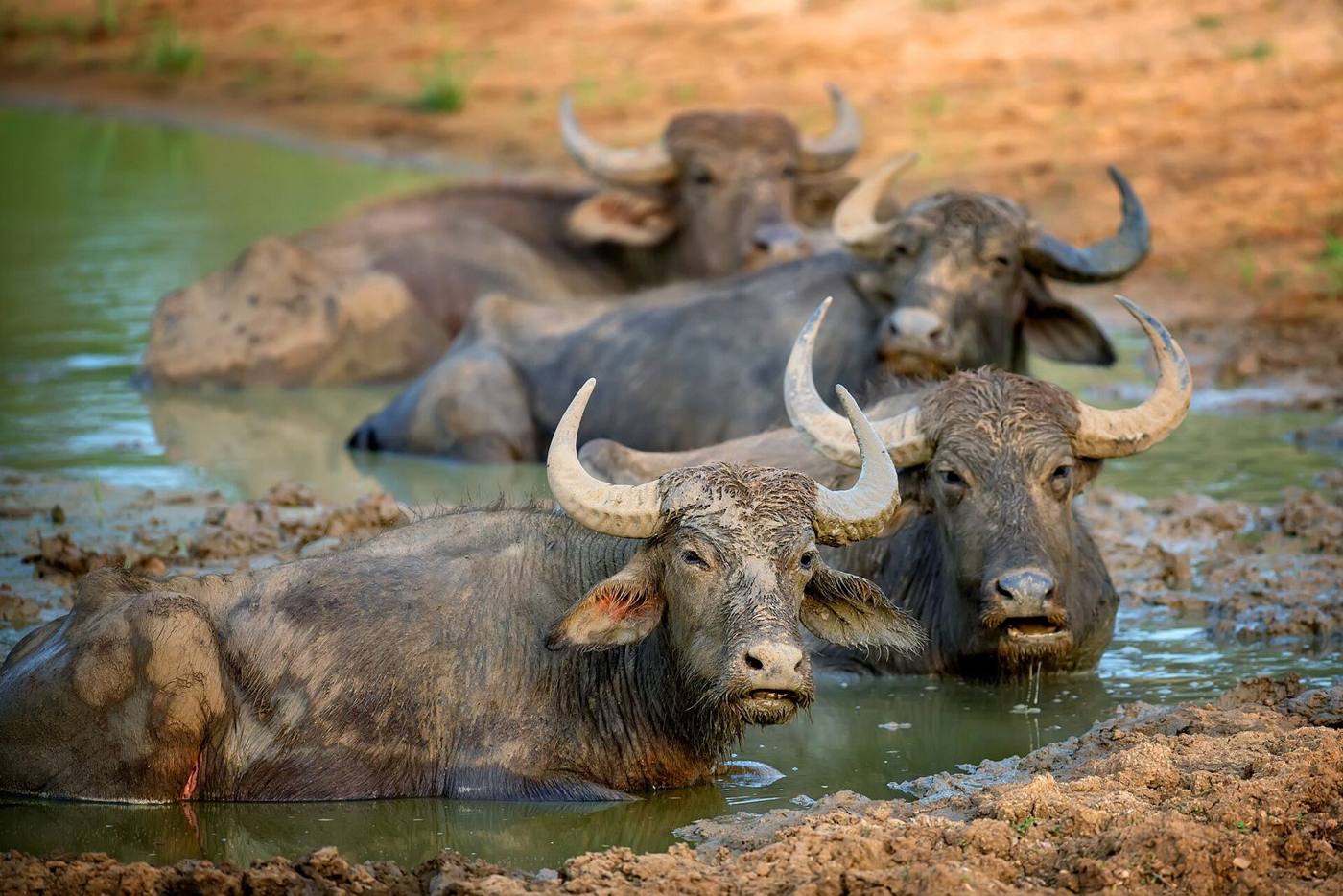
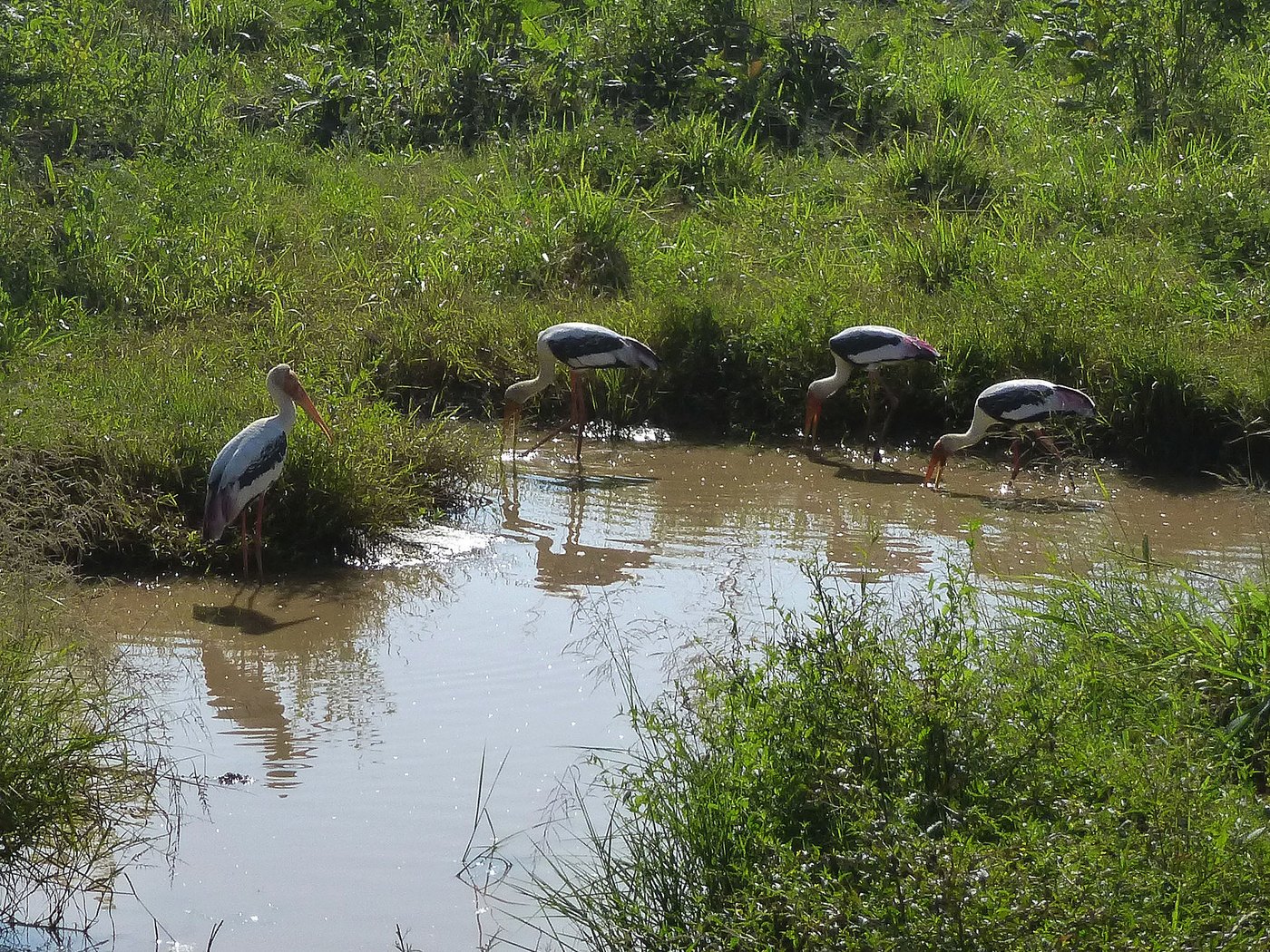
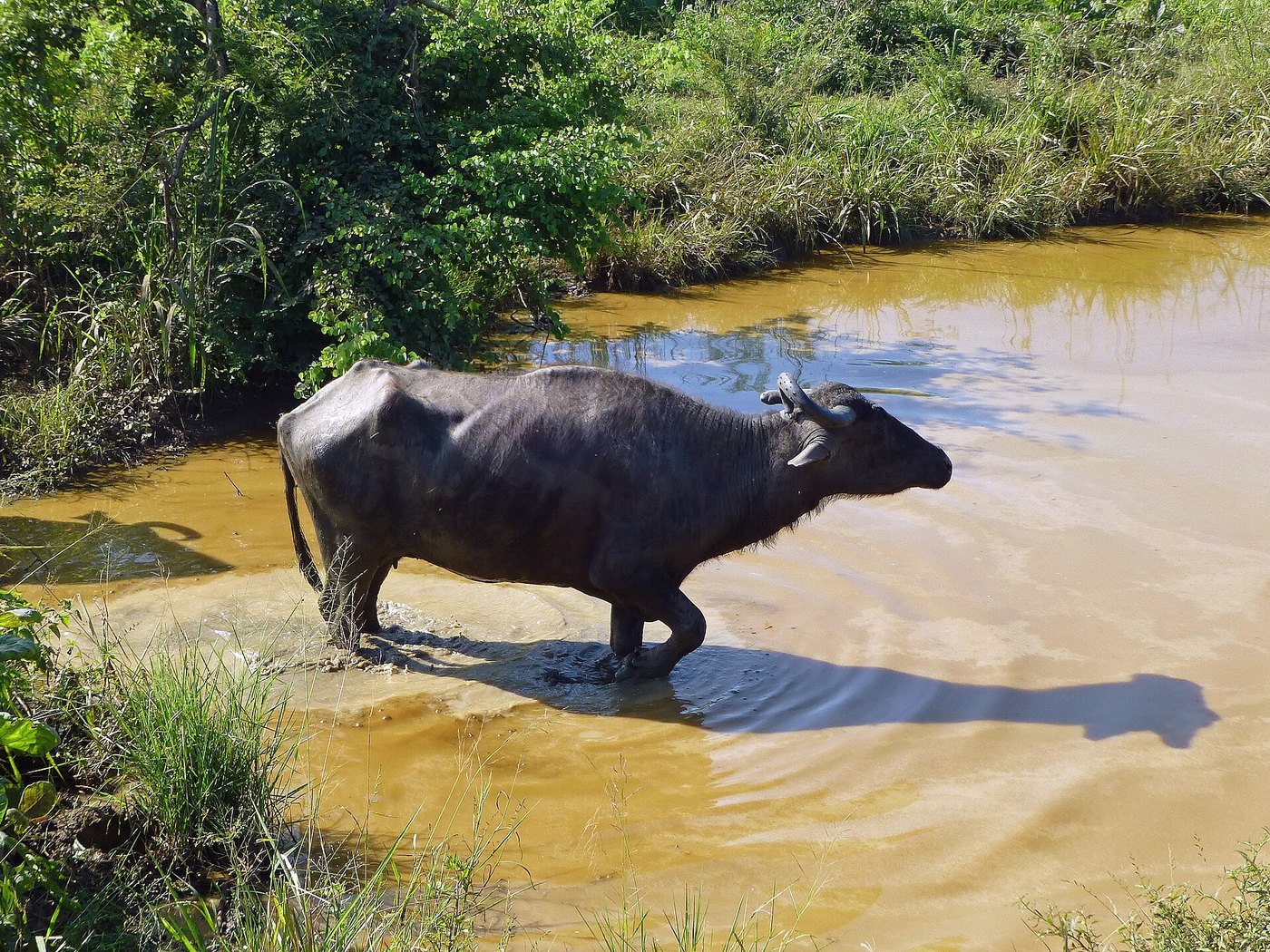
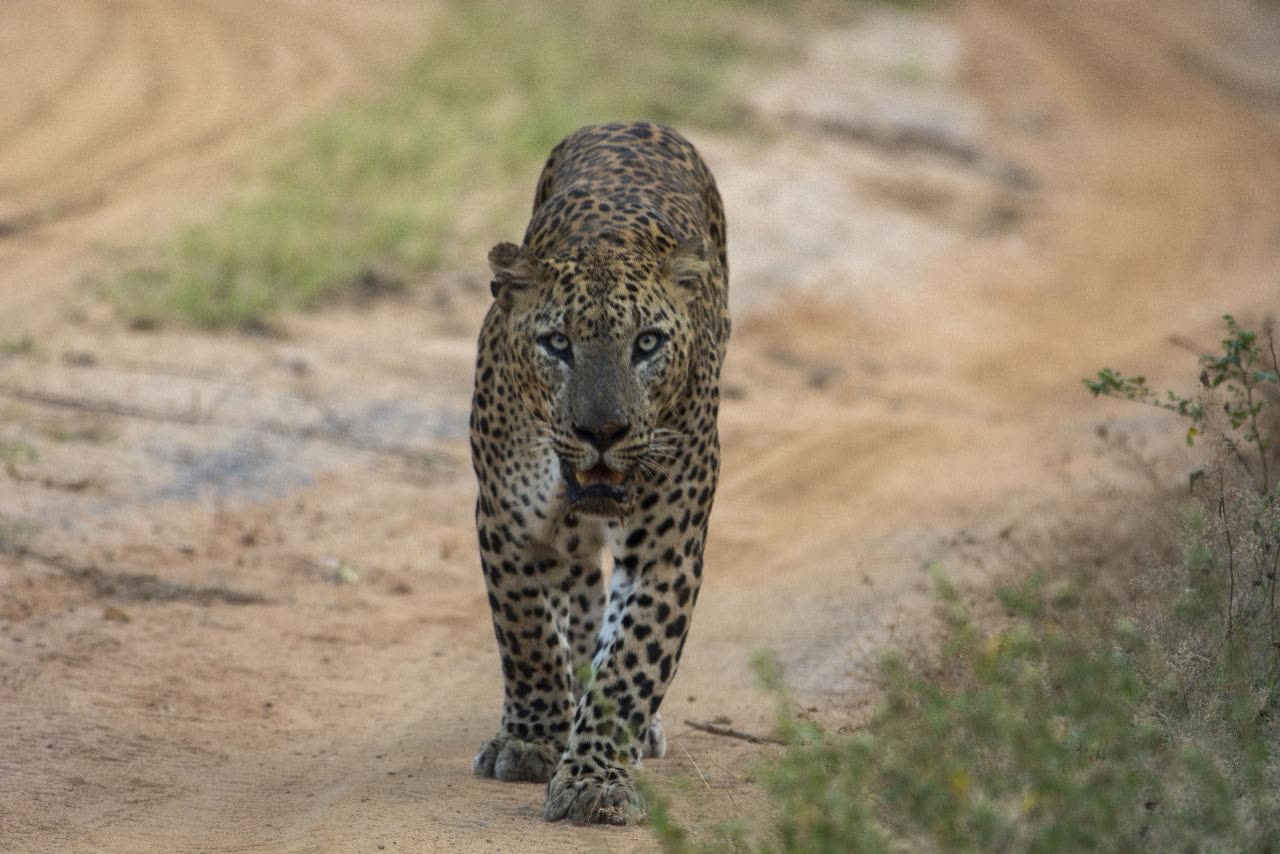
Yala is Sri Lanka's best known park and one of the best places in the world to see a leopard, with one of the highest densities of the cat anywhere. Its scrub forest, rock outcrops and lagoons run right down to the south-east coast, and the same drive can bring elephants, sloth bears, crocodiles, water buffalo and painted storks.

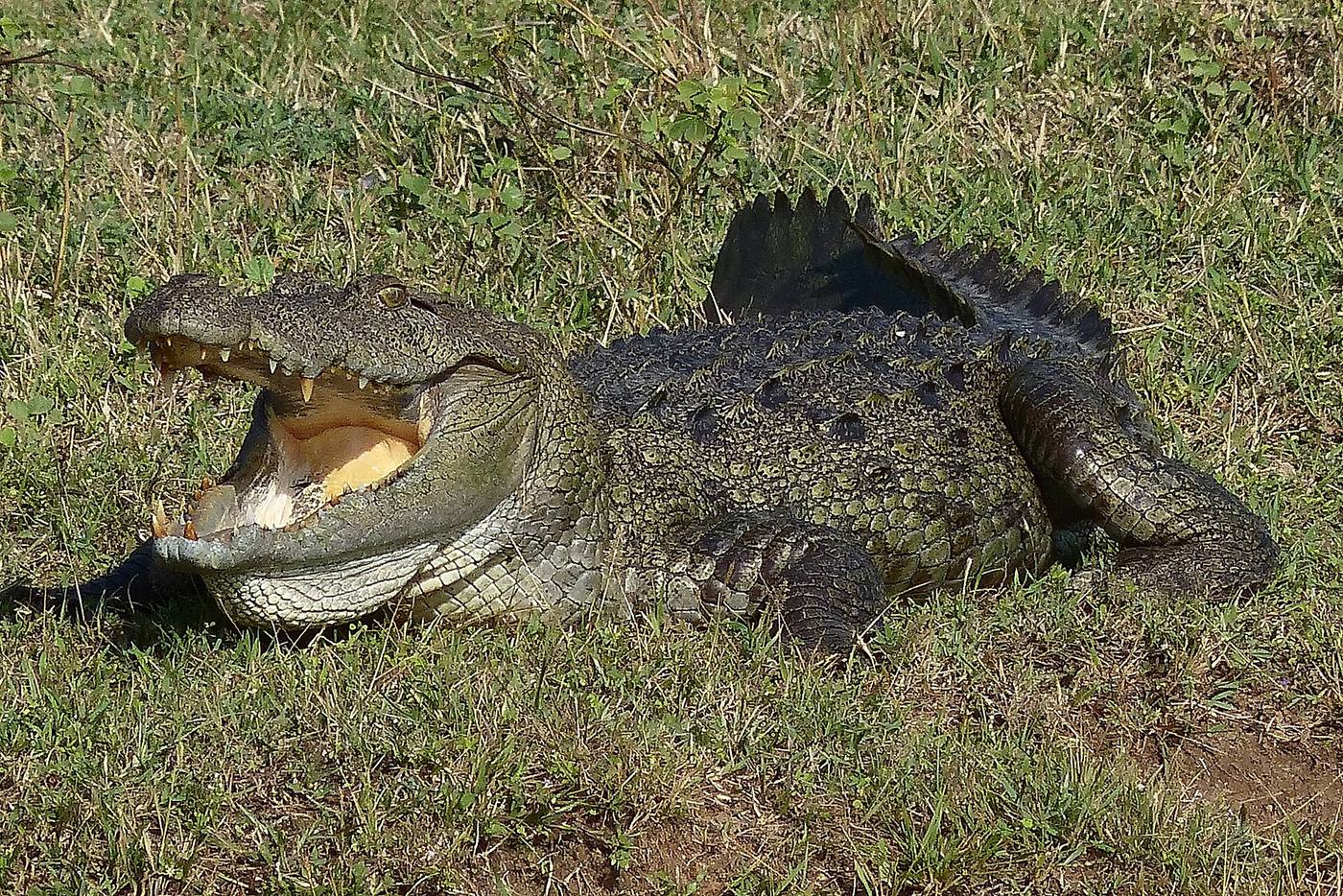
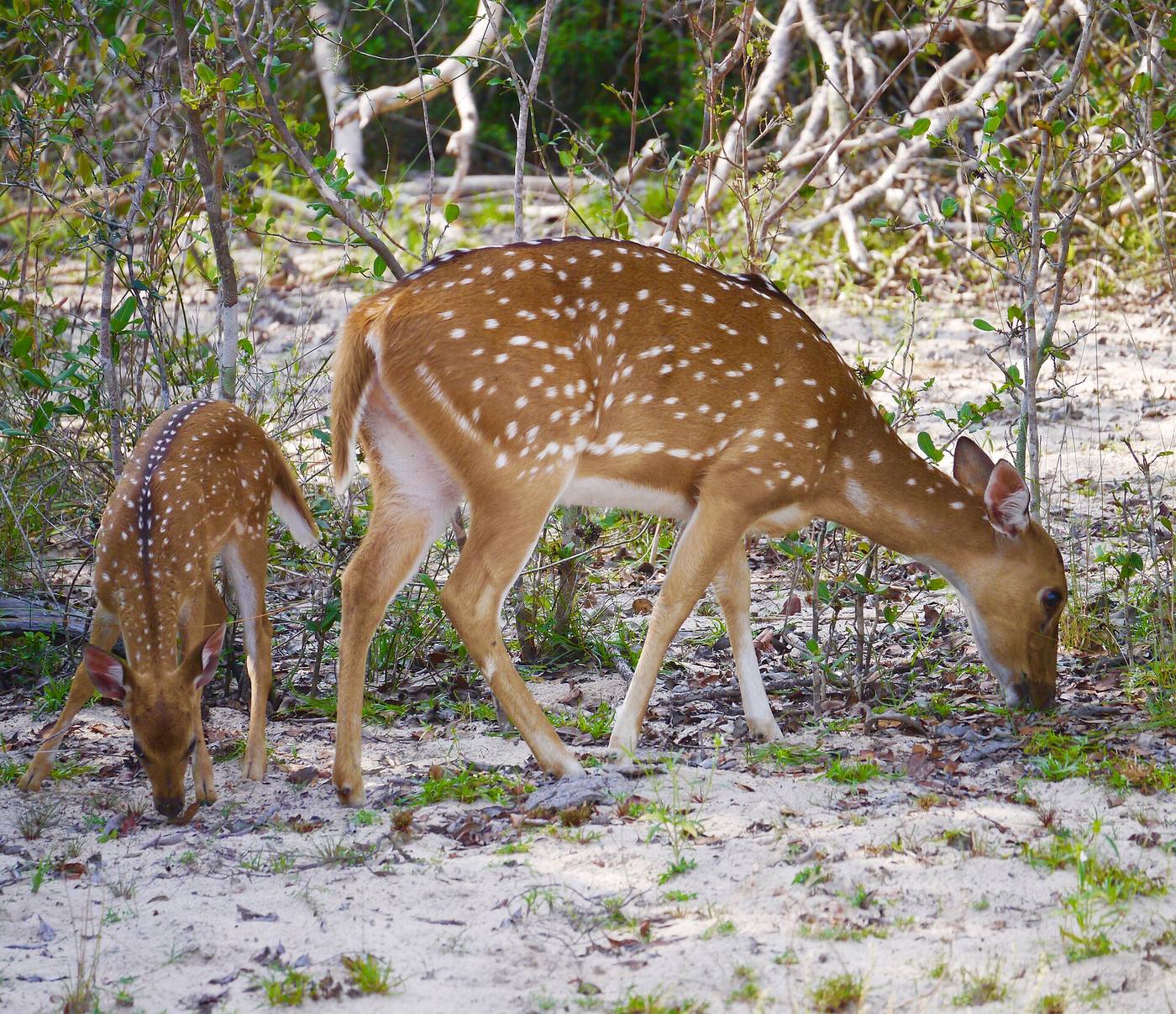
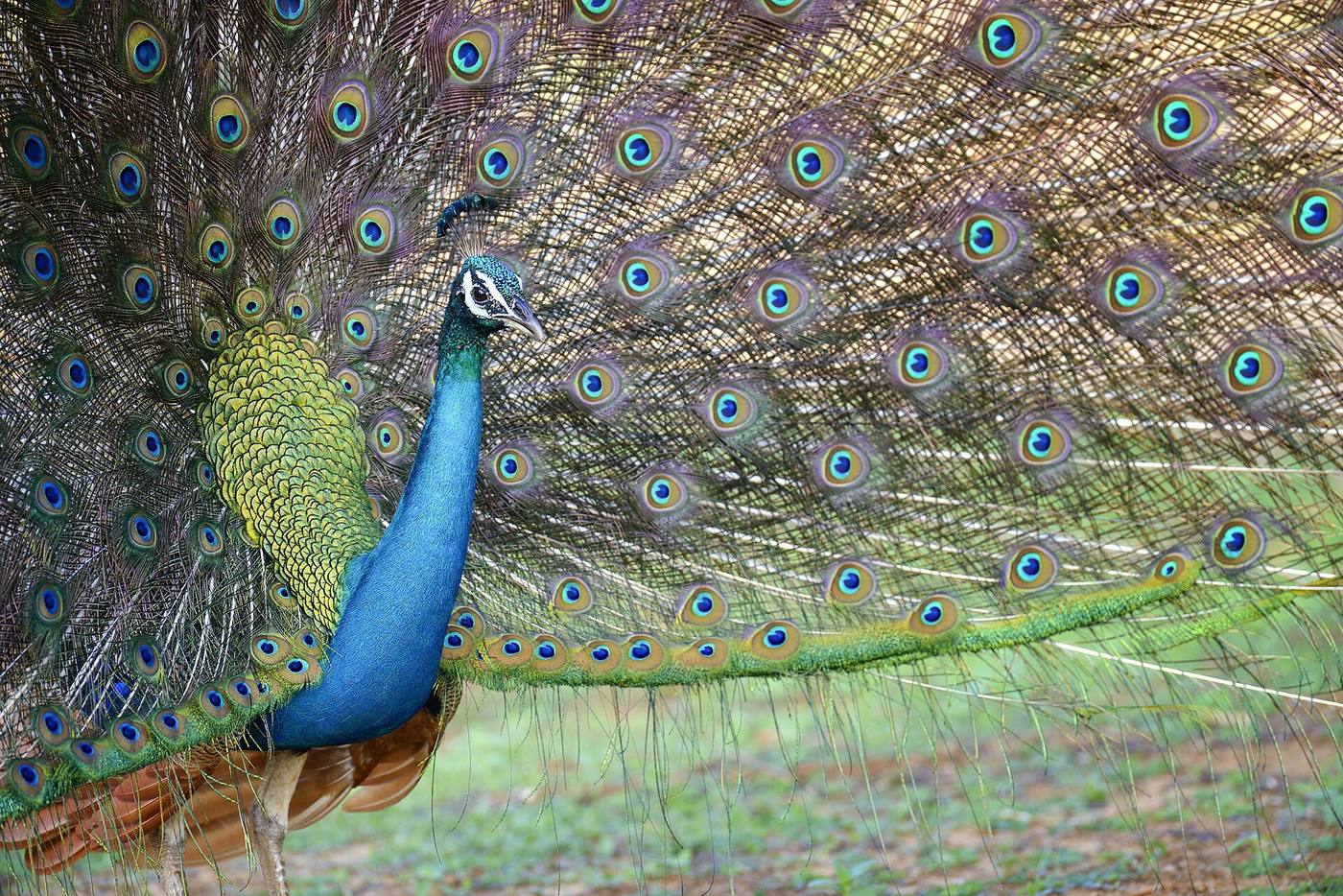
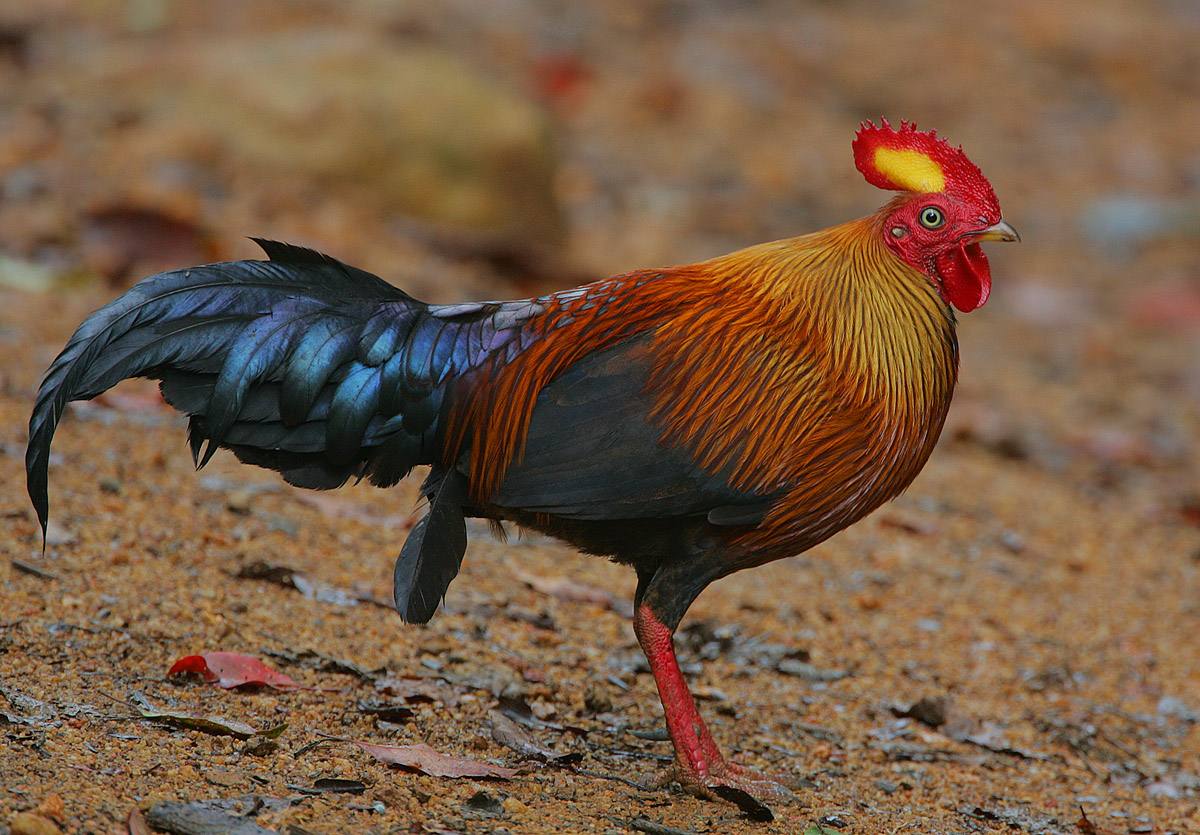
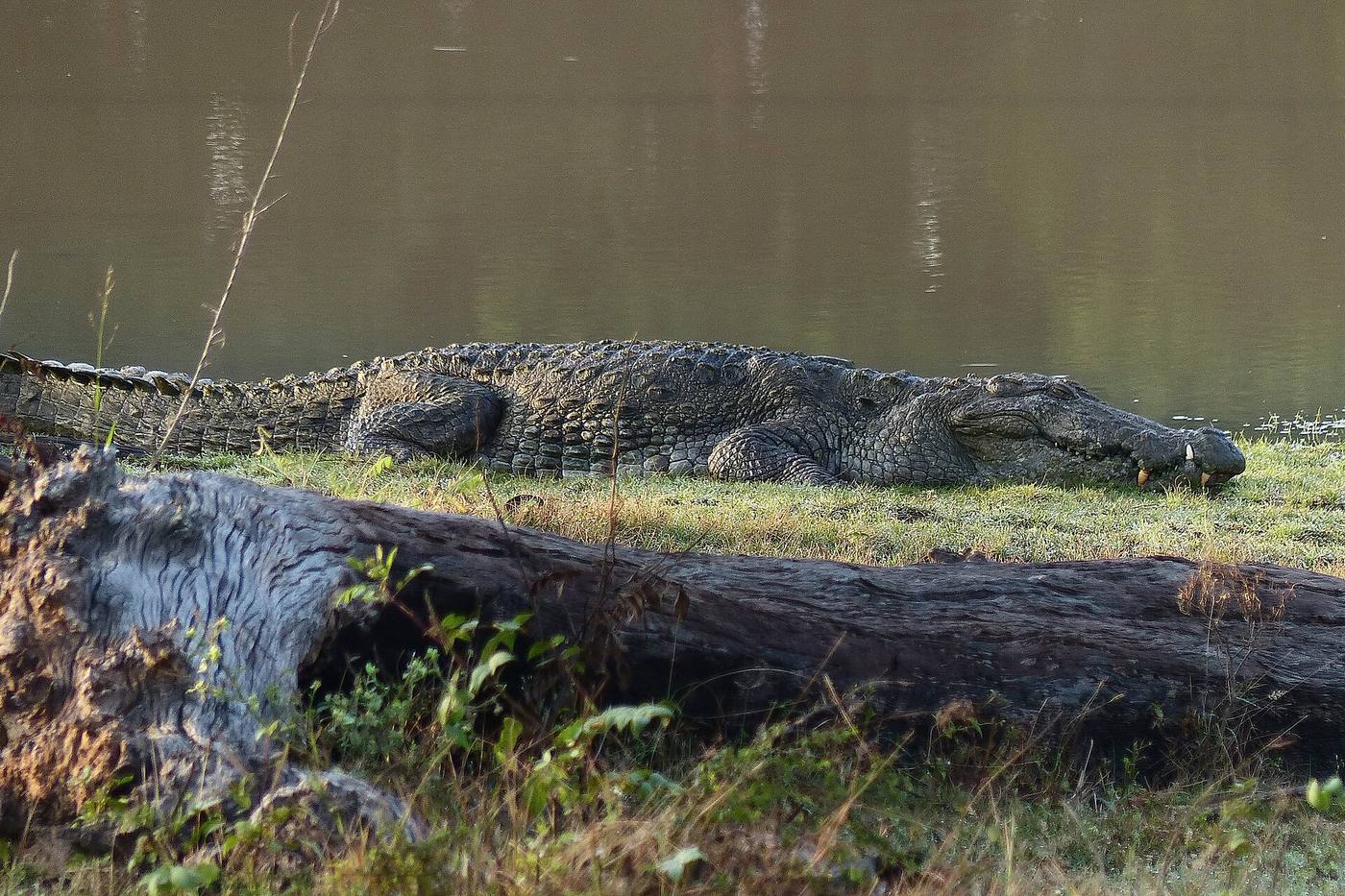
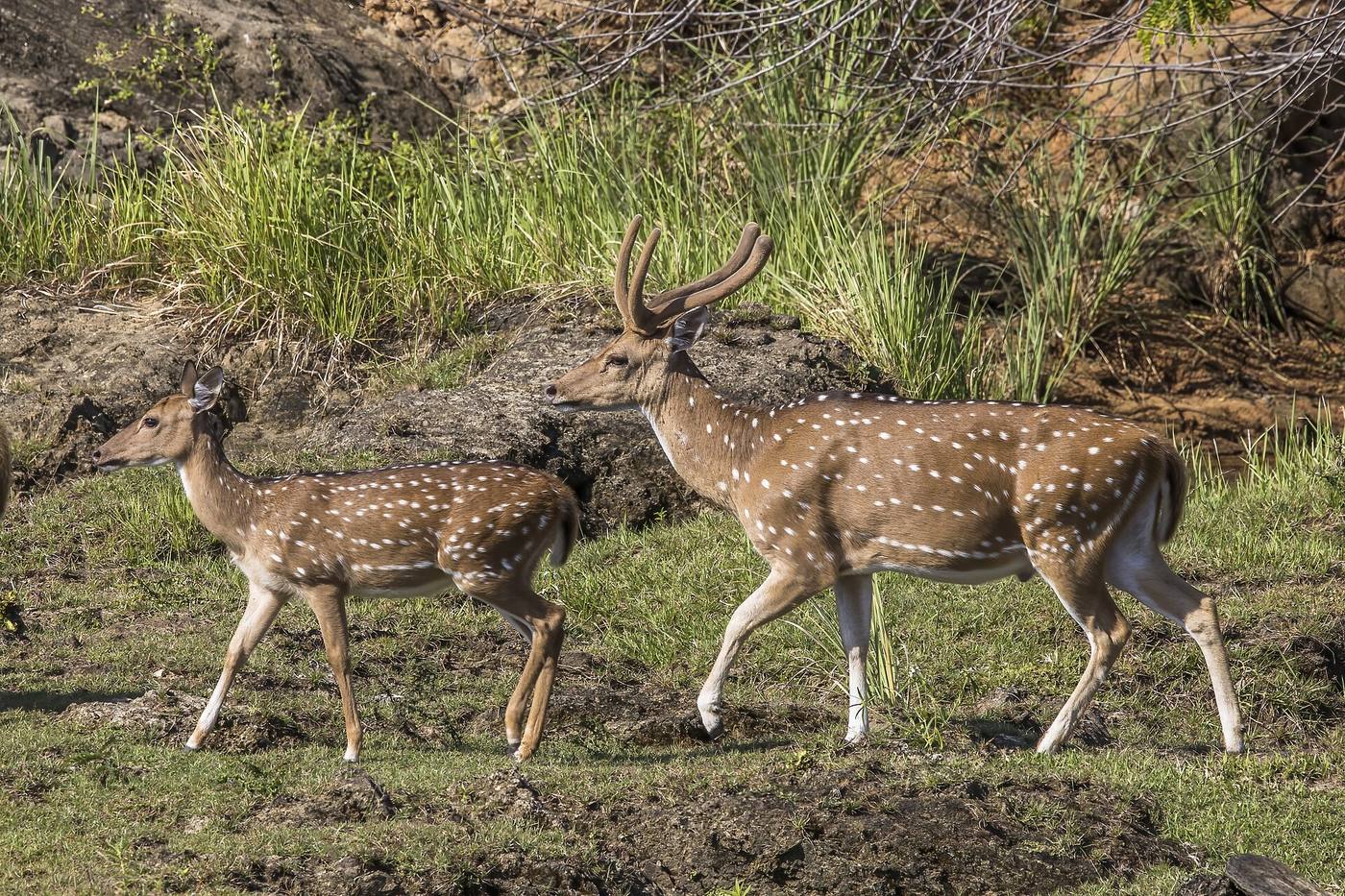
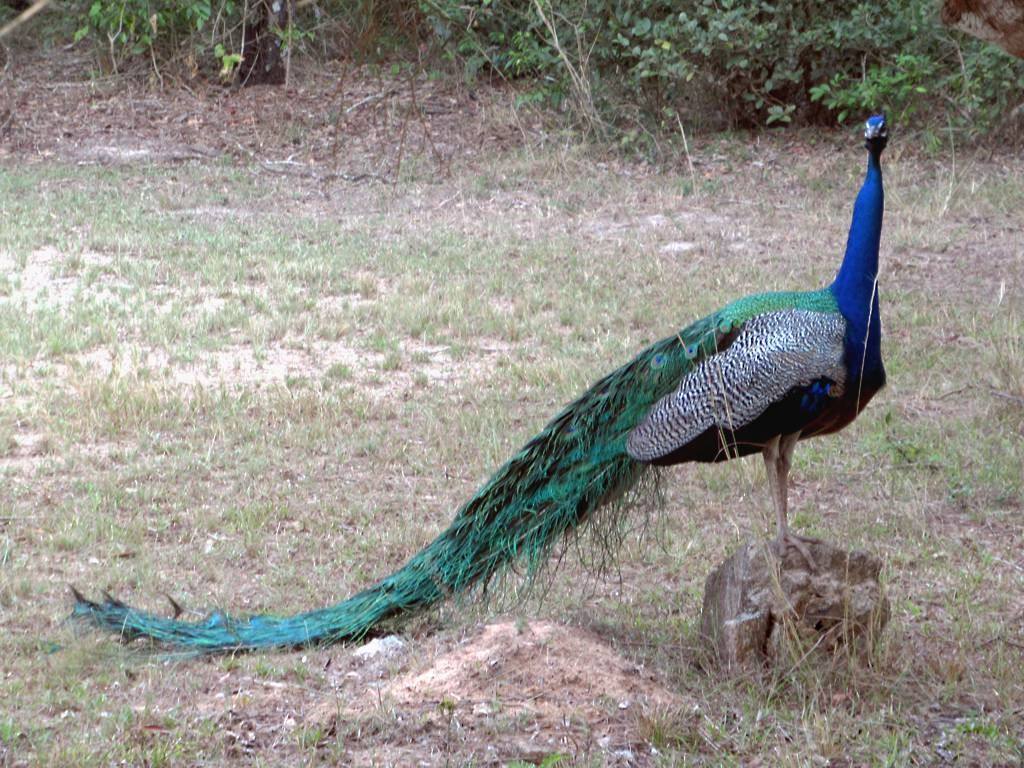
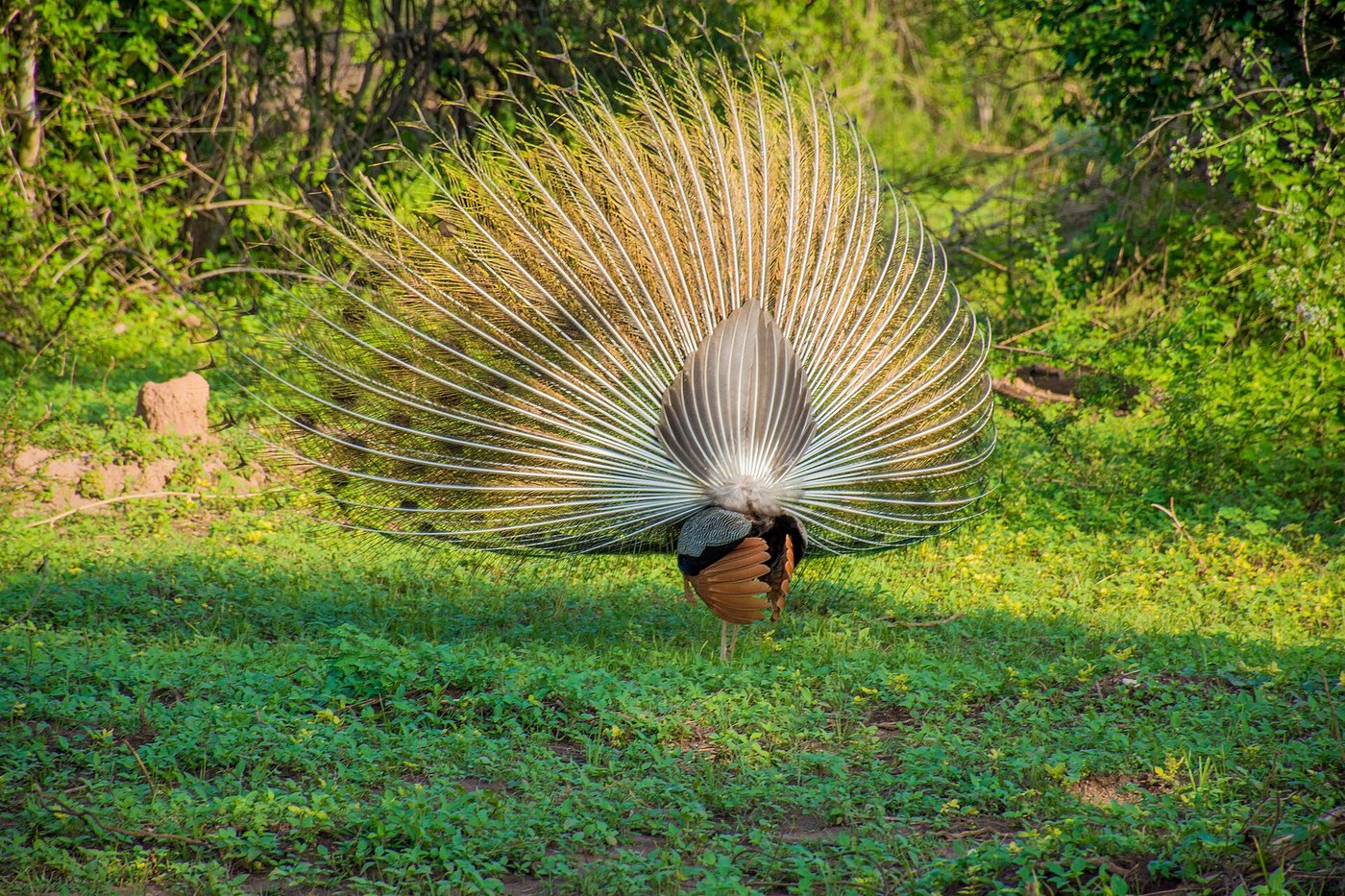
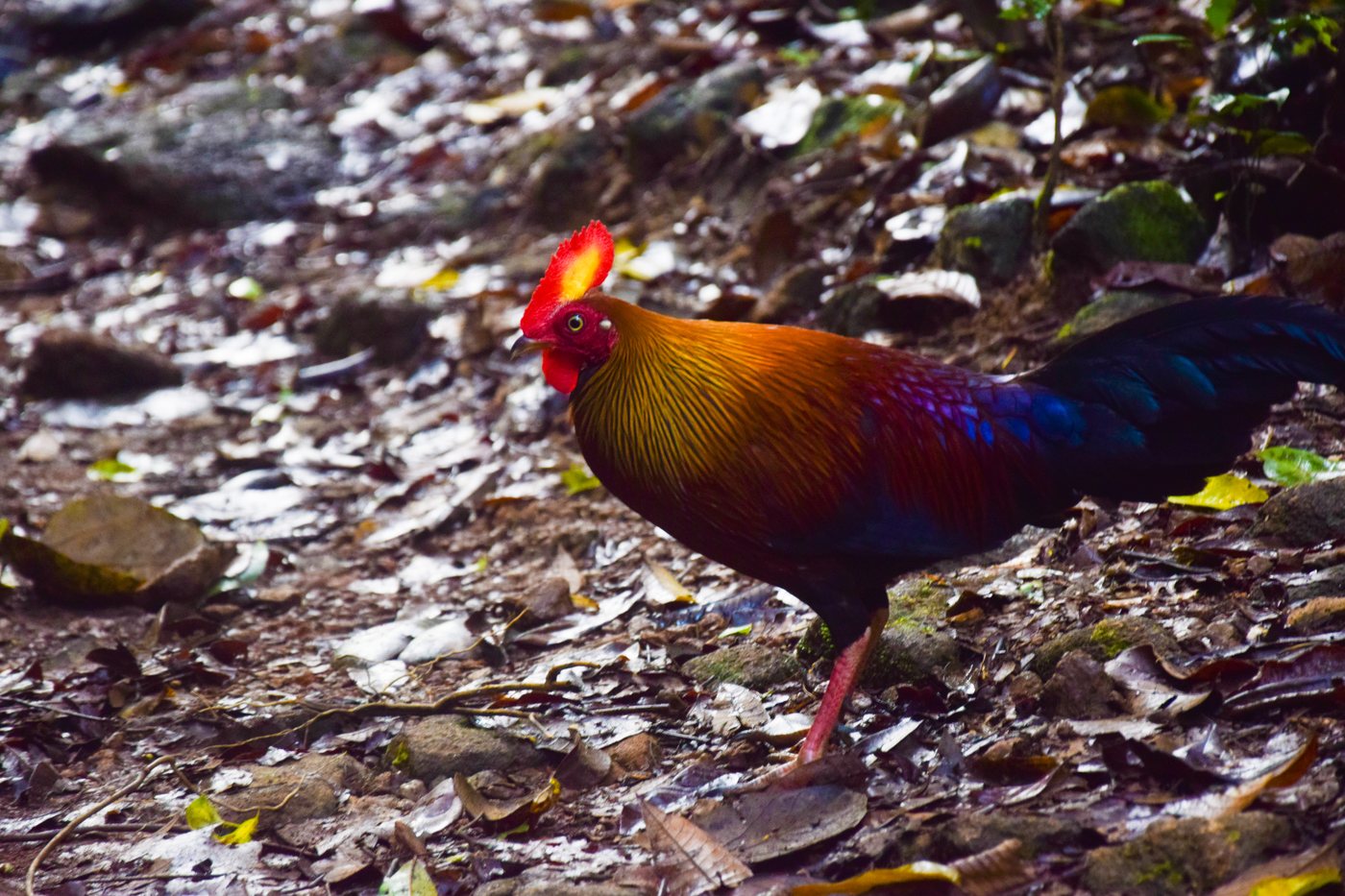
Every drive is full of life. Mugger crocodiles bask on the banks of the waterholes, herds of spotted deer graze in the open glades, and peacocks fan their tails across the tracks, especially in the breeding season. Look out too for the Sri Lanka junglefowl, the country's national bird, found nowhere else on earth, with the cock's bright red and gold plumage flashing through the undergrowth.

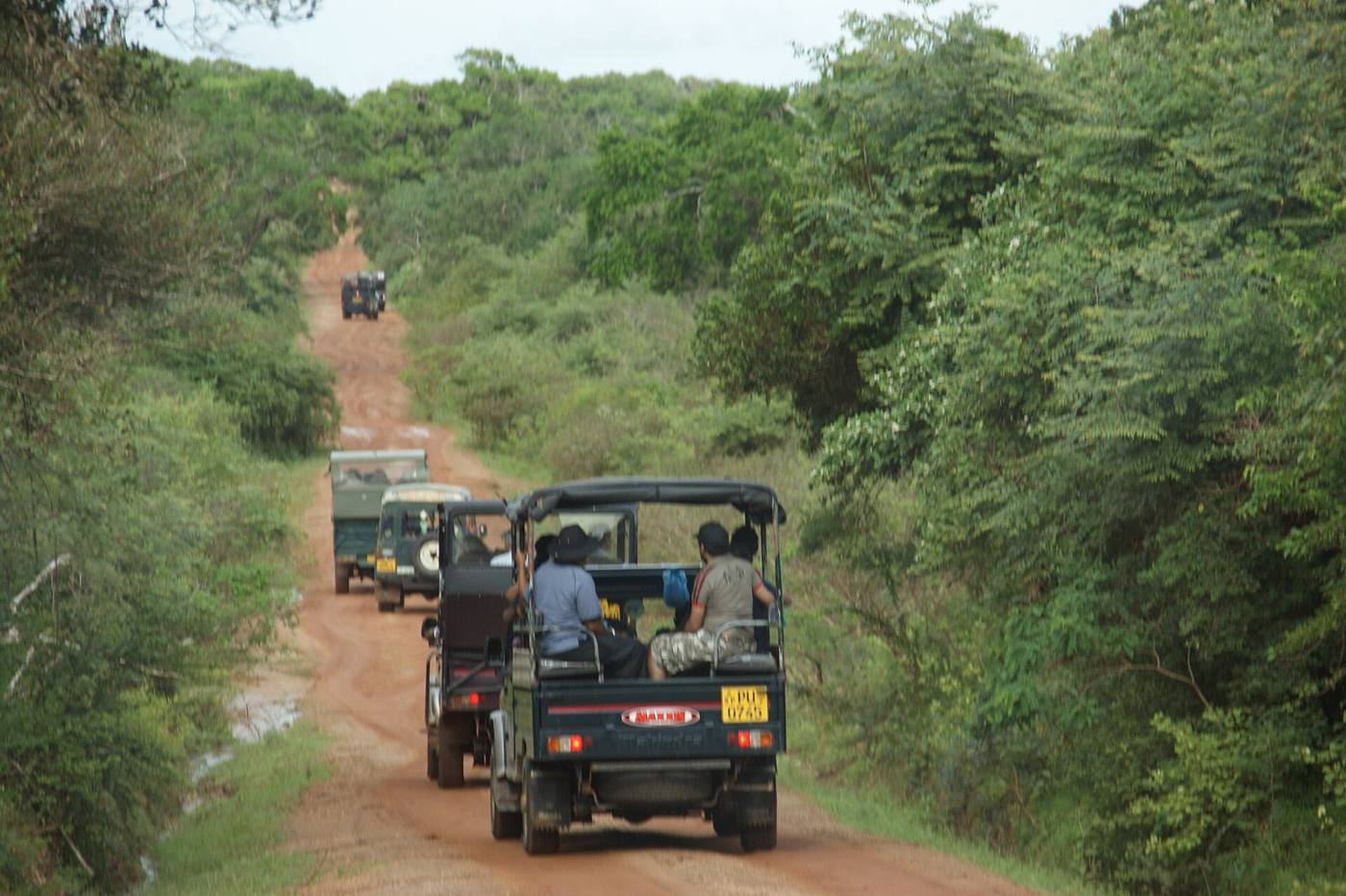
The main block can get busy, so we time drives for first light and late afternoon, when the cats are moving, and use the quieter blocks where they make sense. It is about two hours east of Mirissa, so it pairs naturally with the south coast.

When February to July. Usually closed for part of September and October

Highlights

  • Leopards, best at dawn and late afternoon
  • Elephants, sloth bears, crocodiles and water buffalo
  • Herds of spotted deer, and peacocks in full display
  • The Sri Lanka junglefowl, and over 200 other bird species
  • Lagoons and wild beaches on the south-east coast
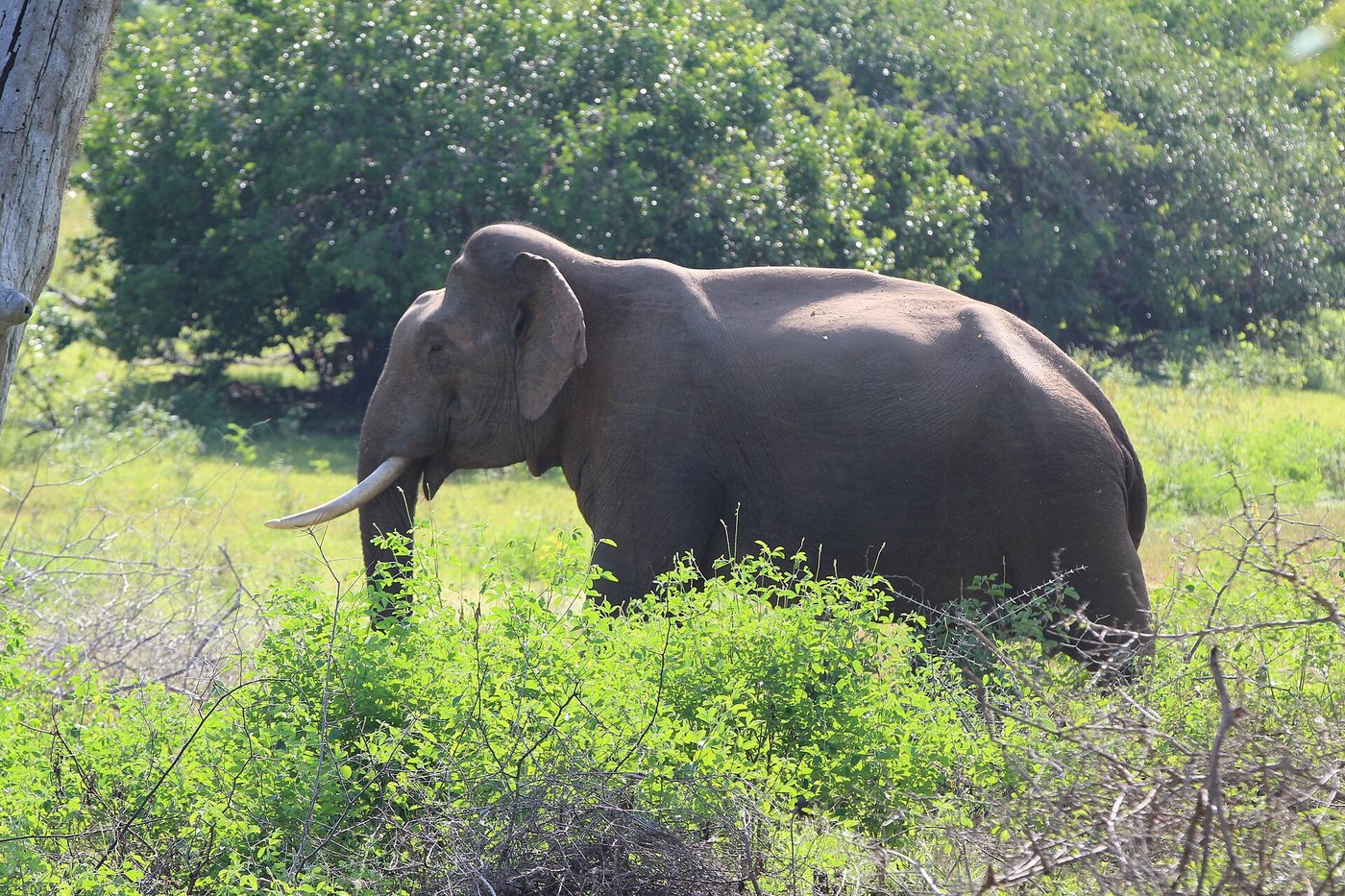
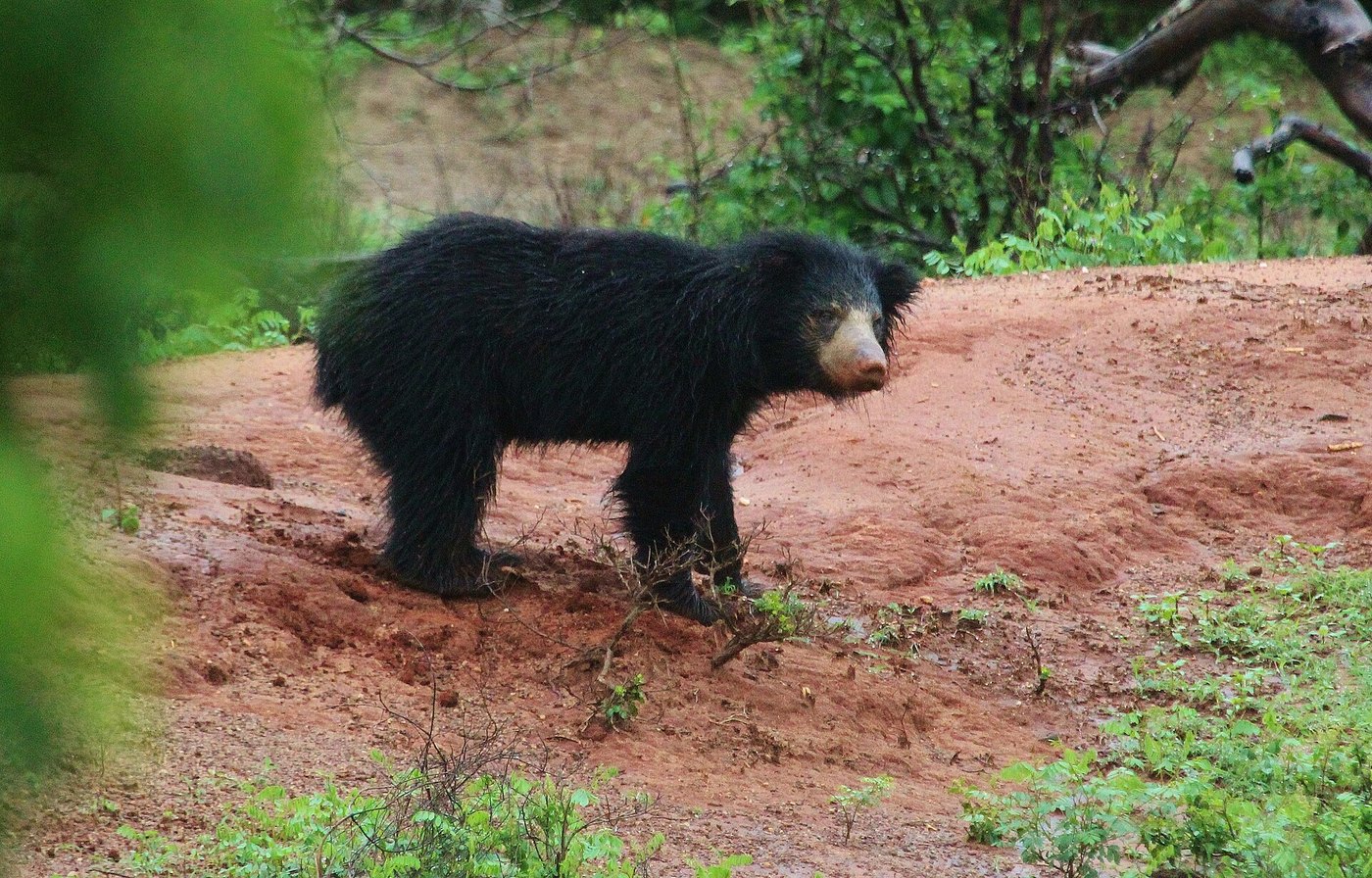
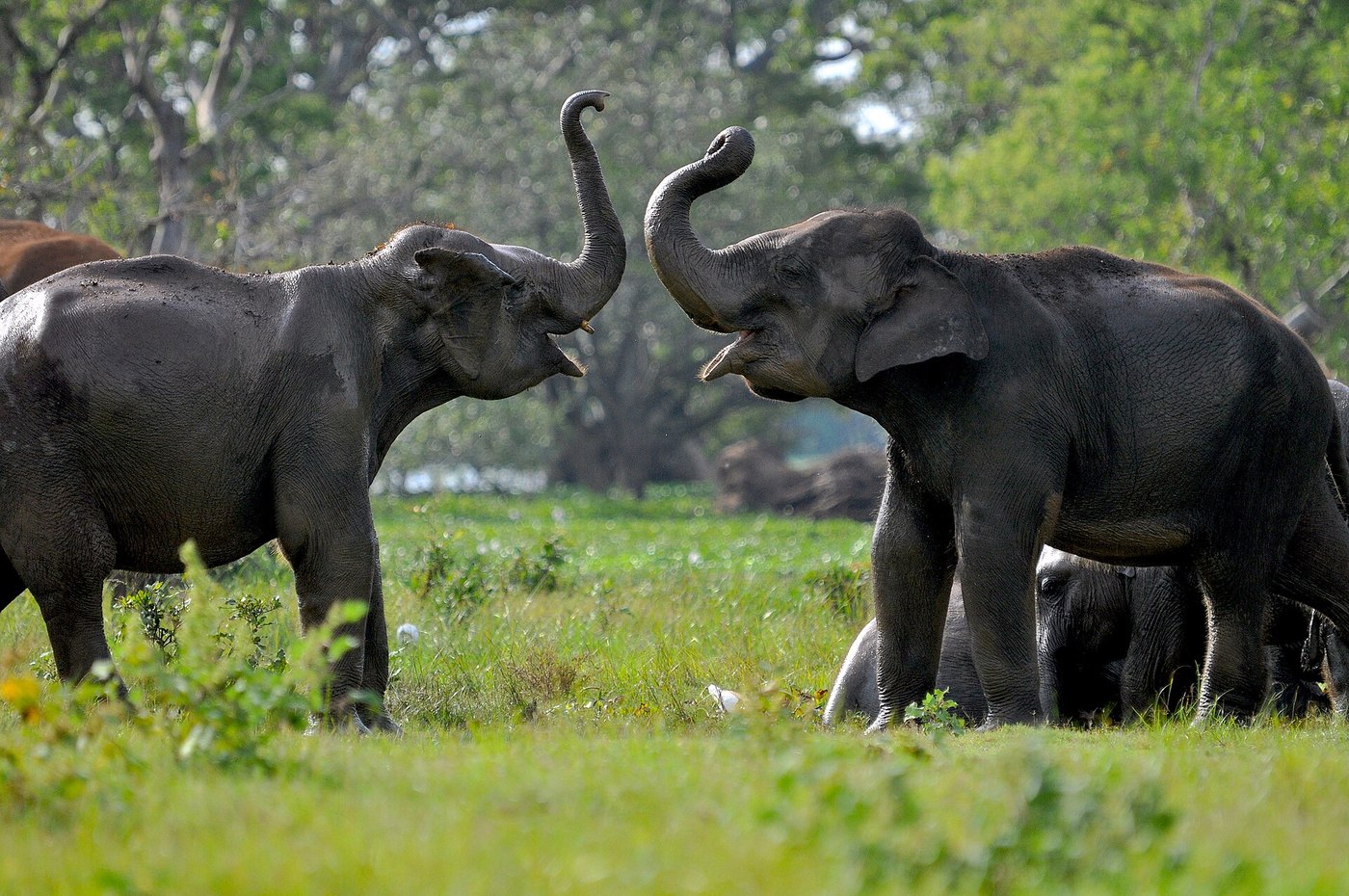
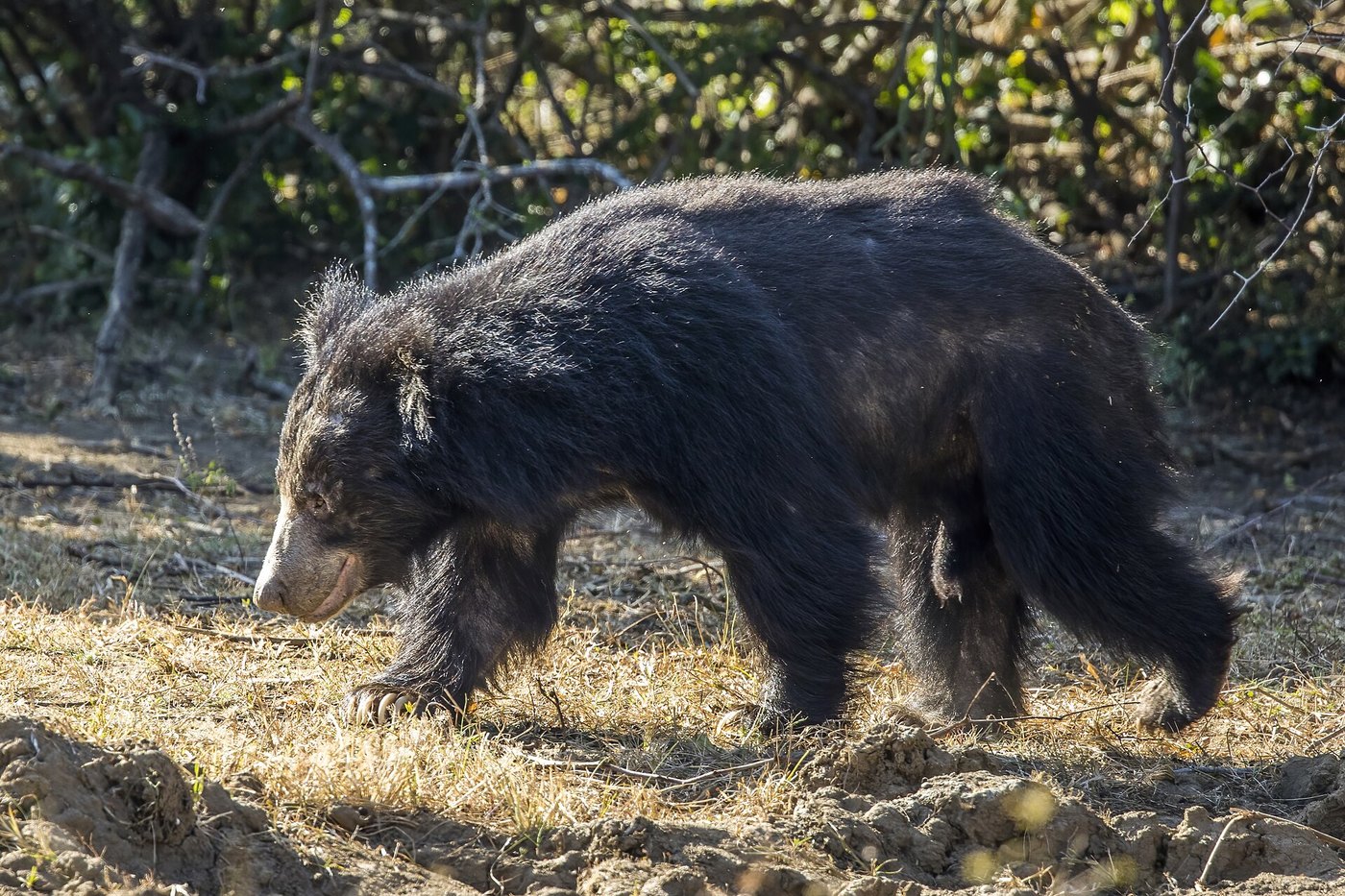
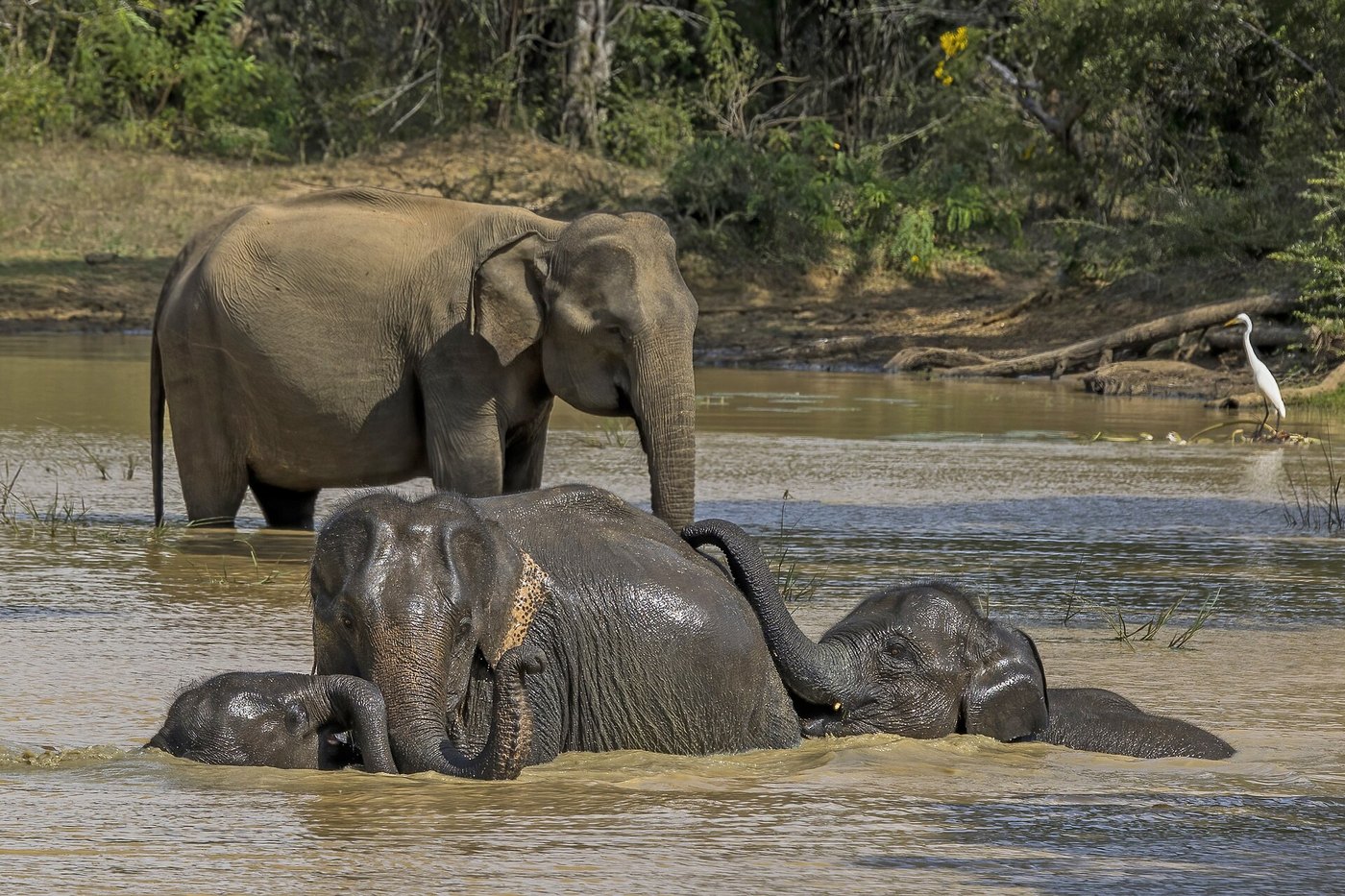
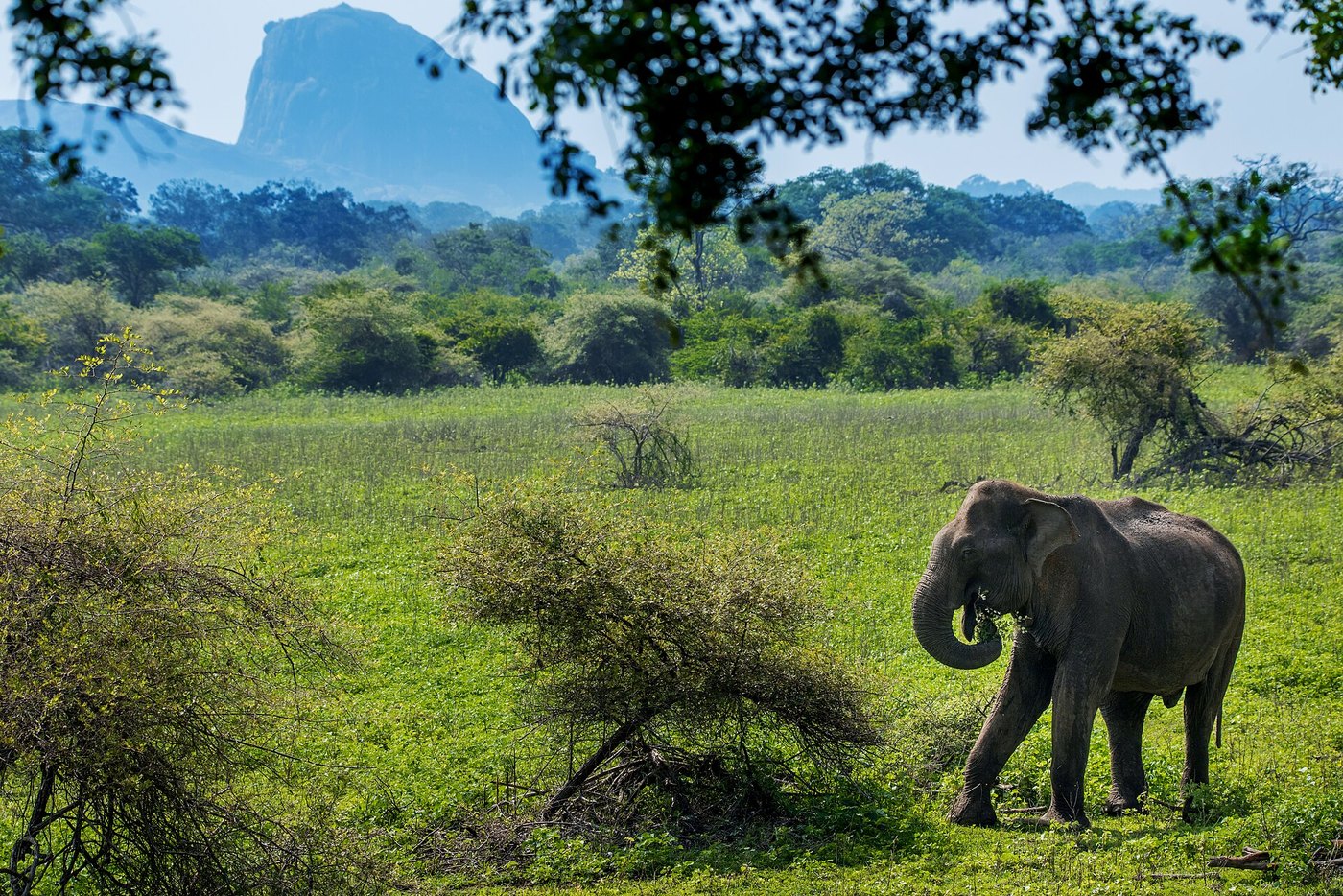
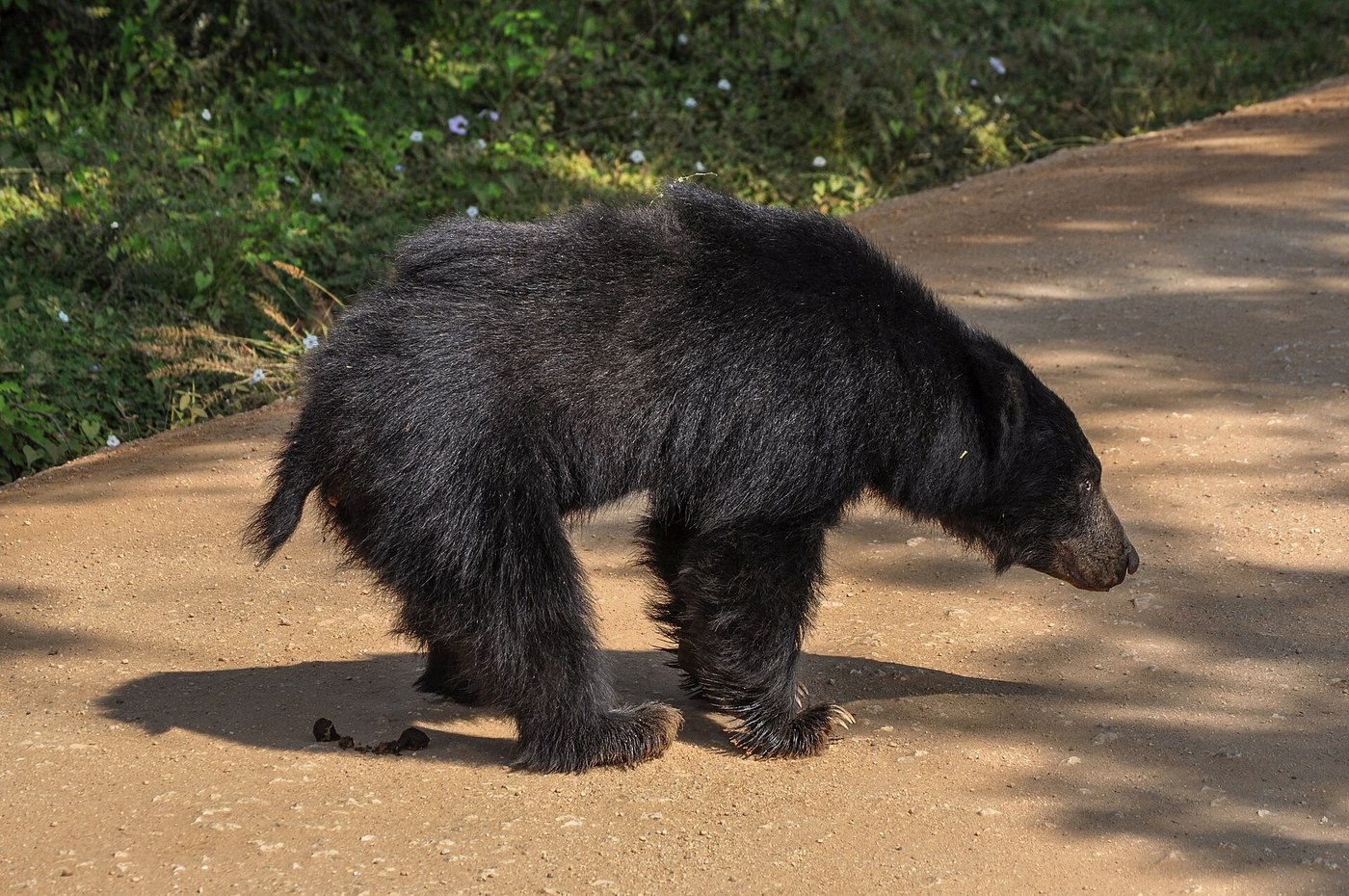
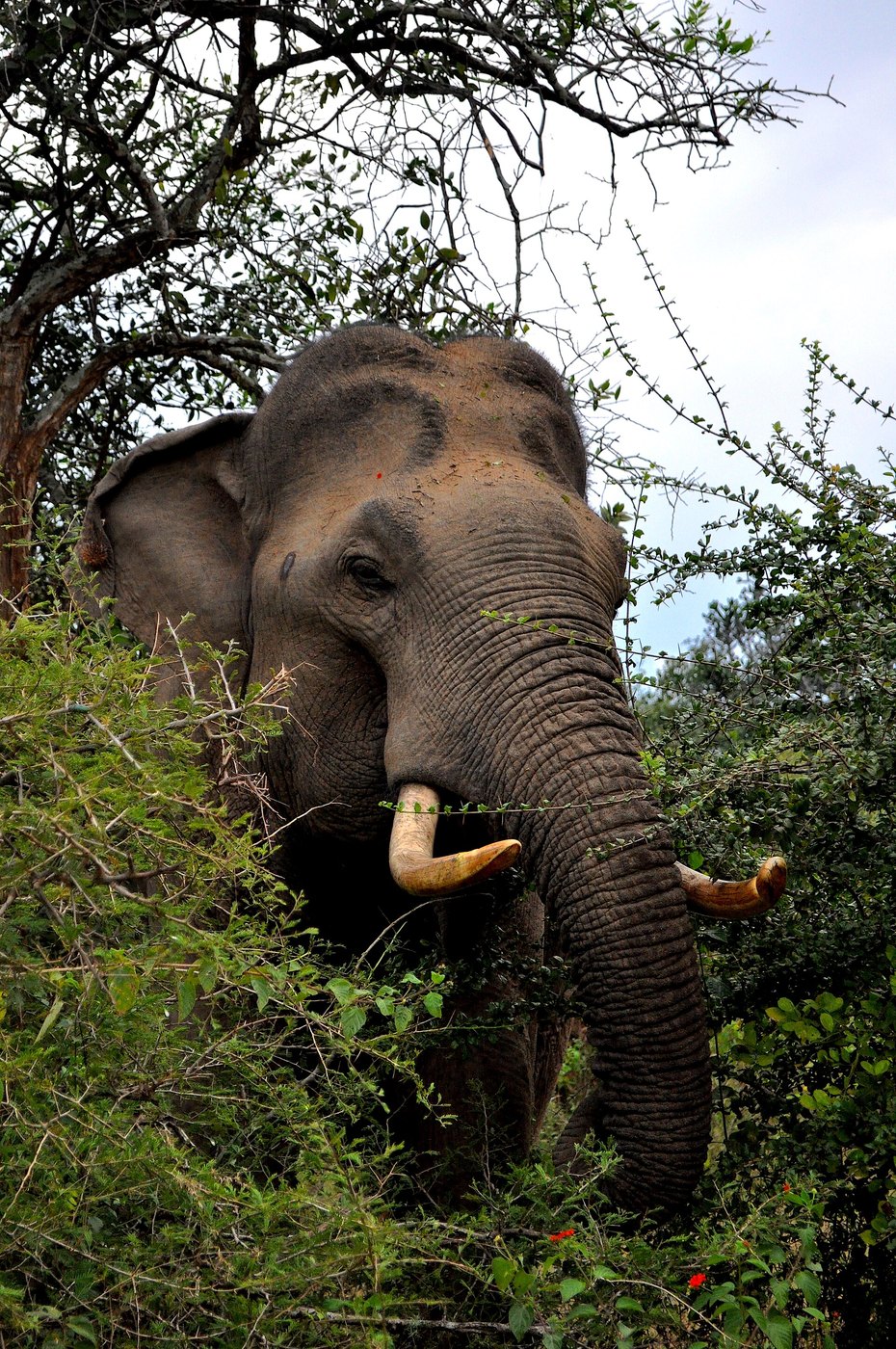
A large tusker elephant standing in green scrub A shaggy black sloth bear standing on red earth at the forest edge Two young elephants raising their trunks towards each other on the grass A sloth bear walking with its nose to the ground through dry grass Elephants and calves bathing together in a muddy waterhole An elephant feeding on open grassland with a great rock rising behind A sloth bear crossing a sandy park track A large crocodile basking with its jaws open on the grass A spotted deer and her fawn grazing on sandy ground A peacock with its tail fanned out in full display A Sri Lanka junglefowl cock with red and gold plumage A crocodile lying on a bank beside a fallen log Two spotted deer walking through the scrub A wild beach and rock in Yala National Park Water buffalo lying in a muddy pool A green bee-eater perched on a twig Safari jeeps on a red dirt track through scrub

Wilpattu National Park

A leopard walking down a sandy forest track

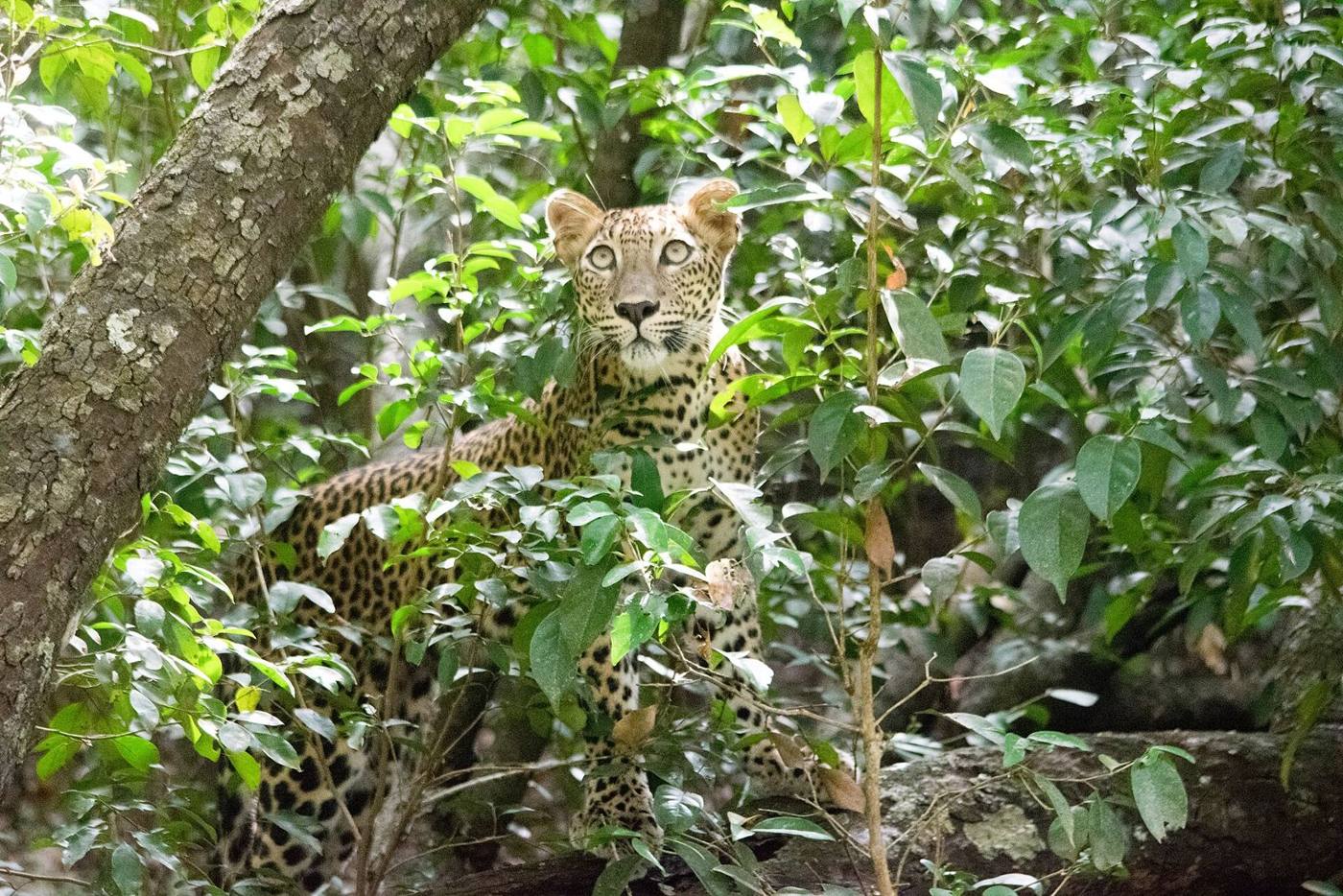
Wilpattu is Sri Lanka's largest national park, a huge tract of dry forest dotted with villus, natural sand-rimmed lakes that fill with the rains. It has leopards, sloth bears, elephants and deer, and far fewer jeeps than the southern parks, so sightings feel quiet and private.

A full day inside with a picnic lunch gives the best chance of seeing the cats. It sits about three hours north of Colombo and is an easy add-on to Kalpitiya or Anuradhapura.

When February to October

Highlights

  • Leopards in quiet forest, often out on the sandy tracks
  • Sloth bears, best around June and July
  • Dozens of villus, natural lakes ringed with sand
  • Far fewer jeeps than the southern parks
  • Easy to pair with Kalpitiya or Anuradhapura
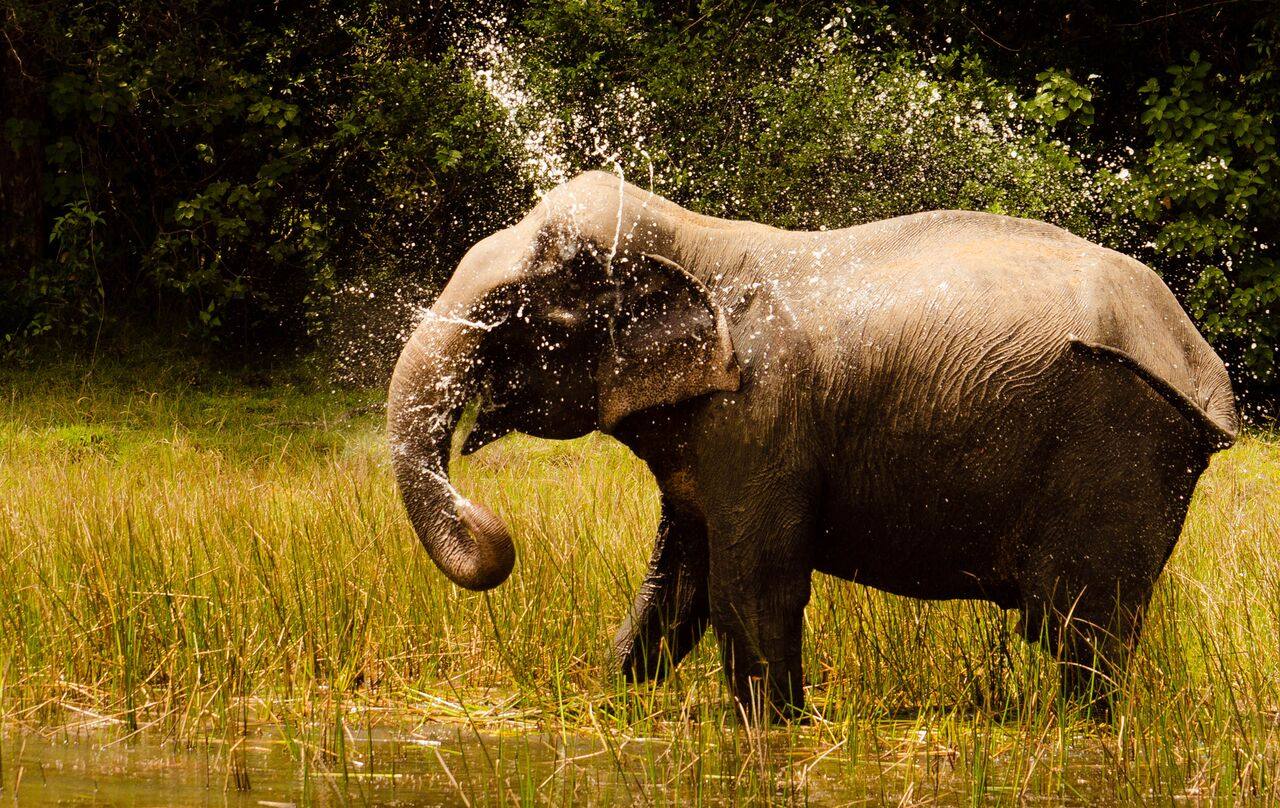
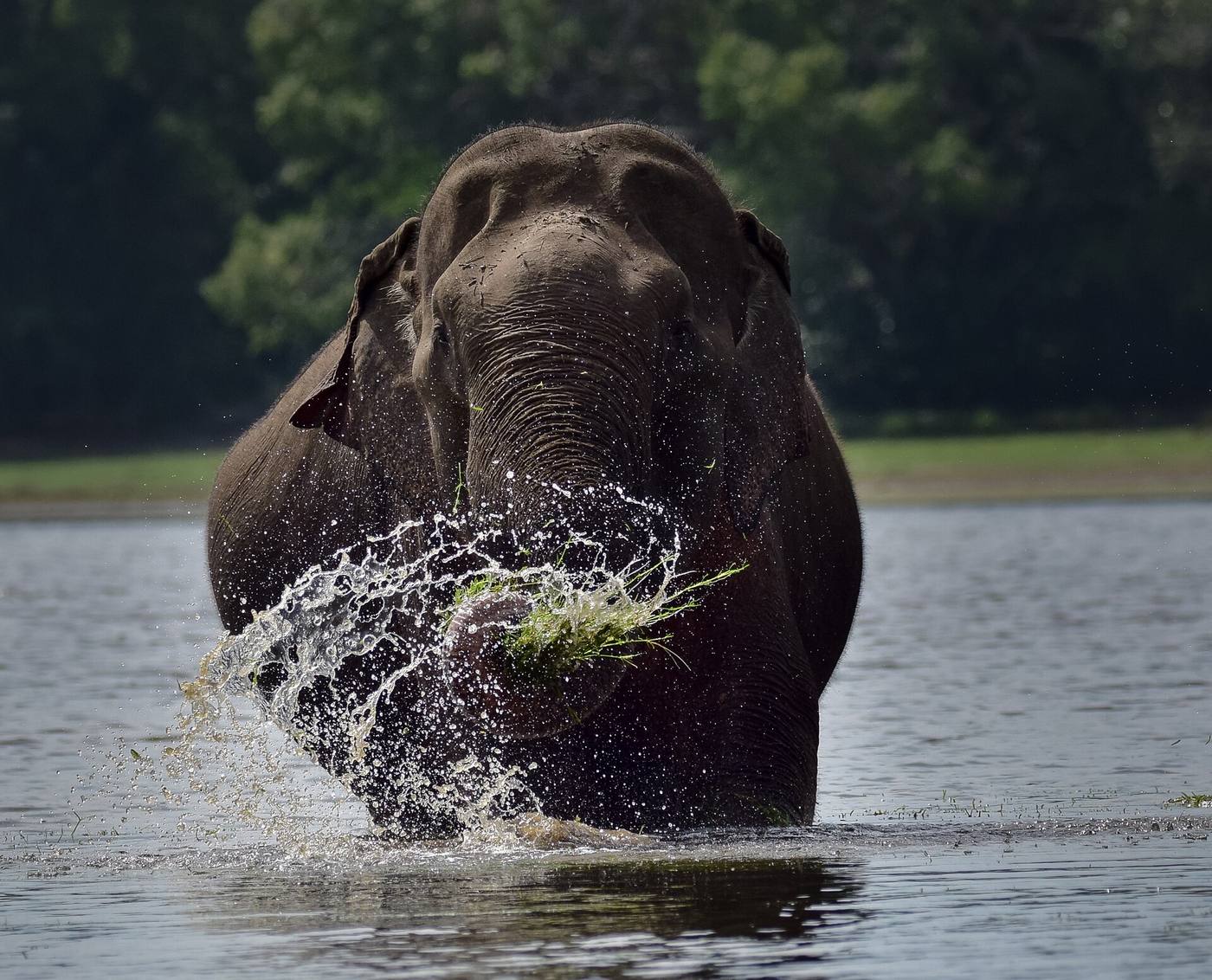
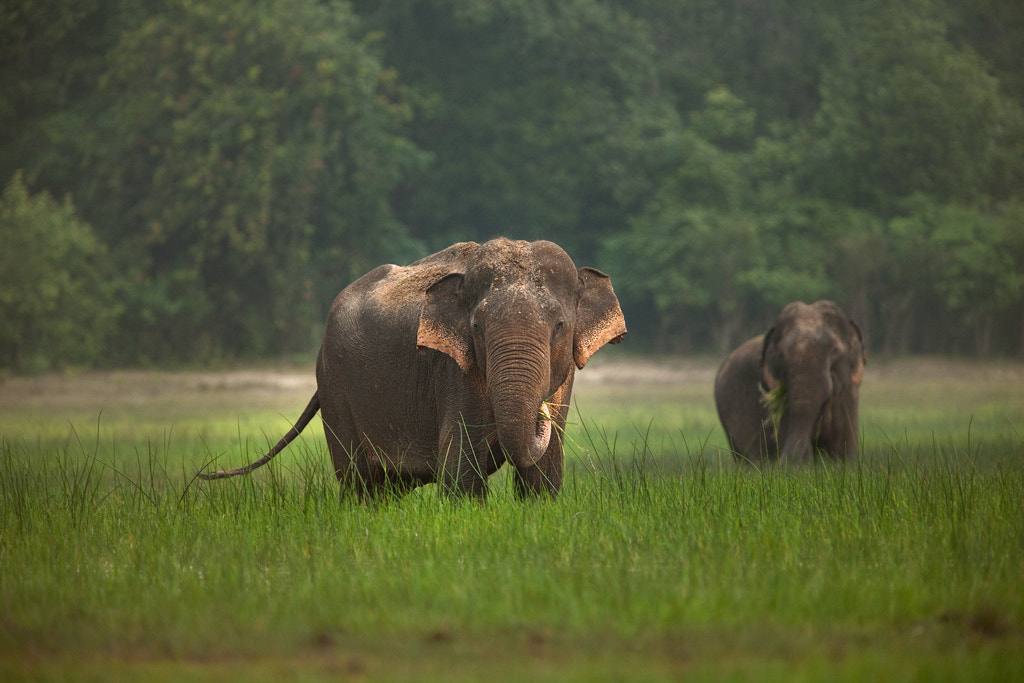
A leopard looking out from leafy cover An elephant spraying water over itself in tall grass An elephant standing in a lake splashing water as it feeds Two elephants grazing in green grass at the forest edge A sambar deer stag standing at the forest edge A crested serpent eagle perched in a tree A peacock walking across open ground

Udawalawe National Park

A mother elephant and calf in long grass

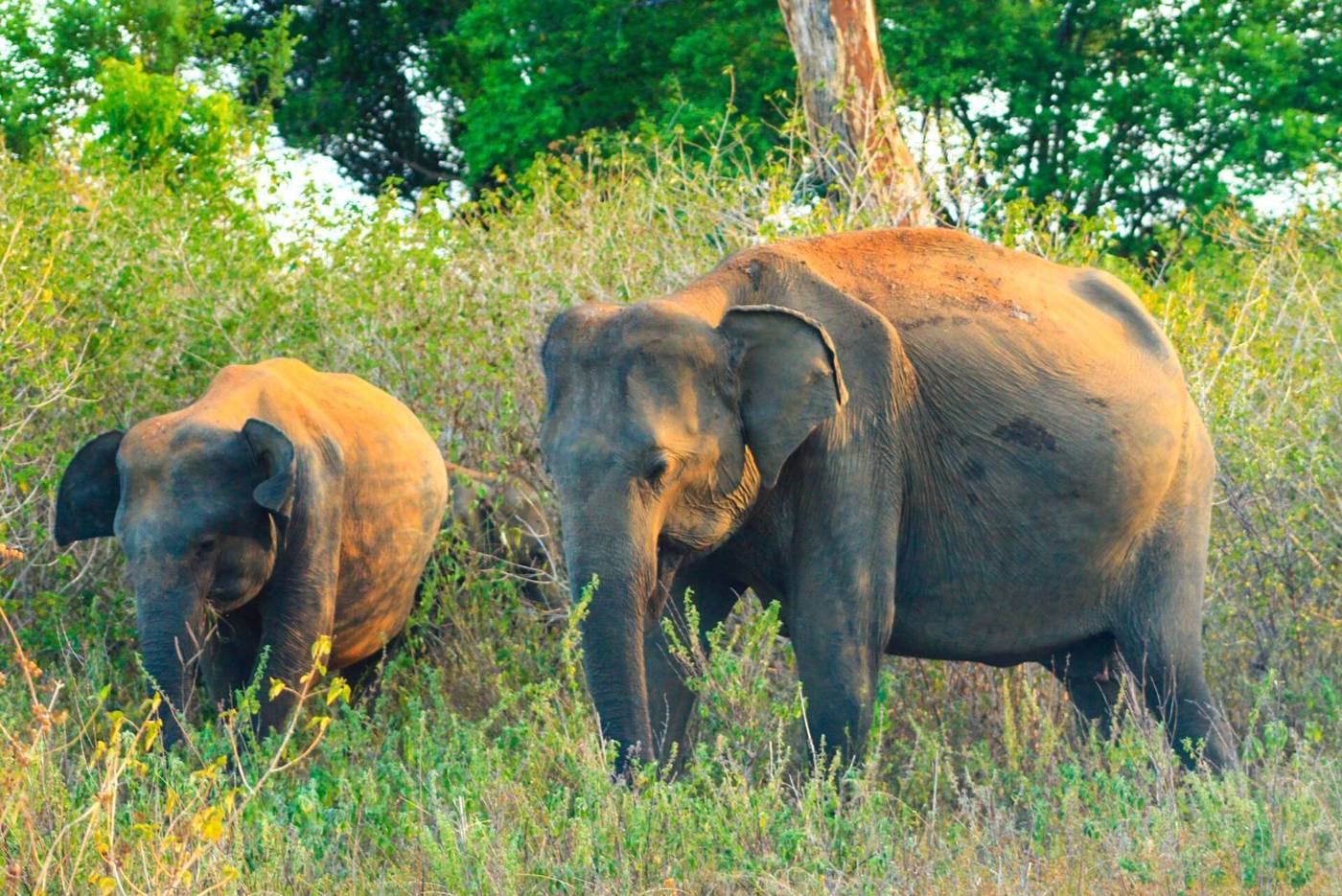
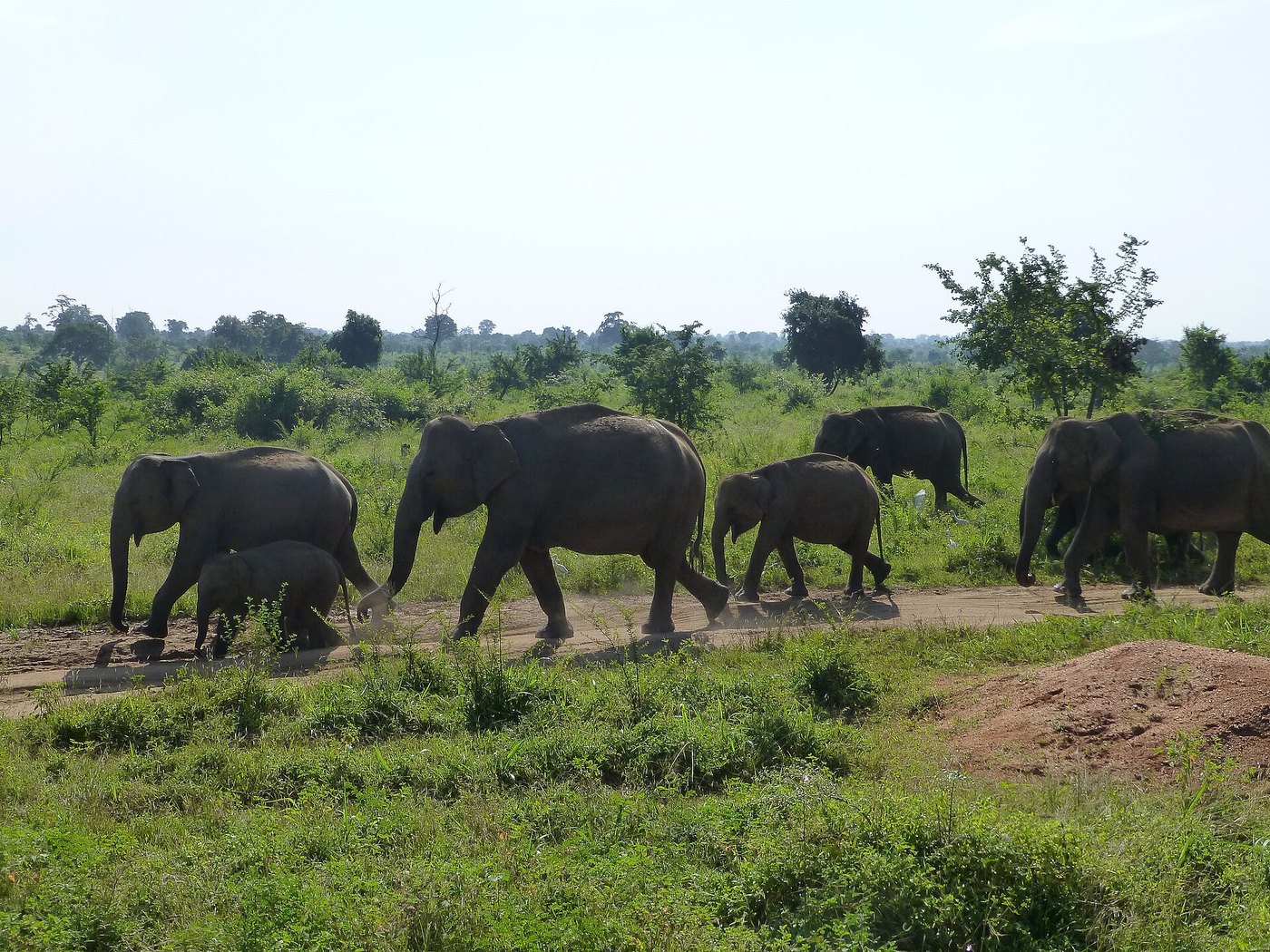
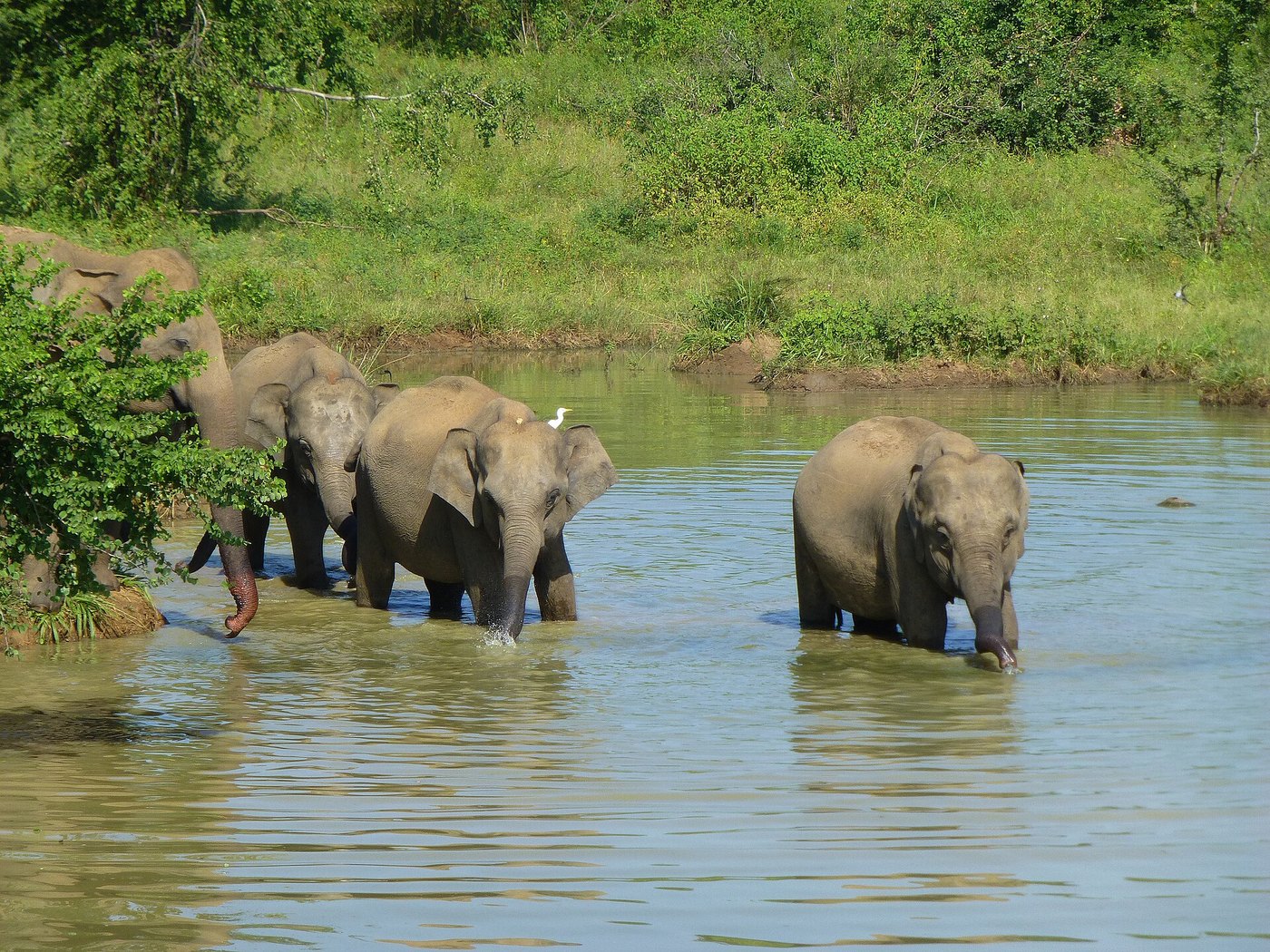
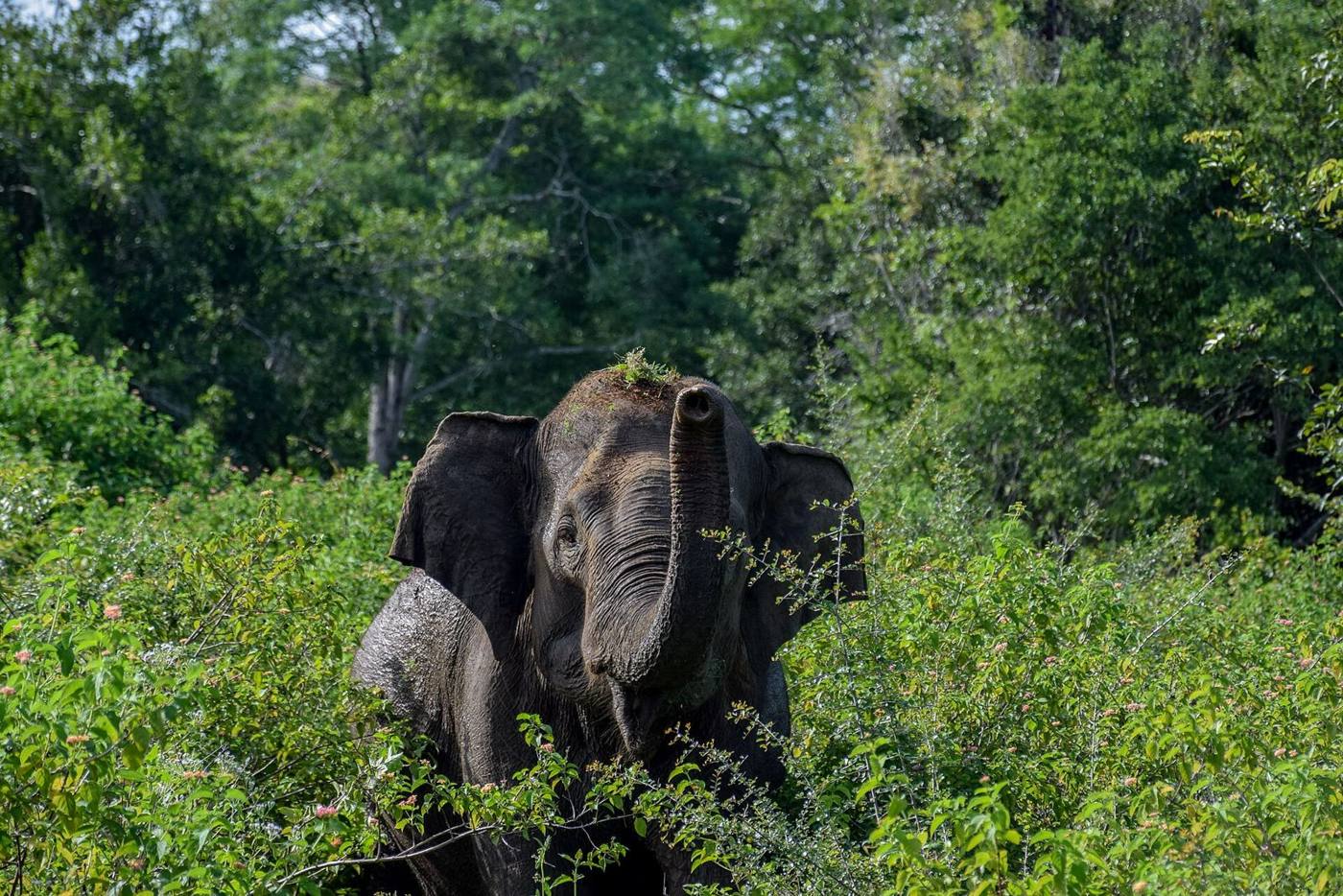
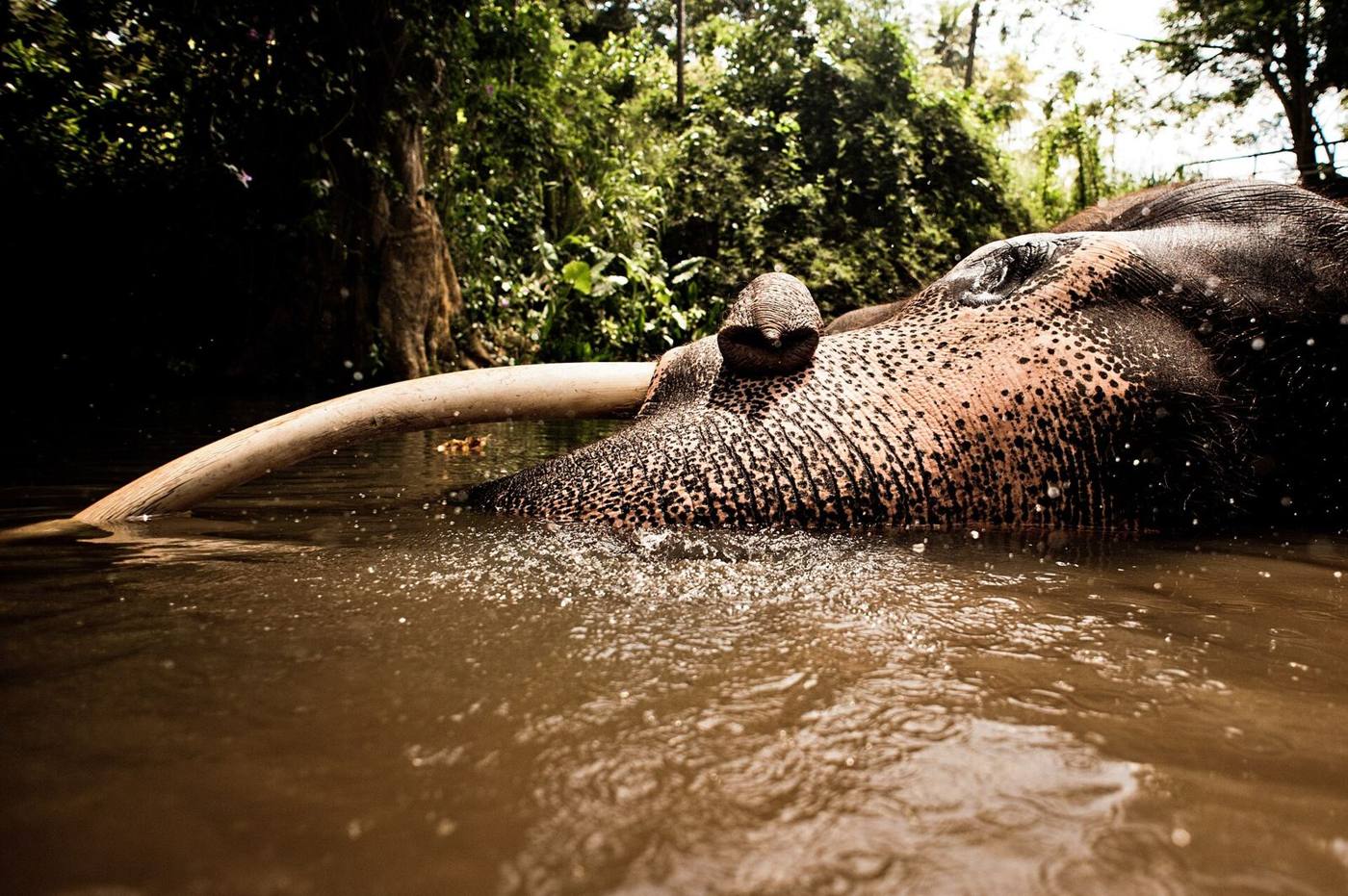
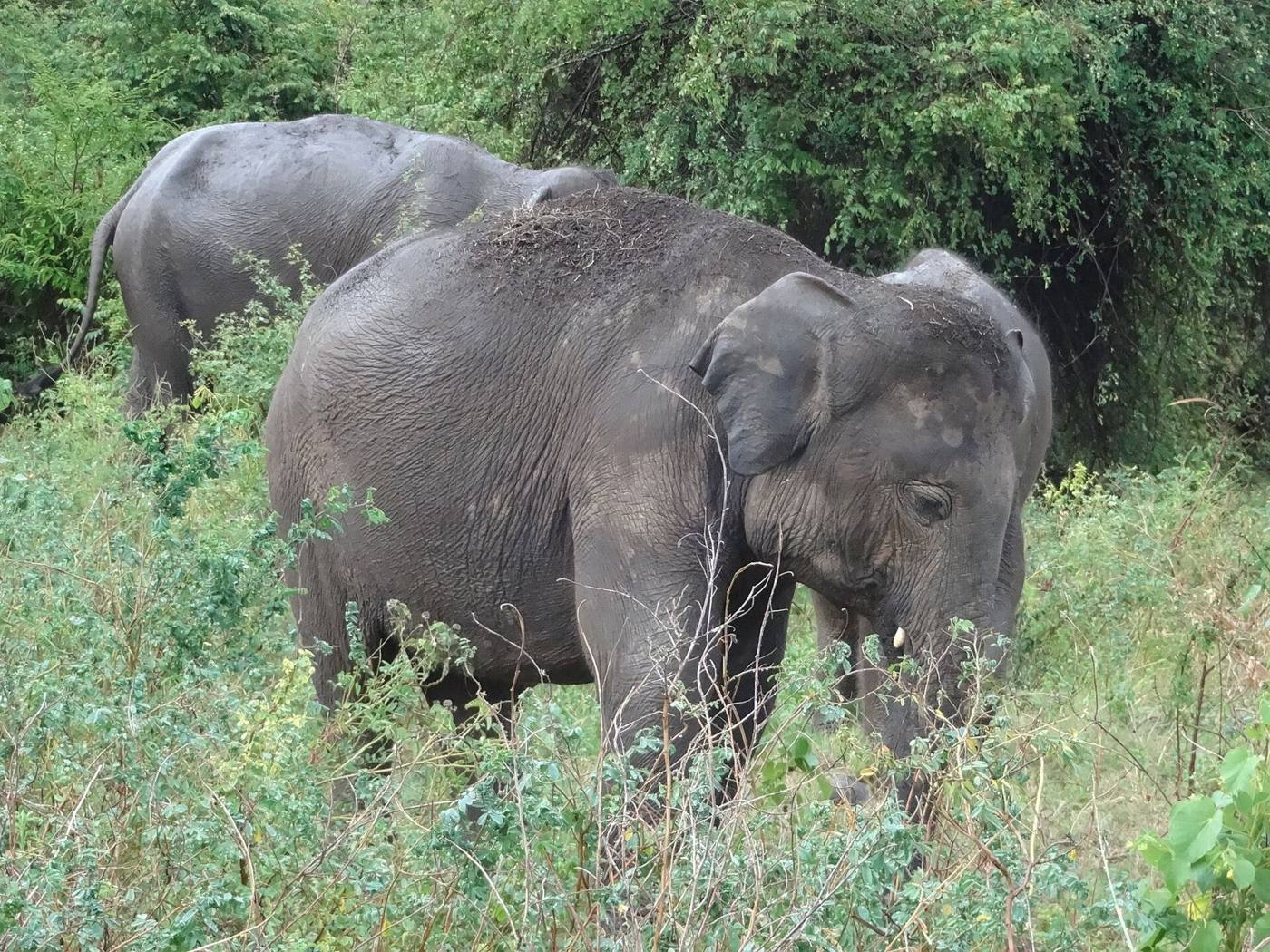
Udawalawe is the surest place in Sri Lanka to see wild elephants. Several hundred live in the park's open grassland around the reservoir, in family herds you can watch for as long as you like, along with water buffalo, crocodiles and plenty of birds of prey.

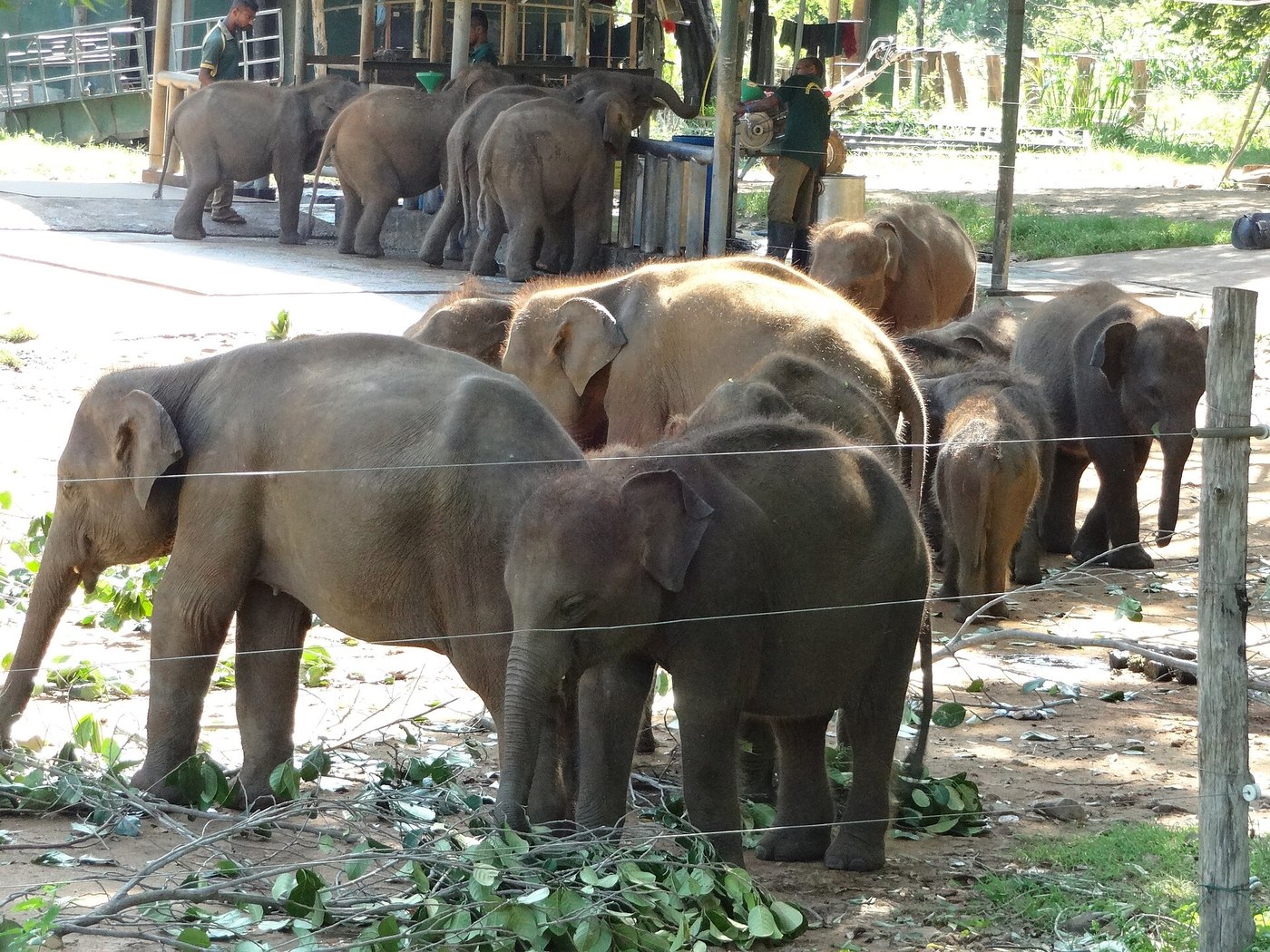
Beside the park, the Elephant Transit Home raises orphaned calves for release back into the wild, and feeding times are open to visitors. Udawalawe sits between the hills and the south coast, so it breaks the drive from Ella to the beaches.

When Year round

Highlights

  • Elephant herds on open grassland, year round
  • Feeding time at the Elephant Transit Home
  • Water buffalo, crocodiles and eagles
  • Morning or afternoon jeep safaris
  • A natural stop on the drive from Ella to the south coast
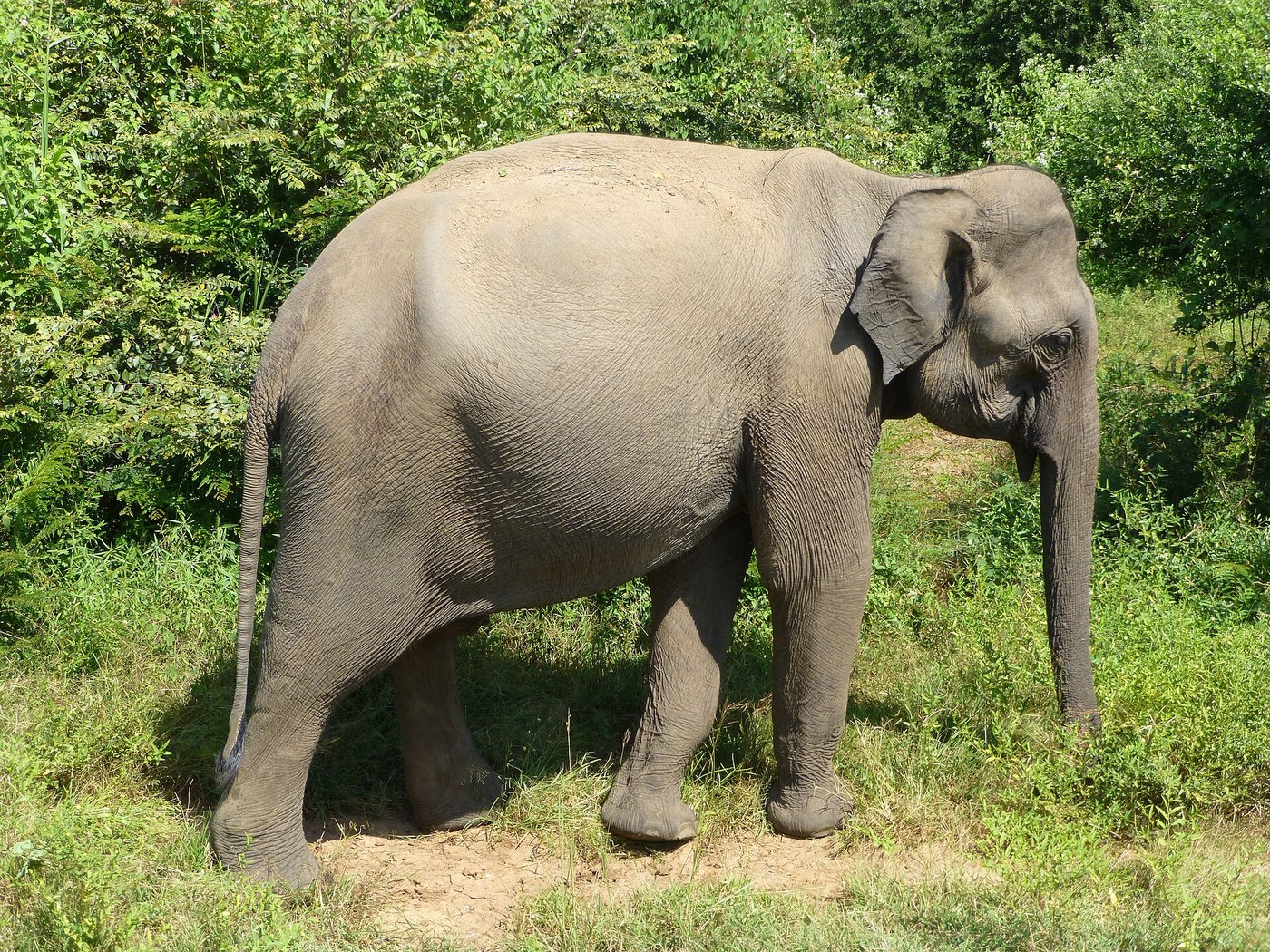
A herd of elephants with calves walking along a track across the grassland Four elephants wading into a waterhole to drink A tusker elephant feeding among thorny bushes Young orphaned elephants feeding on branches at the Elephant Transit Home A large elephant walking through green grass close to the camera Painted storks wading and feeding in a shallow pool A peacock fanning its tail feathers on a green lawn A water buffalo standing in a muddy pool An elephant feeding in green bushes An elephant lying in a muddy river Elephants grazing beside Udawalawe reservoir

Minneriya & Kaudulla

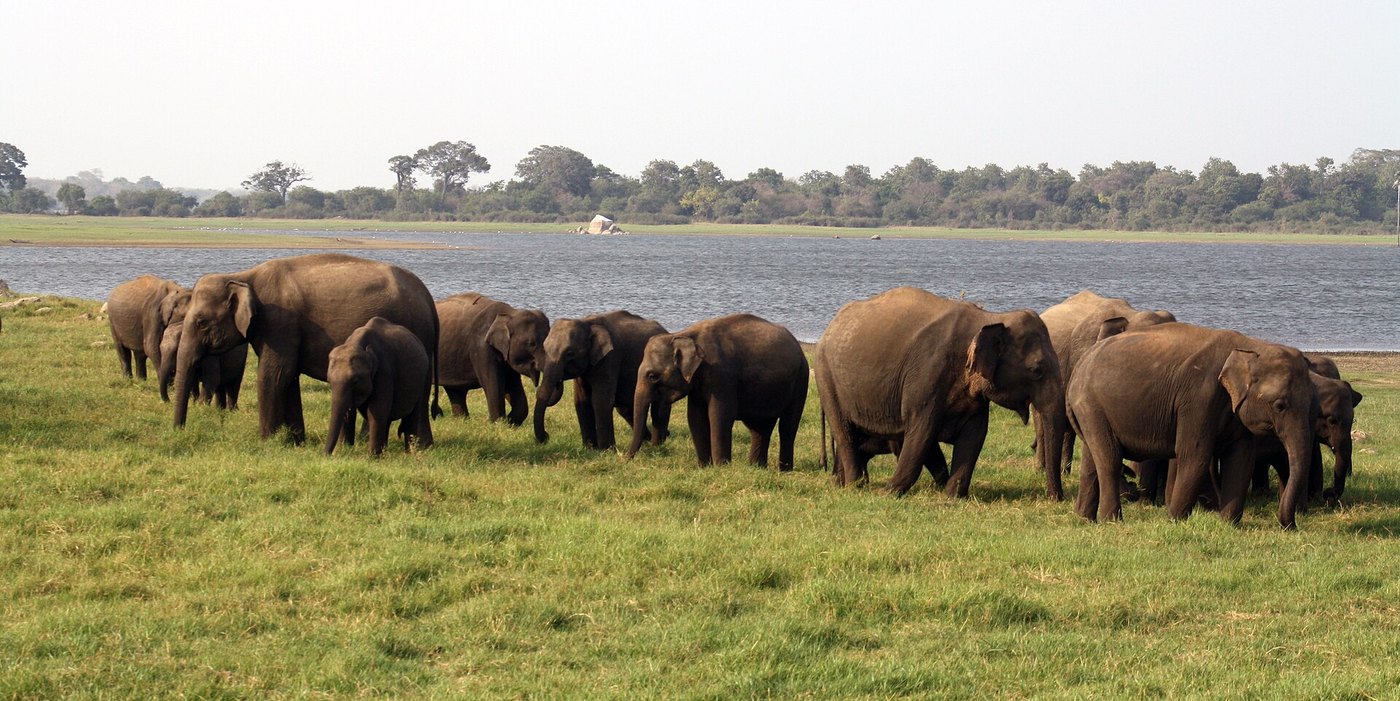
A herd of elephants grazing by the Minneriya reservoir

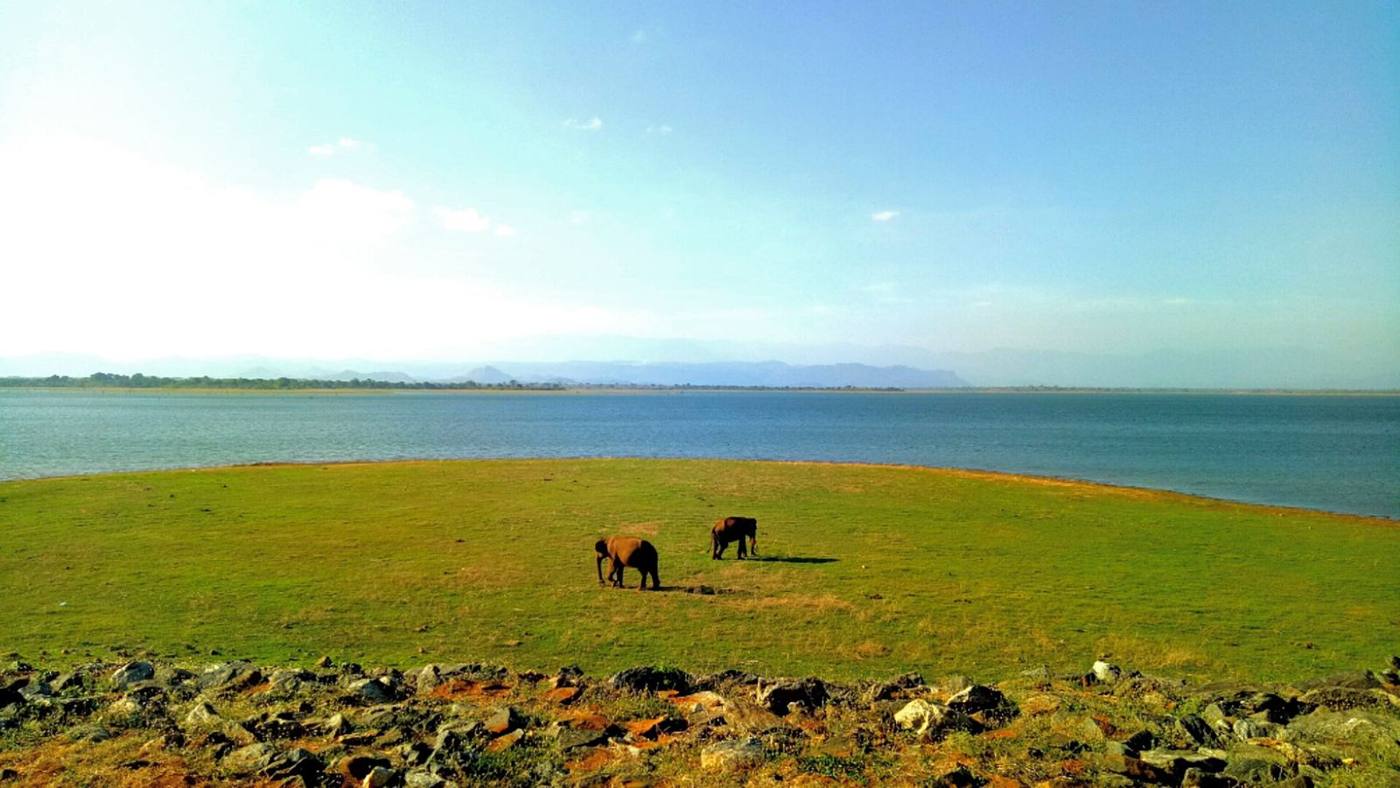
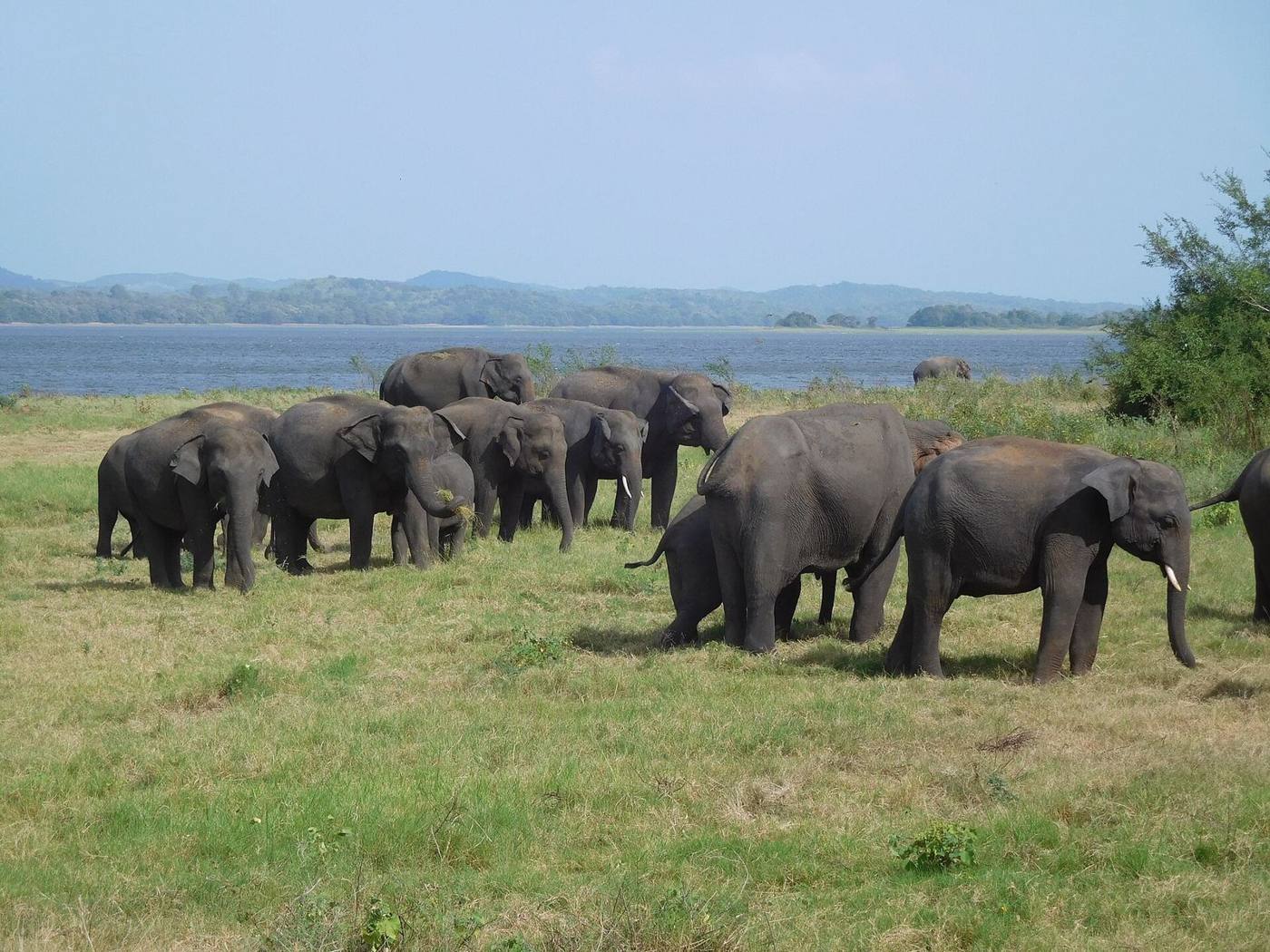
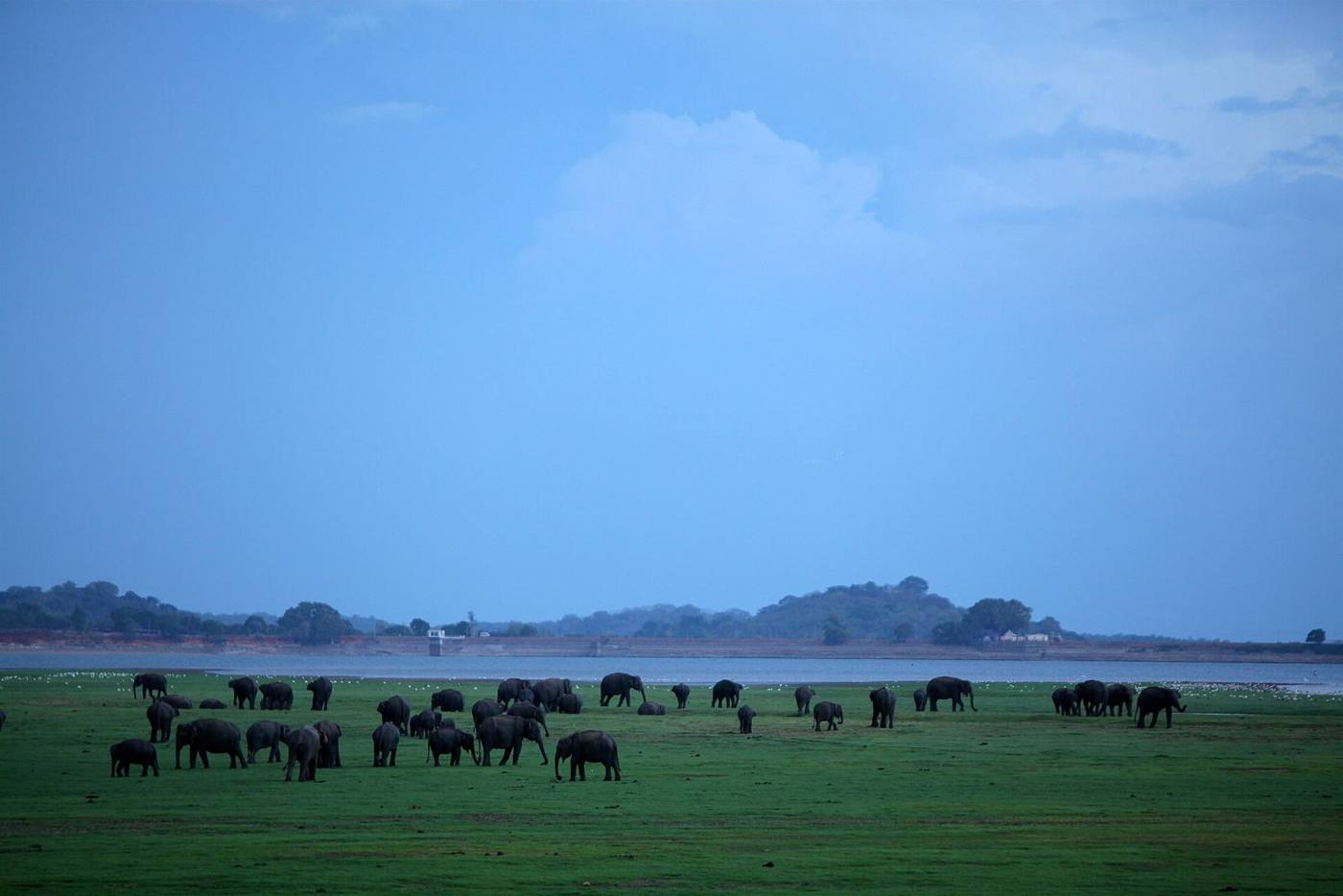
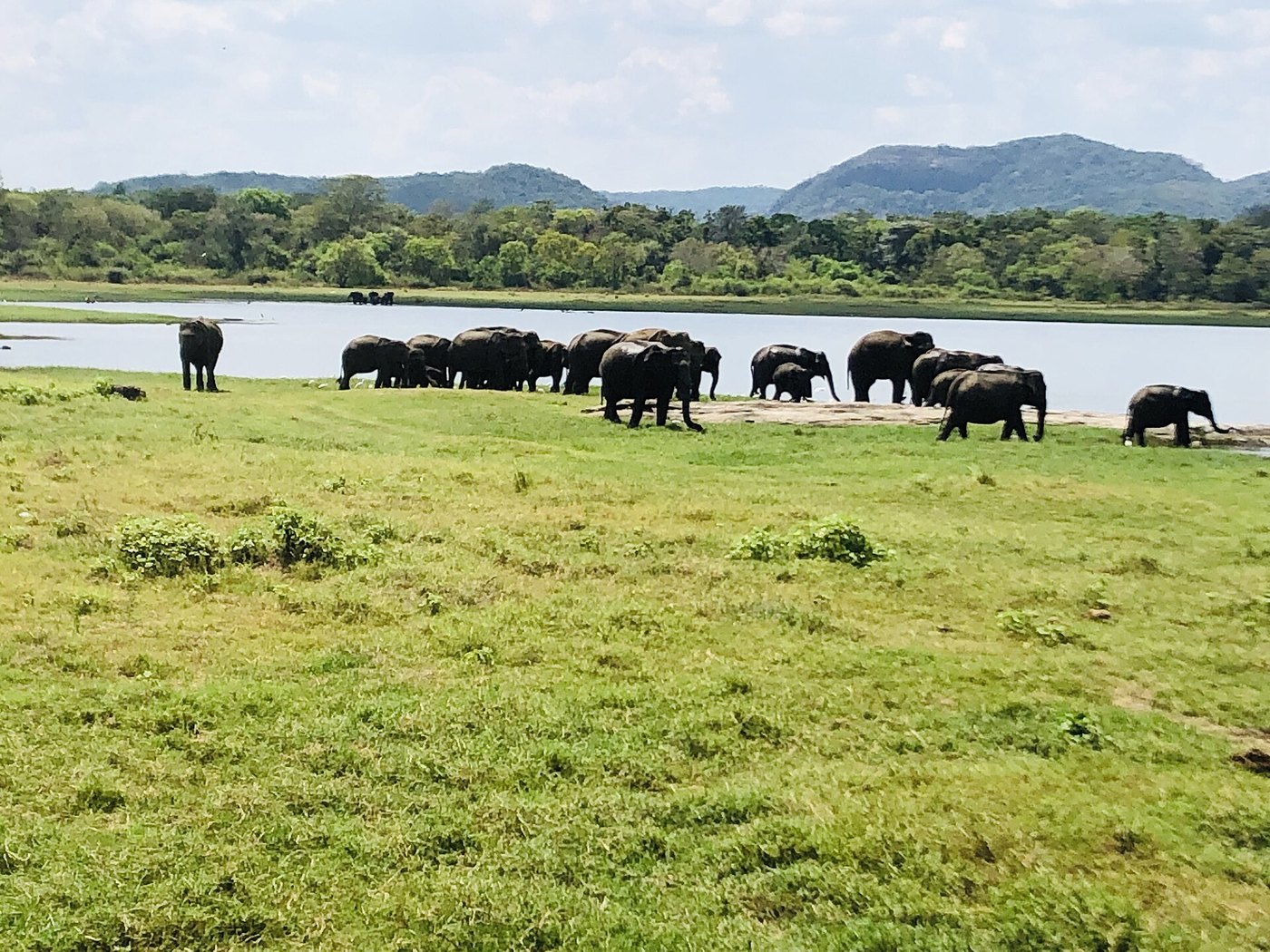
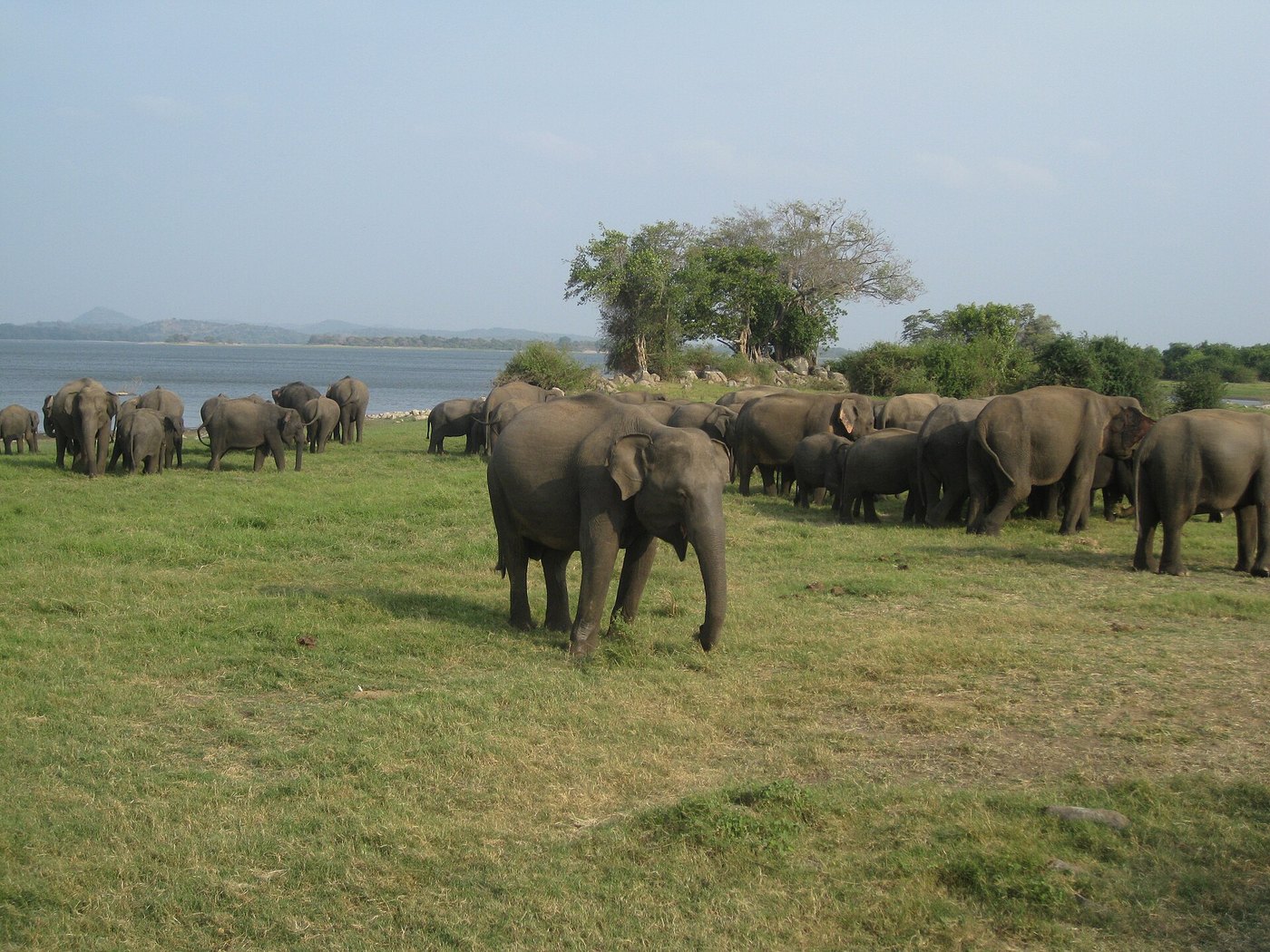
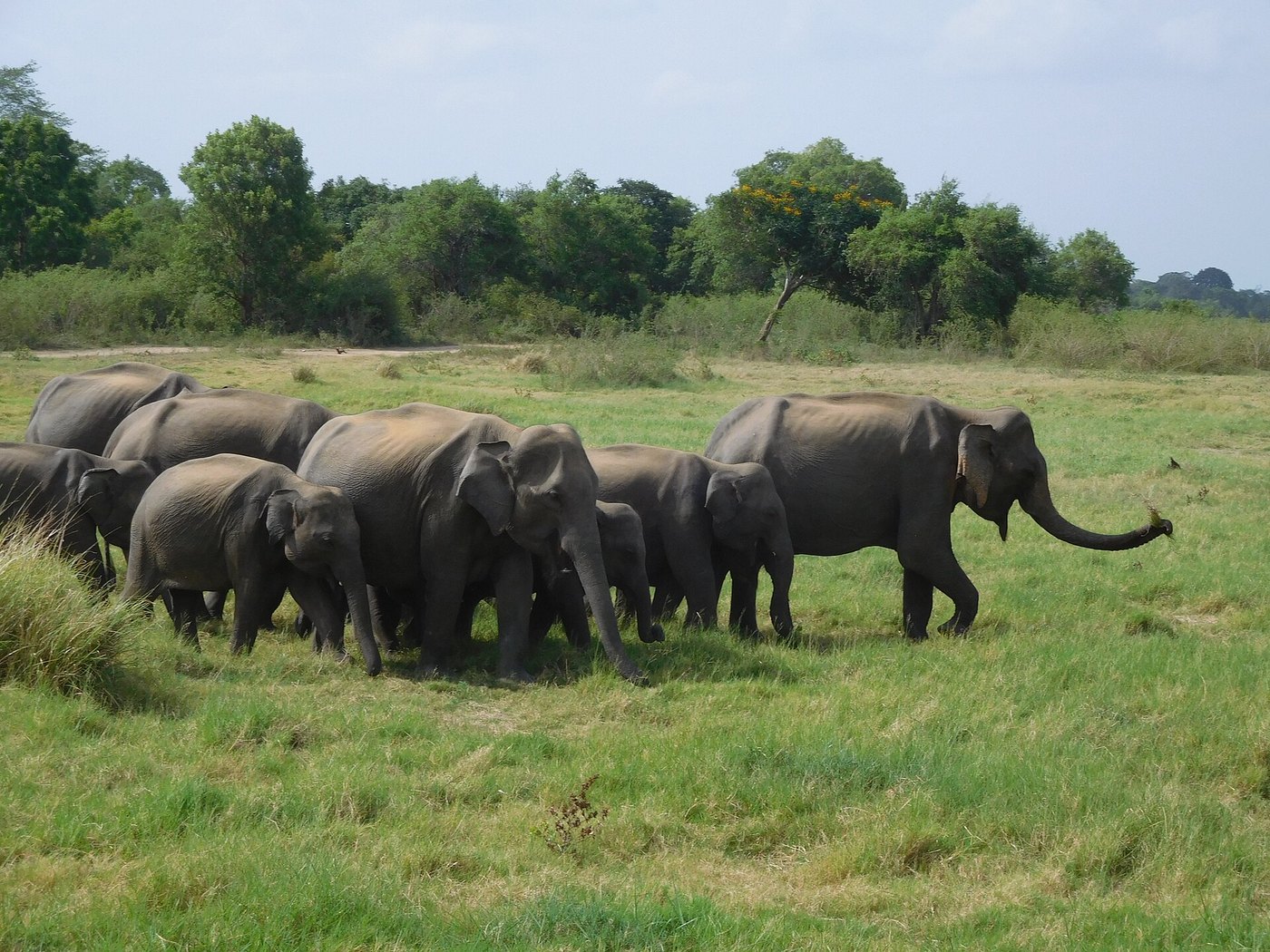
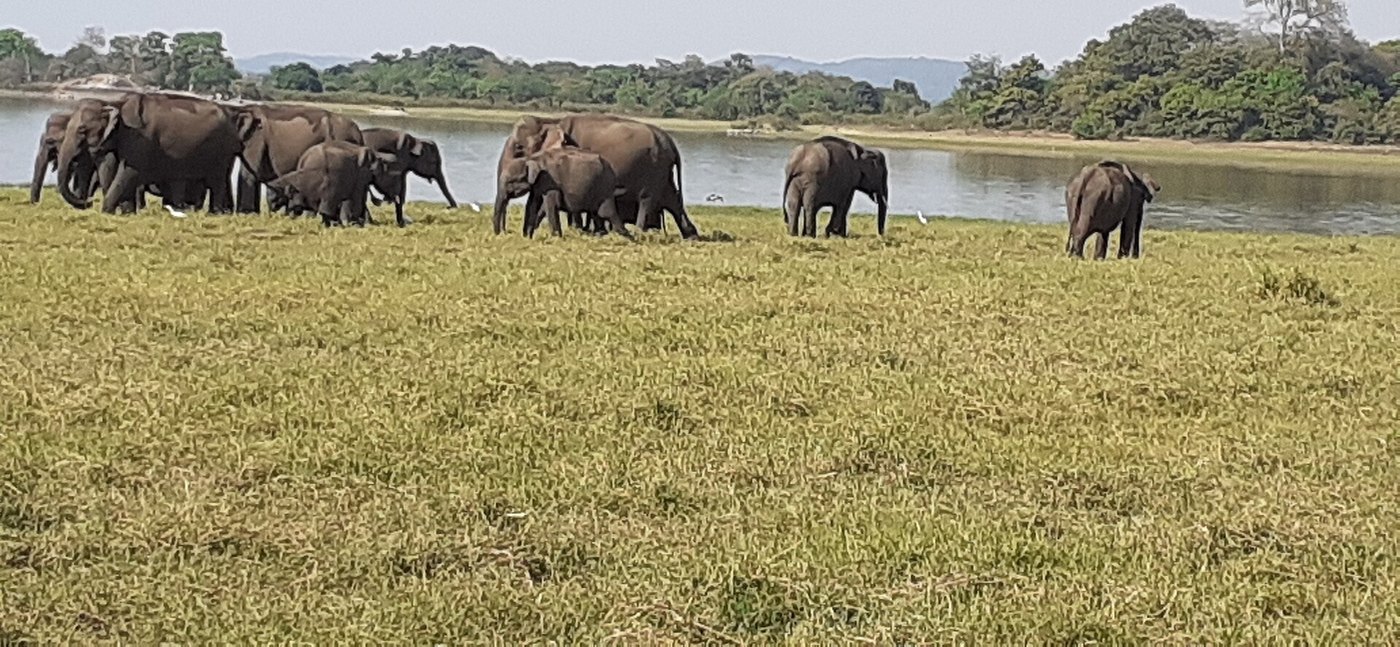
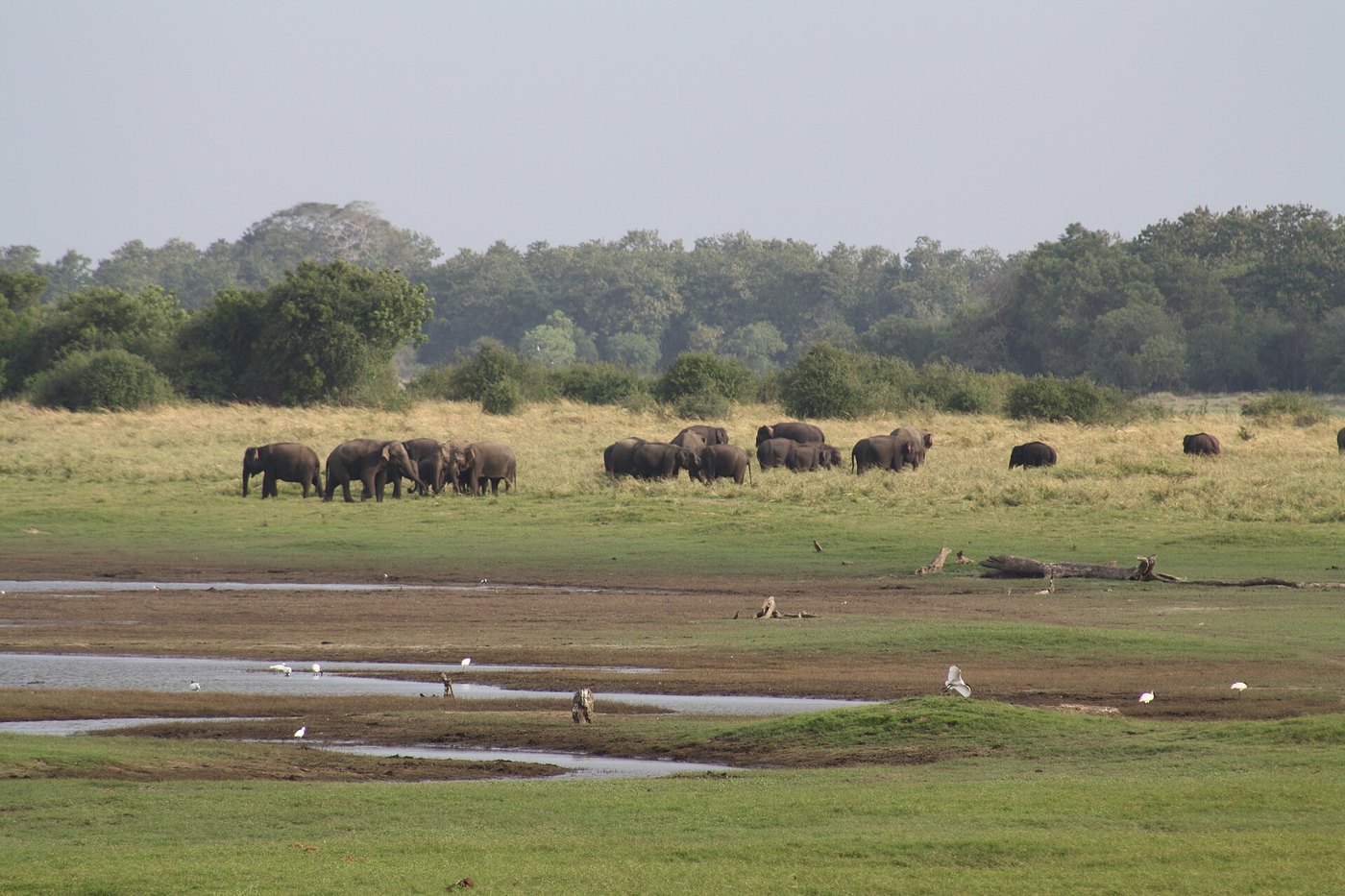
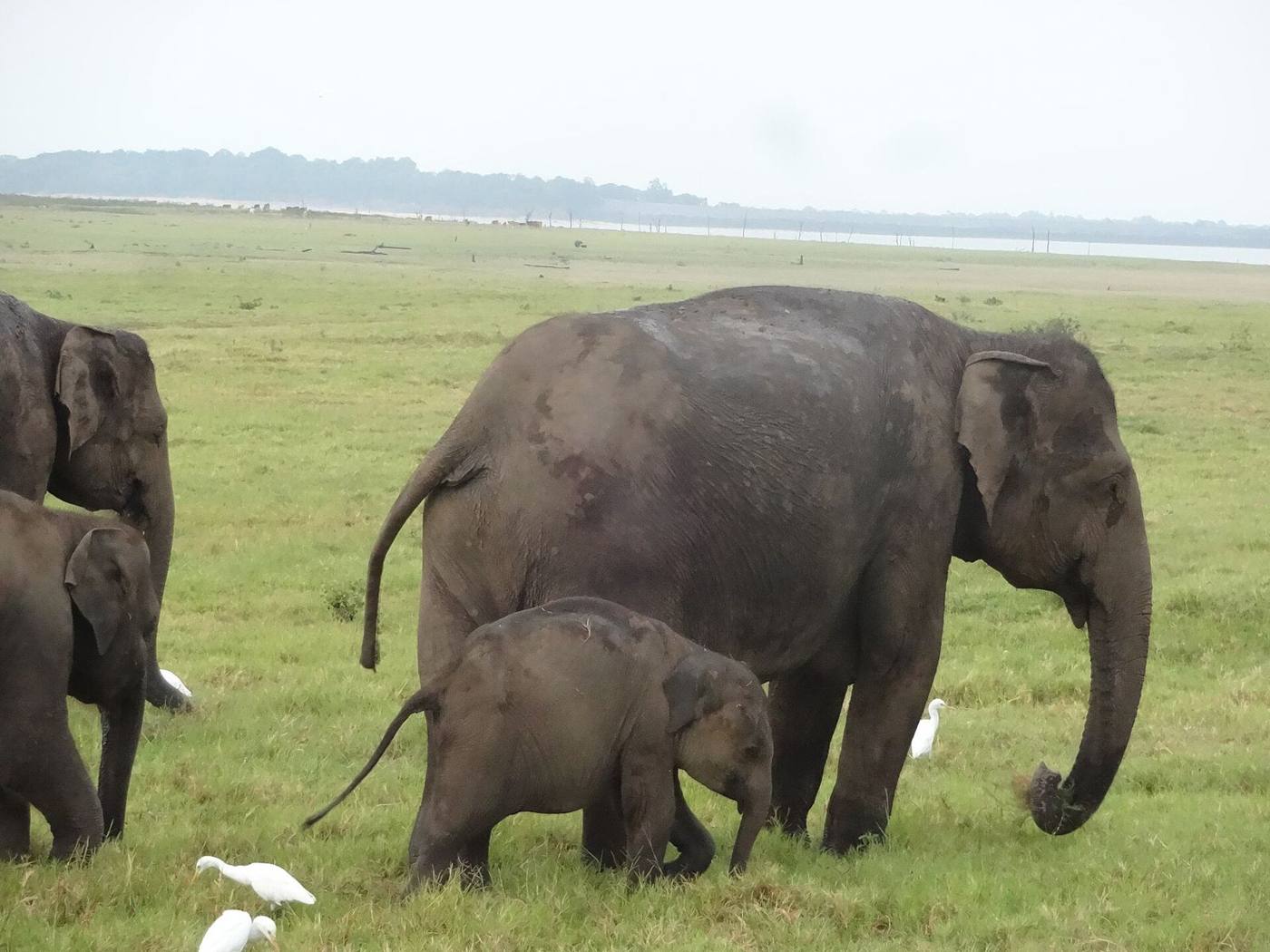
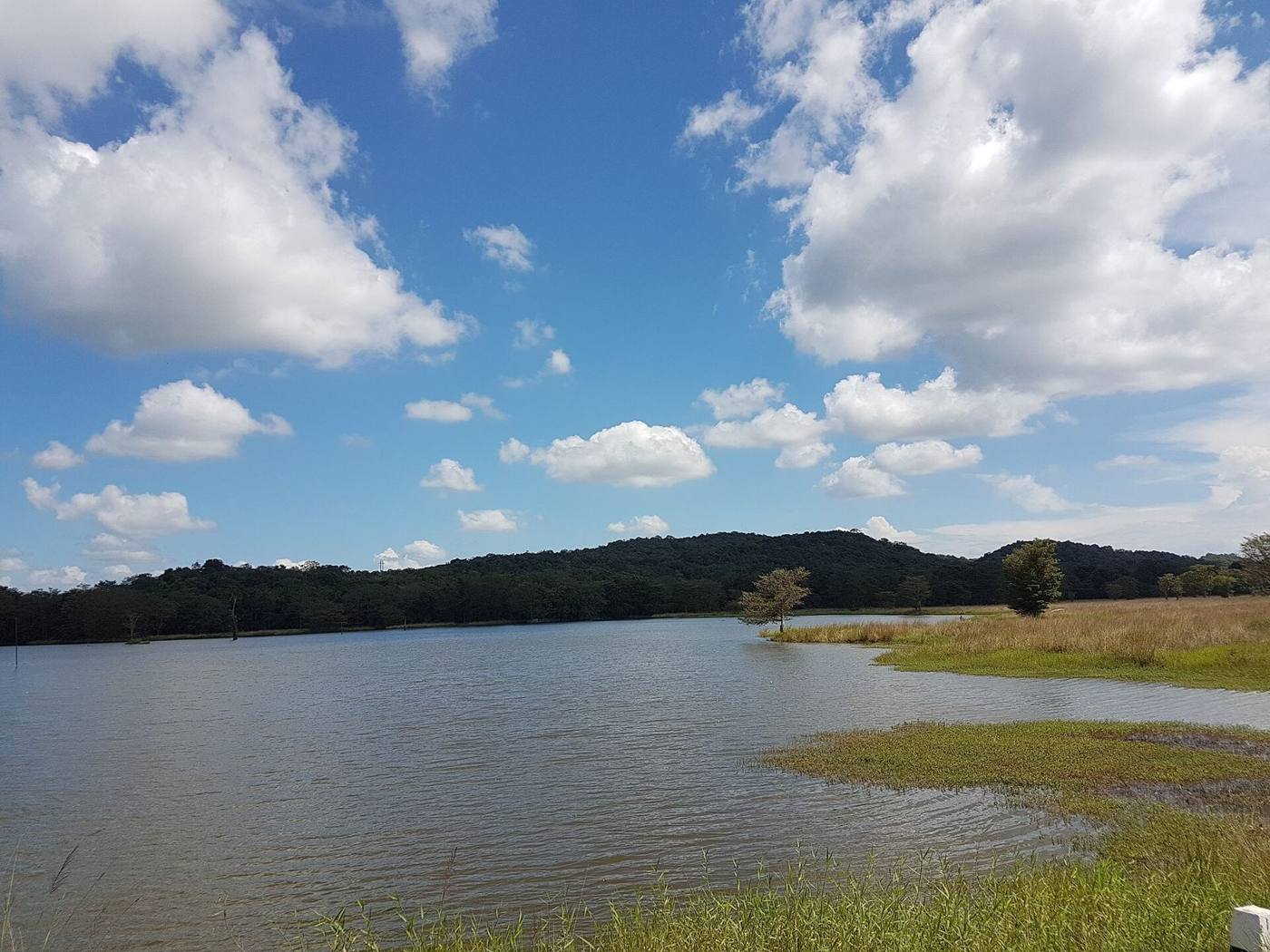
Every year, as the dry season sets in, elephants leave the shrinking forests and gather on the grassland around Minneriya's ancient reservoir. At its peak, around August and September, hundreds come together in one place, one of the largest gatherings of Asian elephants anywhere, known simply as The Gathering.

Kaudulla, next door, shares the same herds, which move between the two parks and nearby Hurulu Eco Park. Our drivers follow the daily reports so you go where the elephants are. Both parks are under an hour from Sigiriya, so an afternoon safari fits easily into a Cultural Triangle stay.

When The Gathering peaks August to September. Kaudulla often best September to December

Highlights

  • The Gathering, hundreds of elephants in one place
  • Calves, family herds and big tuskers on open grass
  • Afternoon safaris from Sigiriya, under an hour away
  • Water birds and storks along the tank edge
  • Lakeside light at the end of the day
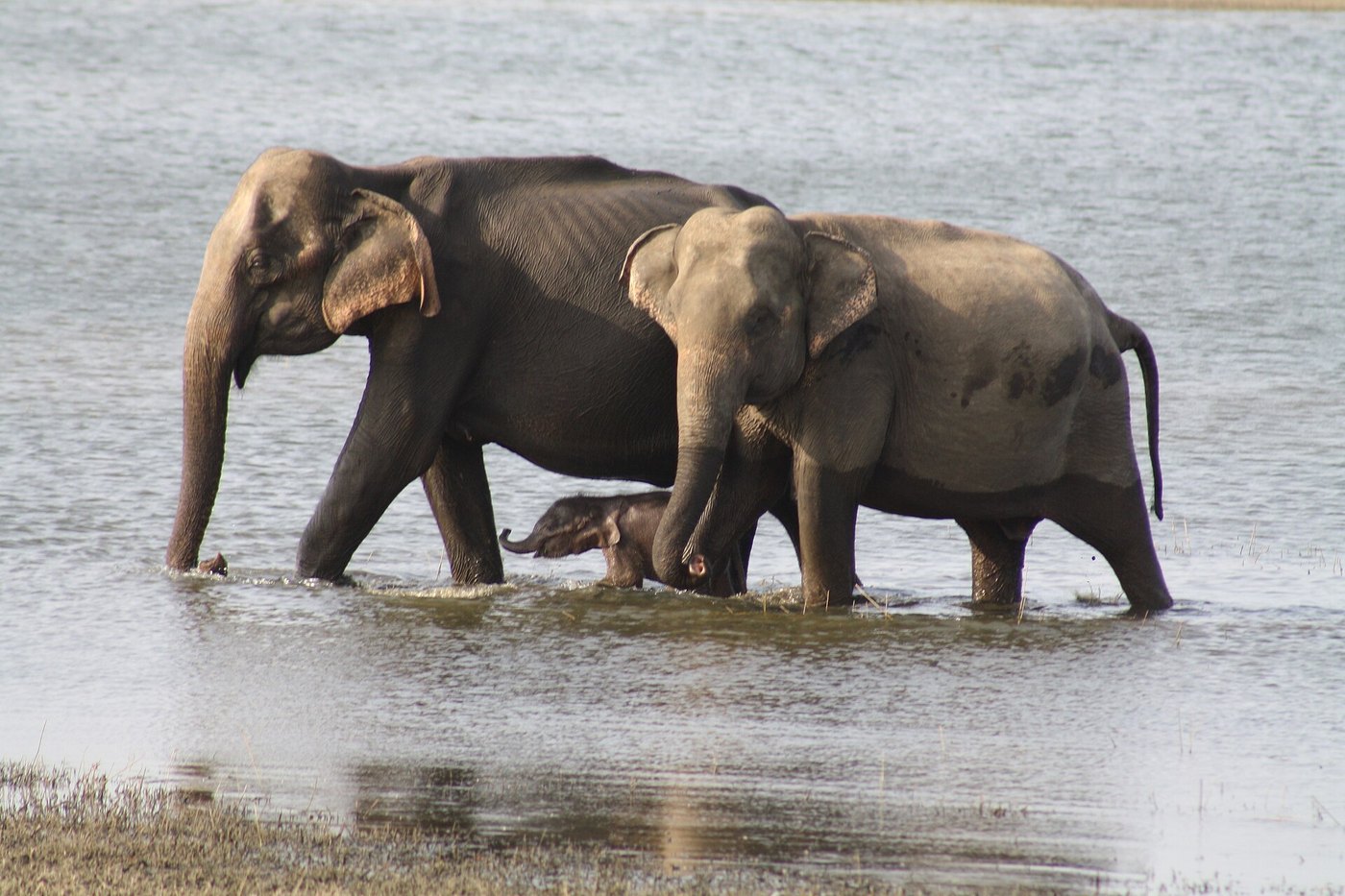
Dozens of elephants spread across the plain by the lake A large herd of elephants grazing together on the grass beside Minneriya lake A long line of elephants and calves grazing along the lake shore Dozens of elephants gathered on the shore of the reservoir with hills behind Several elephant herds coming together on the grass by the lake Two elephants wading through the lake with a tiny calf between them A family herd of elephants walking across green grassland Elephant families spread along the grassy lakeside Groups of elephants scattered across the plain beyond shallow pools An elephant calf walking beside its mother An elephant feeding among tall grass at Kaudulla A lake under a big sky at Kaudulla

Gal Oya National Park

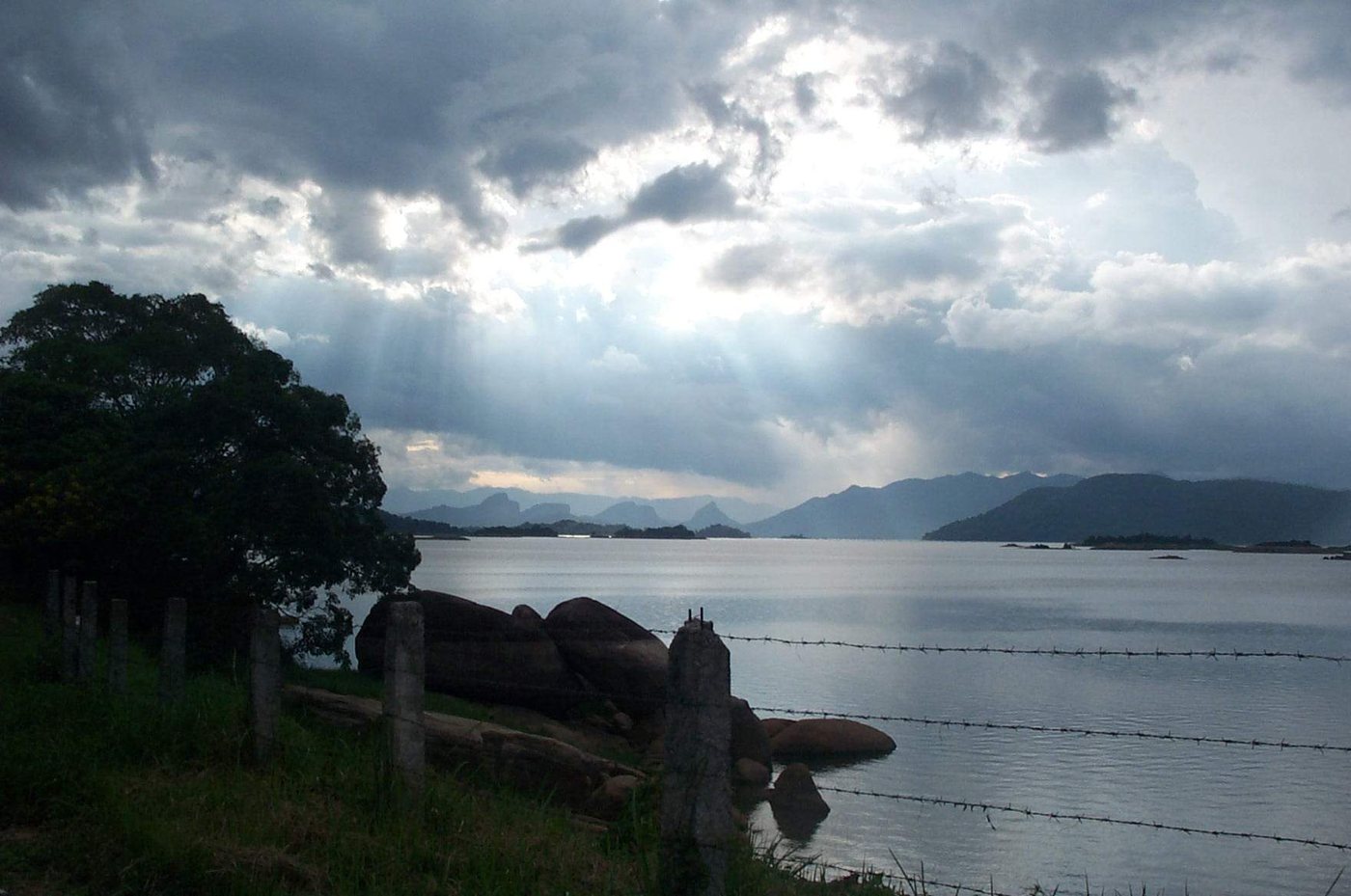
Smooth boulders on the shore of the lake with islands and mountains beyond

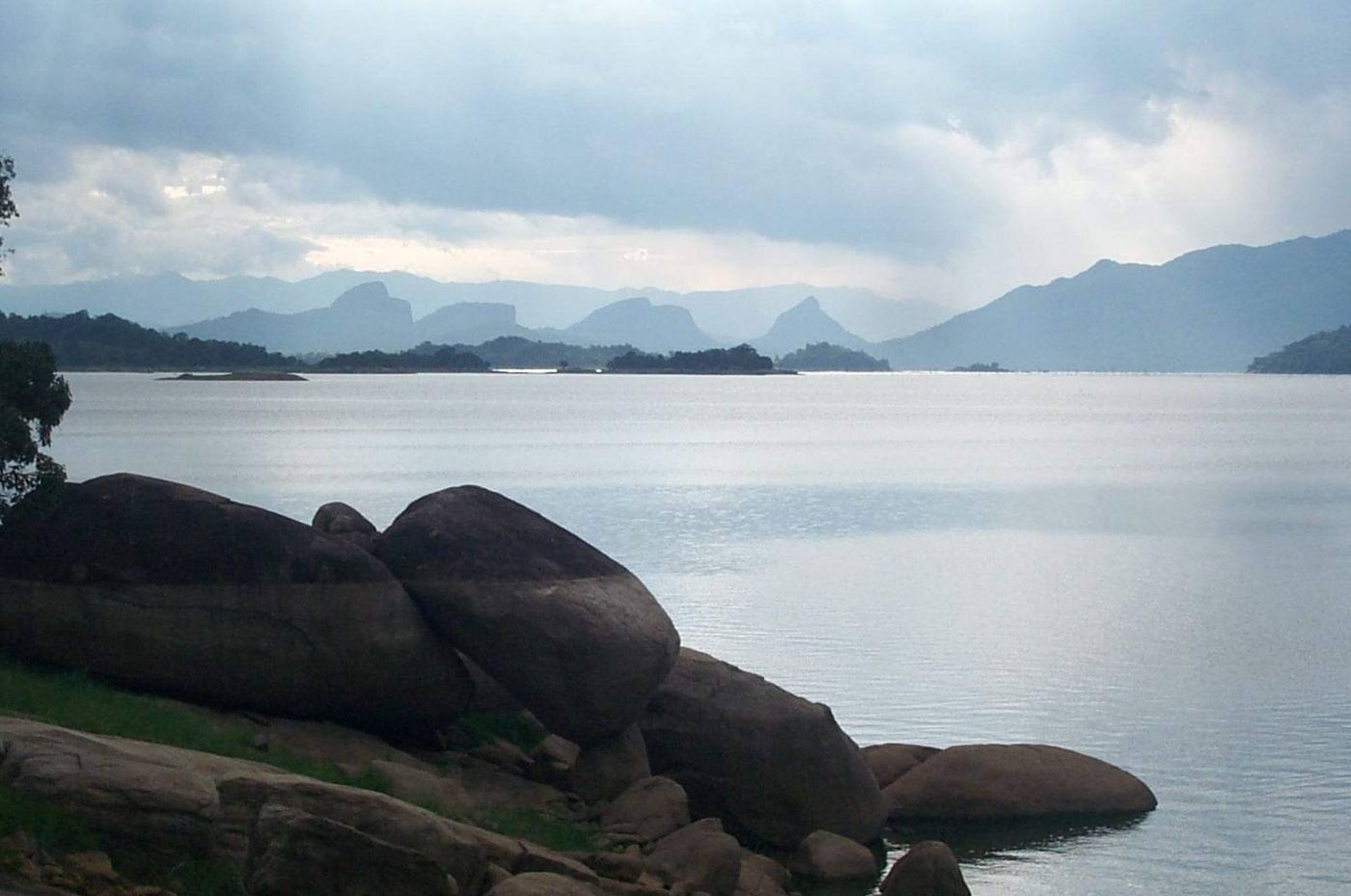
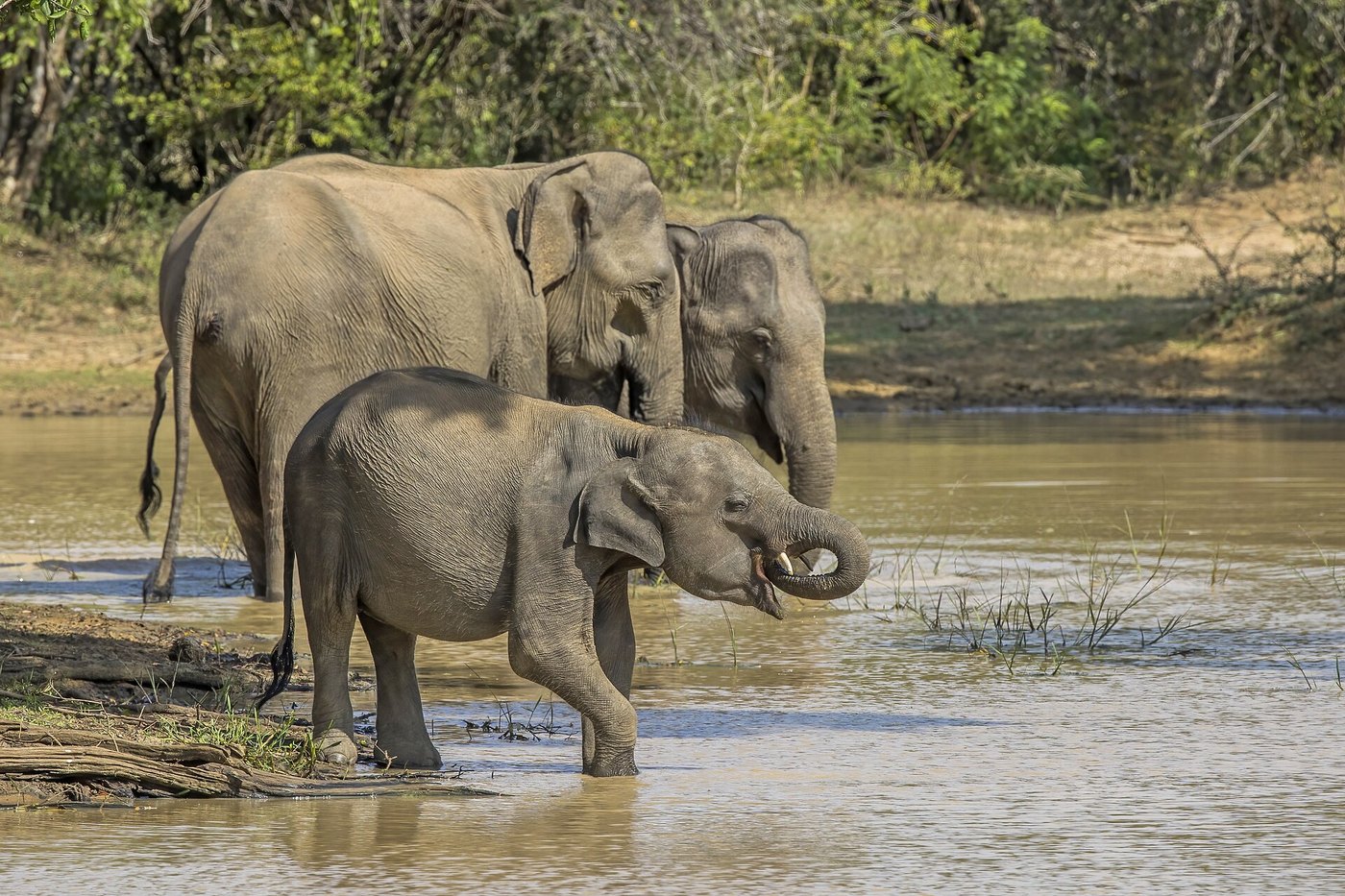
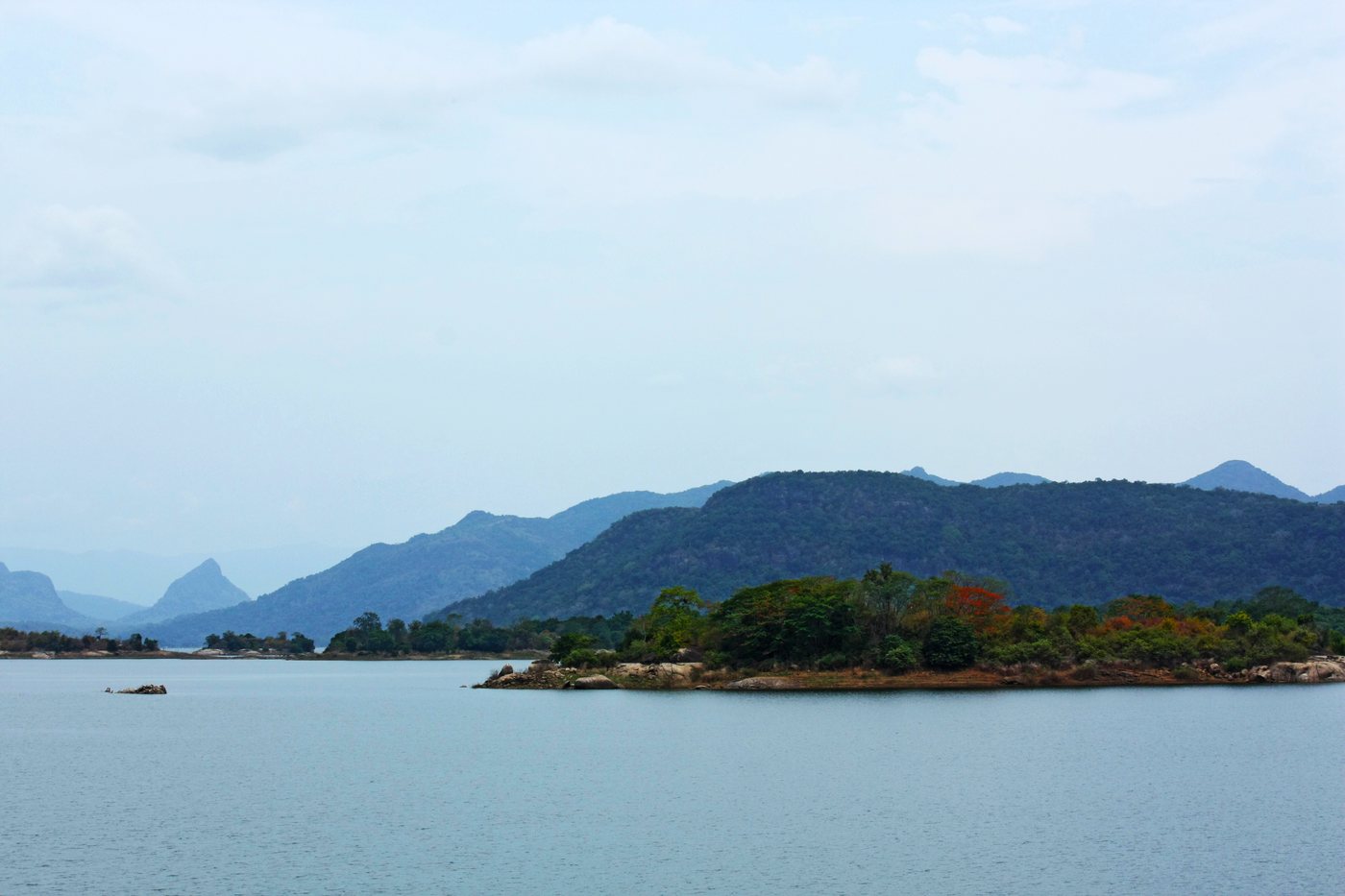
Gal Oya, in the east, is built around Senanayake Samudraya, the largest lake in Sri Lanka, scattered with forested islands. It is one of the only places where you can watch elephants swim from island to island, seen from a boat safari on the lake.

Few visitors make it this far, so the lake and the jeep tracks are quiet. There are boat trips, jeep drives and guided walks, and the park pairs well with Arugam Bay, a couple of hours to the south.

When Boat safaris best March to July

Highlights

  • A boat safari on Senanayake Samudraya
  • Elephants swimming between the islands
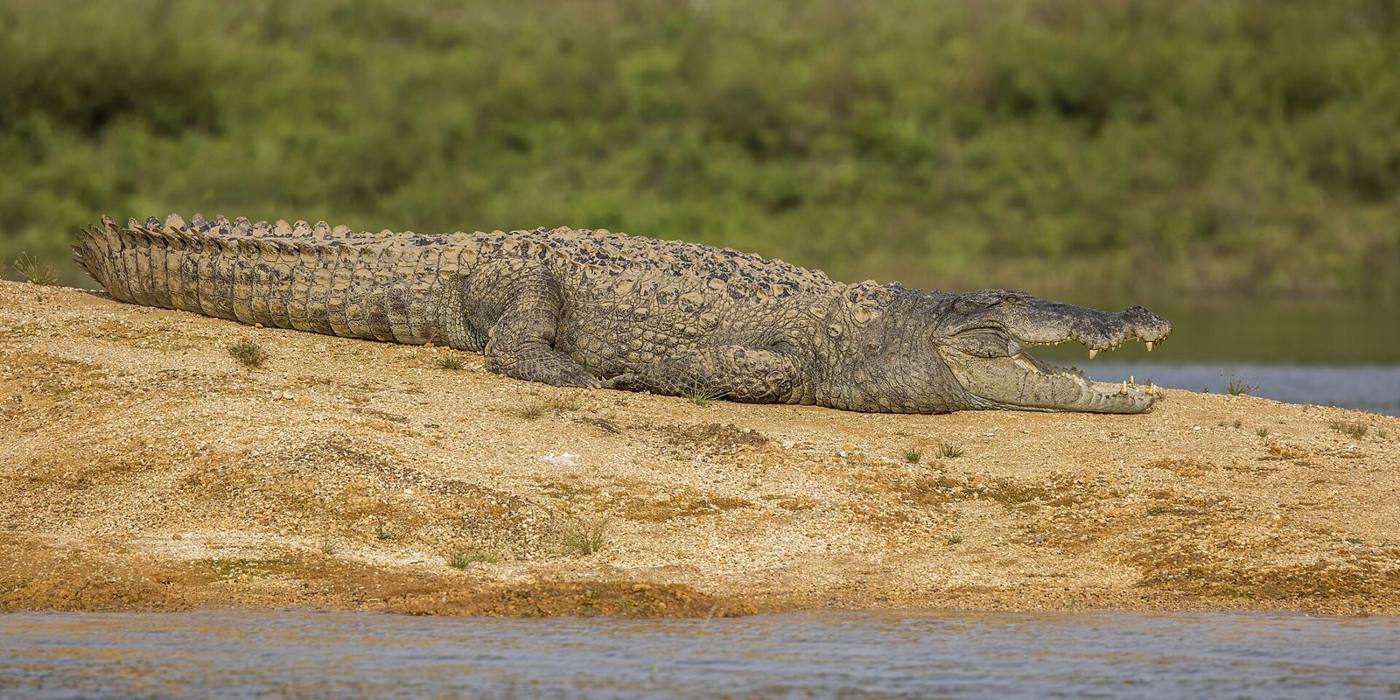
  • Mugger crocodiles and water birds
  • Quiet, little-visited wilderness
  • Easy to combine with Arugam Bay
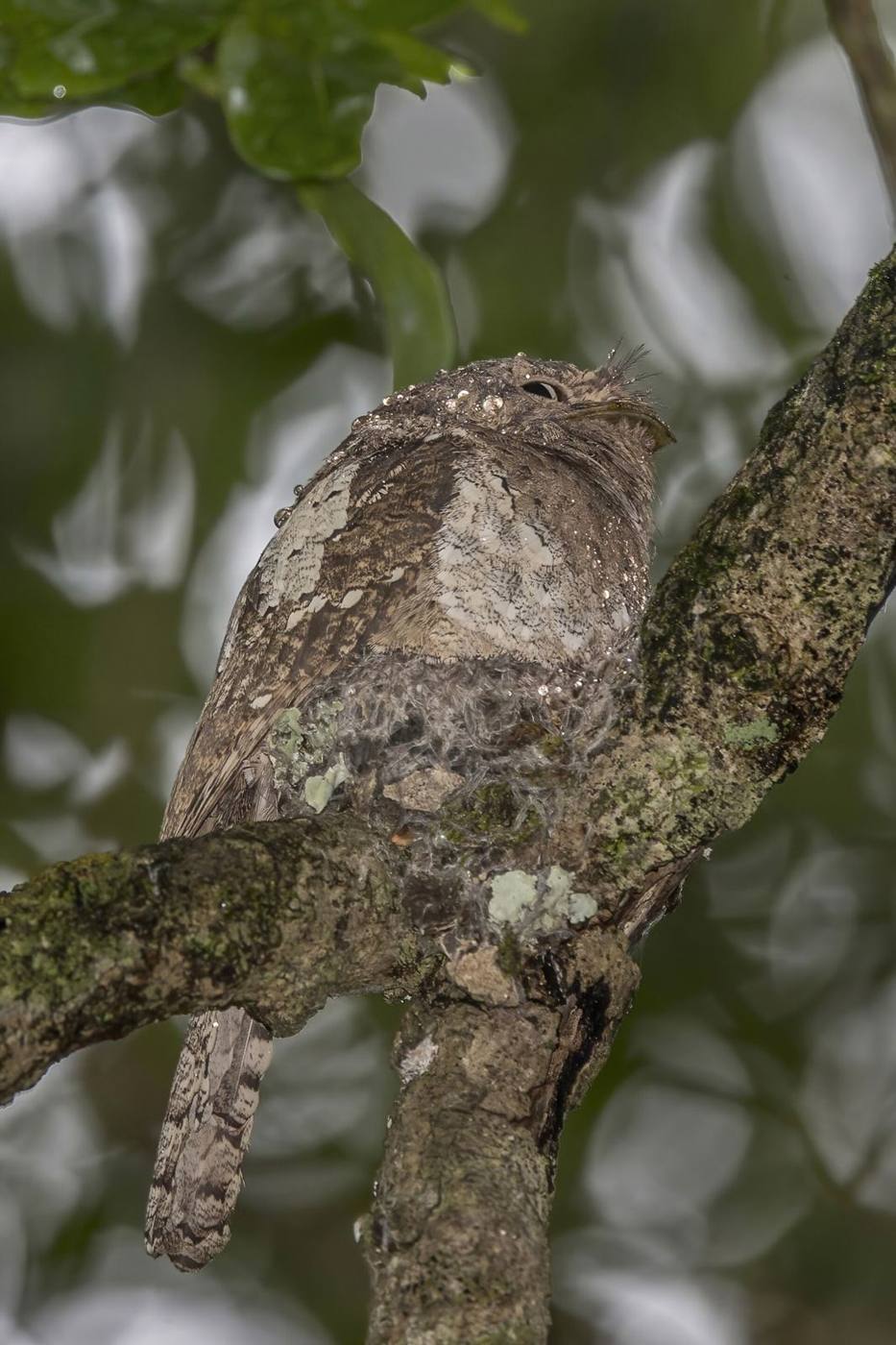
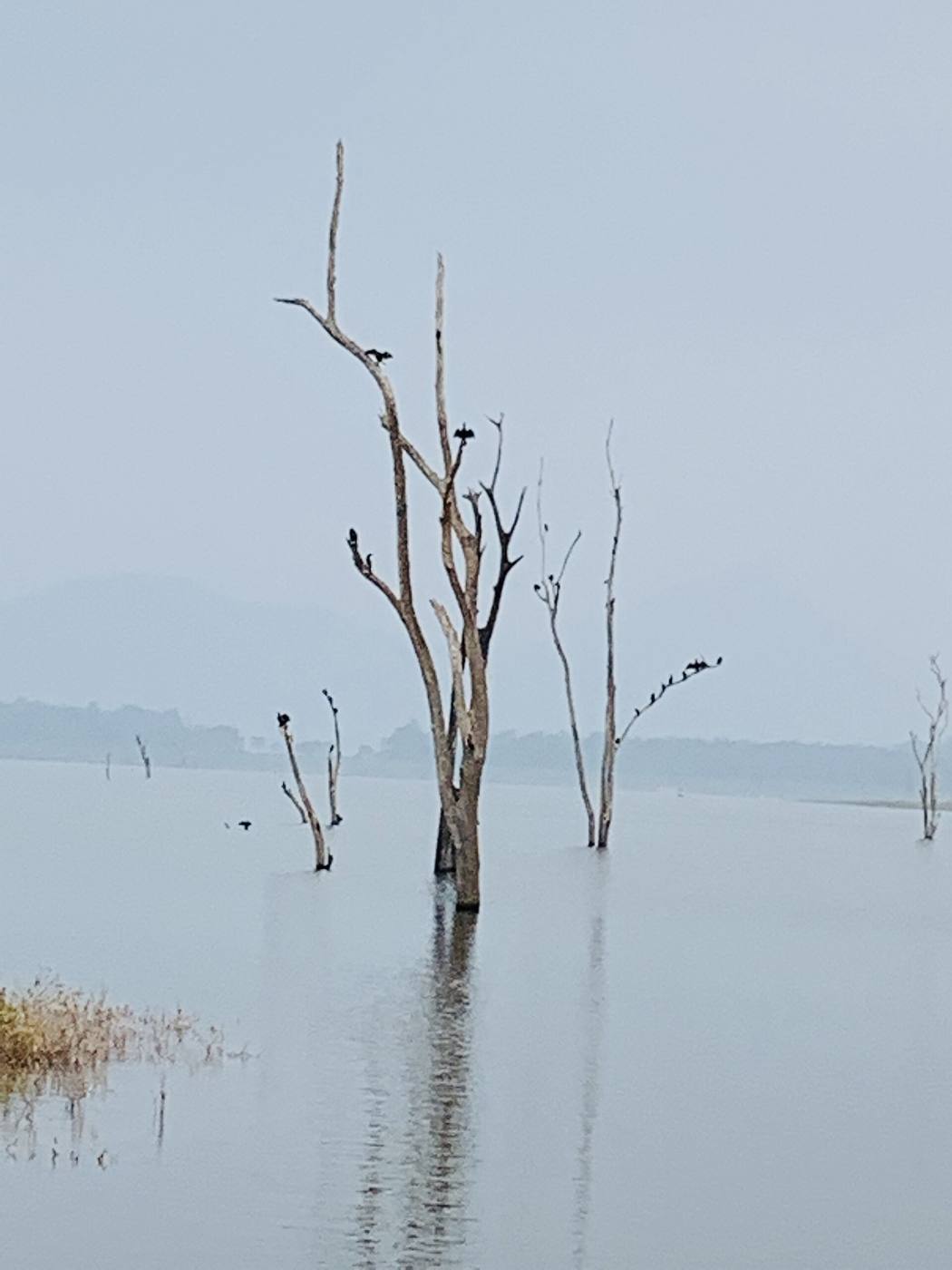
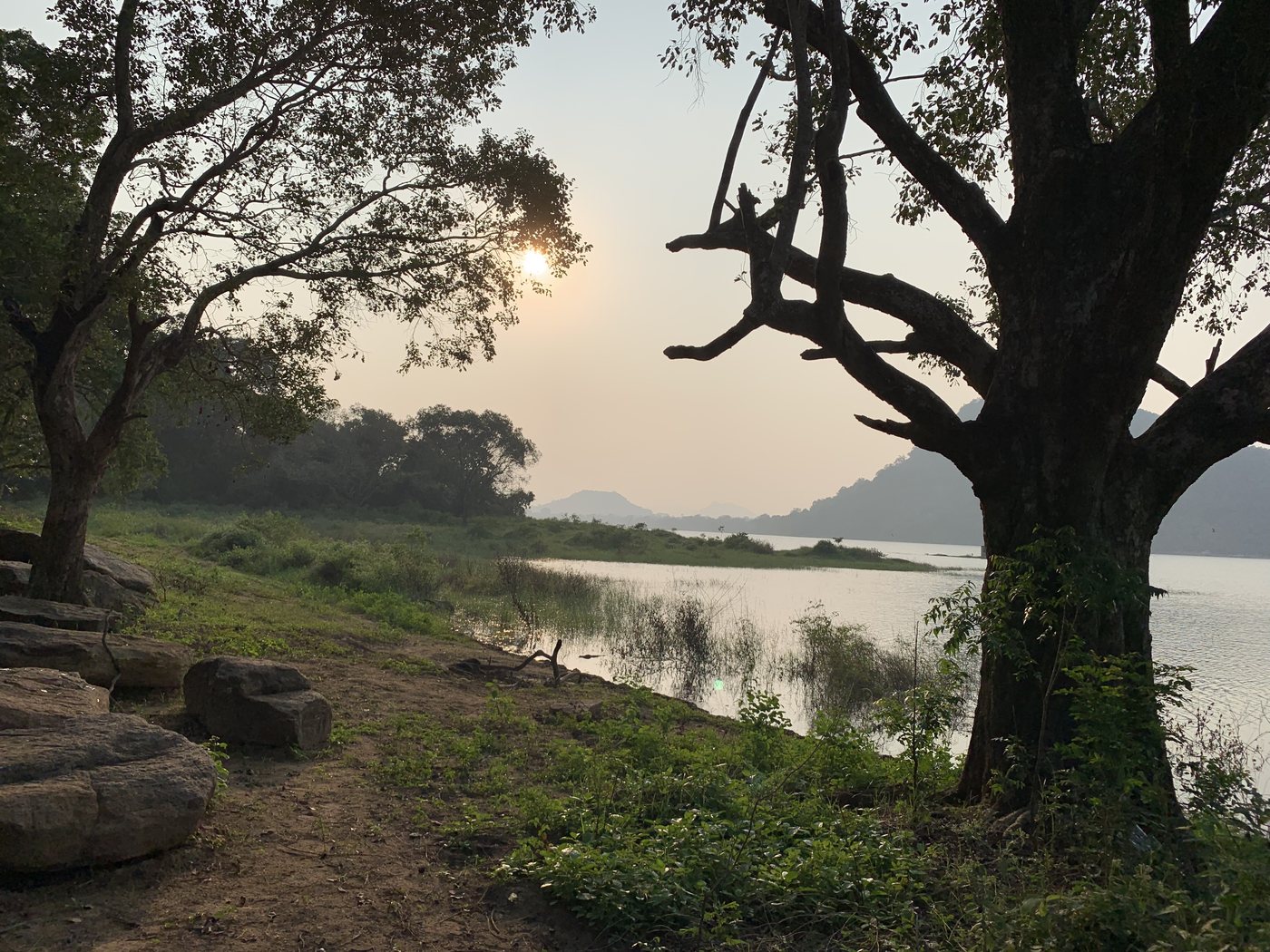
A crocodile basking on a sandbank A well camouflaged frogmouth bird on a branch Two female elephants and a young one drinking at the edge of a lake Bare dead trees standing in still water A forested island on a calm lake with blue mountains behind Sun rays breaking through storm clouds over the lake and boulders on the shore Old trees on a lakeshore with the sun setting over hills A sandy track curving through light green forest

Horton Plains National Park

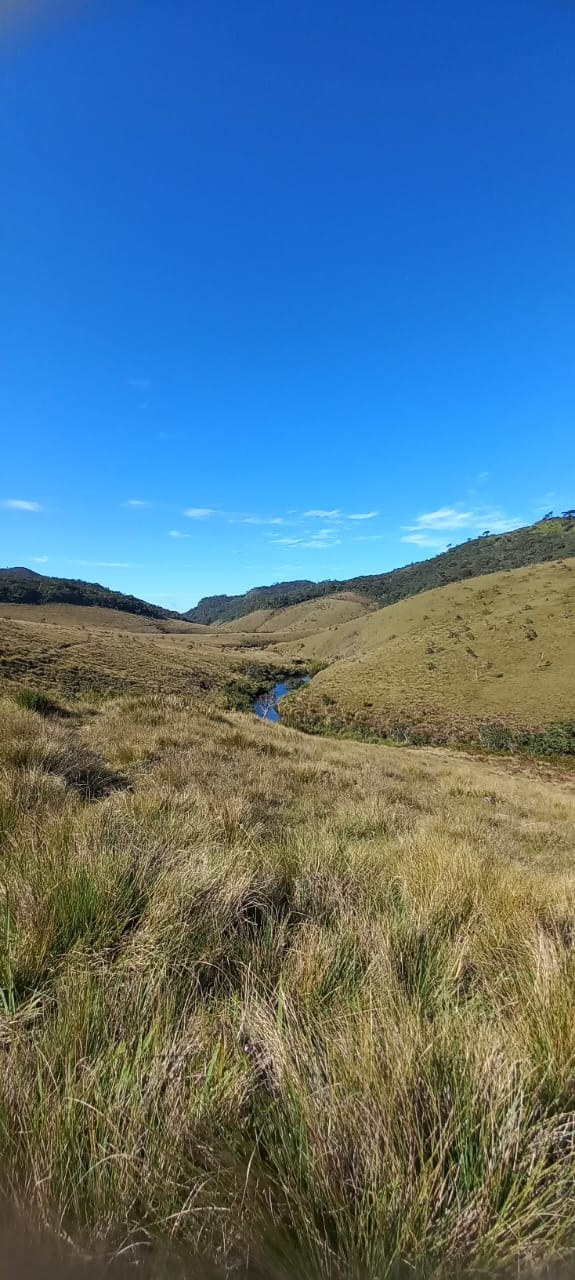
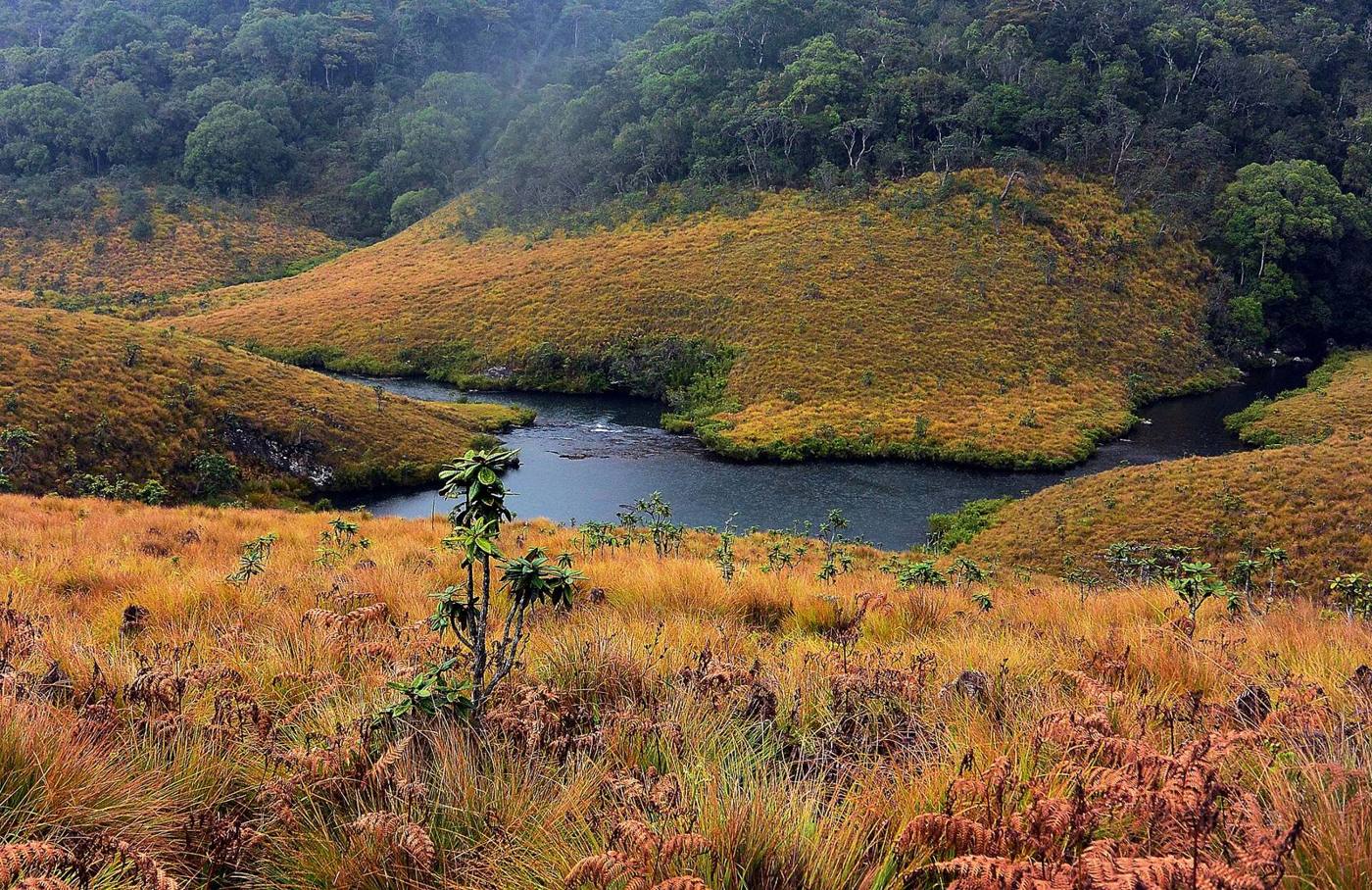
Golden grassland and a winding stream on Horton Plains

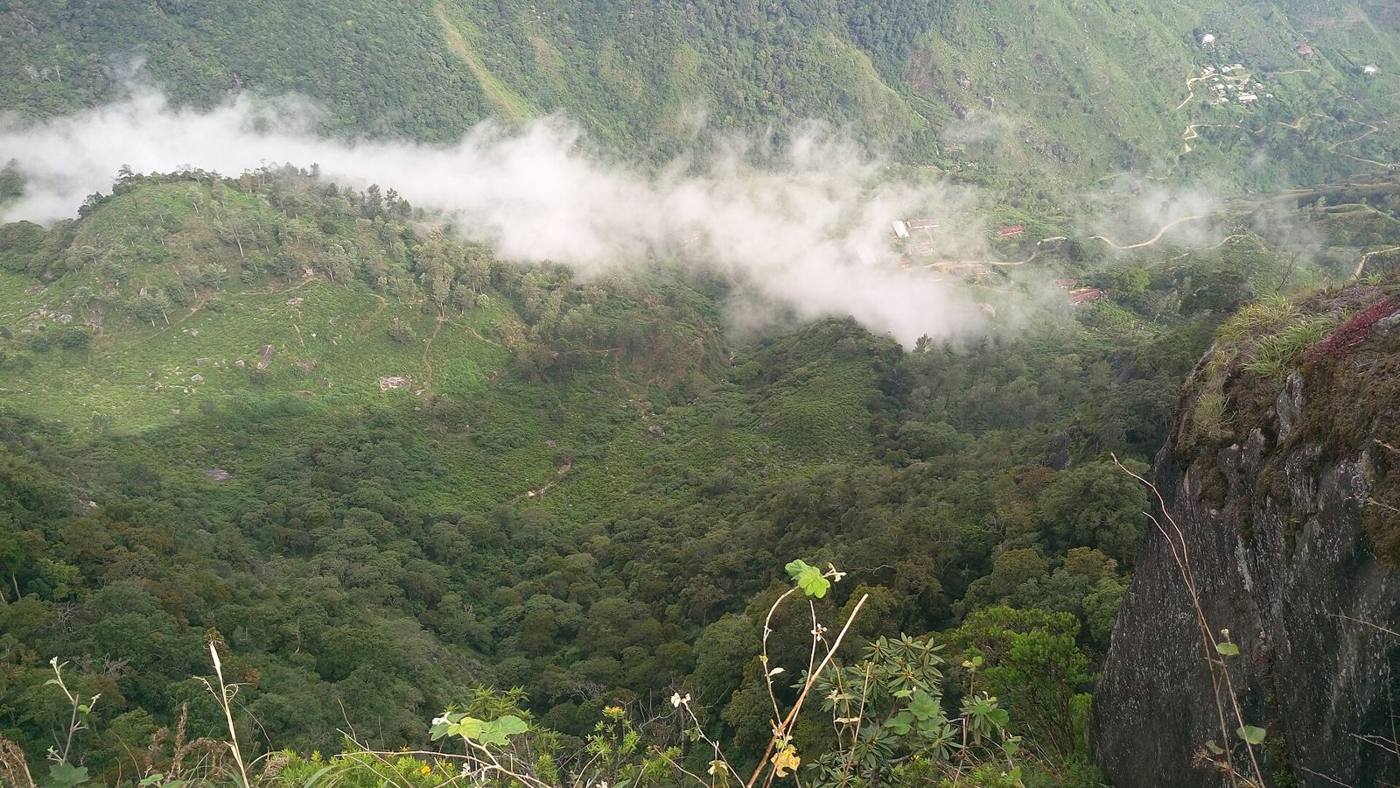
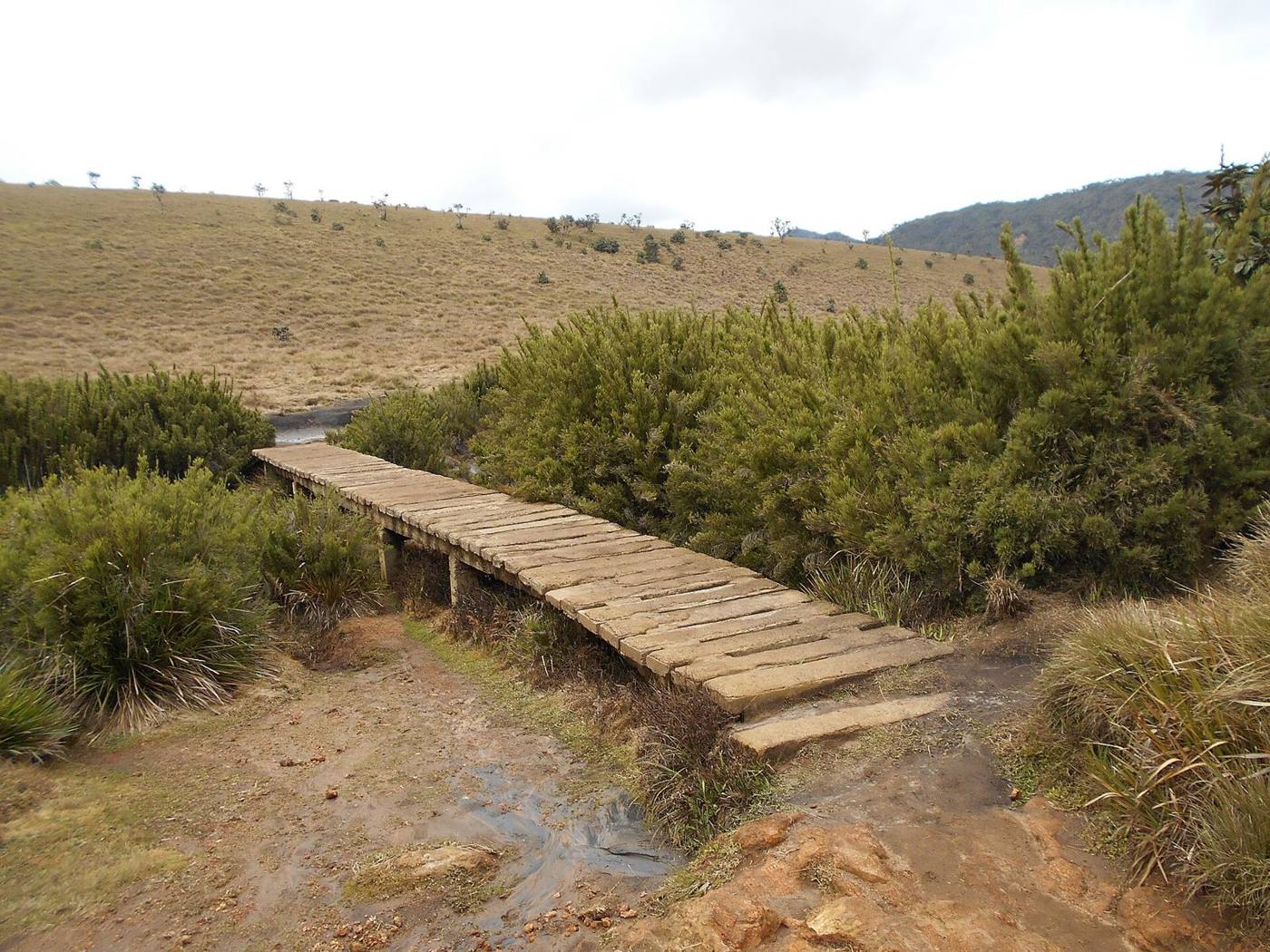
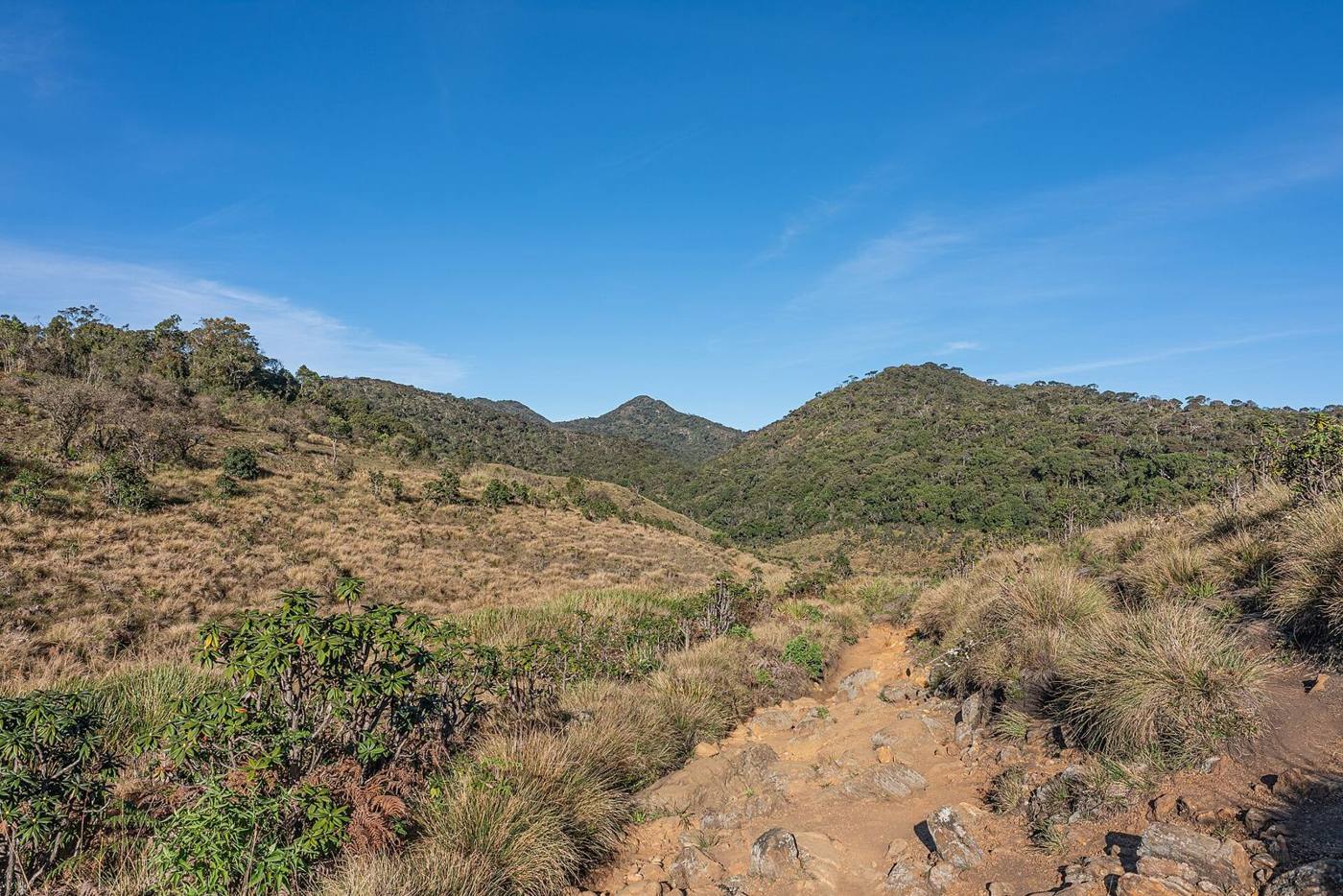
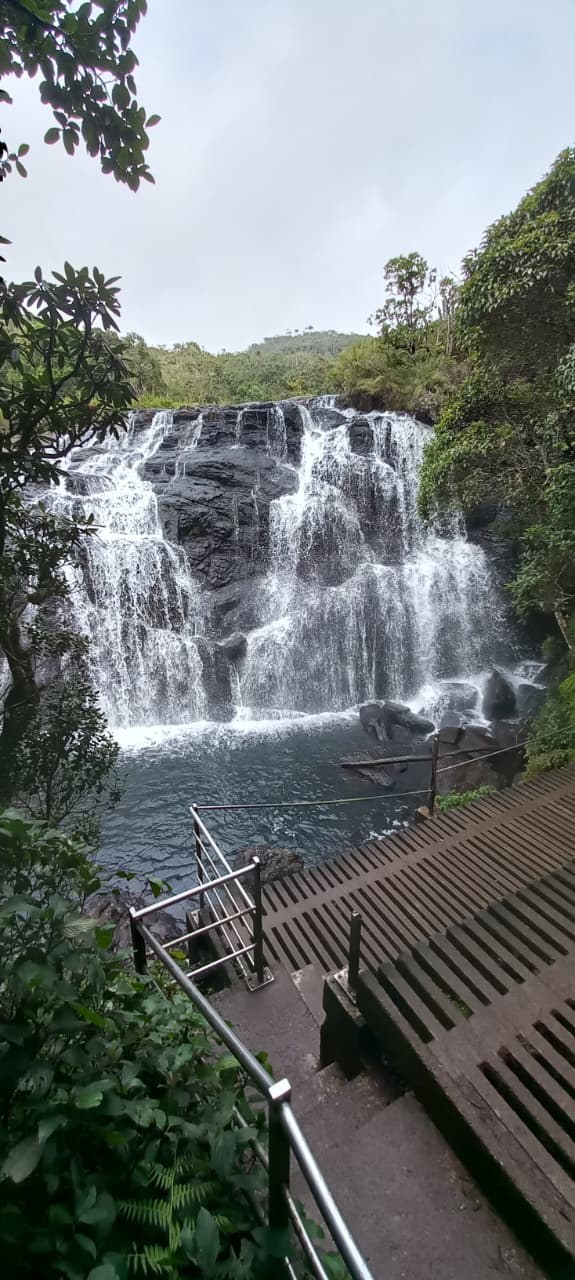
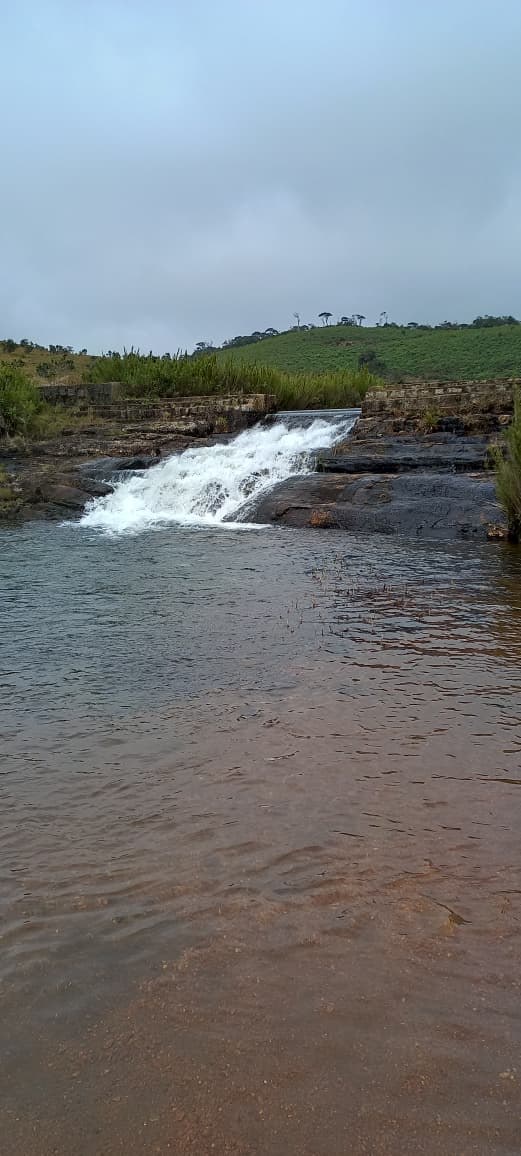
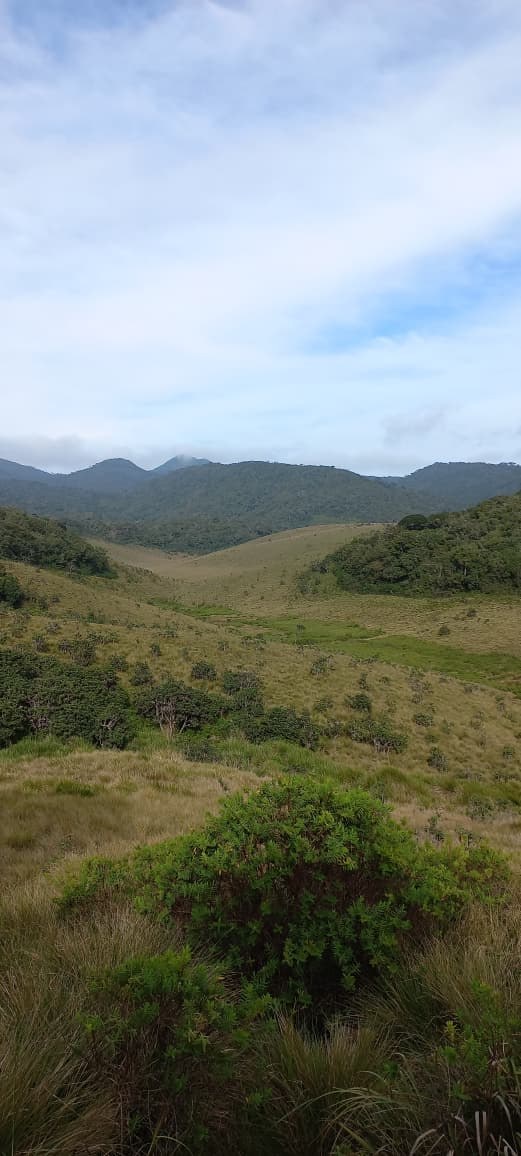
Horton Plains is a high plateau of misty grassland and cloud forest above 2,000 metres, part of the Central Highlands UNESCO World Heritage Site. A 9.5 km loop walk crosses it to World's End, a sheer cliff that drops hundreds of metres to the tea estates below, and returns past Baker's Falls.

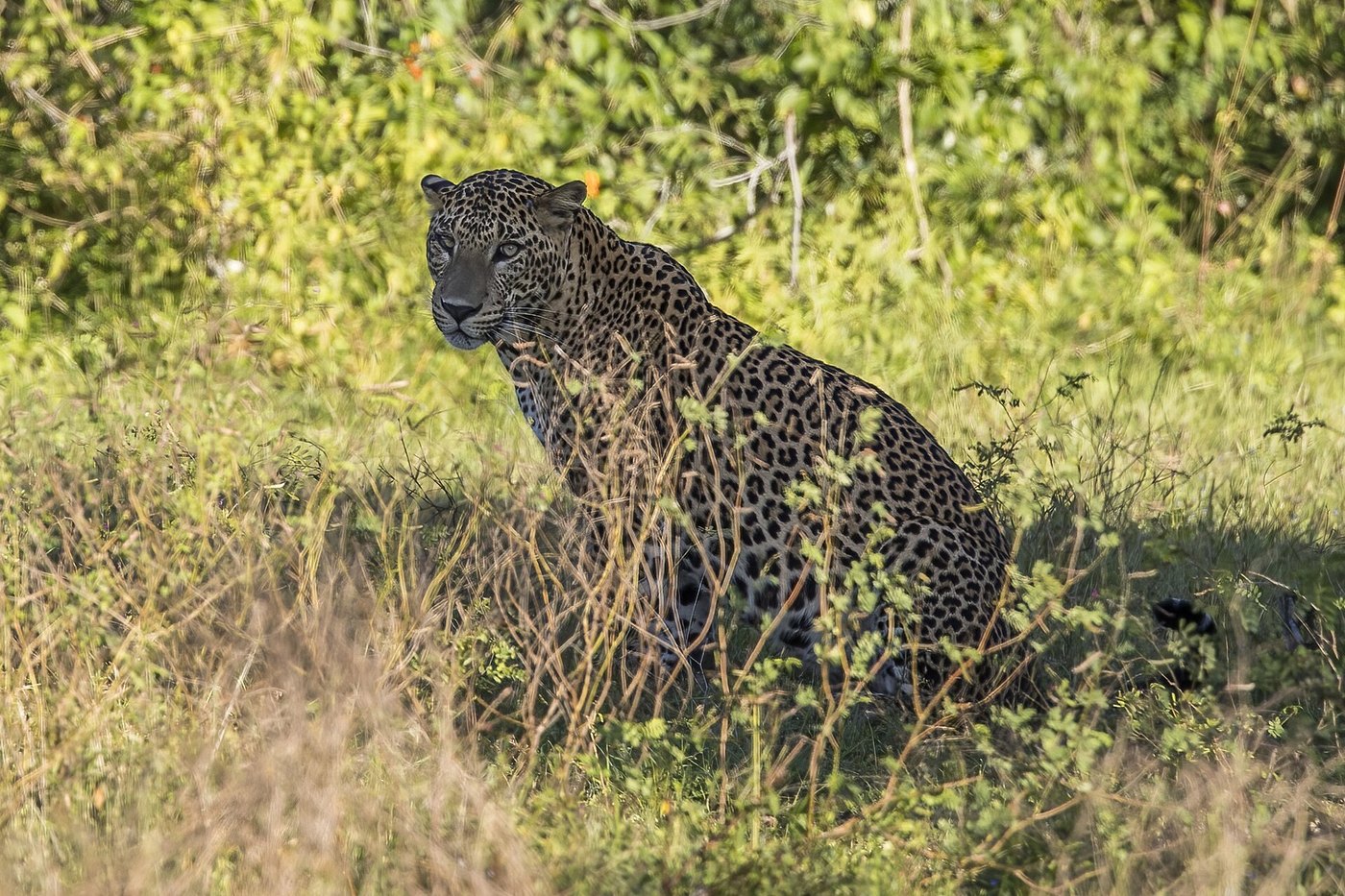
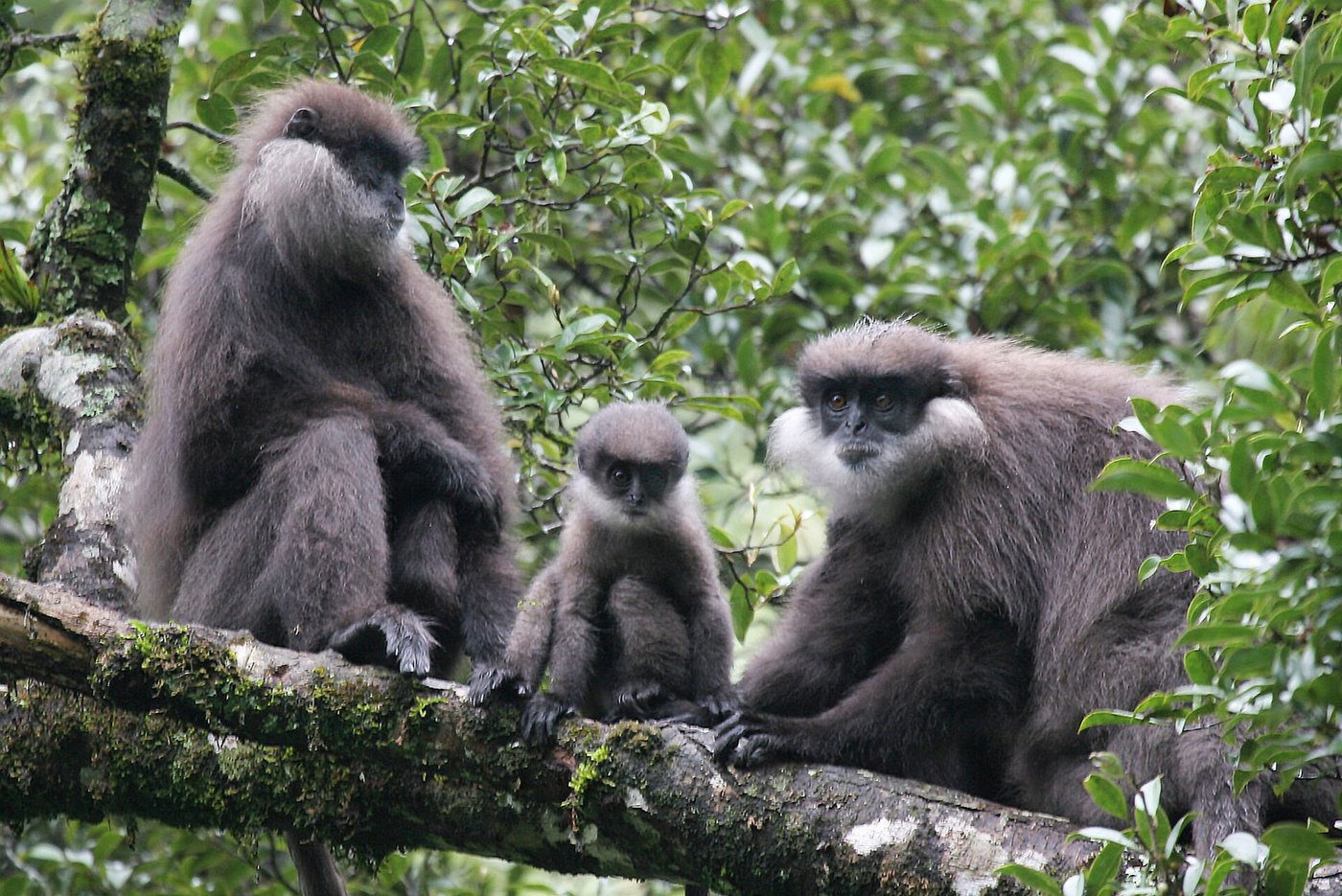
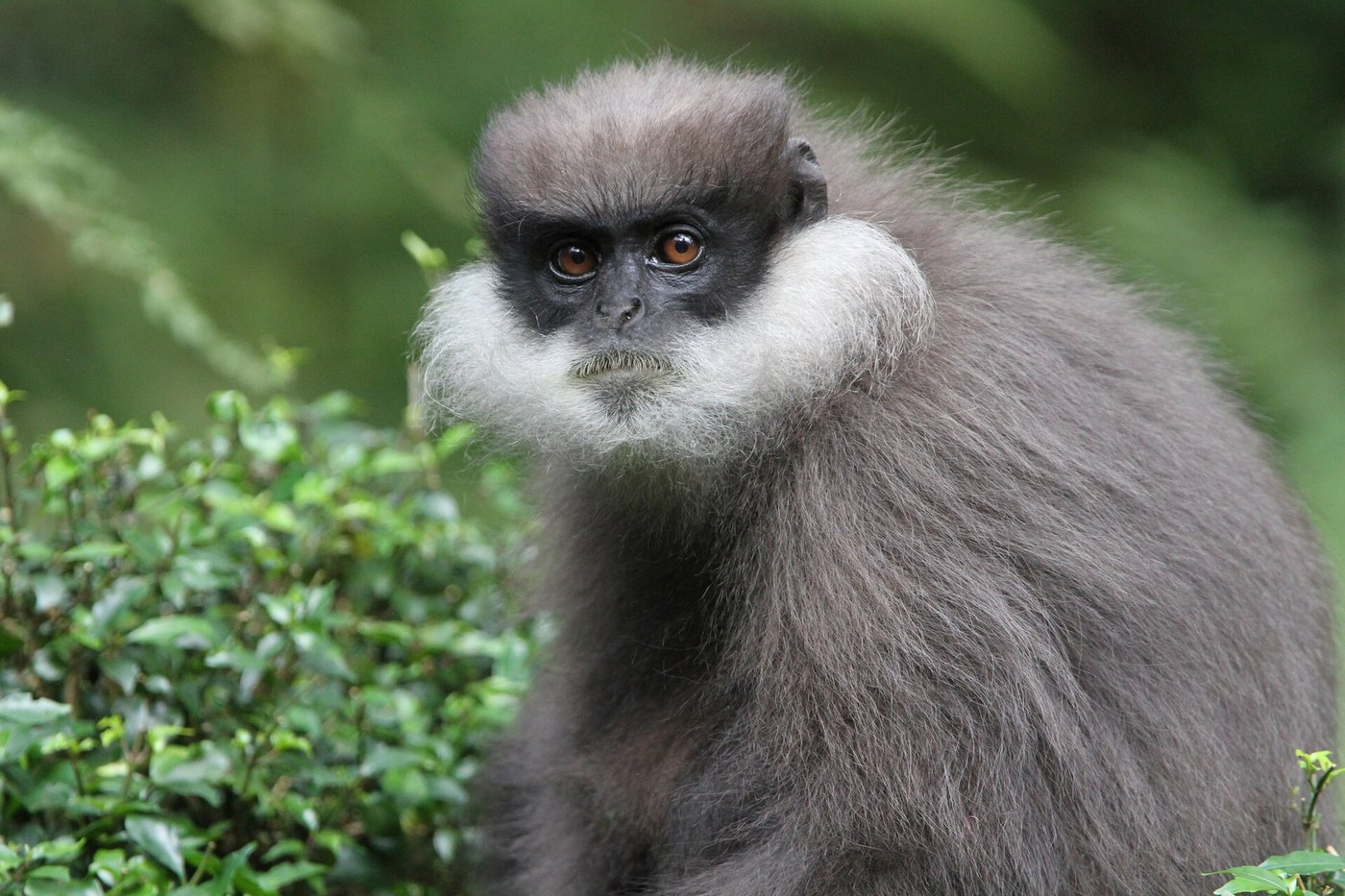
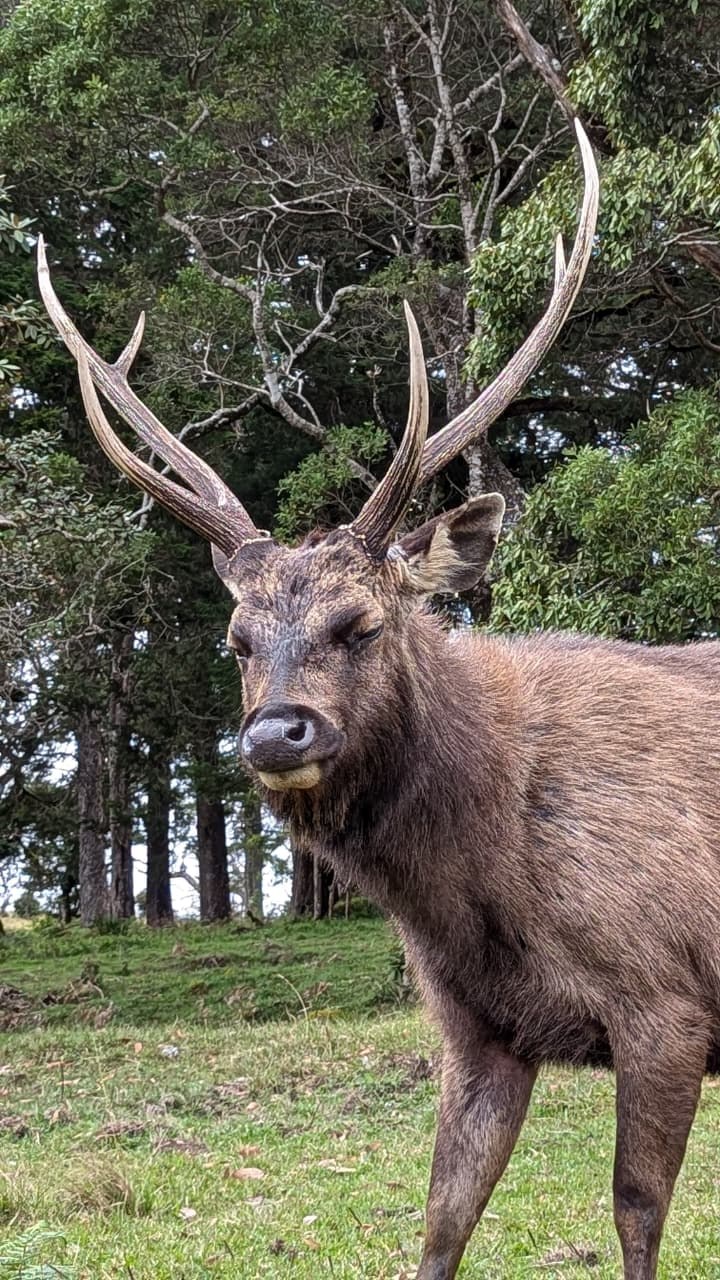
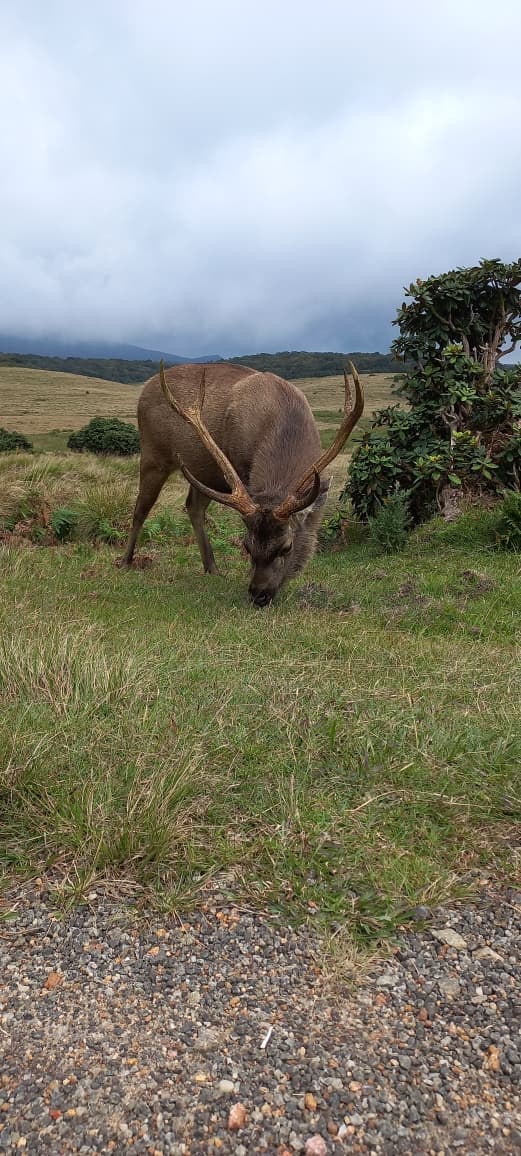
Start early. The view at World's End is usually clearest before about 10 in the morning, when the cloud rolls up the cliff. Look out for sambar deer, purple-faced langurs and endemic birds along the way, and, if luck is on your side, a leopard. It is reached from Nuwara Eliya or Ella.

When Clearest January to March. Go at first light

Highlights

  • The walk to World's End, best before the cloud rises
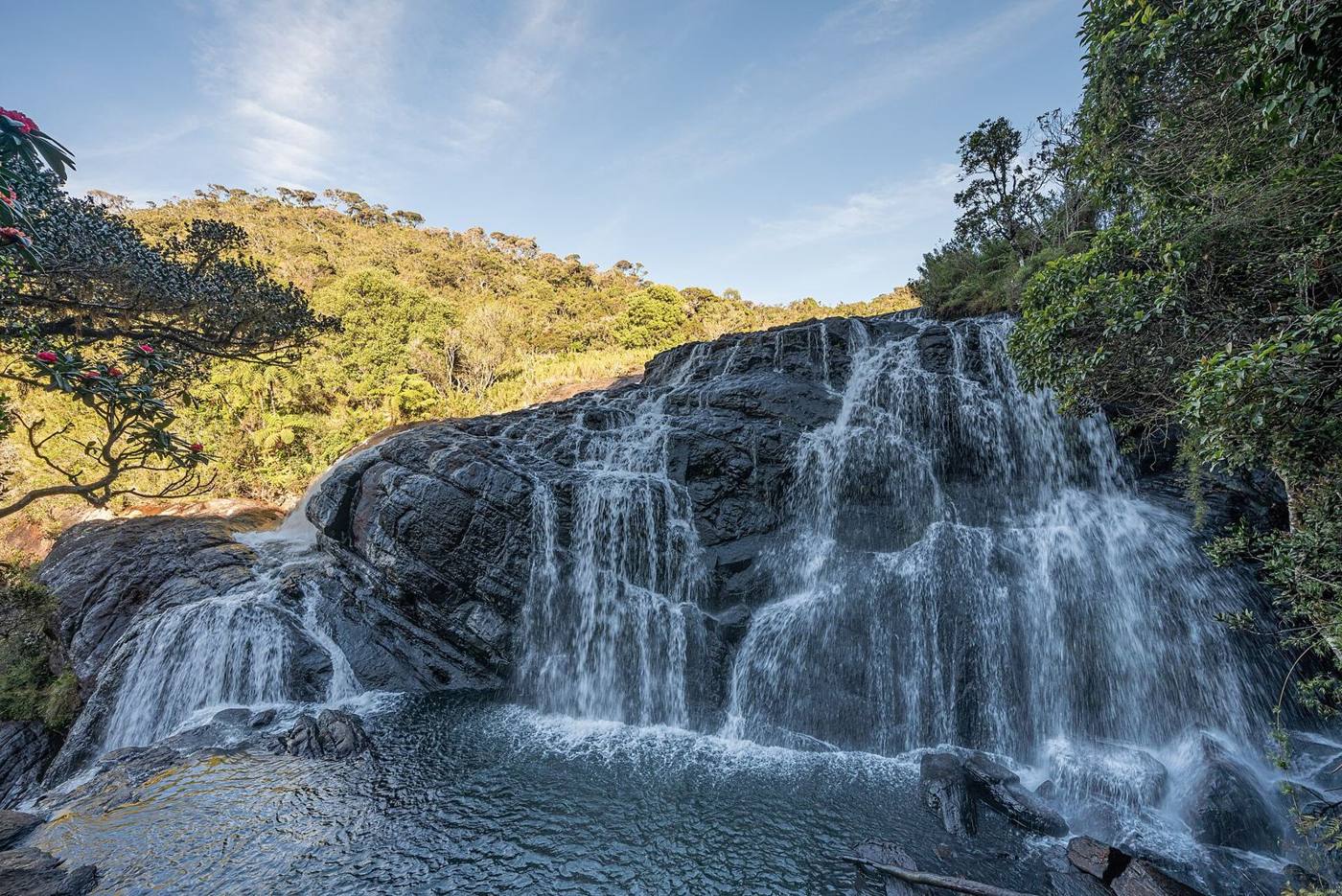
  • Baker's Falls on the same loop
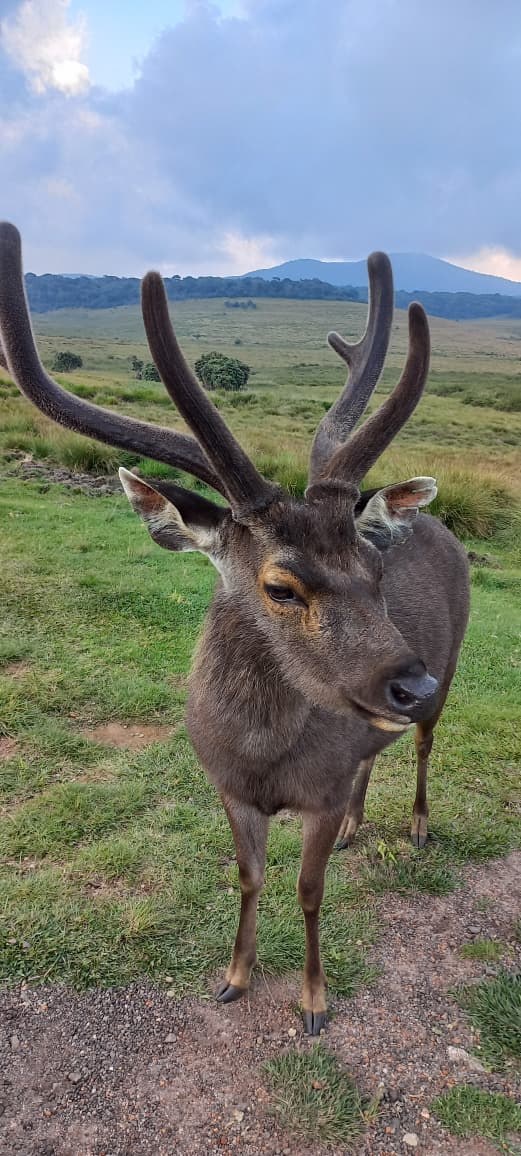
  • Sambar deer, langurs and highland birds
  • Part of the Central Highlands UNESCO site
  • An early start from Nuwara Eliya or Ella
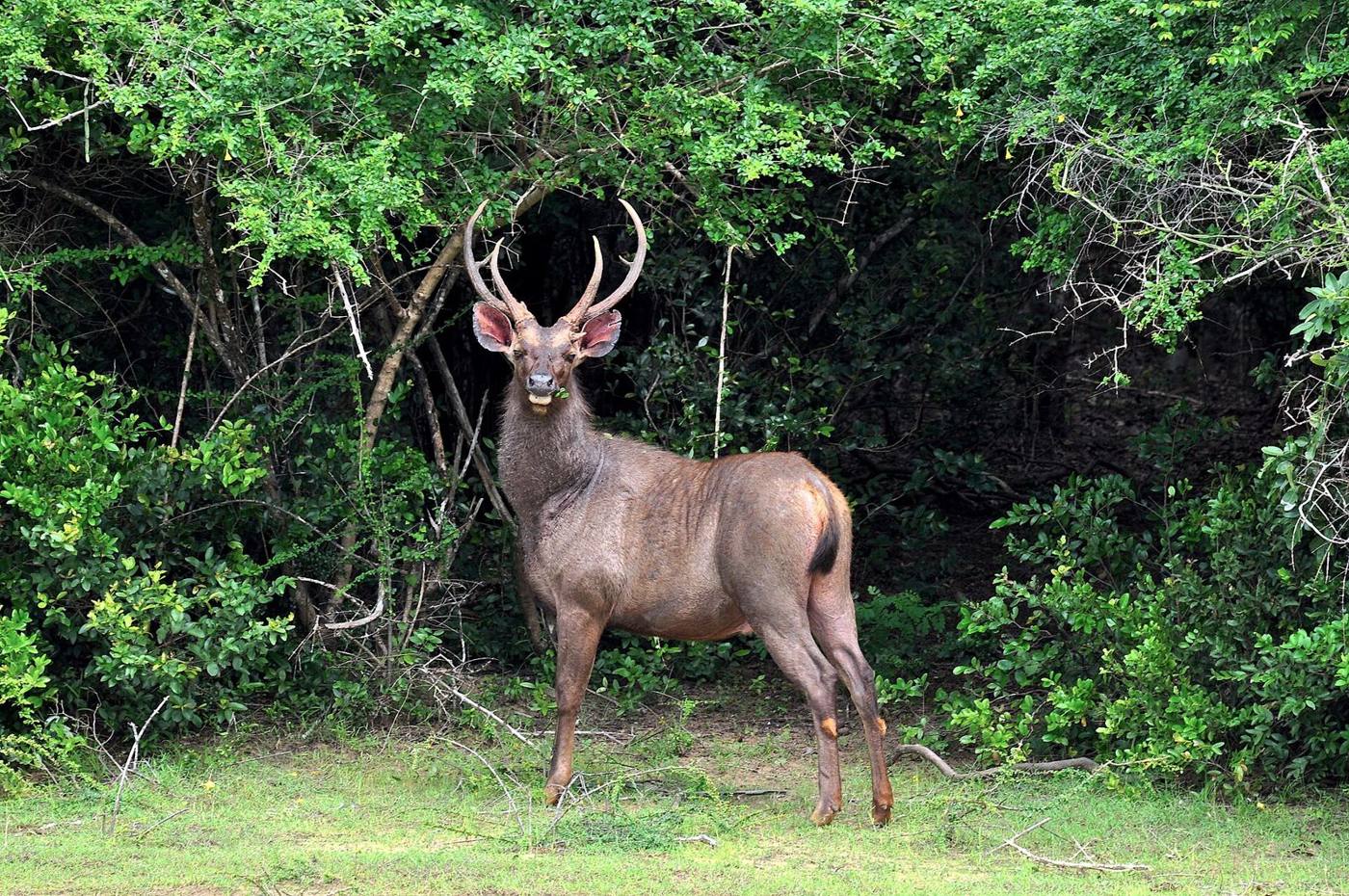
A Sri Lankan leopard sitting in long grass, looking back over its shoulder A family of purple-faced leaf monkeys with a baby sitting on a mossy branch Close portrait of a purple-faced leaf monkey with long white whiskers Mountains and valleys seen from the World's End cliff Mist rising from the valley below the cliff Baker's Falls spilling over dark rock A wooden footbridge on the Horton Plains trail A rocky trail across the high grassland A sambar deer stag with tall antlers in front of the forest A sambar deer stag facing the camera on the grassland with hills behind A sambar deer stag grazing on the grass under a cloudy sky A wide white waterfall in the forest seen from a wooden viewing deck A small cascade spilling into a wide shallow stream on the plains Rolling grassland and patches of cloud forest under a pale sky Golden grassland and a winding stream under a deep blue sky

Sinharaja Forest Reserve

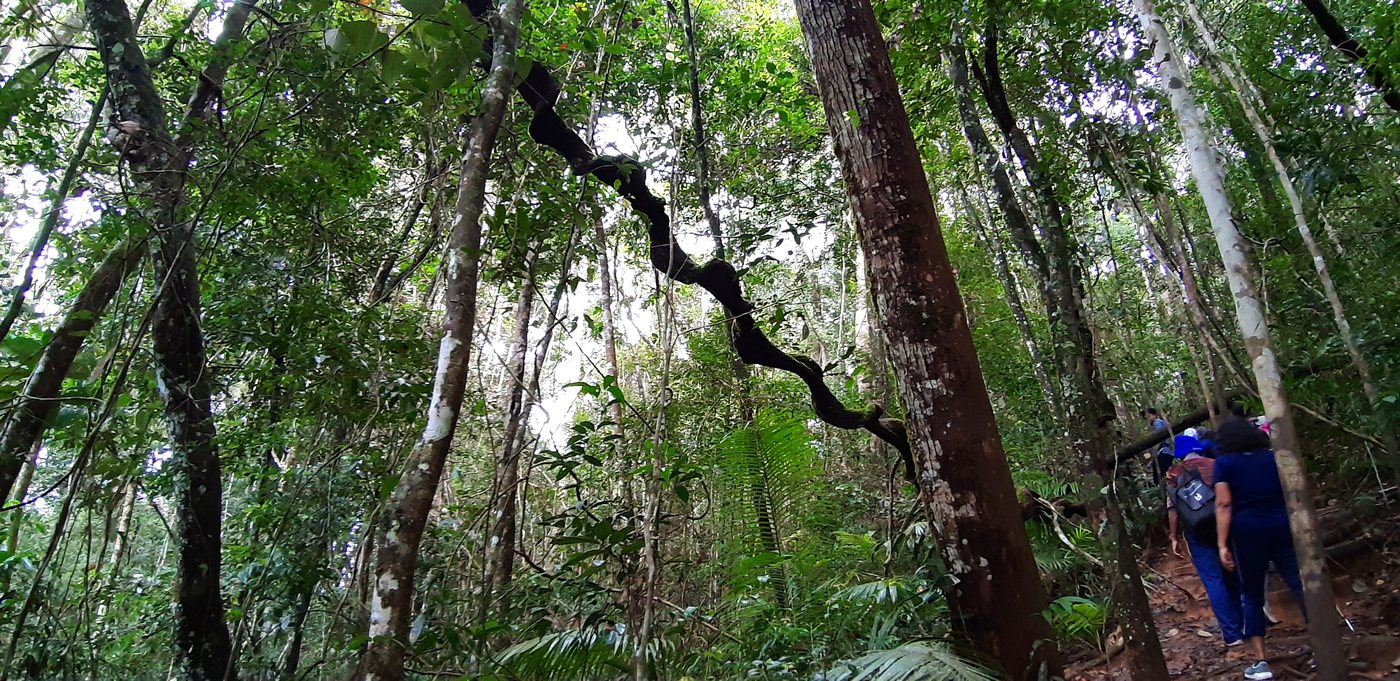
A stream winding through dense rainforest

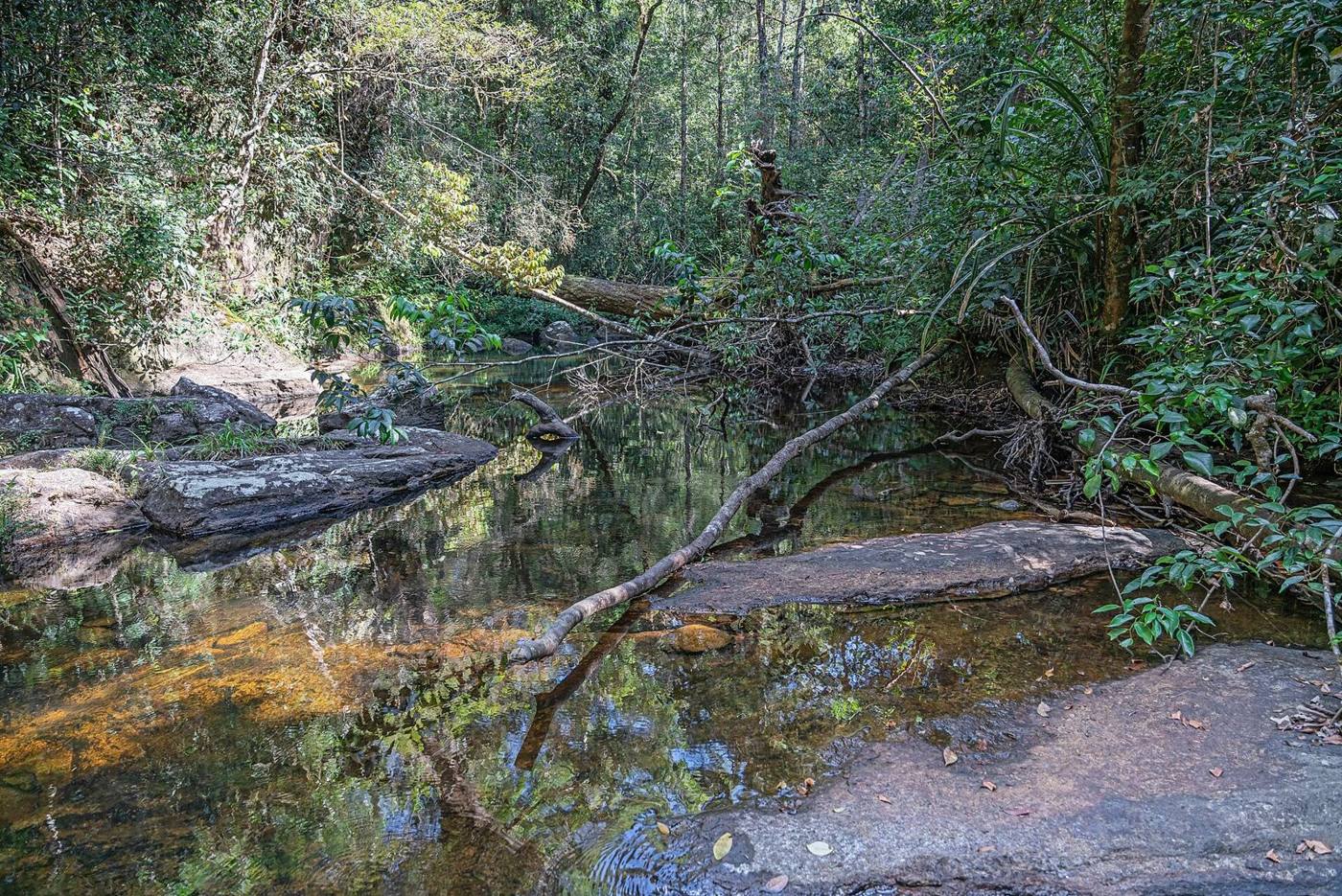
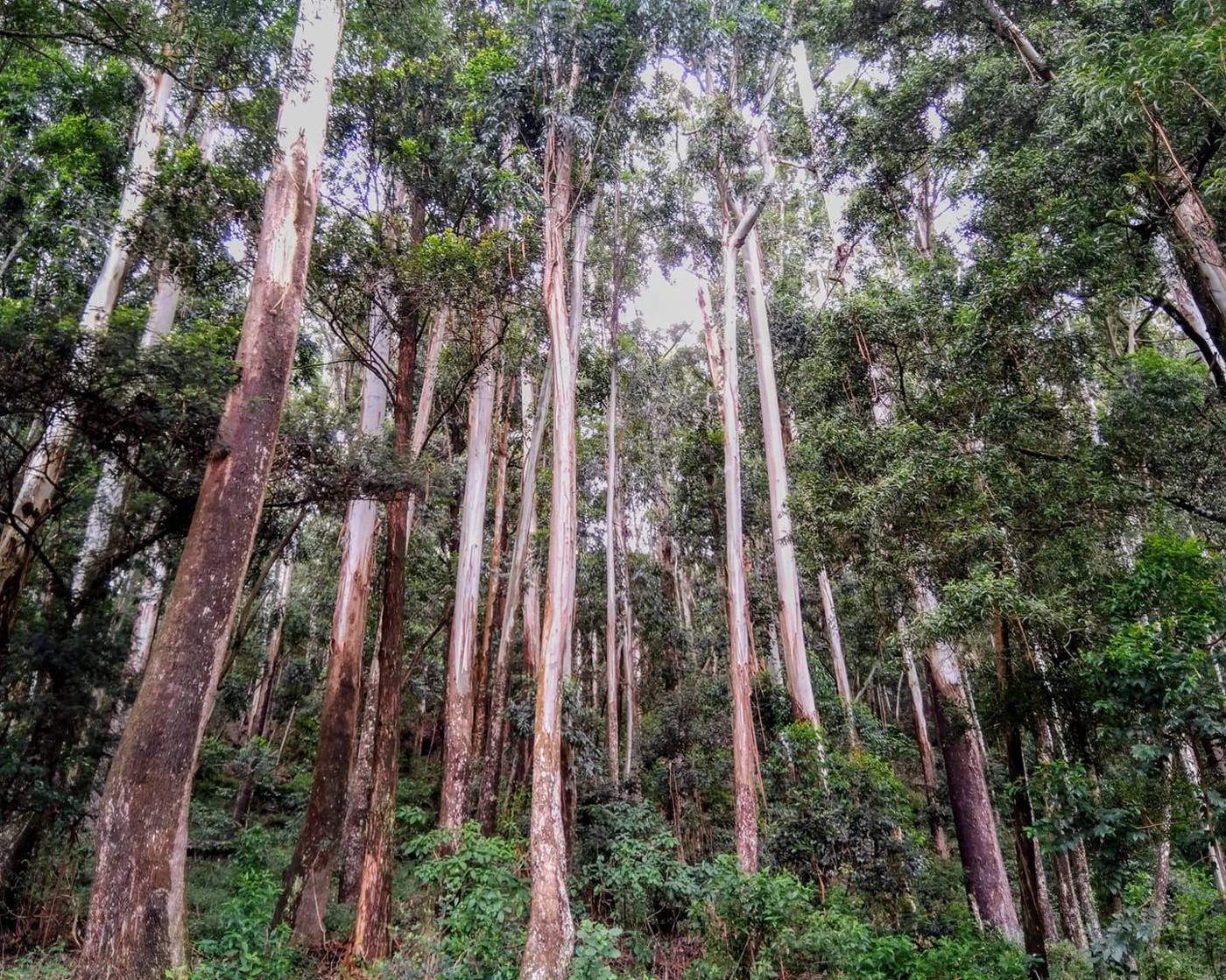
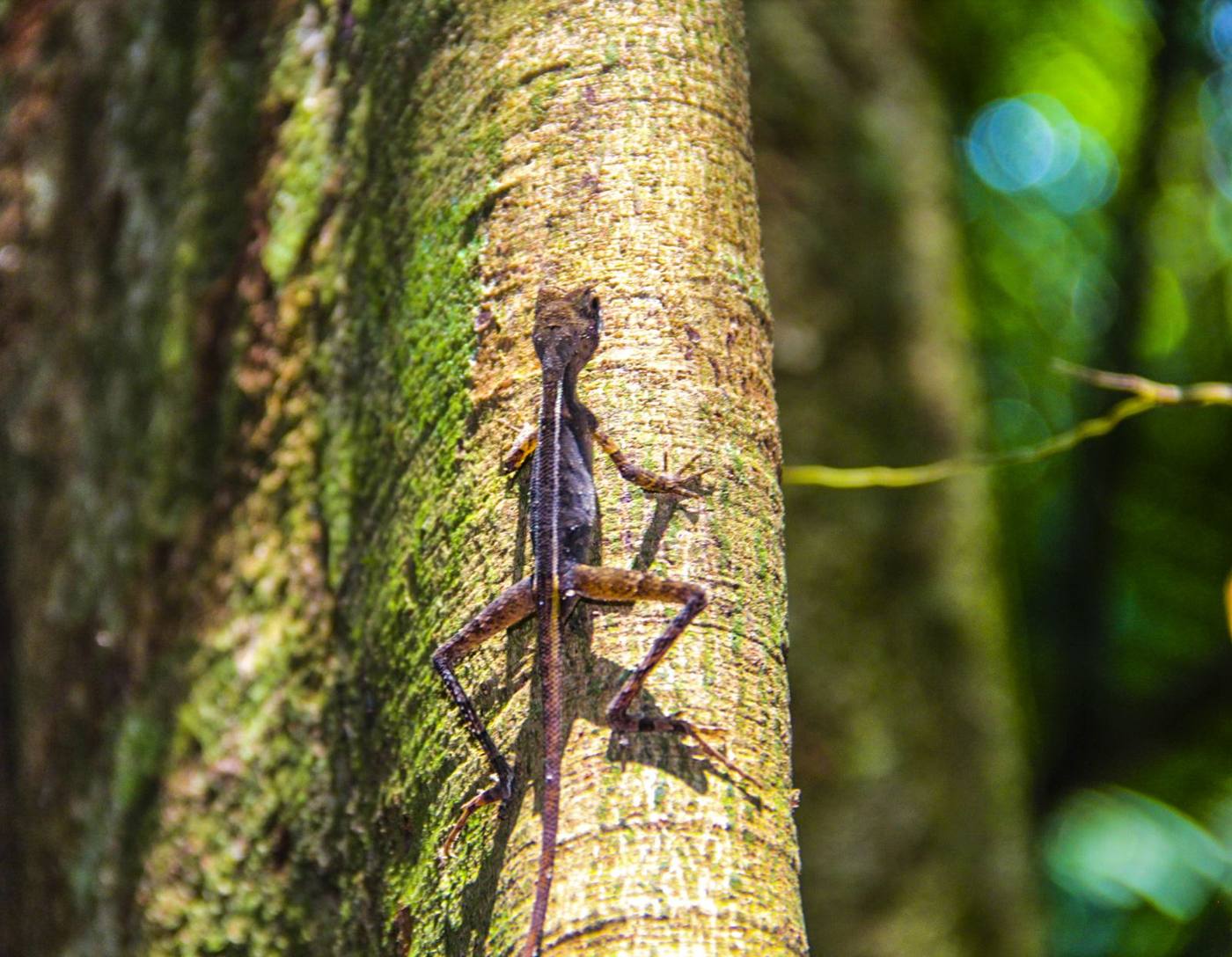
Sinharaja is Sri Lanka's last large stretch of primary lowland rainforest, and a UNESCO World Heritage Site. Most of its trees are found nowhere else on earth, and it is home to a remarkable share of the island's endemic birds, frogs, lizards and butterflies.

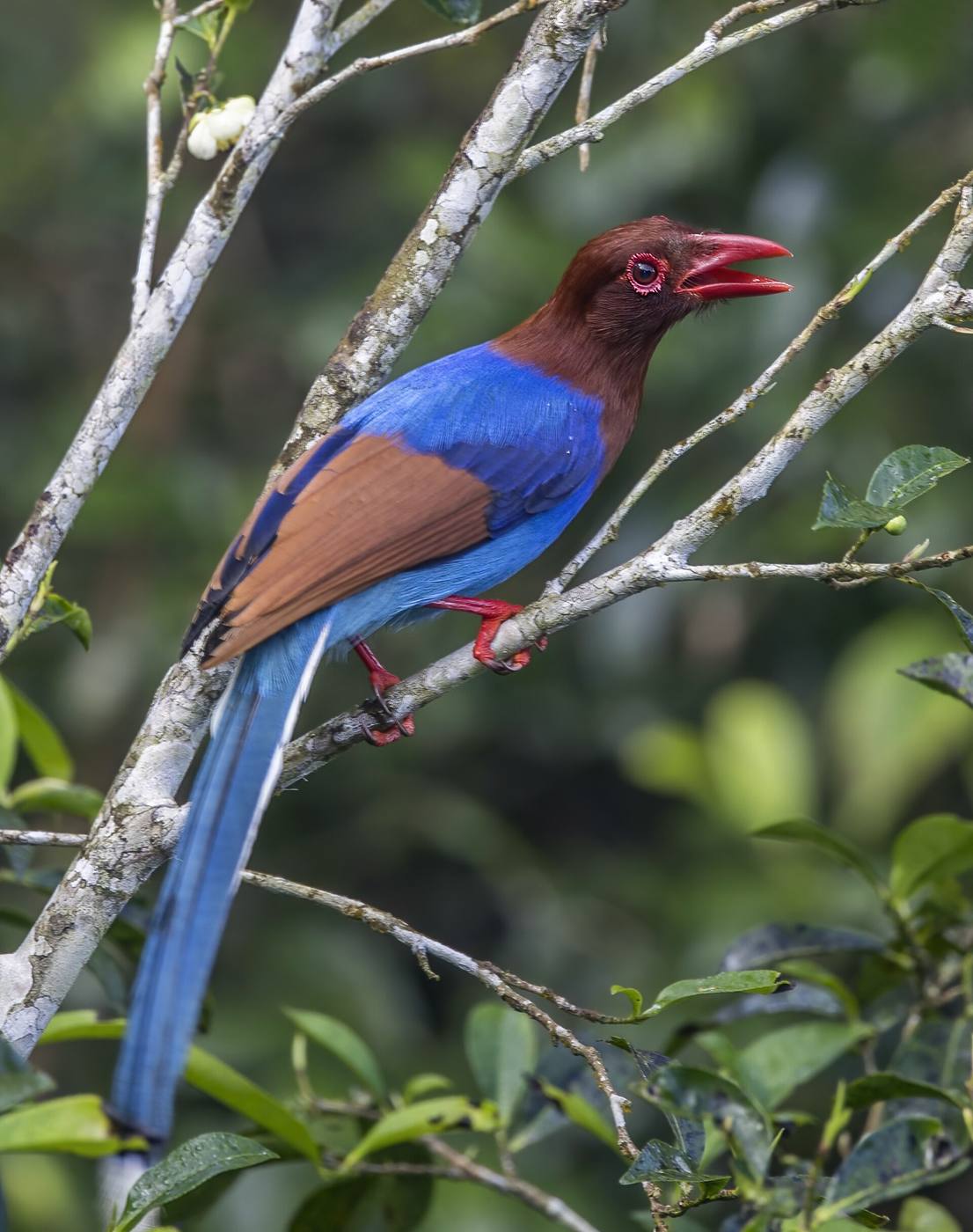
It is famous for its mixed-species bird flocks, where a dozen or more species move through the canopy together, and for the brilliant Sri Lanka blue magpie. Walks are on foot with a local naturalist, rain or shine, so wear leech socks. It is a couple of hours inland from the south coast.

When Driest January to April and August to September

Highlights

  • Primary rainforest, mostly found nowhere else
  • Mixed bird flocks and the Sri Lanka blue magpie
  • Endemic frogs, lizards and butterflies
  • Guided walks with local naturalists
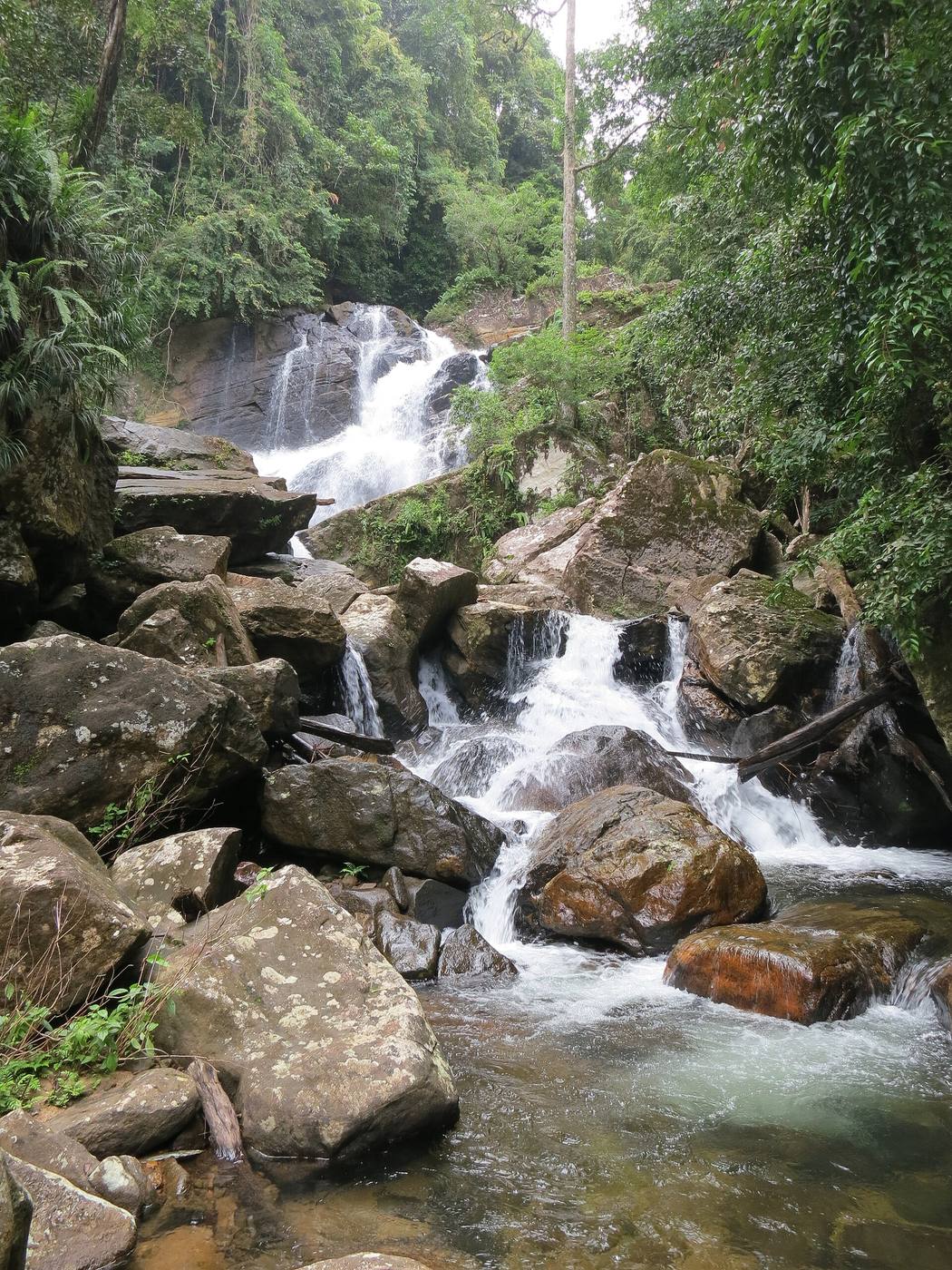
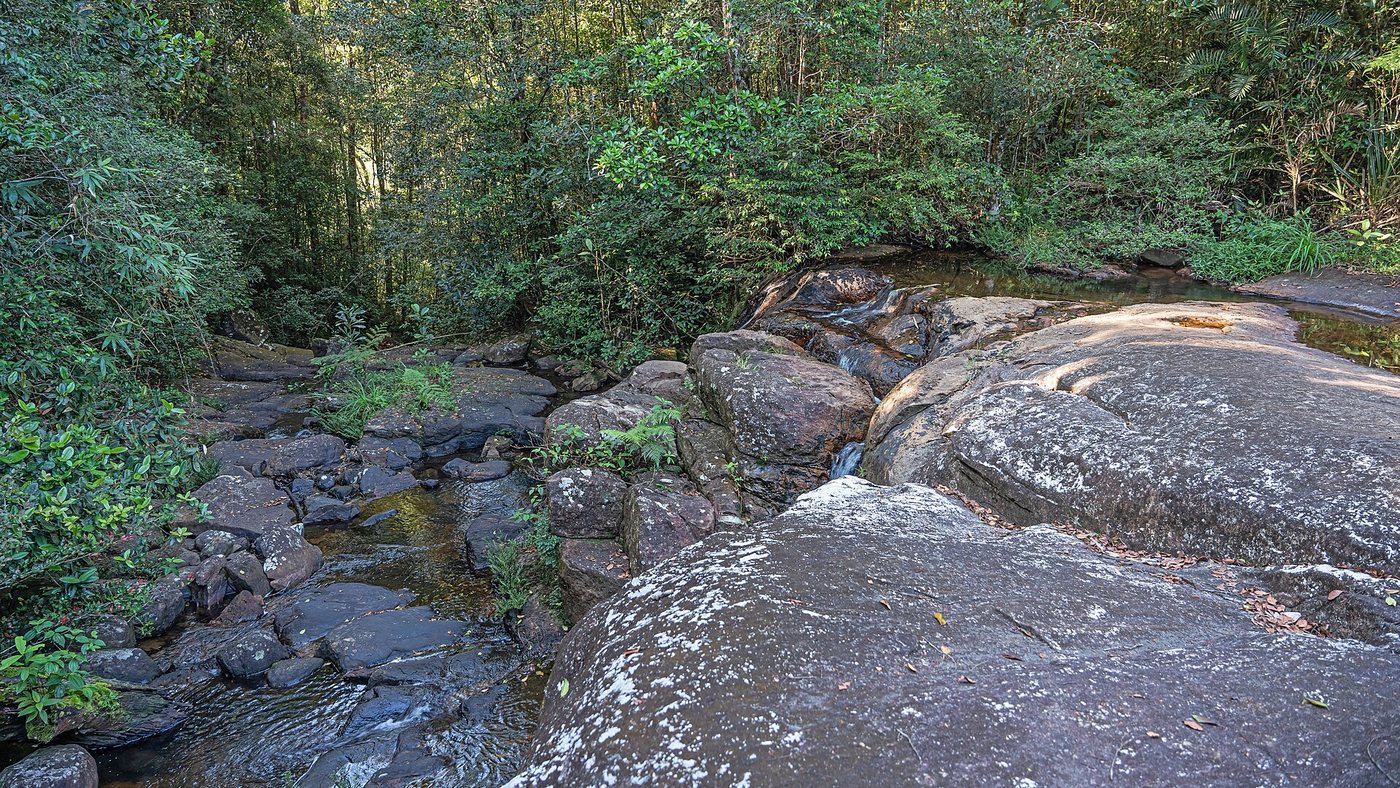
  • Streams and waterfalls under the canopy
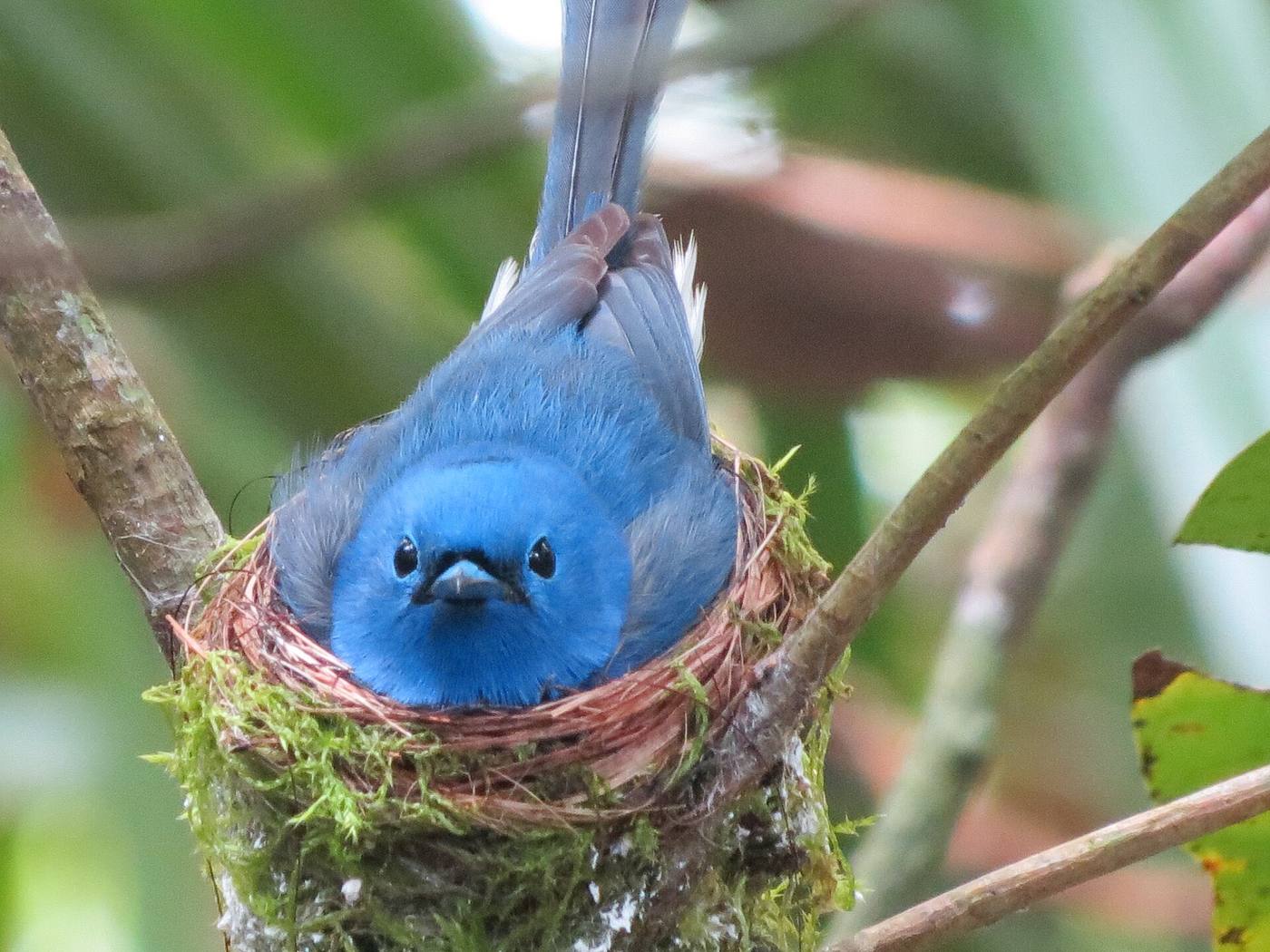
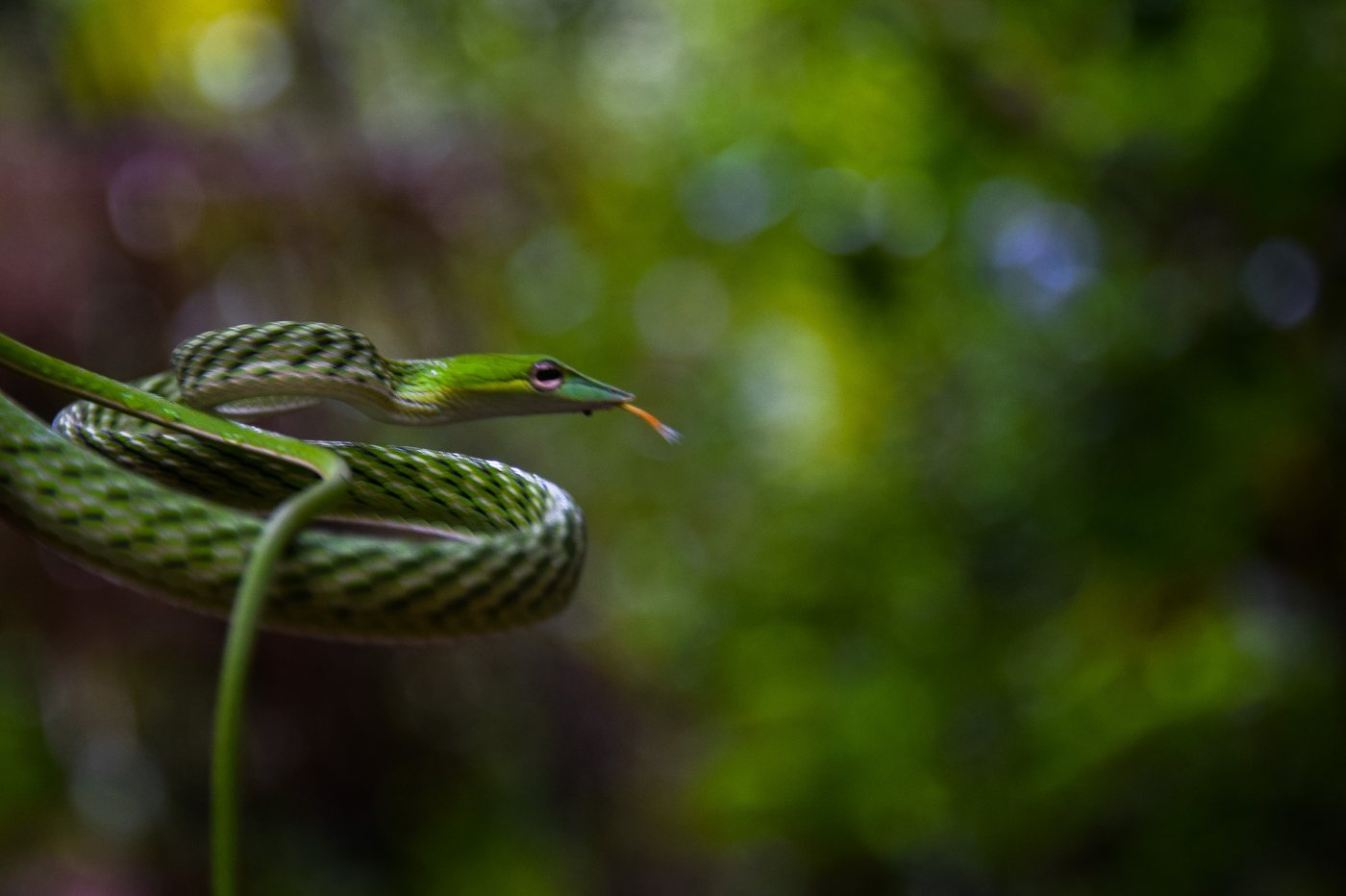
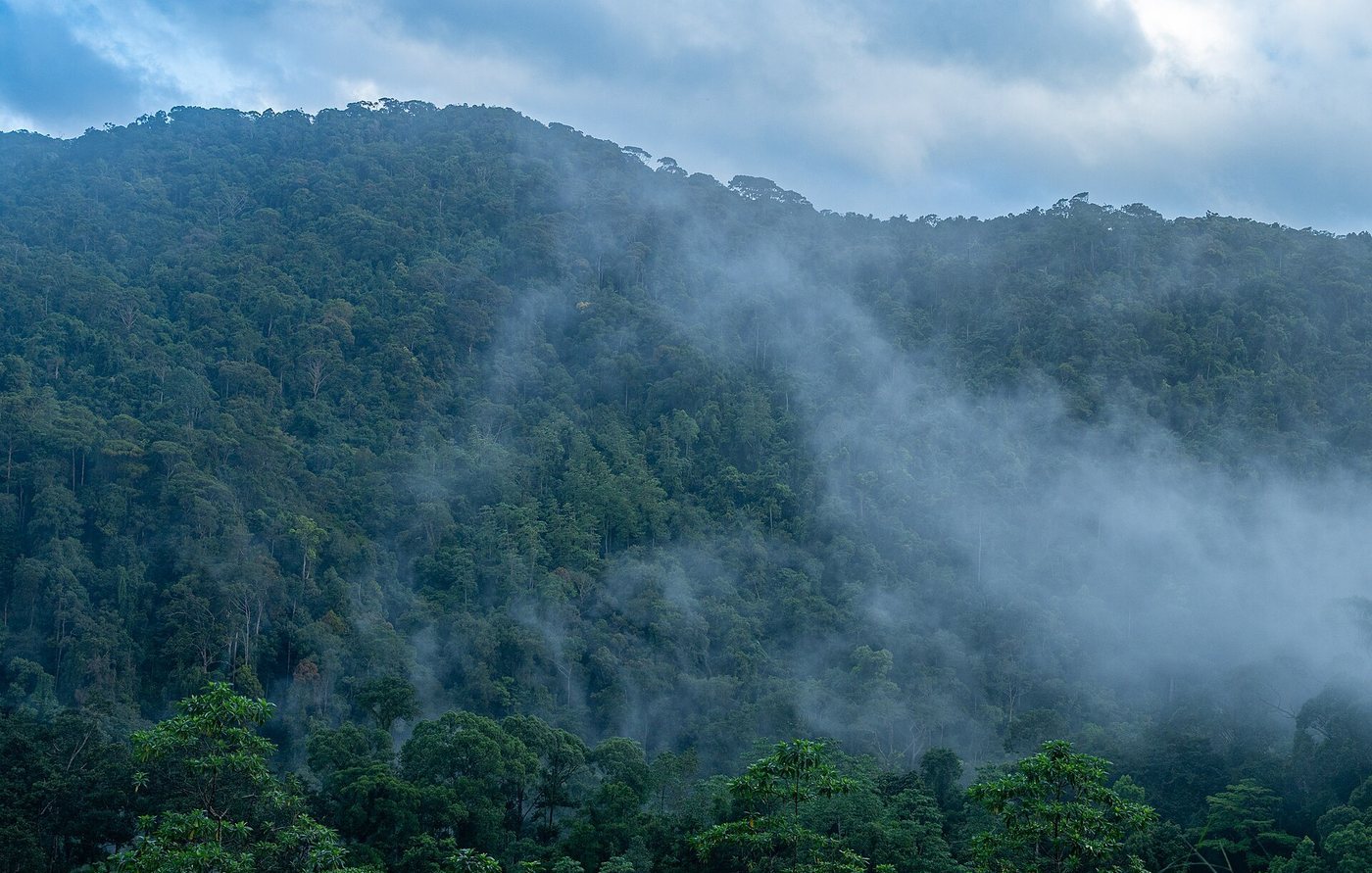
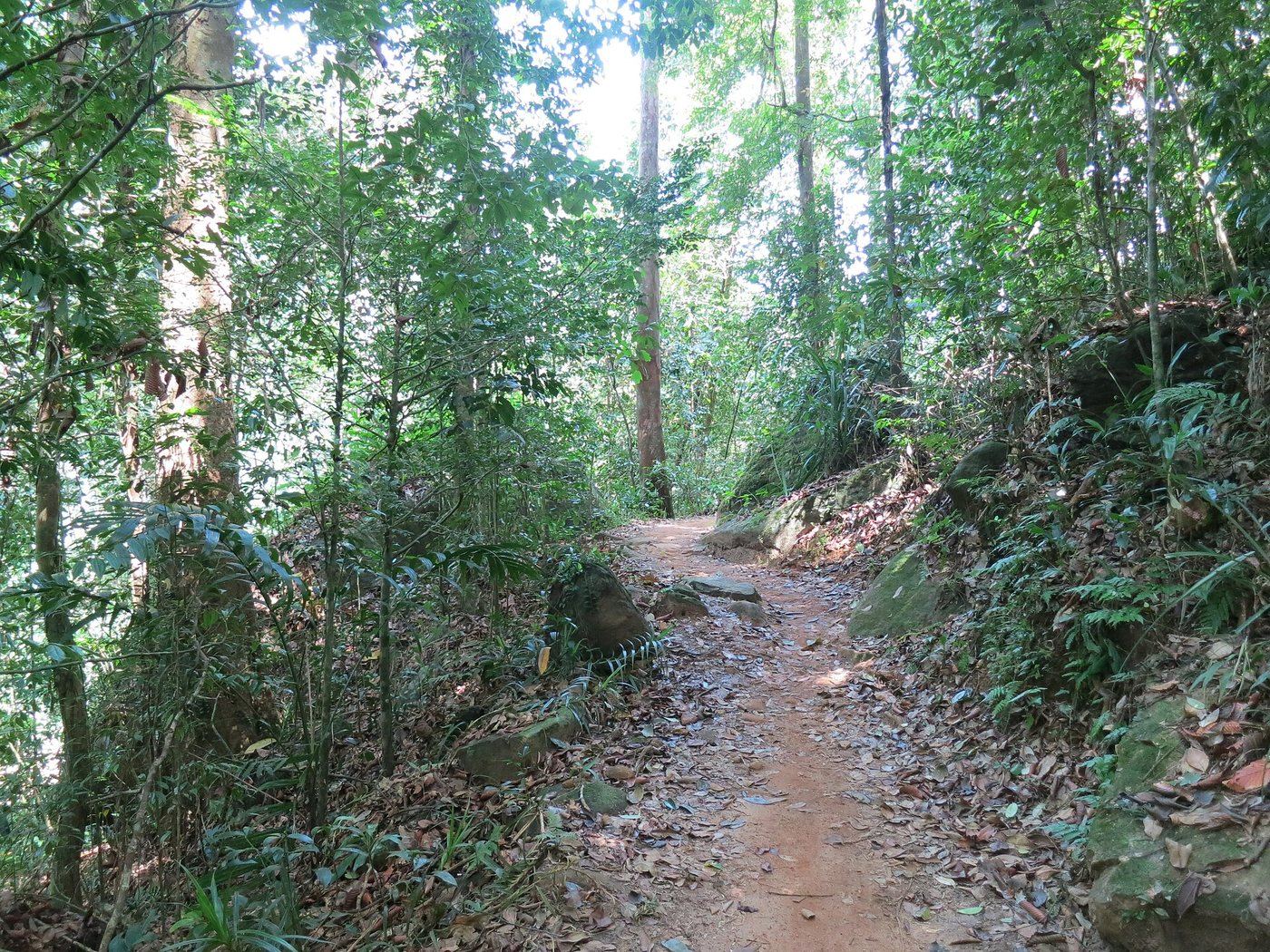
Tall straight tree trunks in the Sinharaja forest A lizard clinging to a mossy tree trunk A blue magpie with a chestnut head perched in the forest A stream tumbling over boulders through dense forest A small blue bird sitting in a cup-shaped nest A junglefowl cock with orange and purple plumage on the forest floor A slender green snake coiled on a branch, tongue out Mist drifting across a forested hillside Two walkers on a forest trail under tall trees and a twisting liana A red earth path climbing through tall forest A forest stream running over wide smooth boulders

Experiences

Experience Sri Lanka

A few of our favourite things to build a trip around.

Whale watching

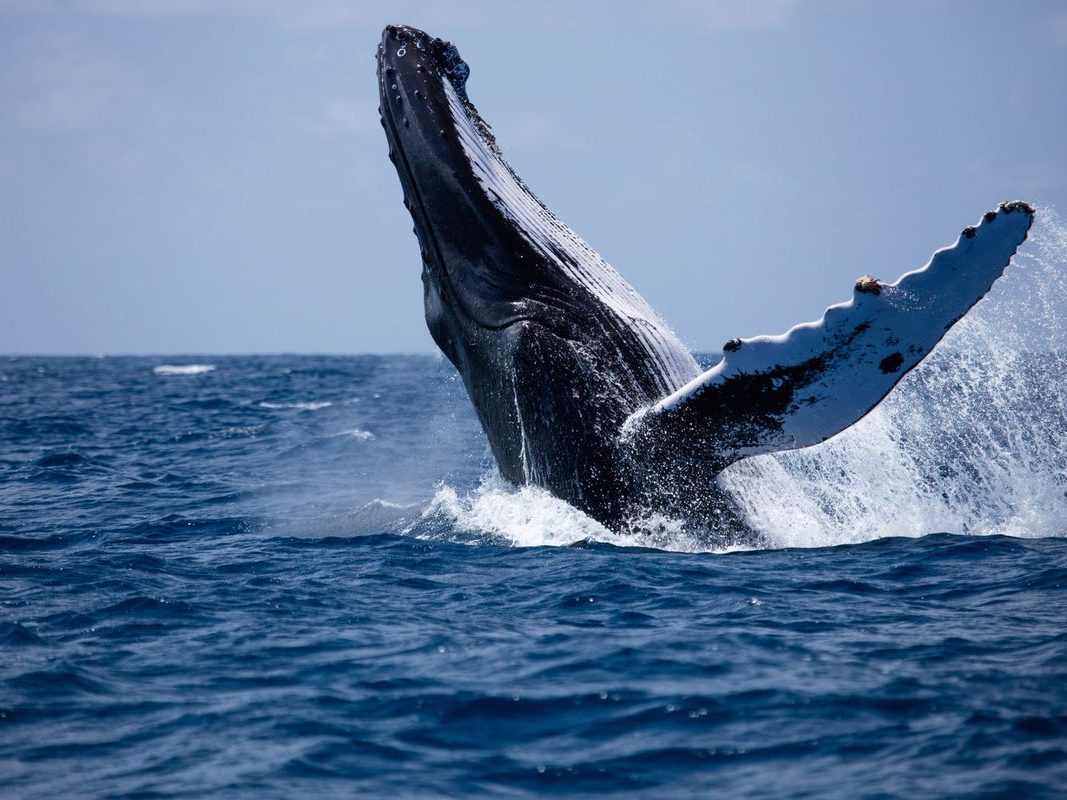
A whale breaching with one long fin raised

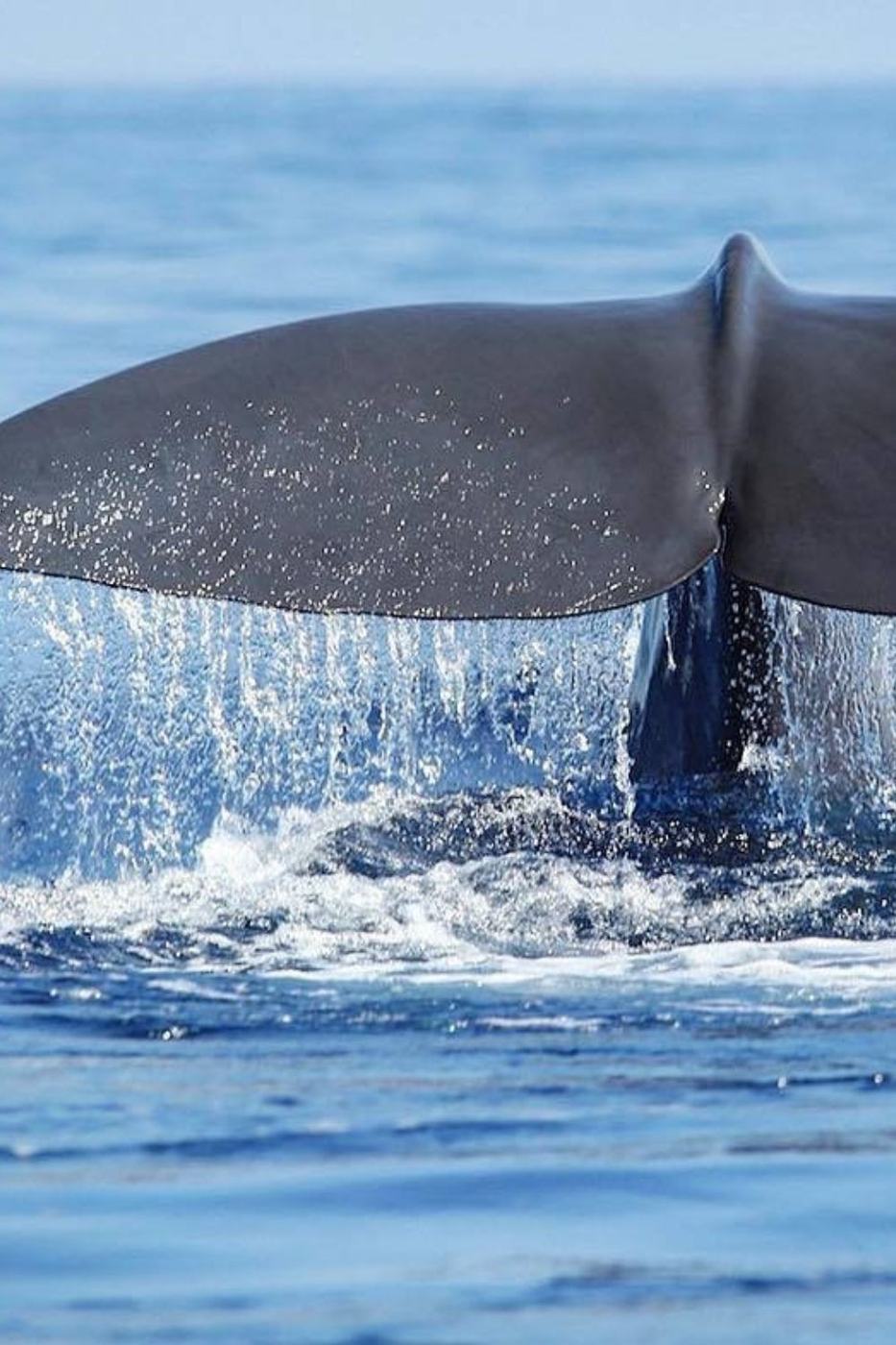
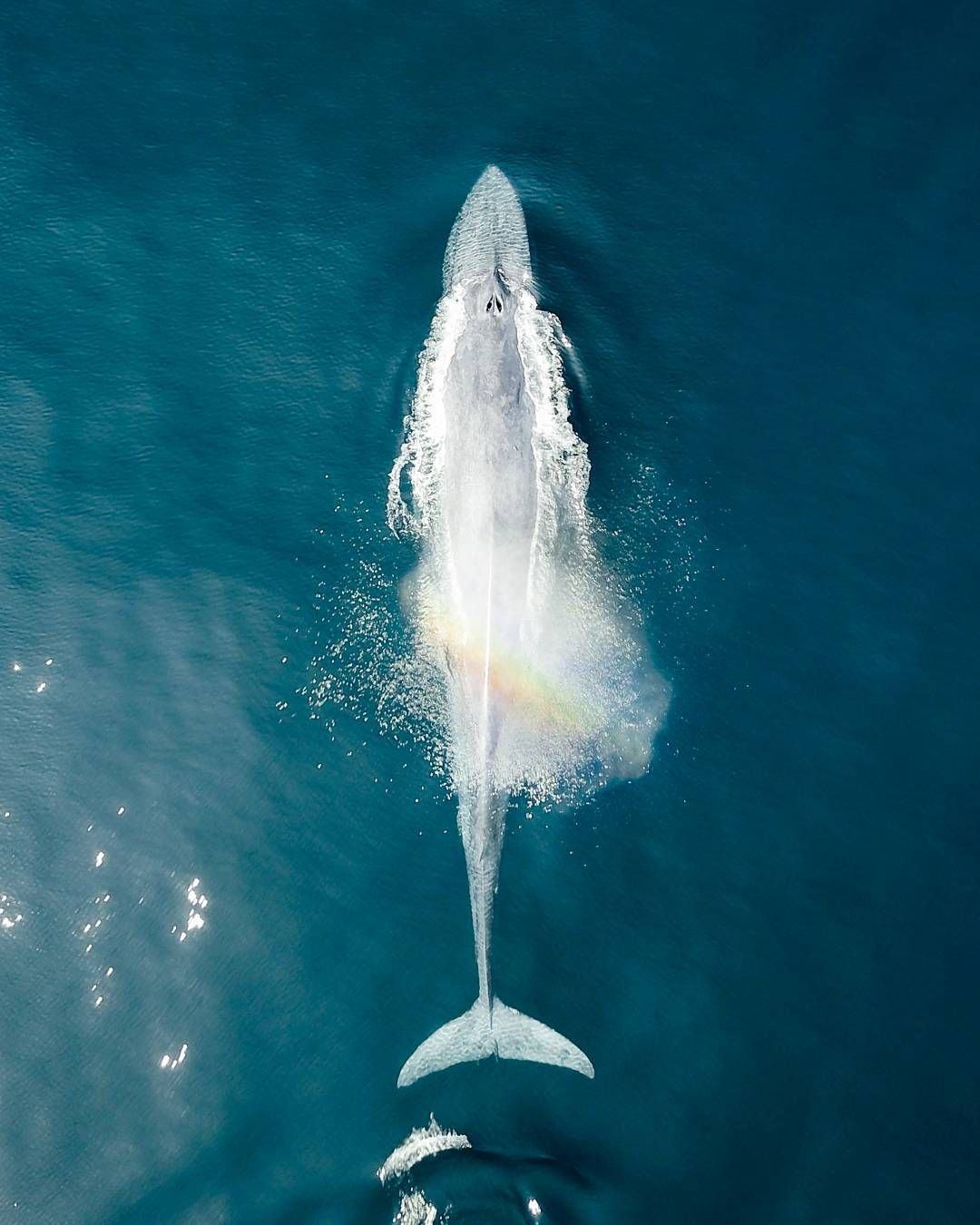
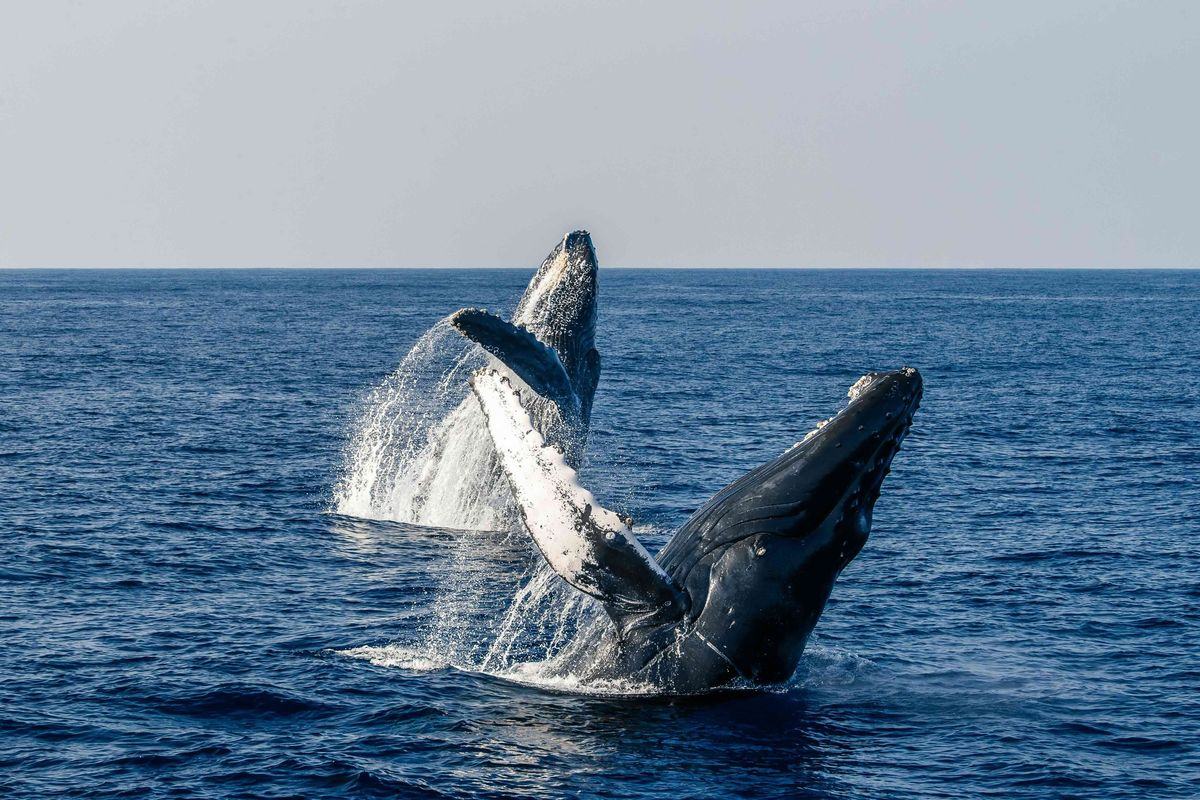
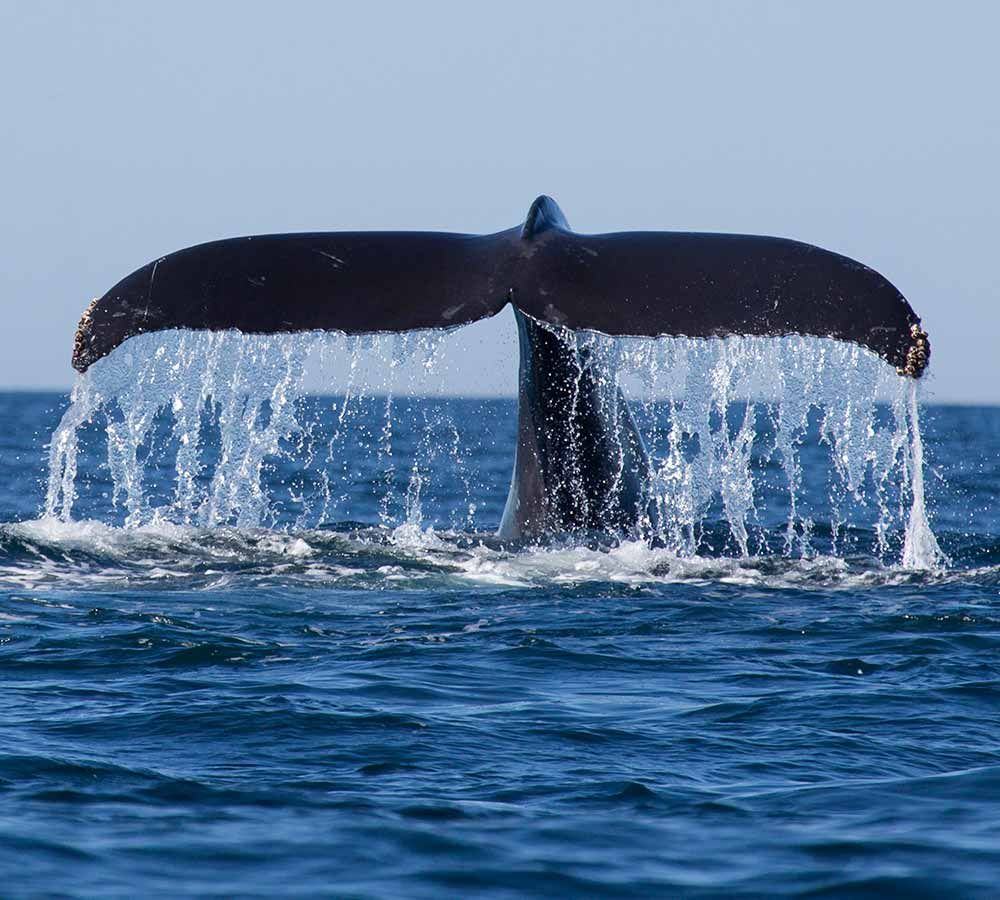
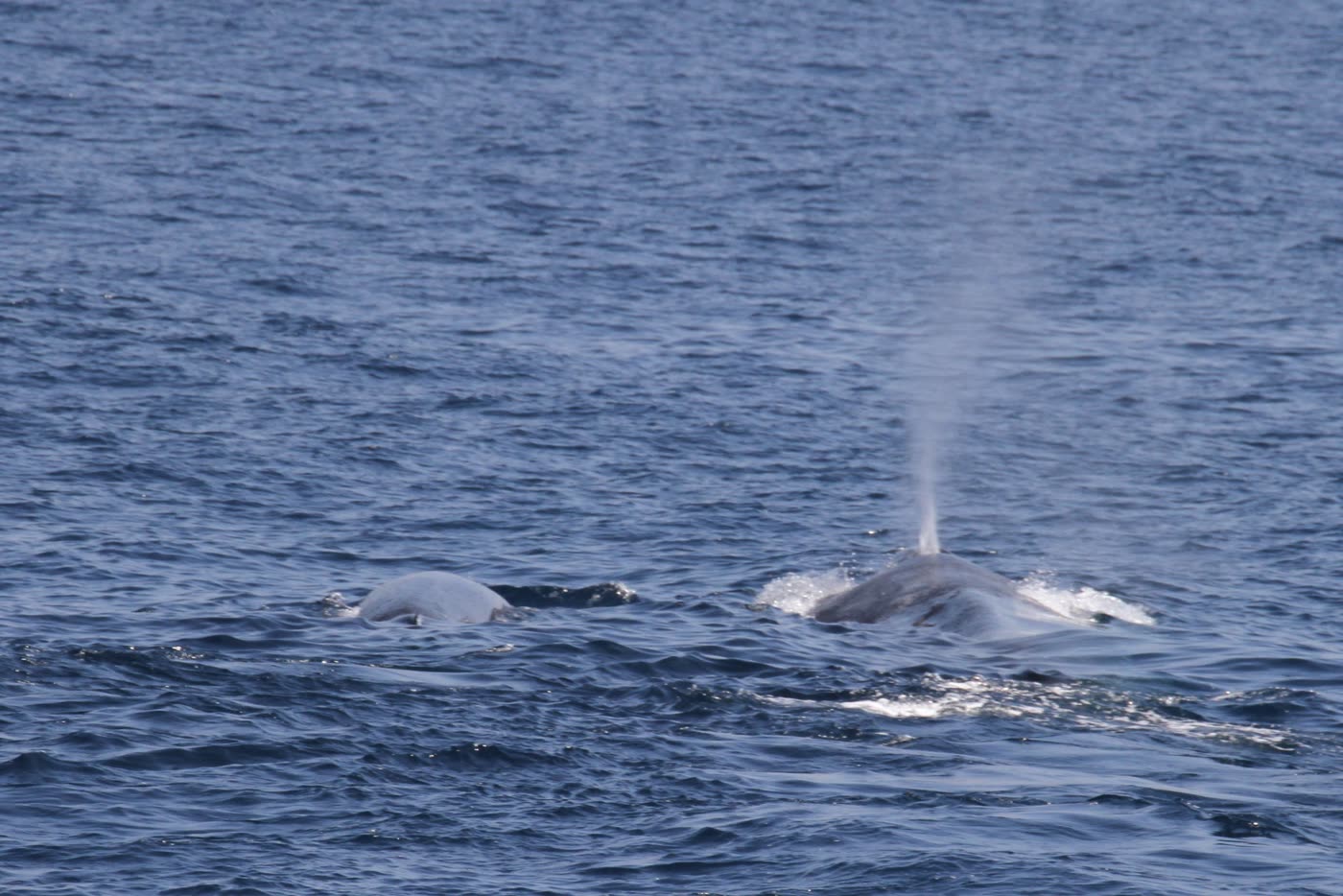
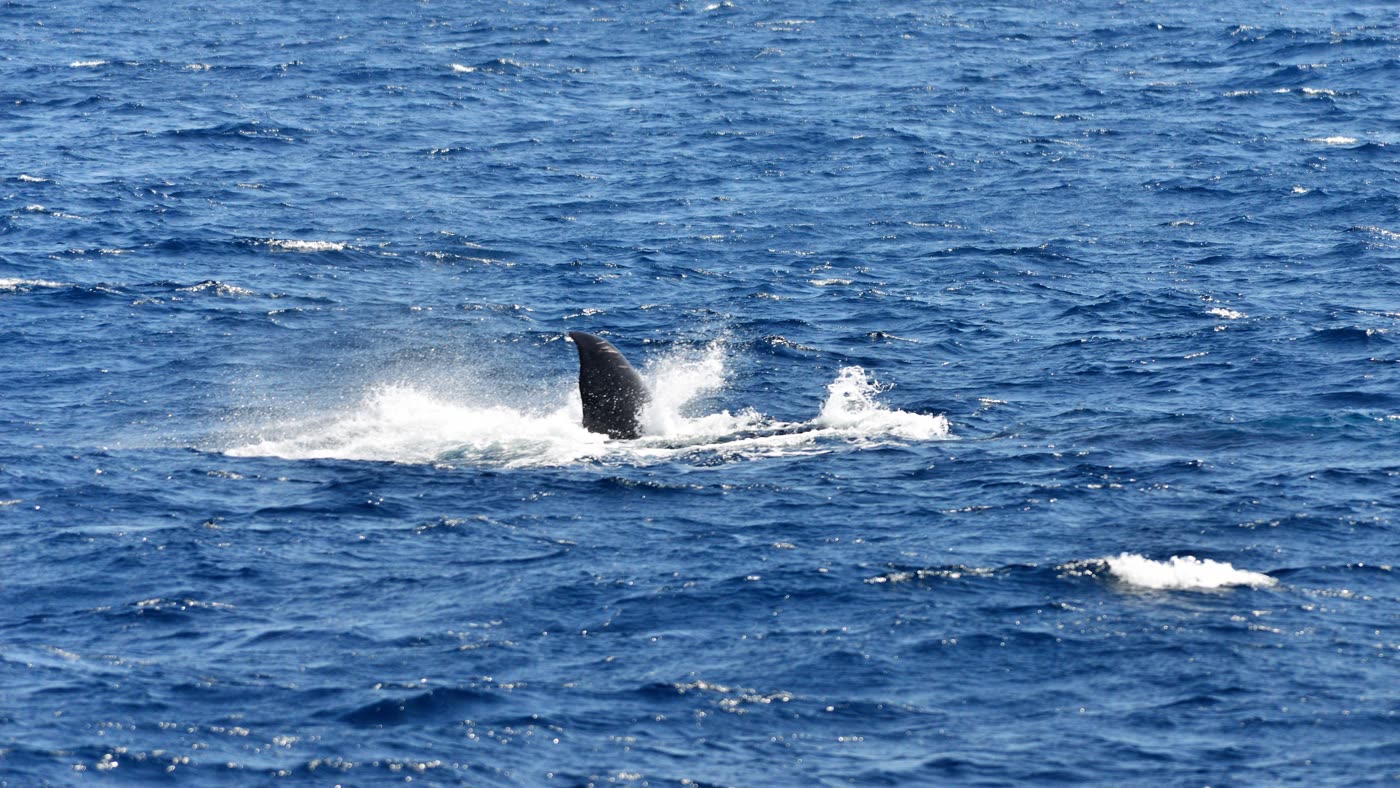
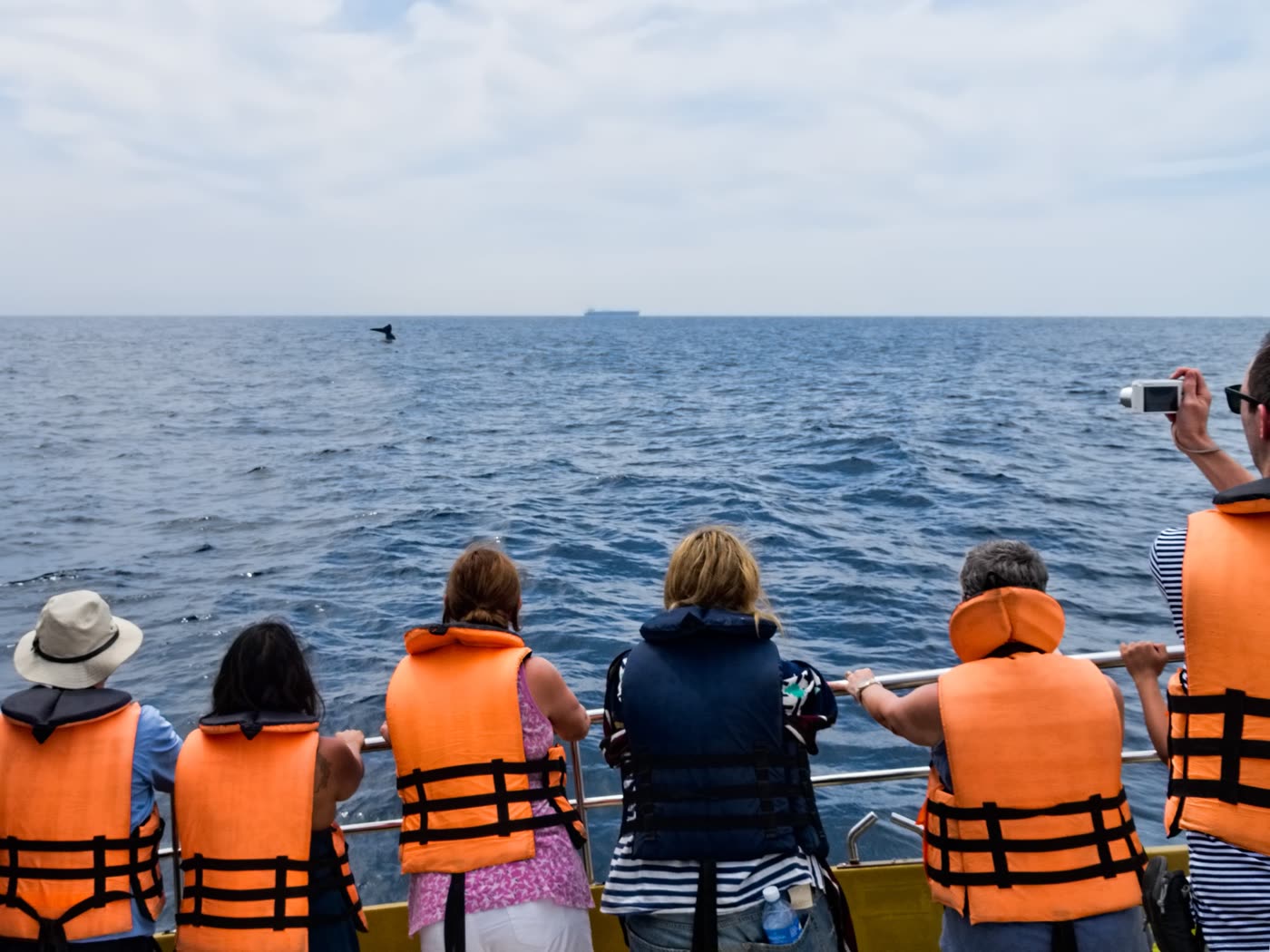
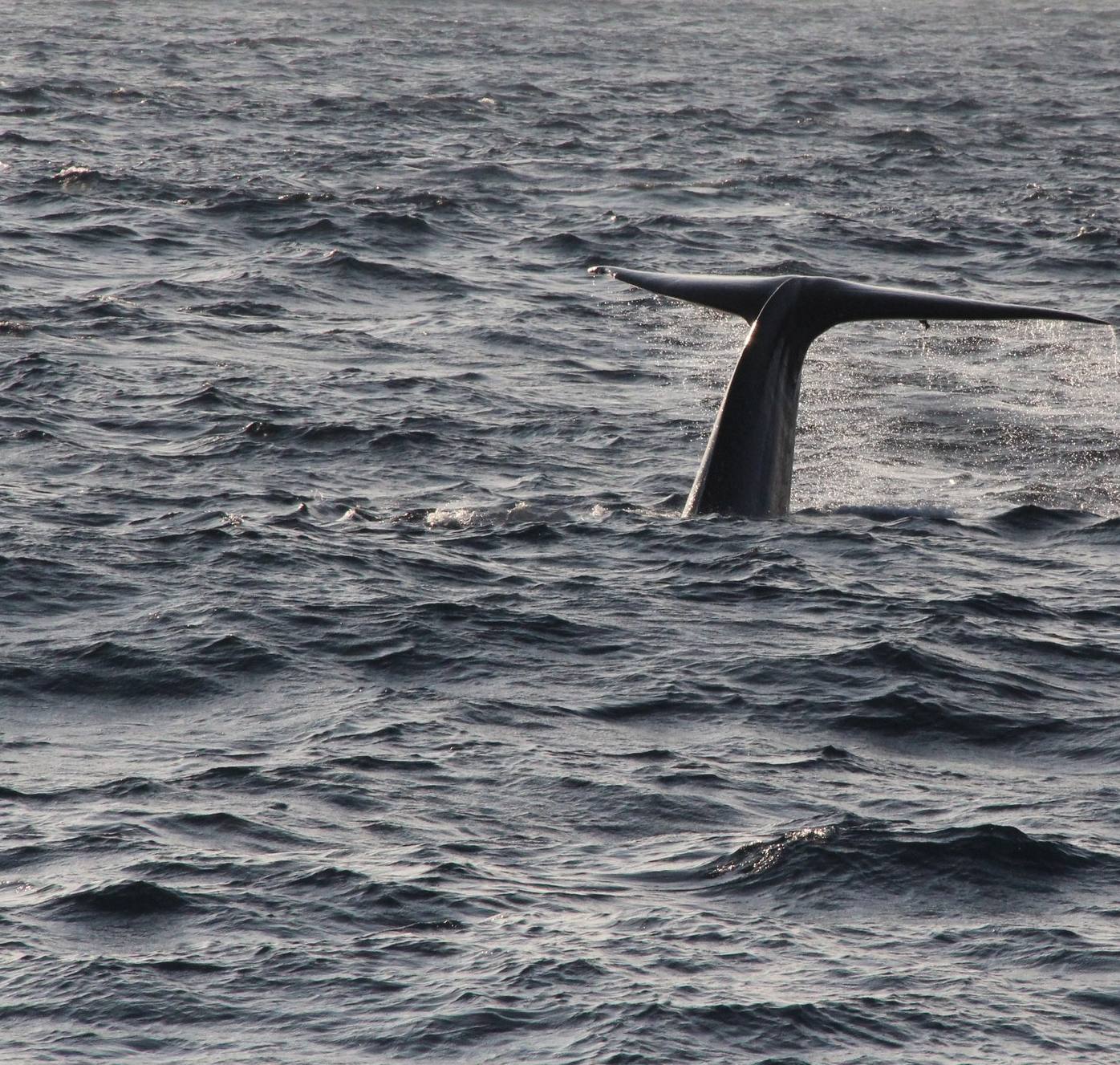
Sri Lanka is one of very few places on earth where blue whales, the largest animals that have ever lived, feed close to shore, alongside sperm whales, Bryde's whales and big pods of spinner dolphins.

It is a coast-switching act. Boats run from Mirissa on the south coast from about November to April, then from Trincomalee on the east from about May to September, when the whales can be as little as half an hour out.

When Mirissa Nov to Apr · Trincomalee May to Sep

Highlights

  • Blue whales feeding close to shore, the largest animals ever to live
  • Sperm whales, Bryde's whales and big pods of spinner dolphins
  • Mirissa on the south coast, roughly November to April
  • Trincomalee on the east, roughly May to September
  • Early starts for the calmest sea, and crews that hold their distance
A whale tail lifting from the sea with water streaming off Aerial view of a long pale whale gliding through blue-green water Two whales leaping out of the sea together A broad whale tail above the sea with water pouring from it A blue whale's back breaking the surface A whale surfacing near a boat off Mirissa Passengers in life jackets watching the sea A blue whale tail lifting from the sea

Surfing

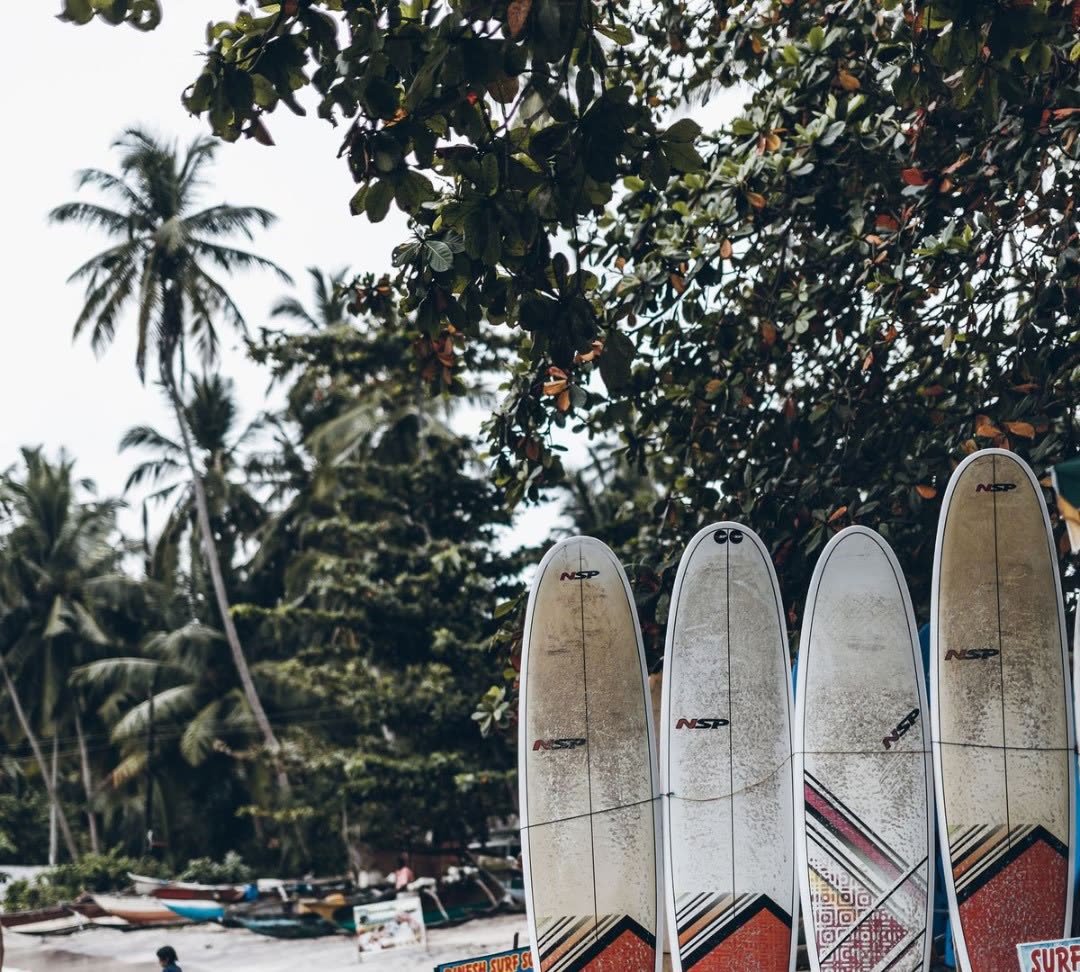
Surfboards under palms on a south-coast beach

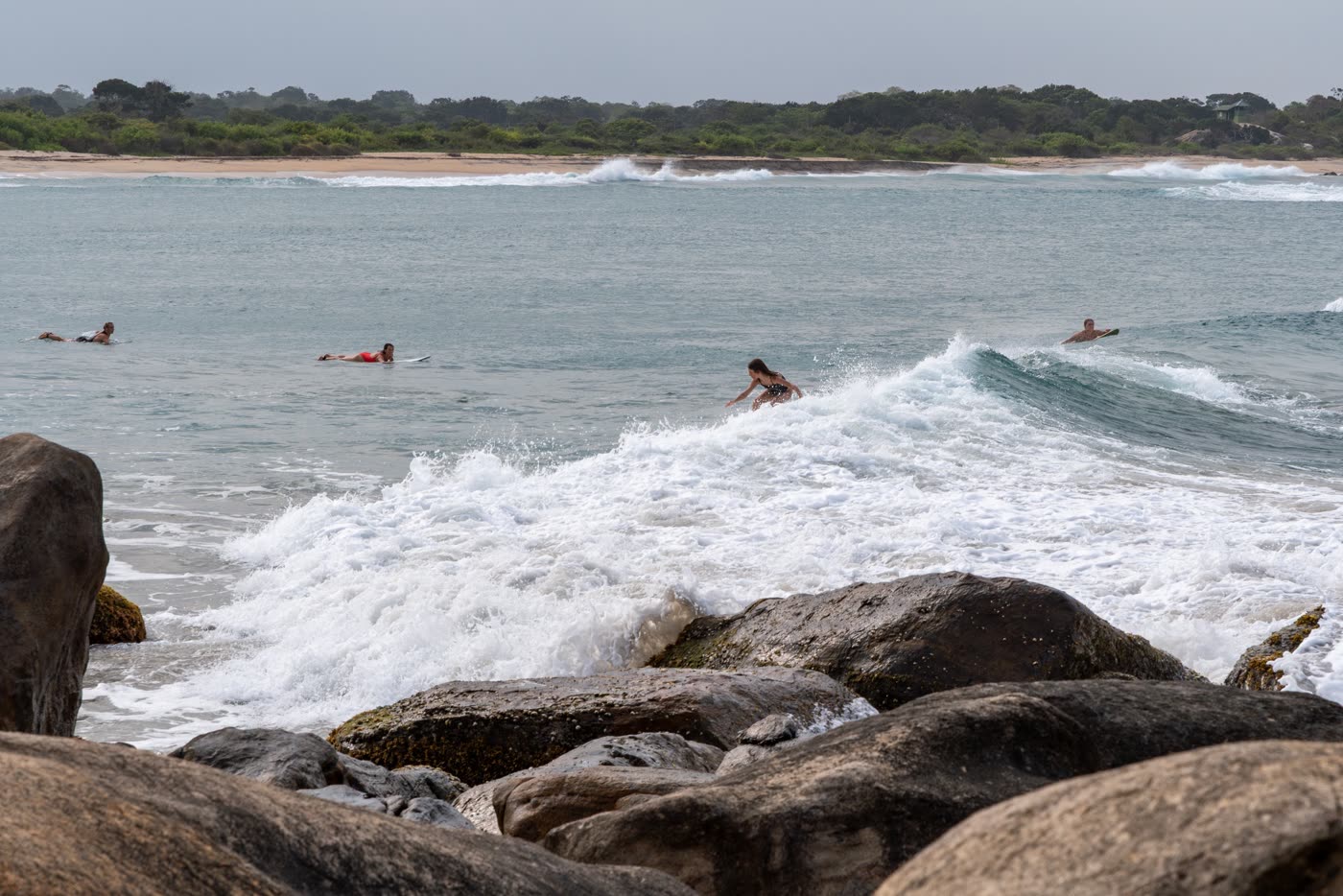
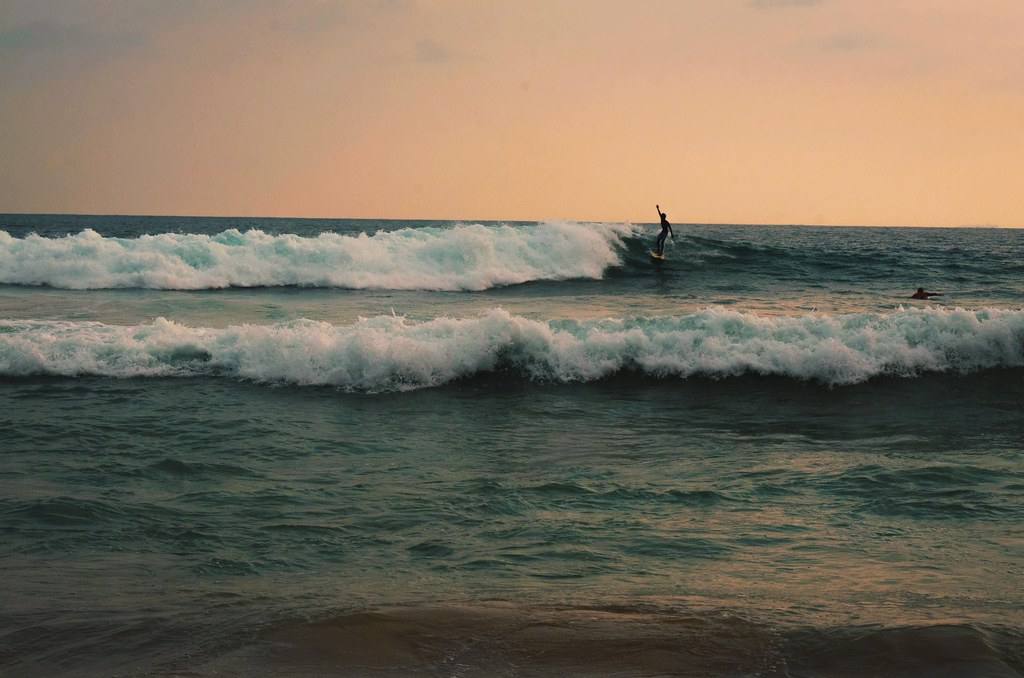
Sri Lanka is a genuine year-round surf destination if you move with the swell. From November to April the south coast turns on: Weligama's forgiving beach break for first-timers, then Midigama, Hiriketiya and Hikkaduwa as you find your feet.

From May to September the surf shifts east, where Arugam Bay's long right-hand point is one of Asia's classic waves, with softer options nearby for everyone else.

When South coast Nov to Apr · Arugam Bay May to Sep

Highlights

  • Weligama's soft beach break for a first lesson
  • Midigama, Hiriketiya and Hikkaduwa as you improve
  • Arugam Bay's long right-hand point, one of Asia's classics
  • Boards and lessons easy to arrange in every surf town
  • South coast Nov to Apr, Arugam Bay May to Sep
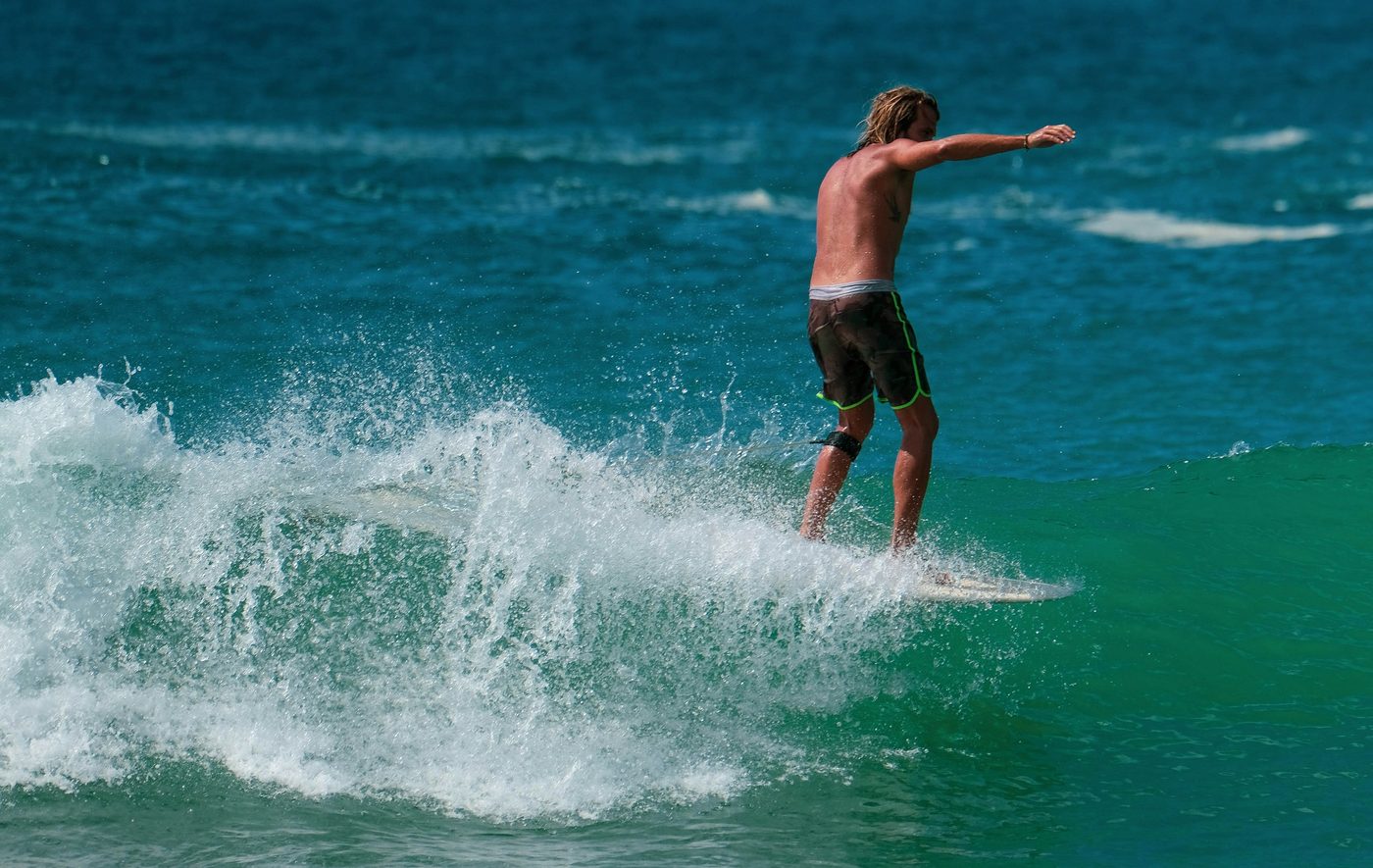
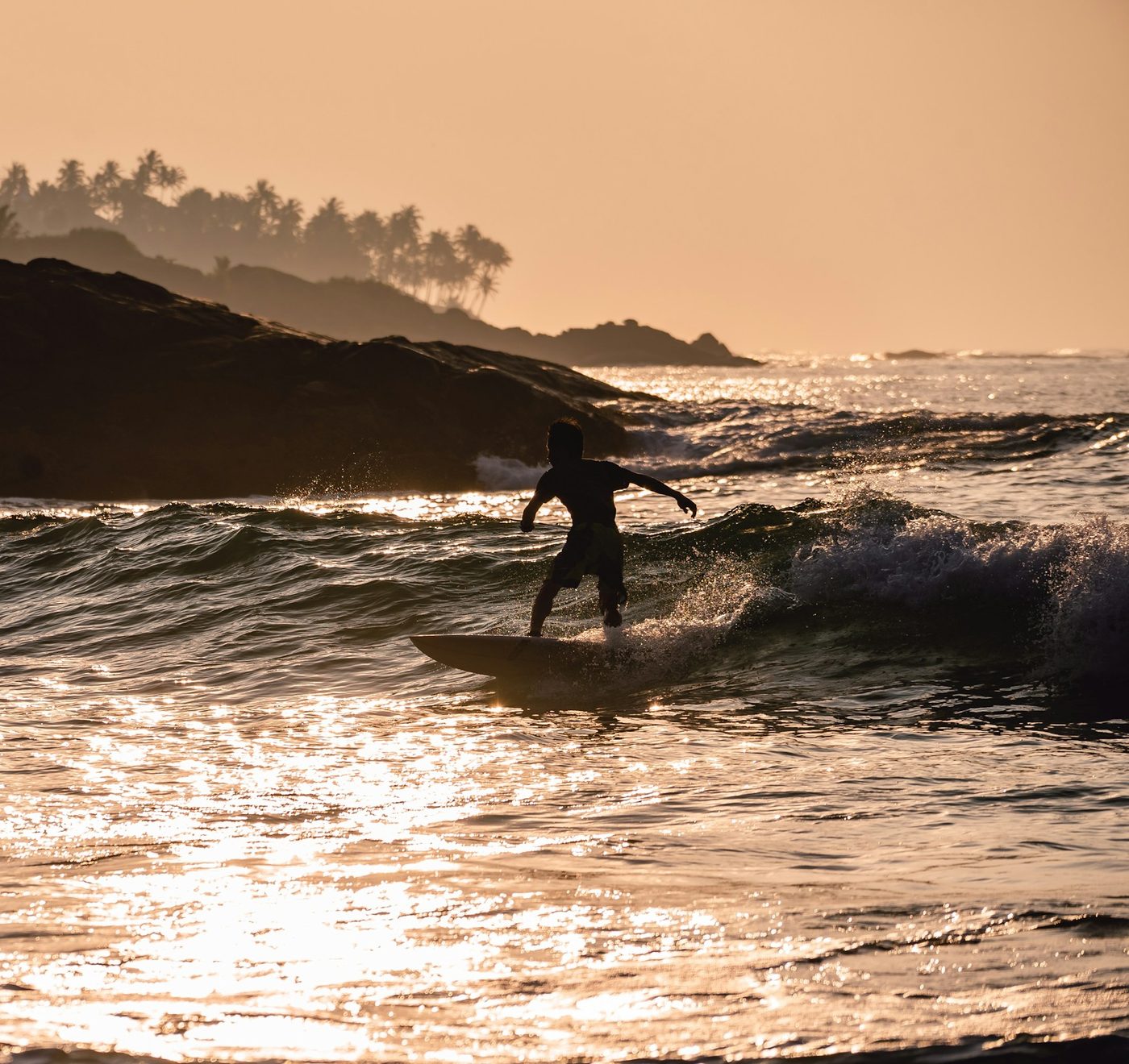
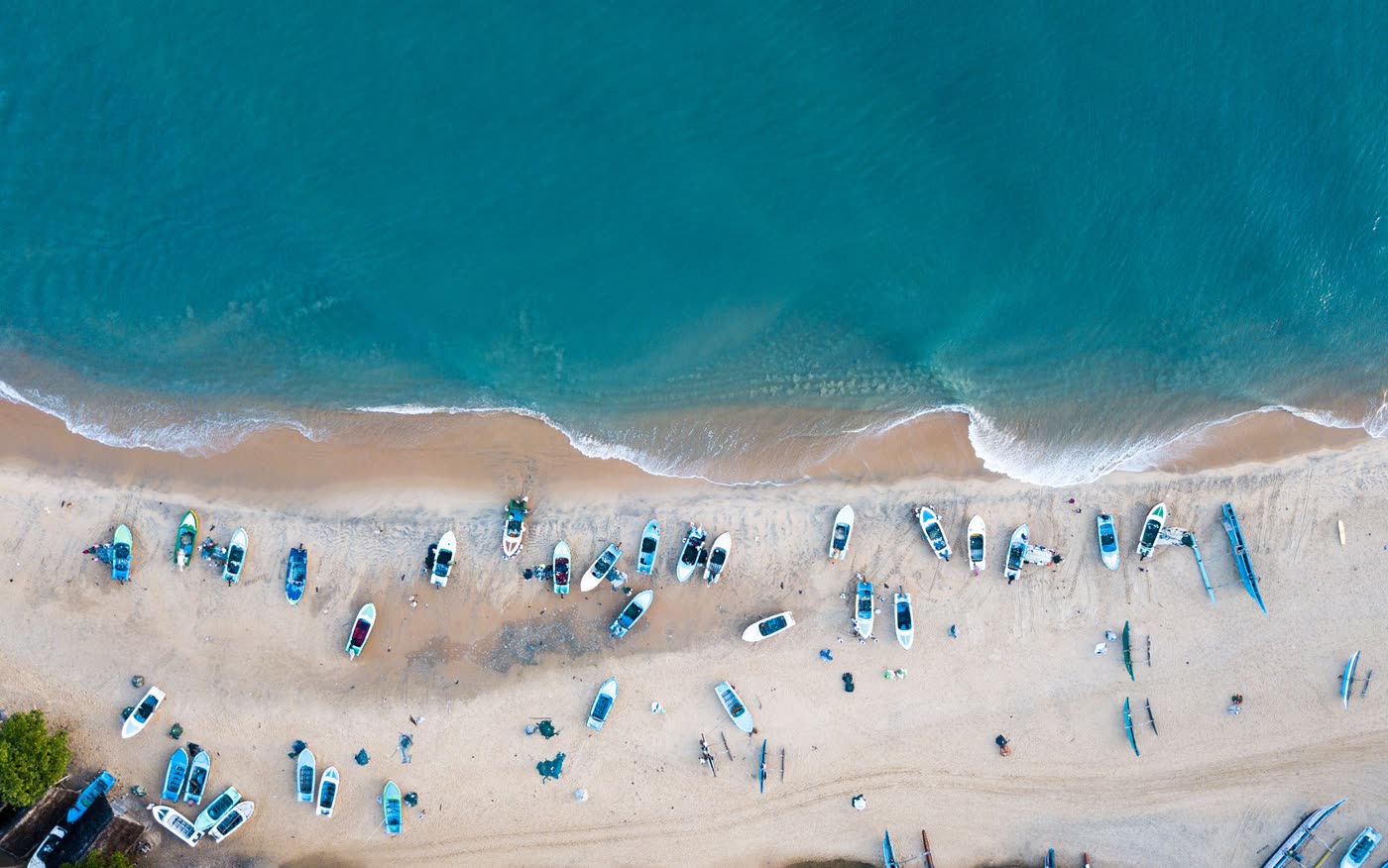
A surfer carving across a green wave in a burst of spray A surfer silhouetted on a golden wave beside a rocky headland Boats and surf at Hikkaduwa beach Surfboards and boats on the beach at Arugam Bay from above Surfers paddling out beyond the rocks The bay at Arugam under an evening sky A surfer riding a breaking wave at dusk

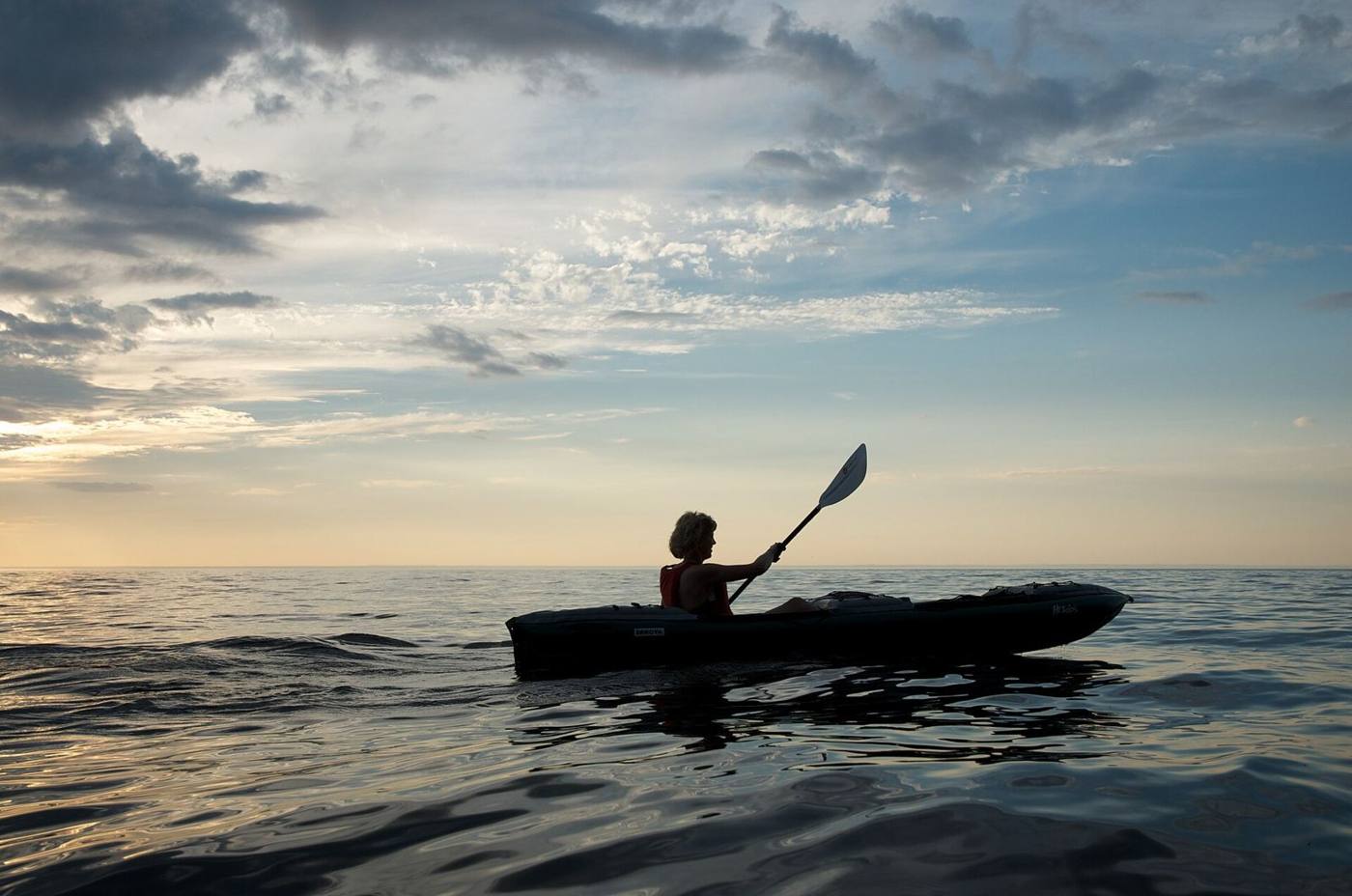
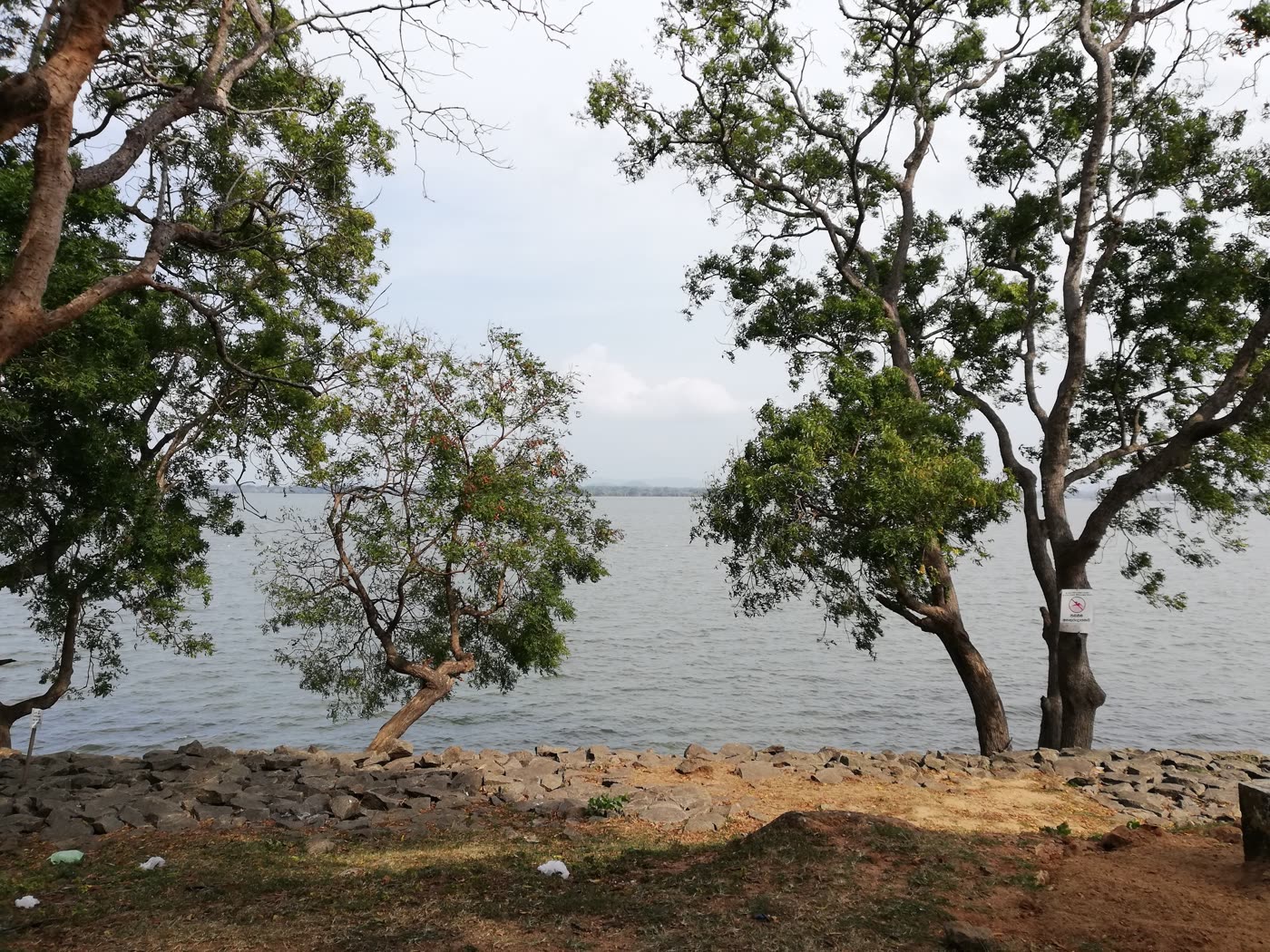
Kayaking

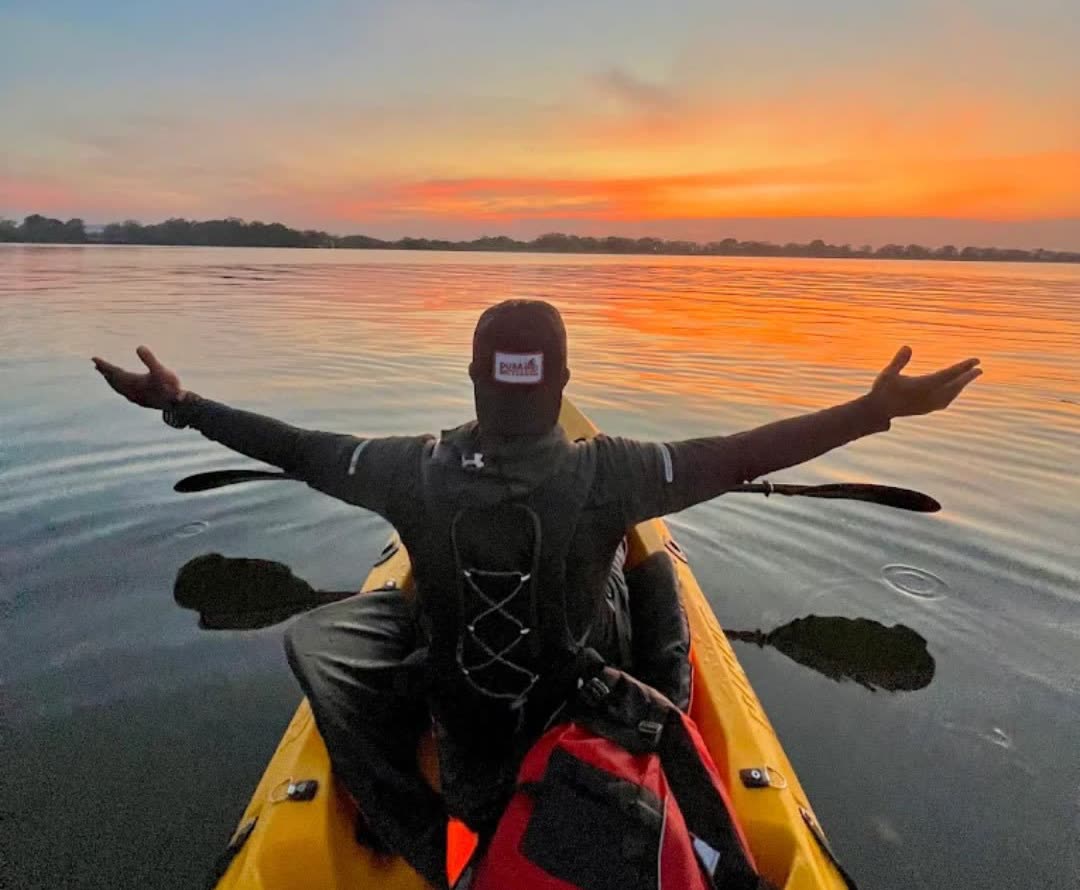
A kayaker at sunrise on Kala Wewa

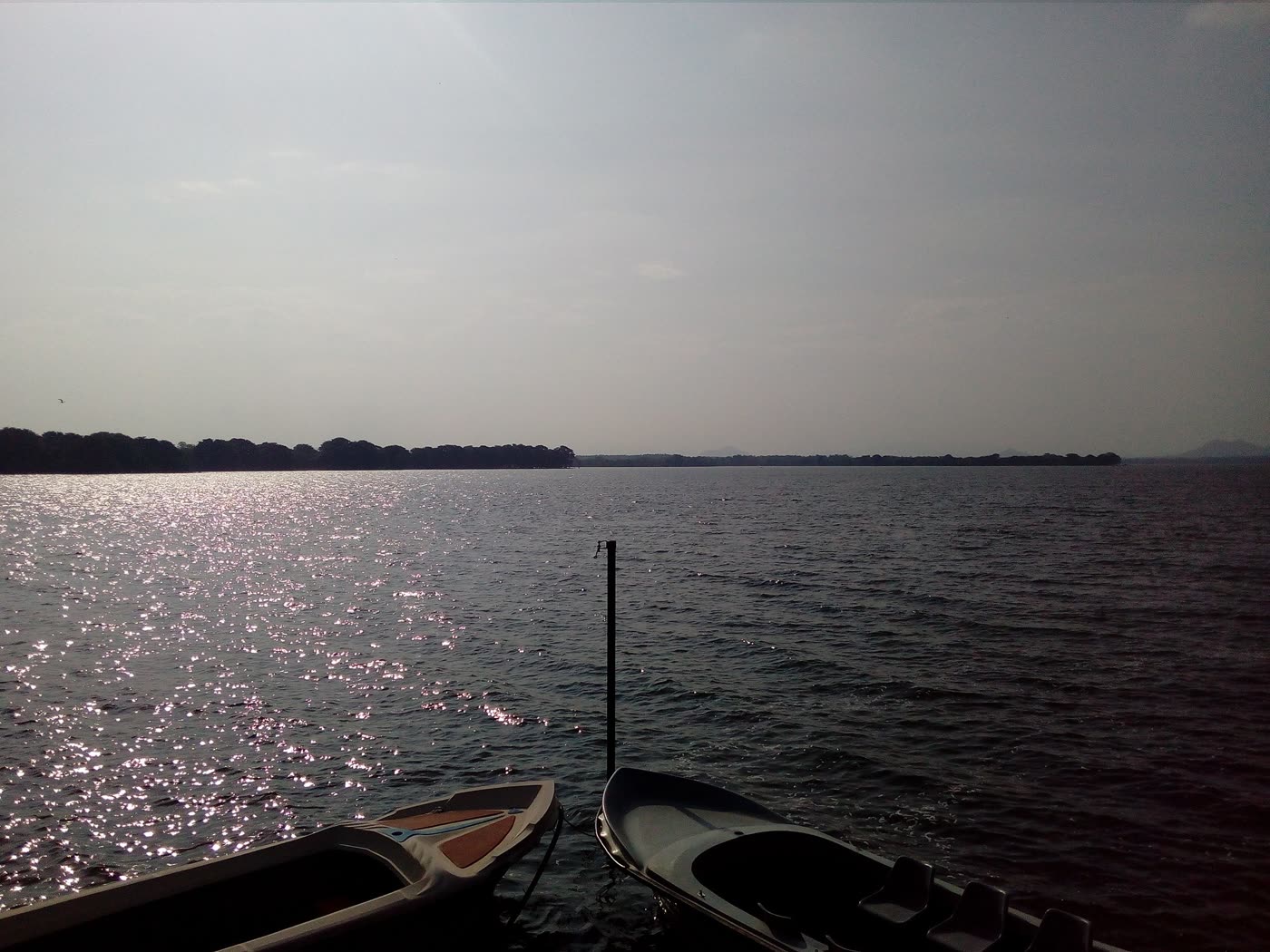
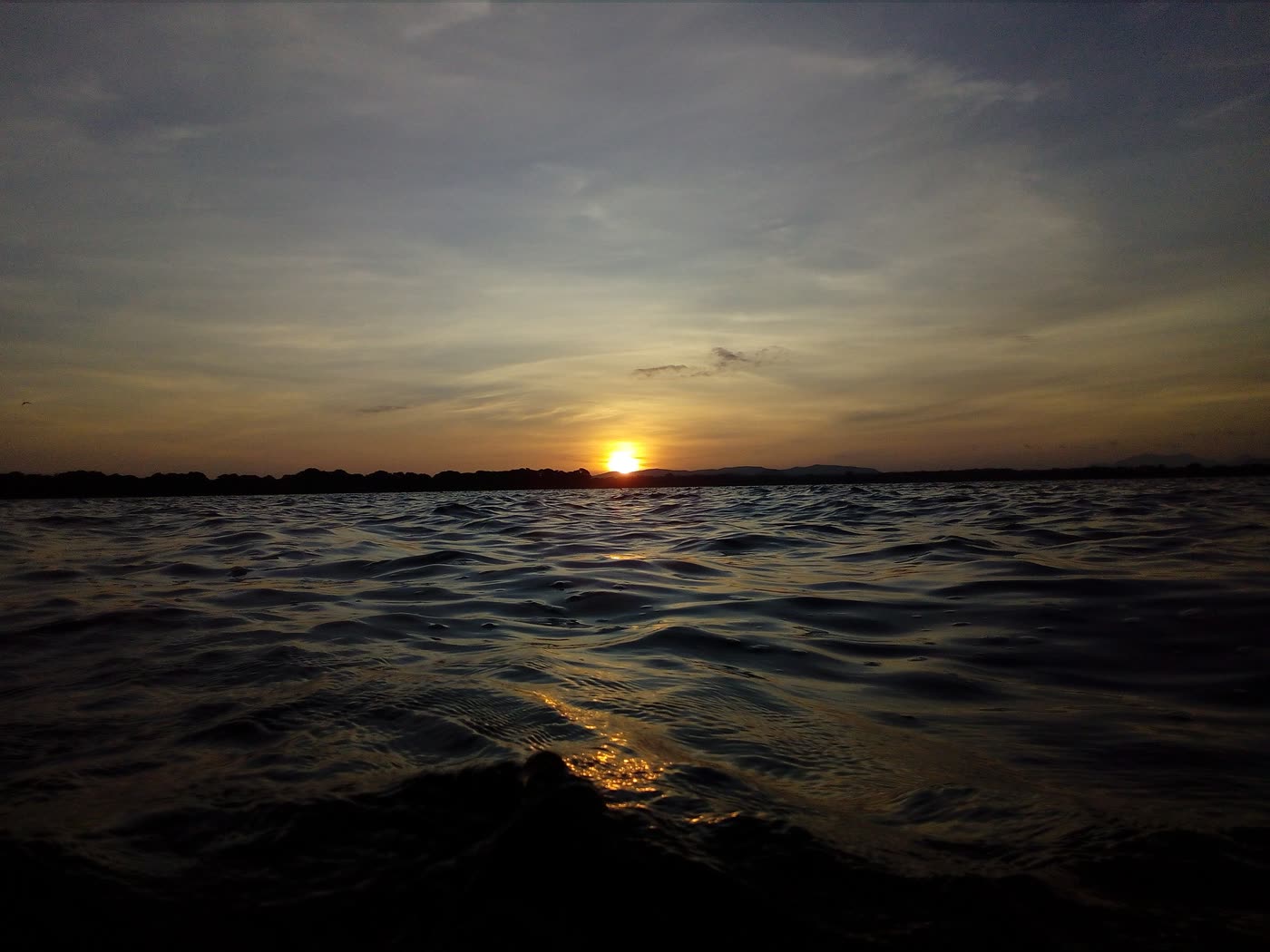
Kala Wewa is a vast reservoir that King Dhatusena had built in 460 CE, and it still waters the plains around Anuradhapura fifteen centuries later.

Push off before sunrise and the surface is glass: mist over the drowned trees, birds working the shallows, the long earth bund the only line between you and the dry forest. It is the calmest possible half day in the Cultural Triangle, and an easy add-on to a Sigiriya stay.

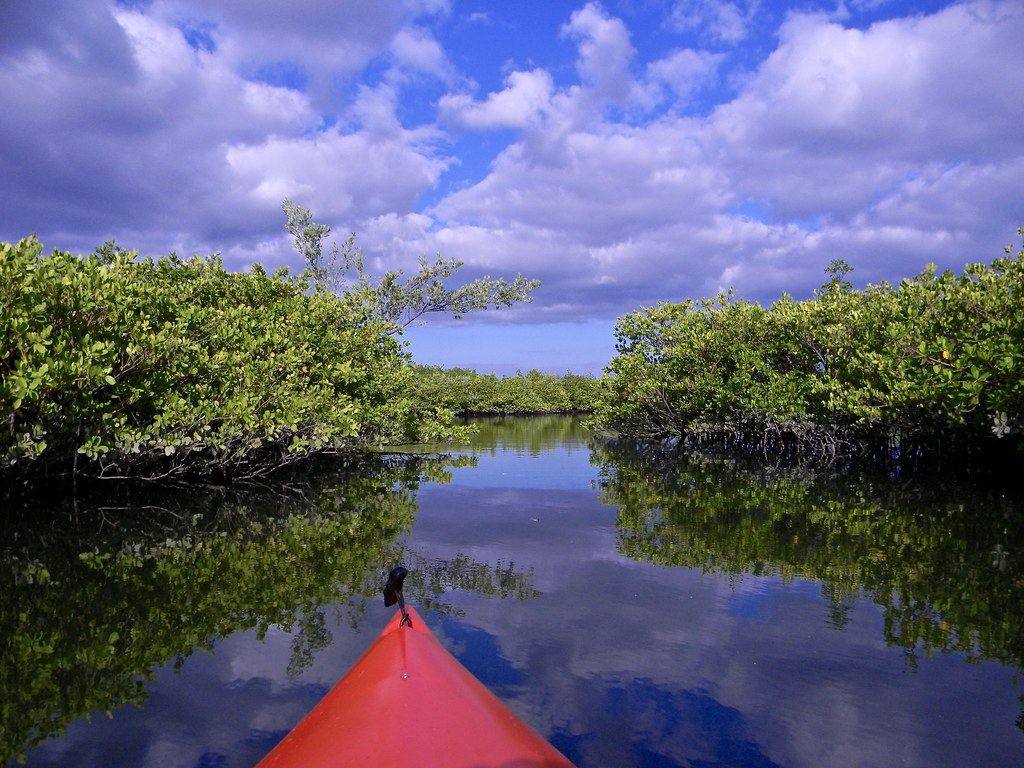
On the coast we also paddle the mangrove channels of the Madu Ganga near Bentota and the calm lagoon at Kalpitiya.

When Year round, at first light

Highlights

  • A reservoir King Dhatusena had built in 460 CE
  • Push off before sunrise for glass-calm water and mist
  • Herons, cormorants and eagles along the drowned tree line
  • Mangrove paddles near Bentota and on the Kalpitiya lagoon
  • Water is highest after the October to January rains
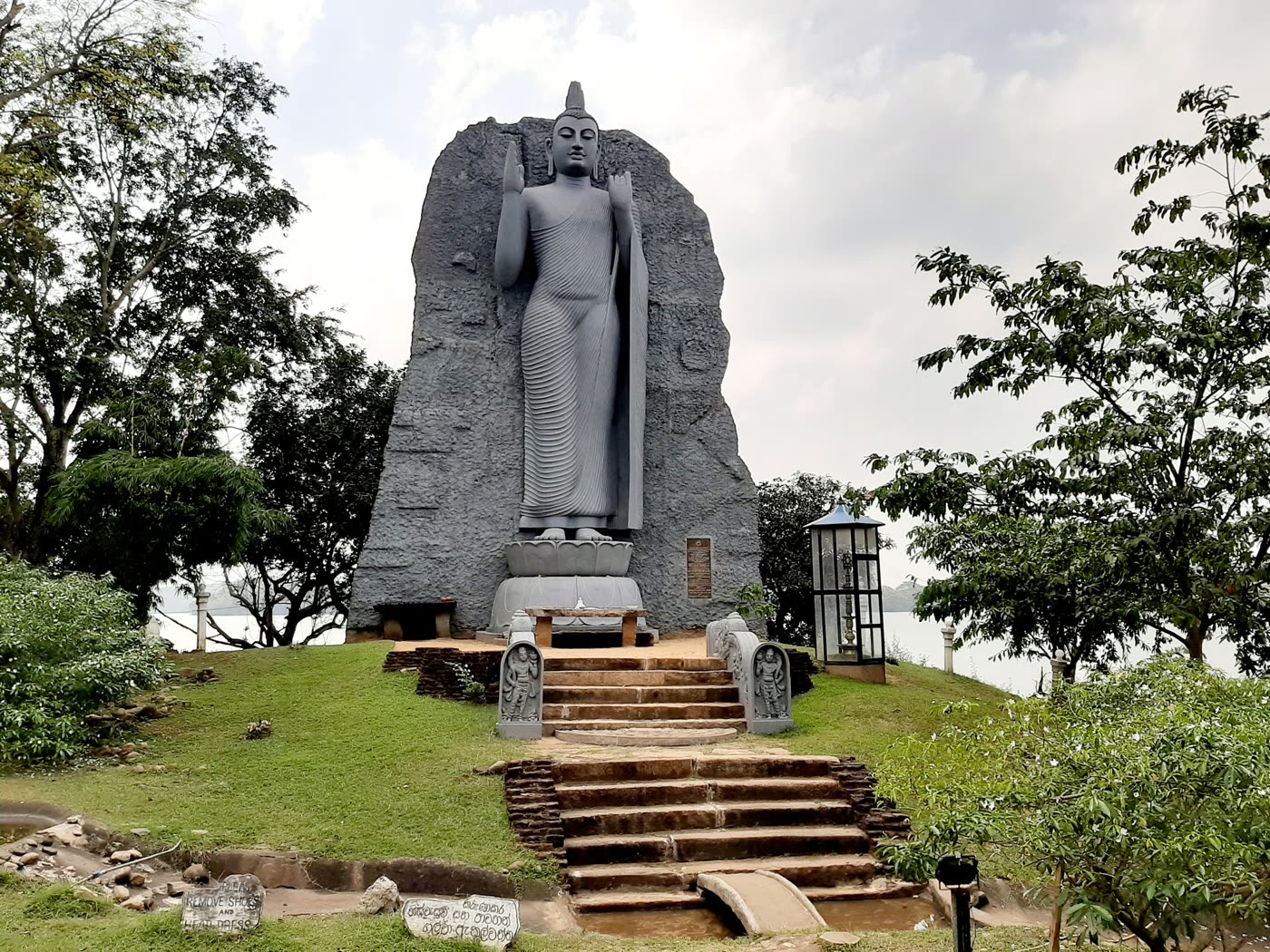
A kayaker silhouetted on calm water at sunset The bow of a red kayak on a mangrove channel Dusk light over Kala Wewa The sun setting over Kala Wewa Trees along the shore of Kala Wewa The standing Avukana Buddha statue

The Kandy Esala Perahera

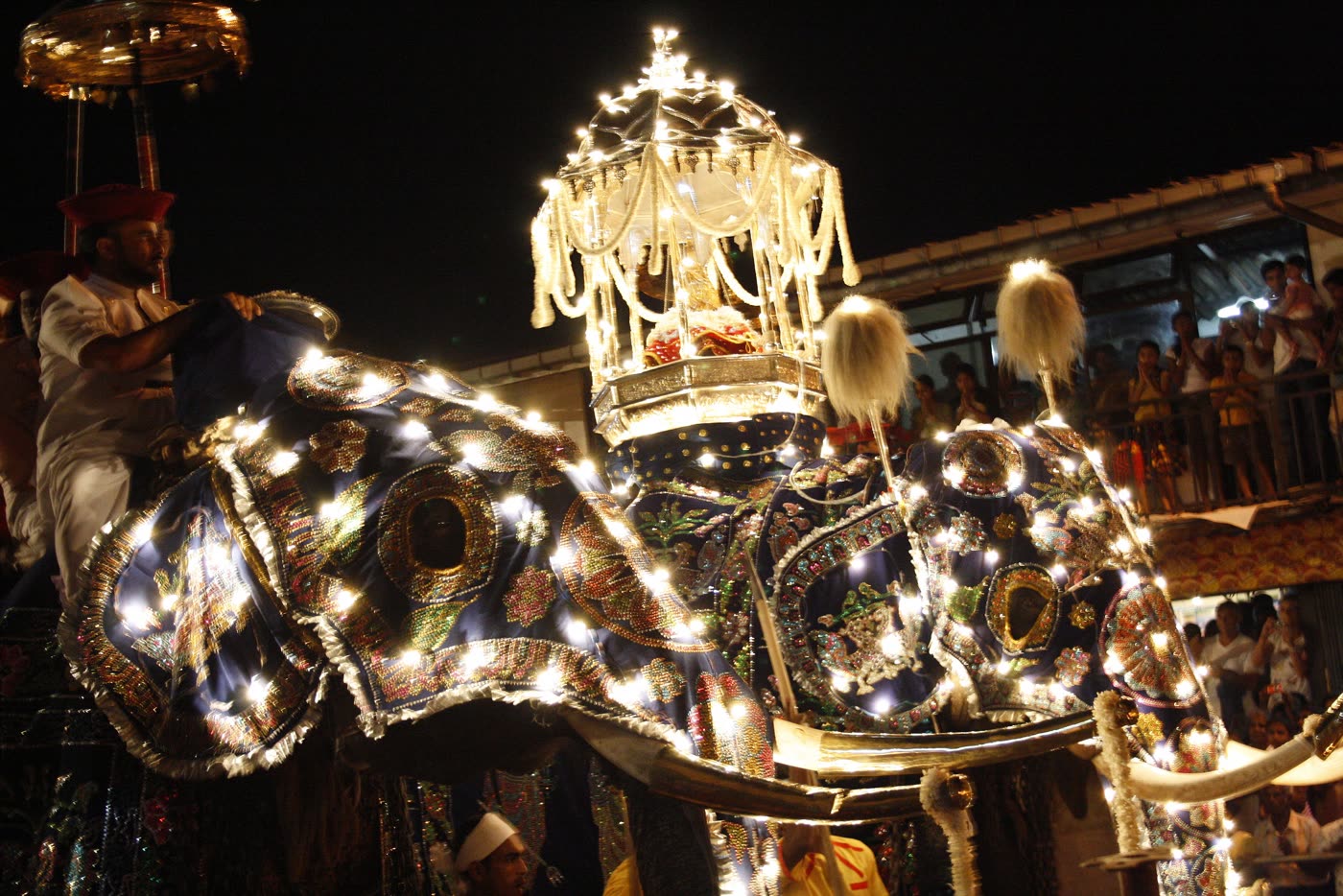
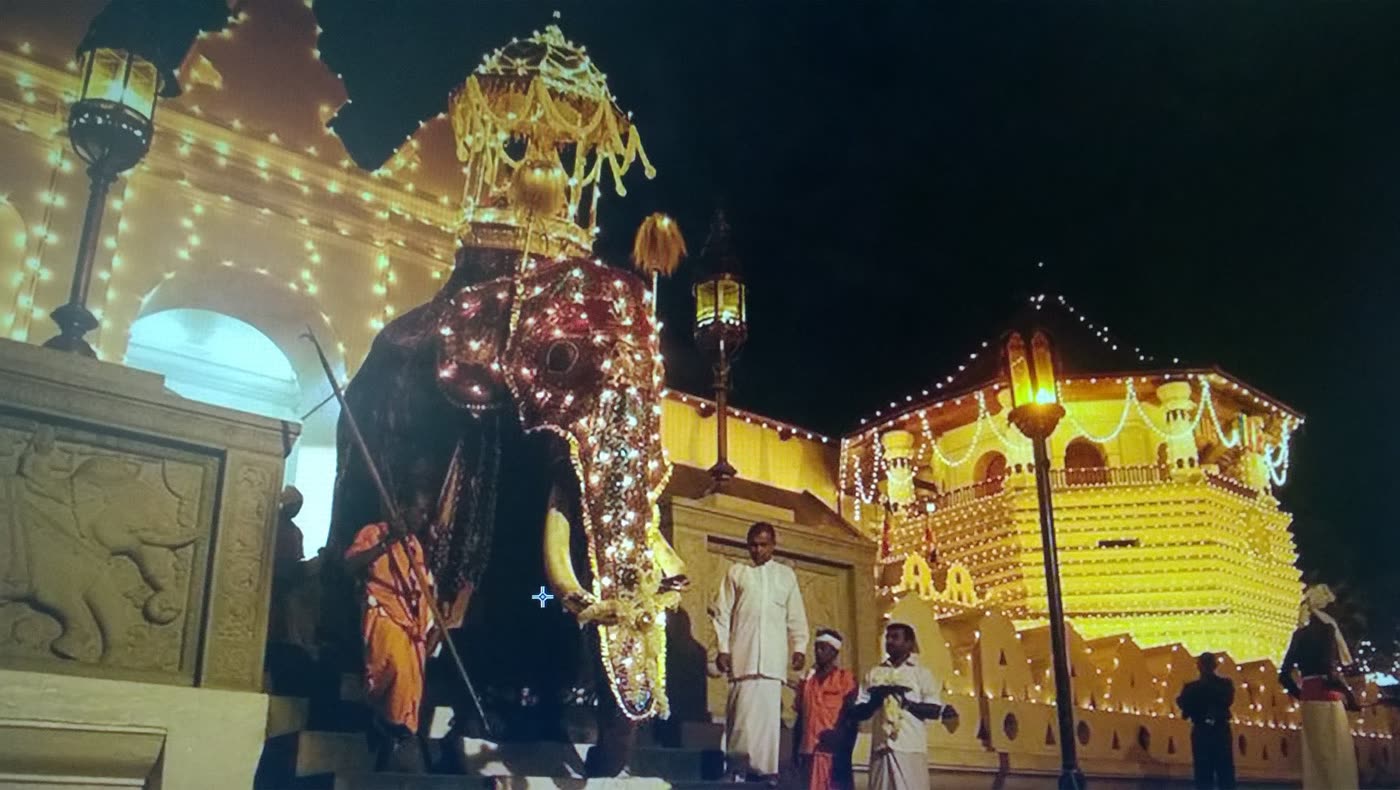
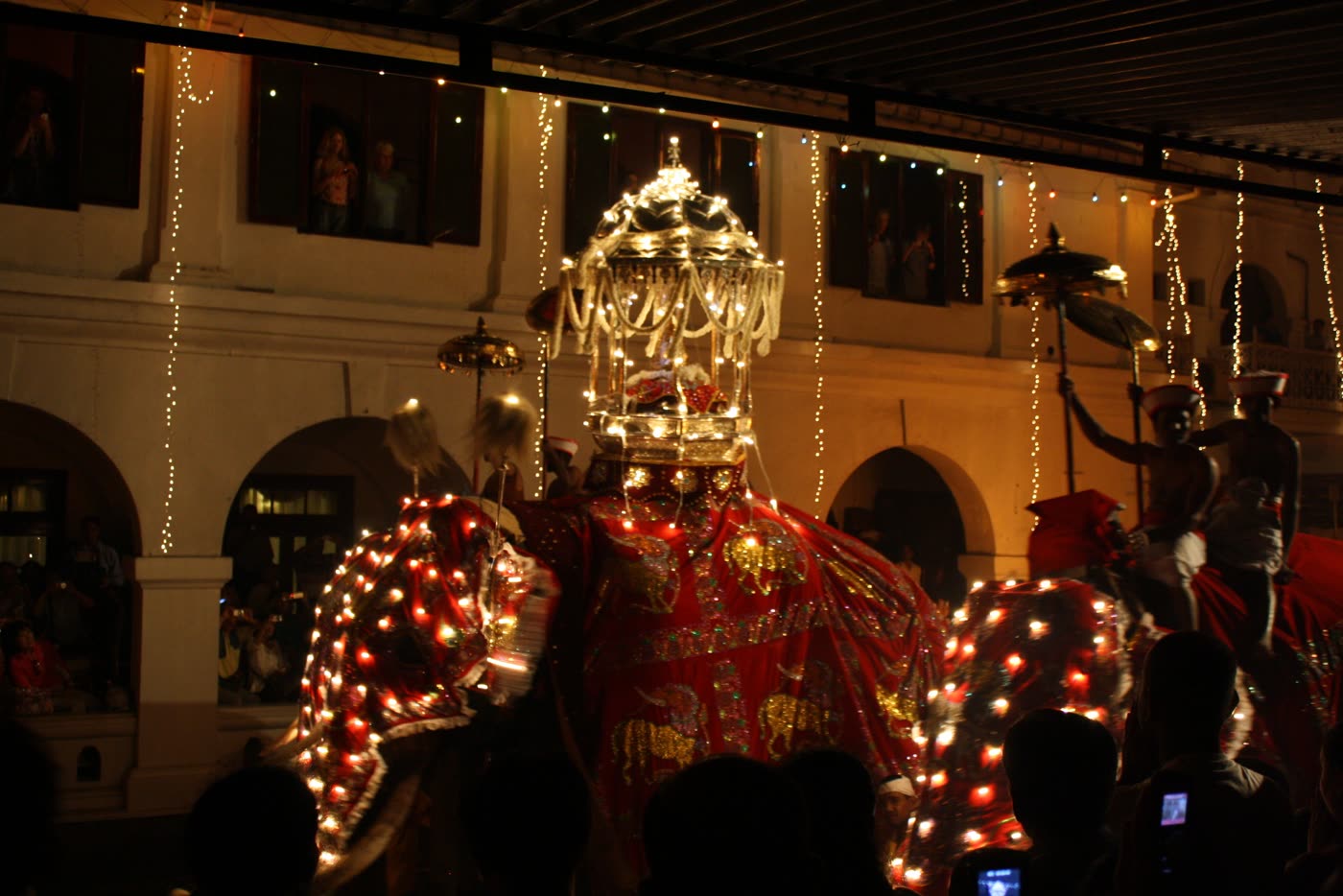
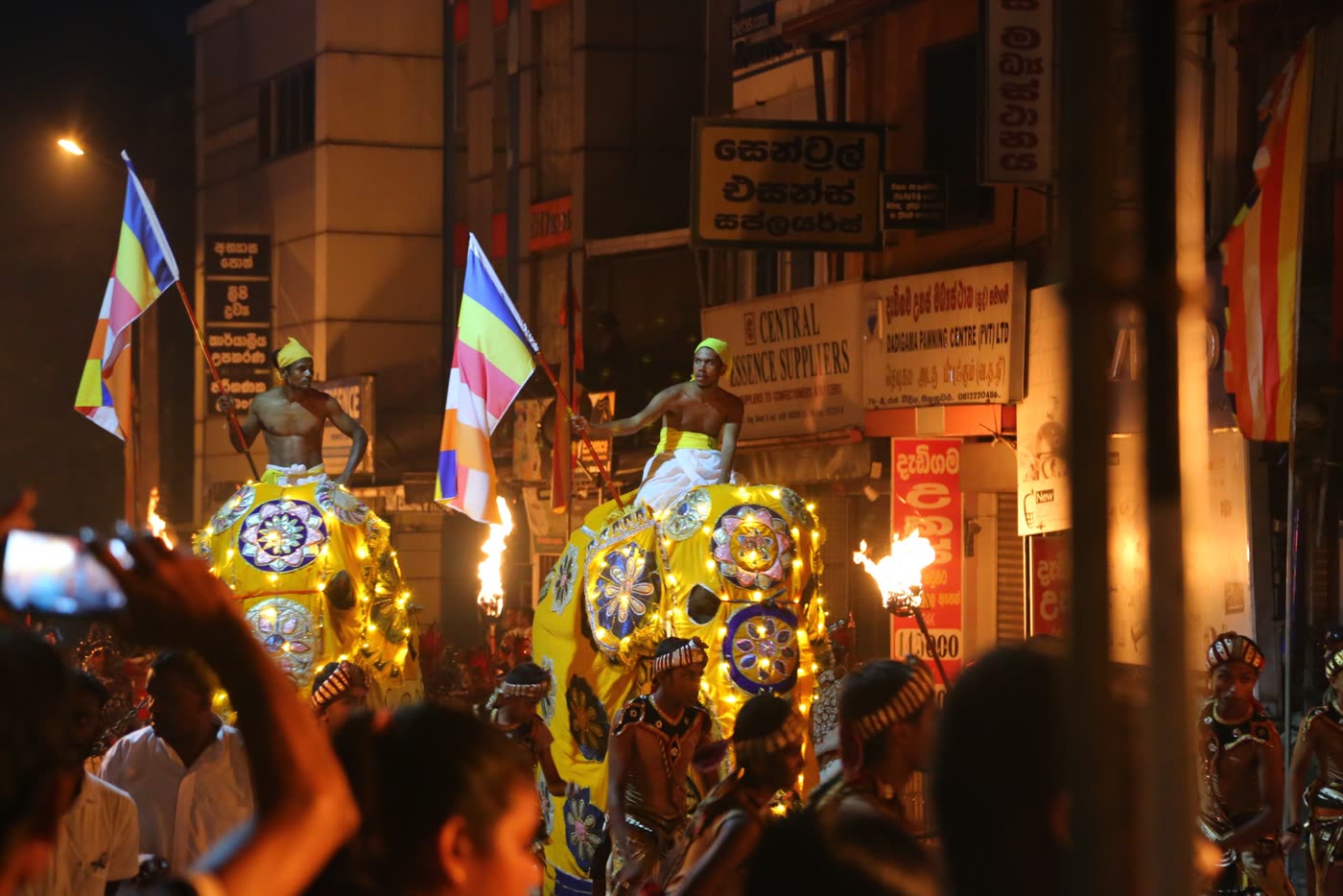
Elephants in lights at the Kandy Esala Perahera

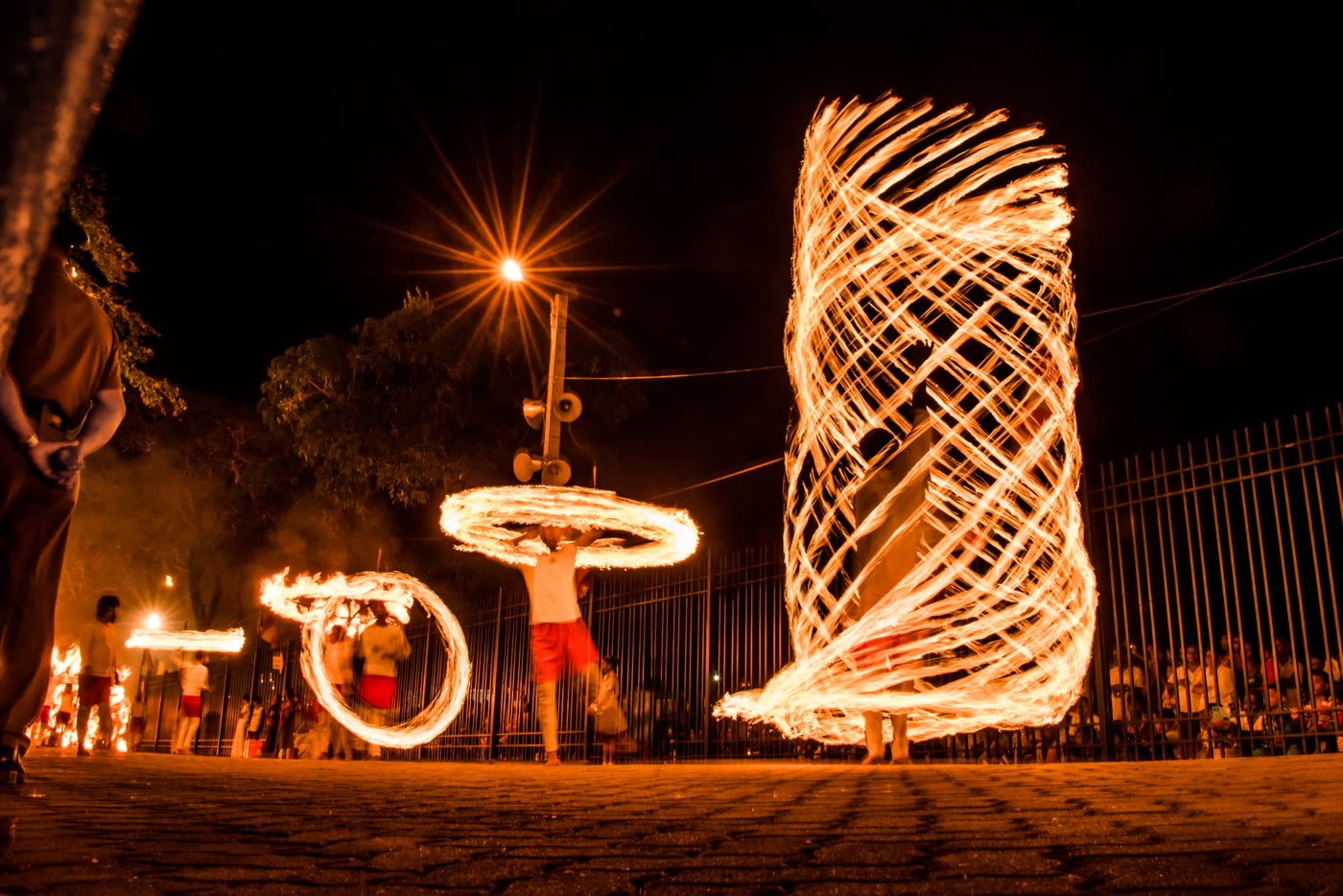
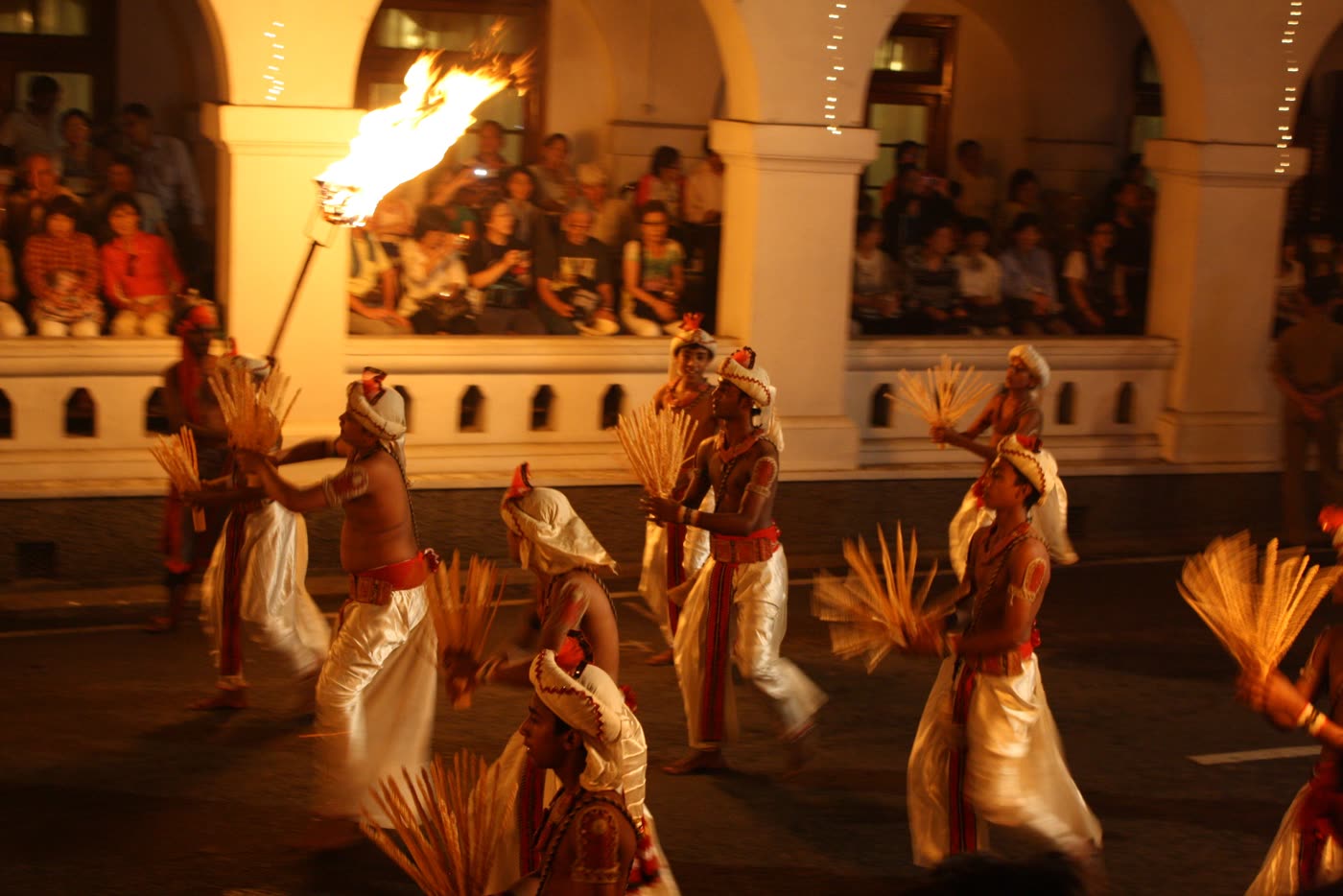
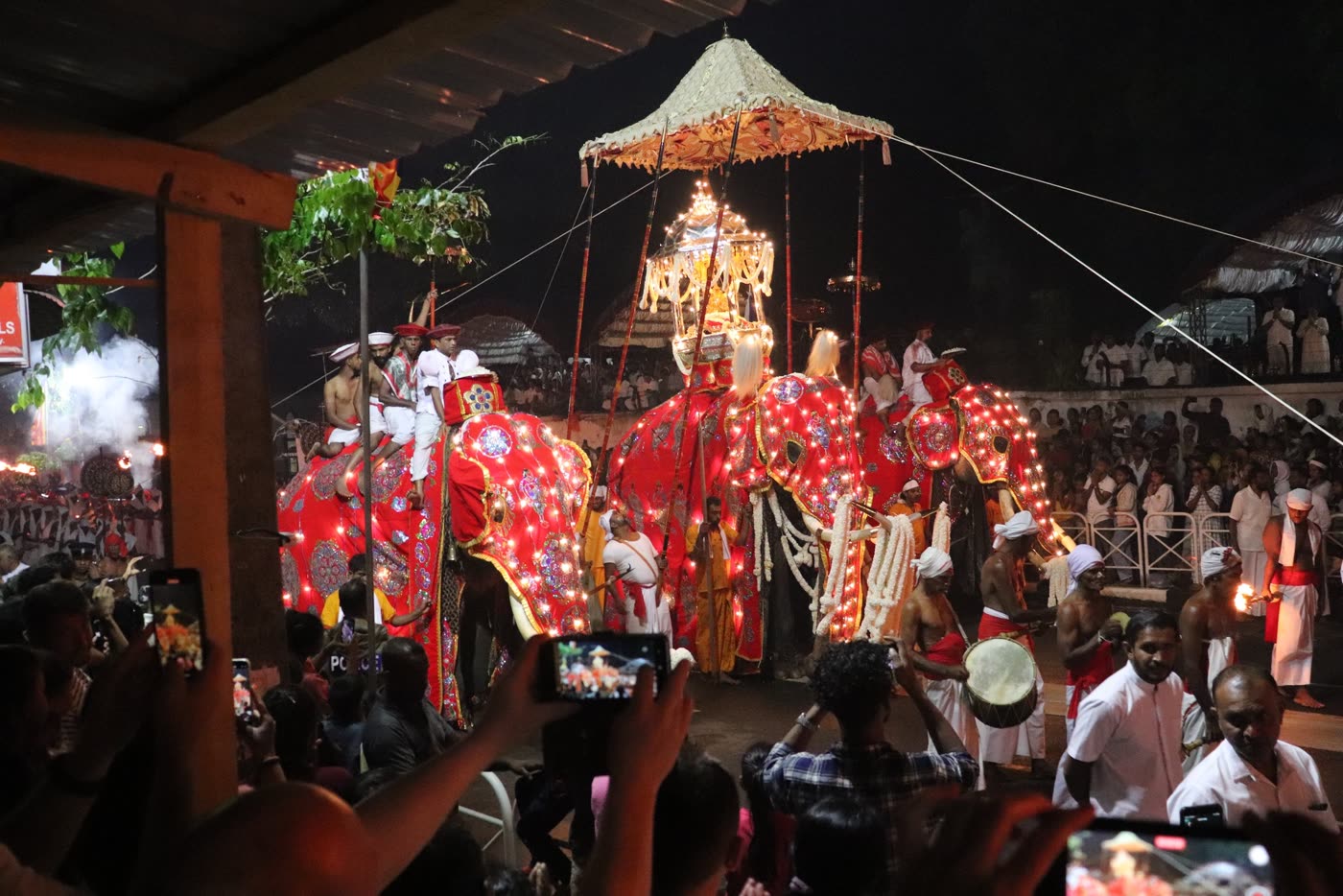
For ten nights around the July or August full moon, Kandy stages one of Asia's great processions. Whip-crackers, torch-bearers, Kandyan drummers and dancers, and as many as a hundred elephants, the lead tusker dressed in lights and velvet, carry a replica of the sacred tooth casket through streets packed many deep.

It grows night by night, from the smaller Kumbal Perahera to the grand Randoli nights, and closes with a dawn water-cutting ceremony on the river.

When 2026, 18 to 28 August

Highlights

  • Ten nights around the July or August full moon
  • Whip-crackers, torch-bearers, drummers and Kandyan dancers
  • Up to a hundred elephants, the lead tusker in lights and velvet
  • Builds from the Kumbal nights to the grand Randoli nights
  • Grandstand seats sell out months ahead, so decide early
Spirals of fire from performers at the Perahera A lit elephant in front of the floodlit temple Kandyan dancers with torches in the procession The main tusker under its canopy in the crowd Elephants in lights passing the old buildings Decorated elephants walking through the crowd

The best beaches

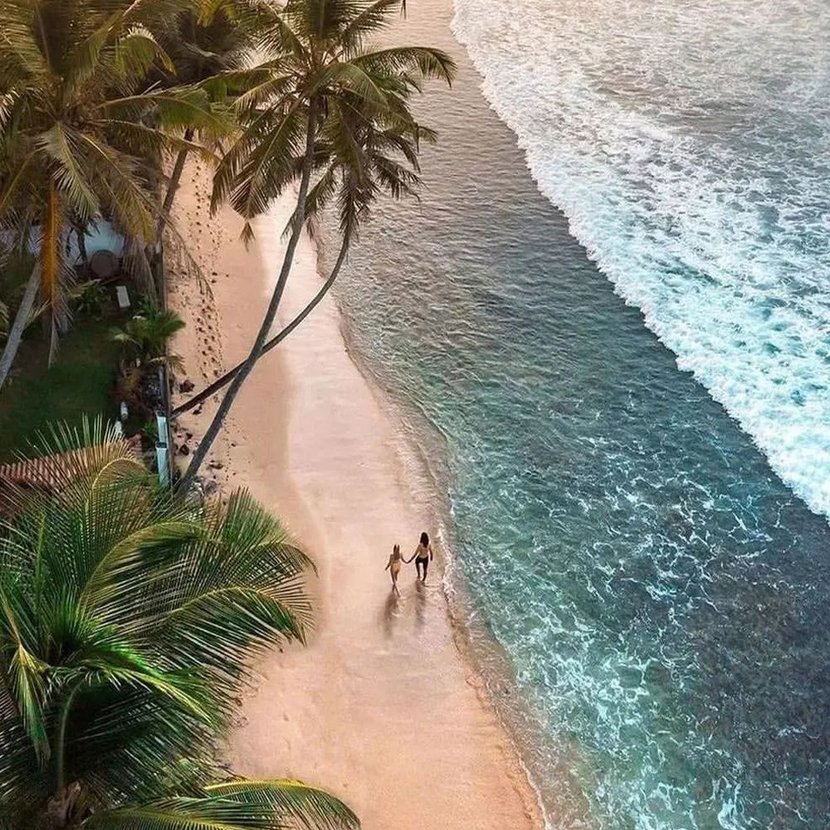
Aerial view of a couple walking a palm-lined beach beside the surf

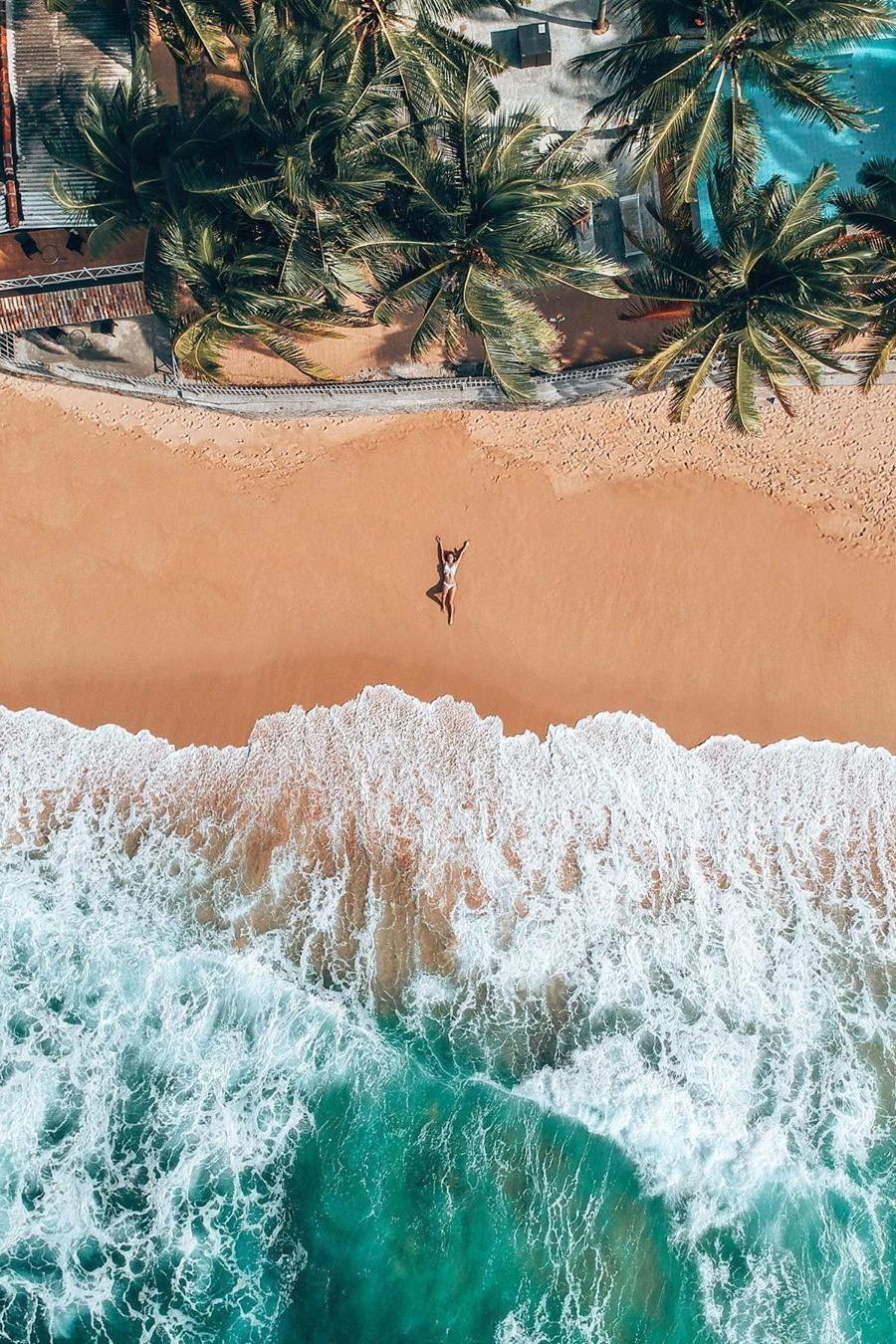
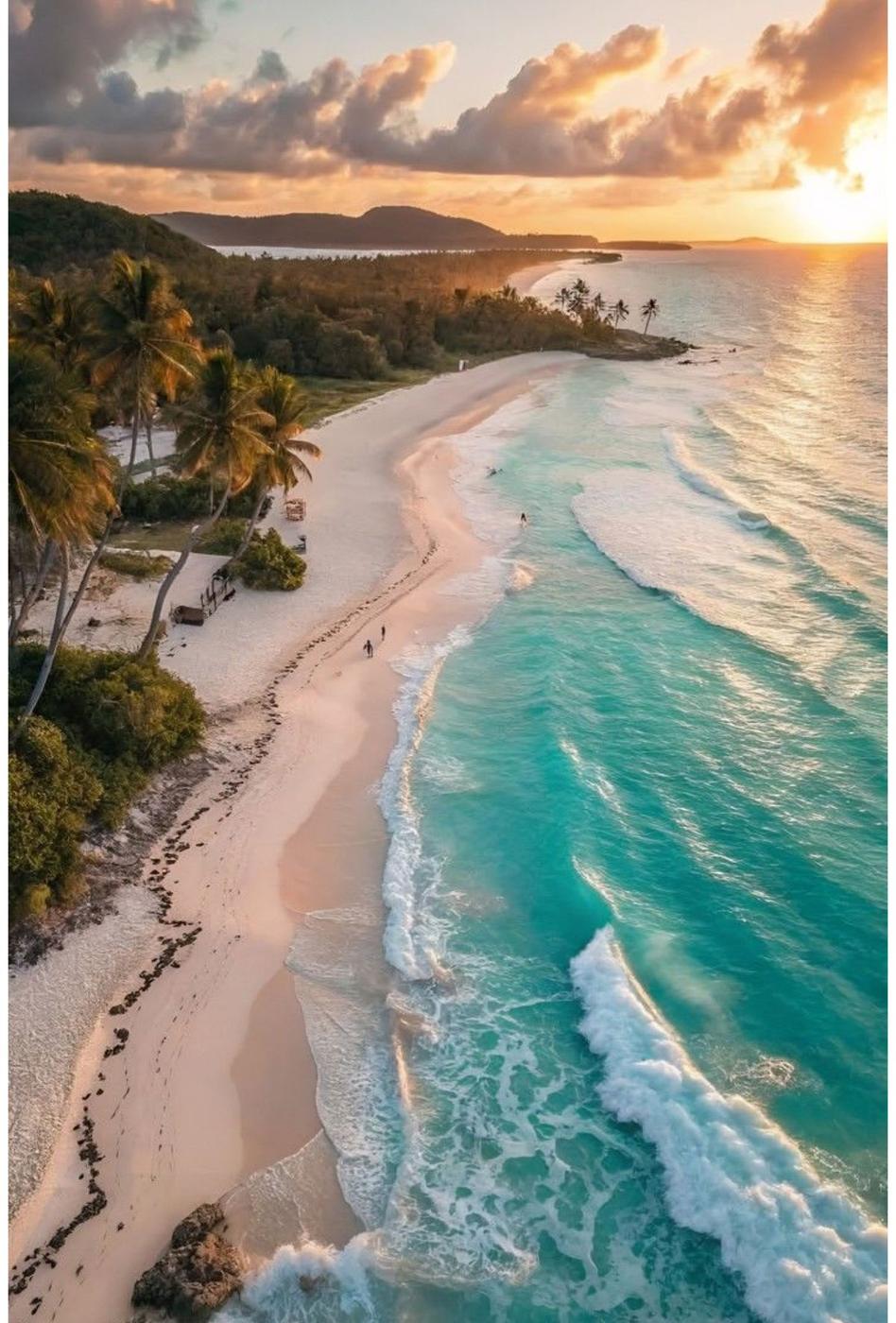
The coast changes character as you round the island, and the monsoon decides which half is in season. From December to April the south and west are at their best: Mirissa's crescent of sand and beach bars, the calm reef-protected swimming at Unawatuna, and Bentota's wide beach and river watersports.

From May to September the east takes over, with the pale, gentle shallows of Nilaveli near Trincomalee and the long right-hand point at Arugam Bay for surfers.

When South and west Dec to Apr · East May to Sep

Highlights

  • Mirissa, for sunsets, seafood and whales in season
  • Unawatuna, calm reef-protected swimming, a walk from Galle
  • Bentota, wide sand and river watersports
  • Nilaveli and Uppuveli near Trincomalee, the palest sand
  • Arugam Bay, a slow surf town on the east coast
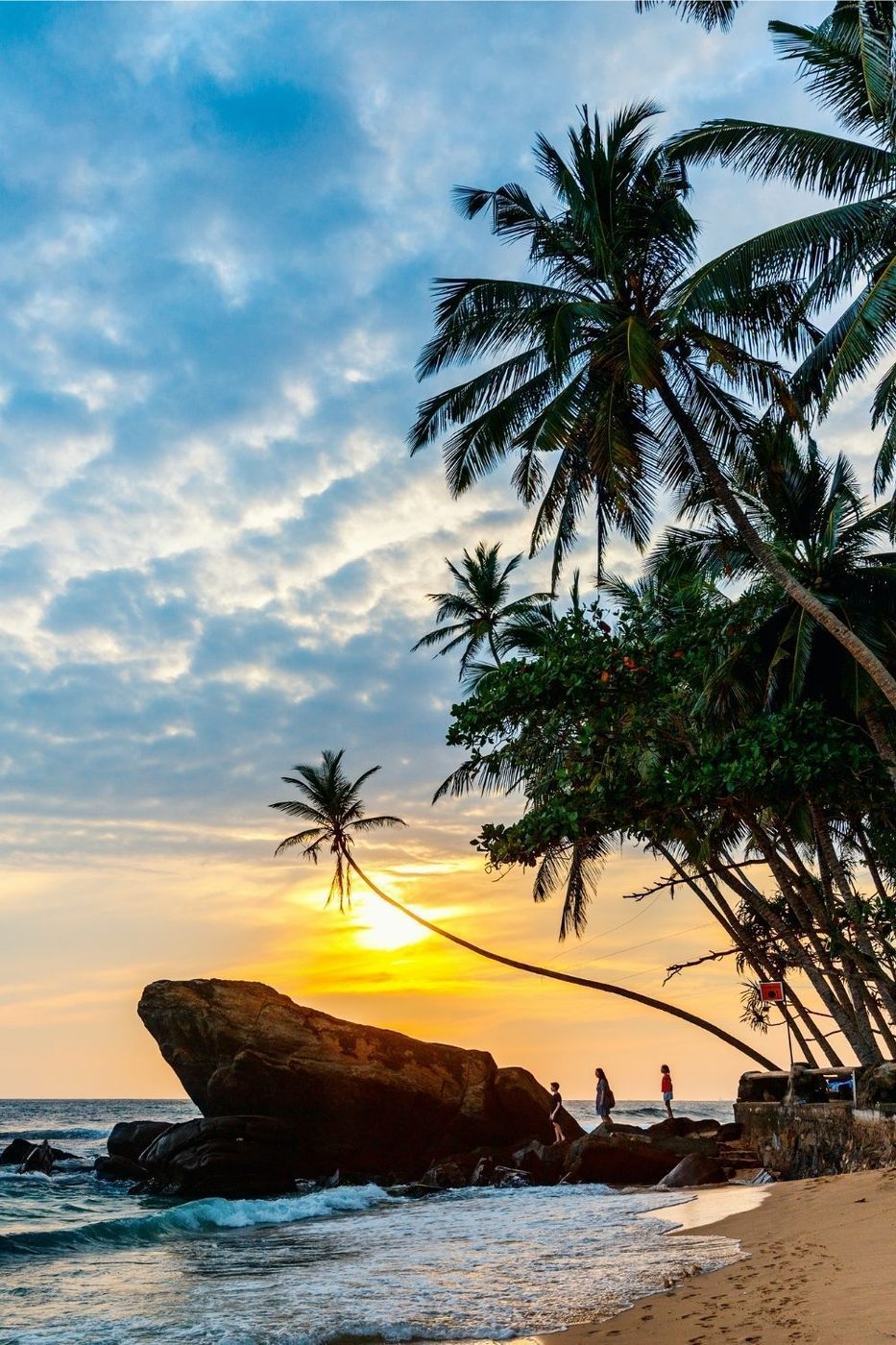
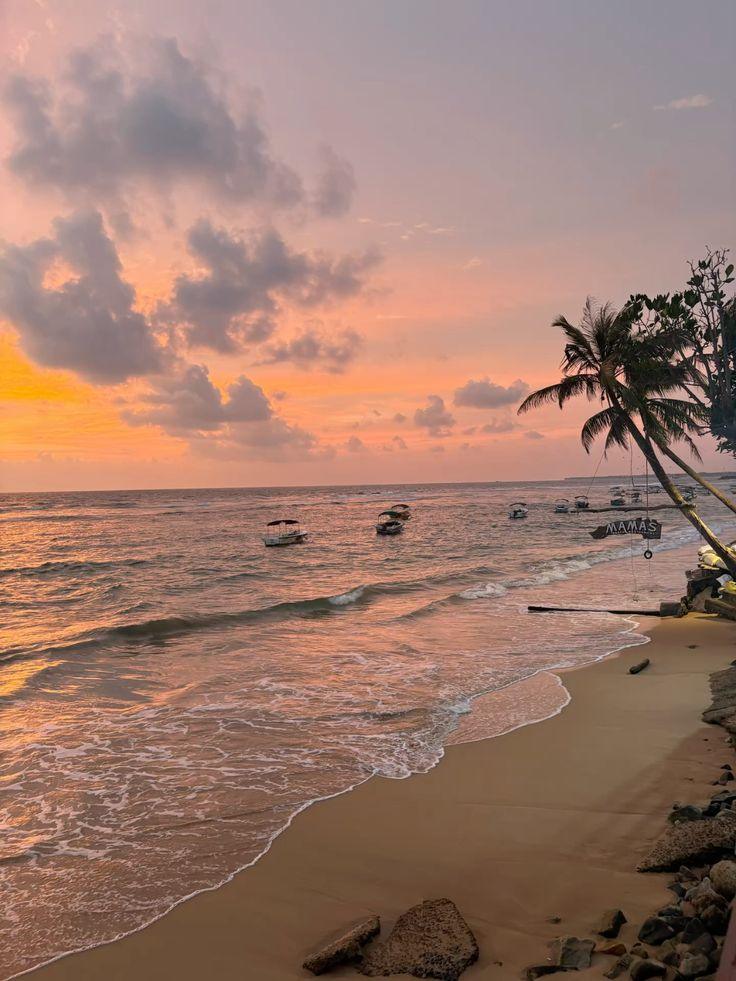
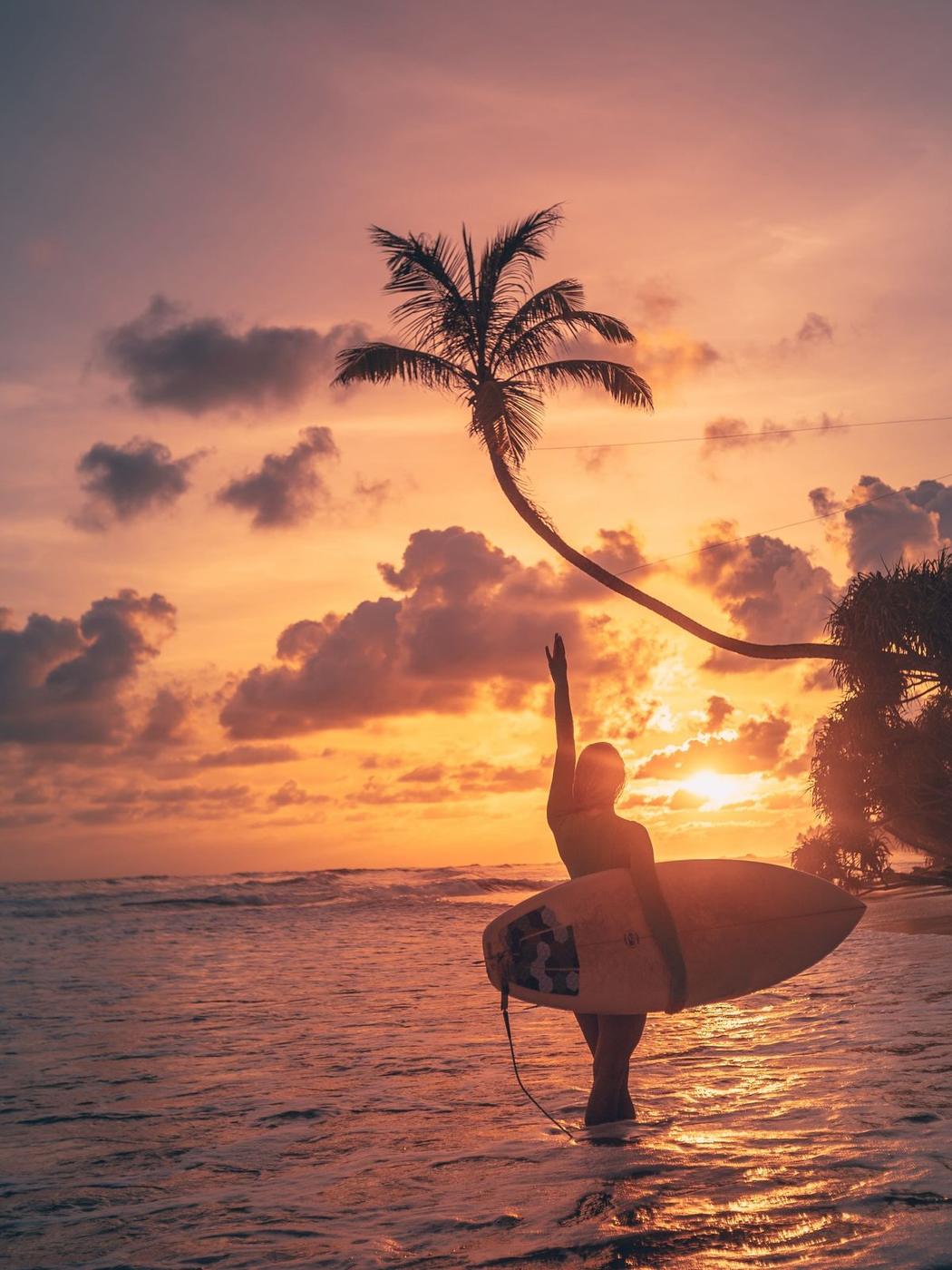
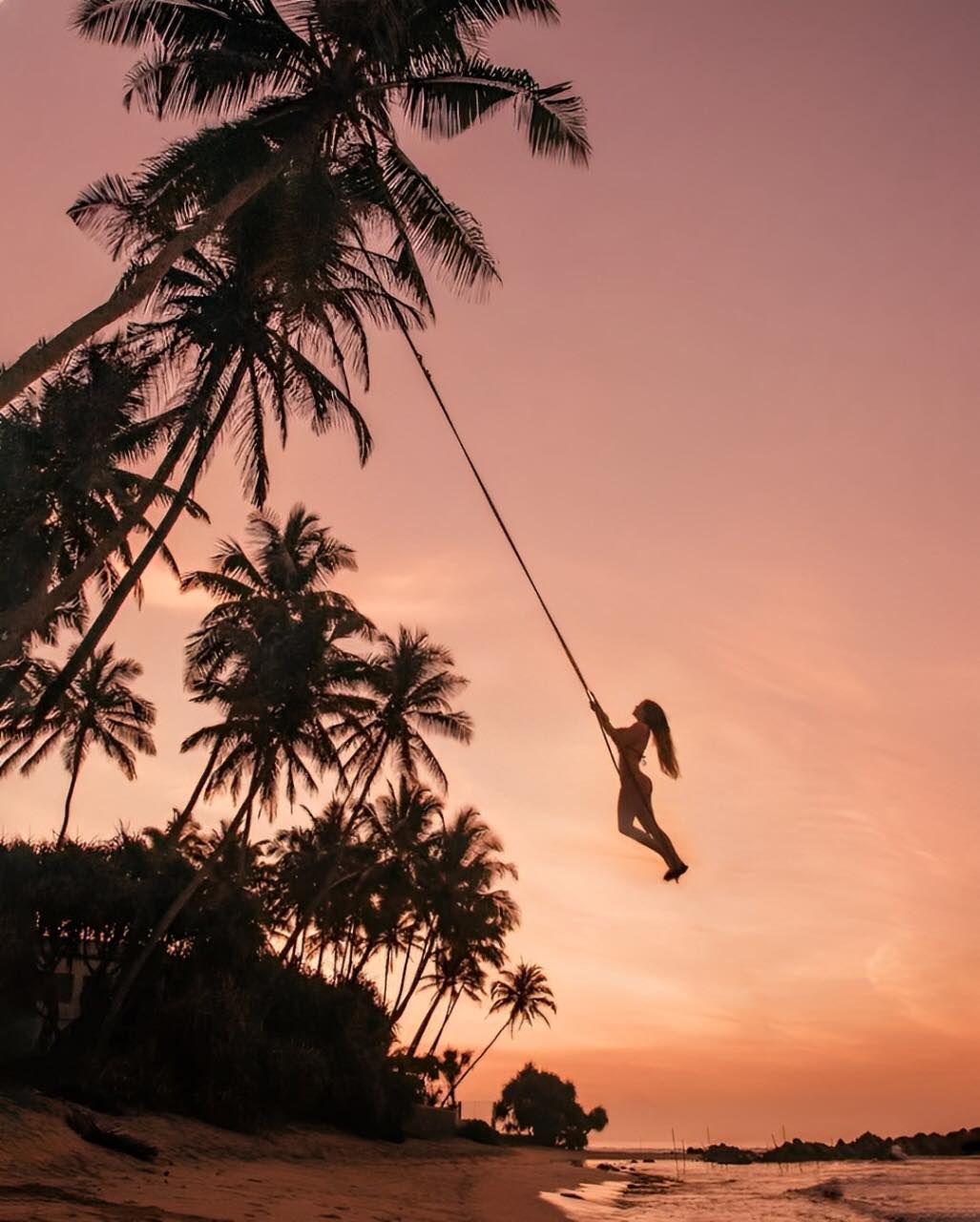
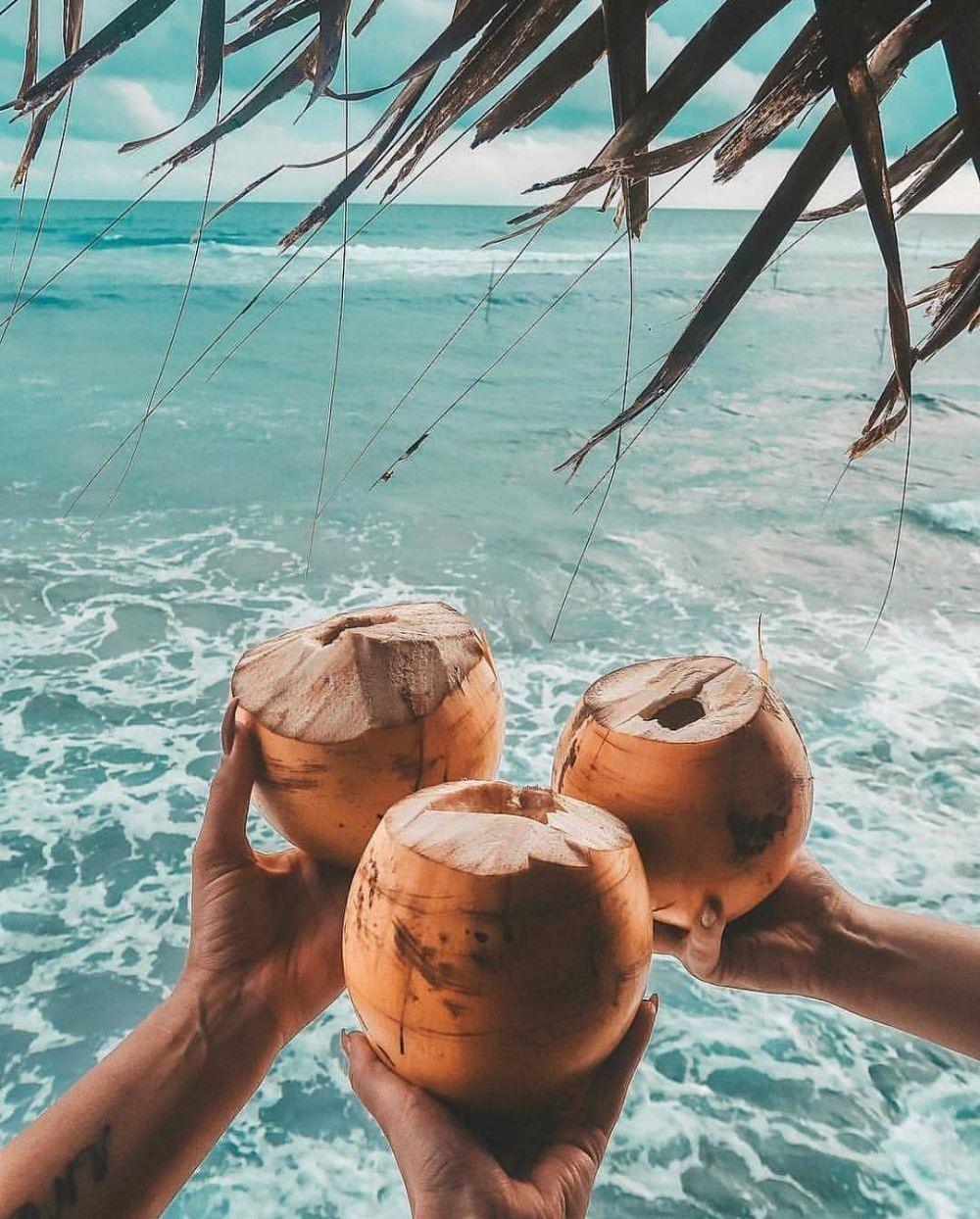
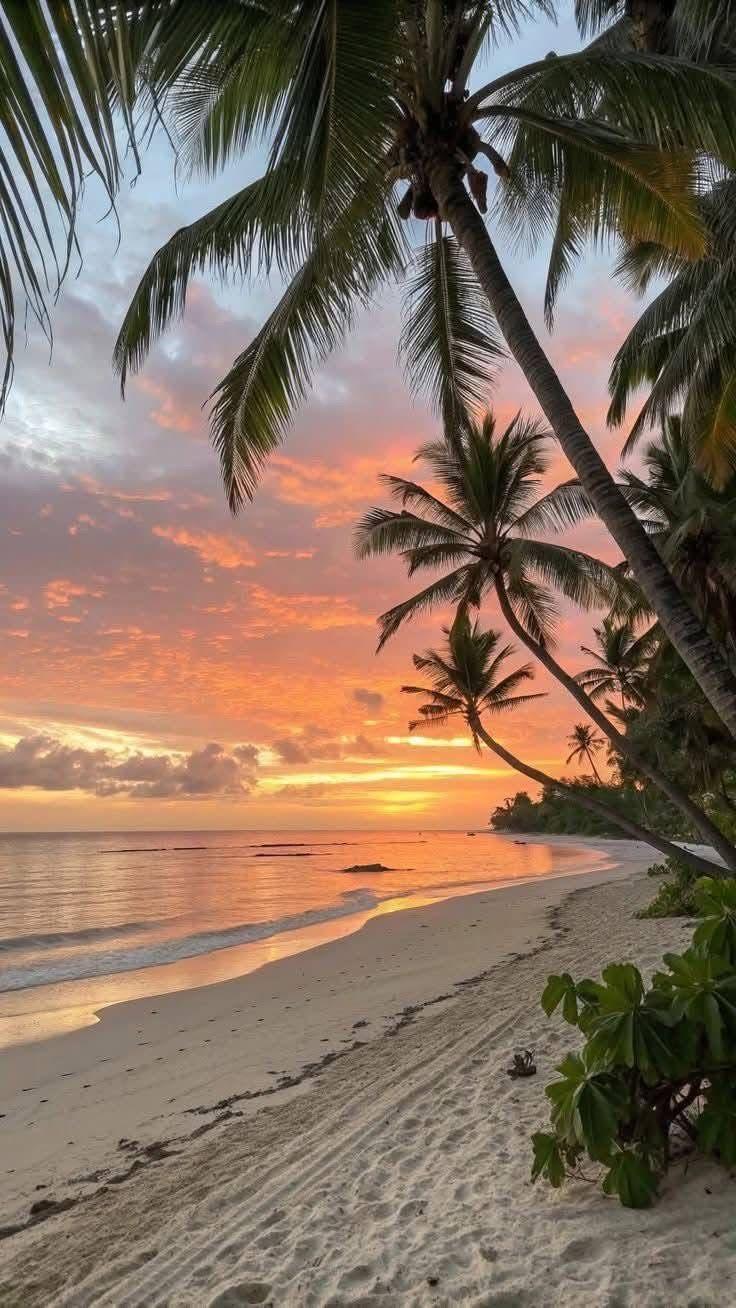
A great rock and a leaning palm silhouetted against the setting sun Aerial view of a green headland between turquoise bays Gentle waves on a sandy beach under a pink evening sky A surfer holding a board in the shallows at sunset A silhouette on a rope swing between palms at dusk Three hands raising king coconuts over the turquoise sea Aerial view of a person lying on golden sand above breaking waves Aerial view of a curving white beach and turquoise sea at sunset Palms leaning over a quiet beach at sunset

Taste Sri Lanka

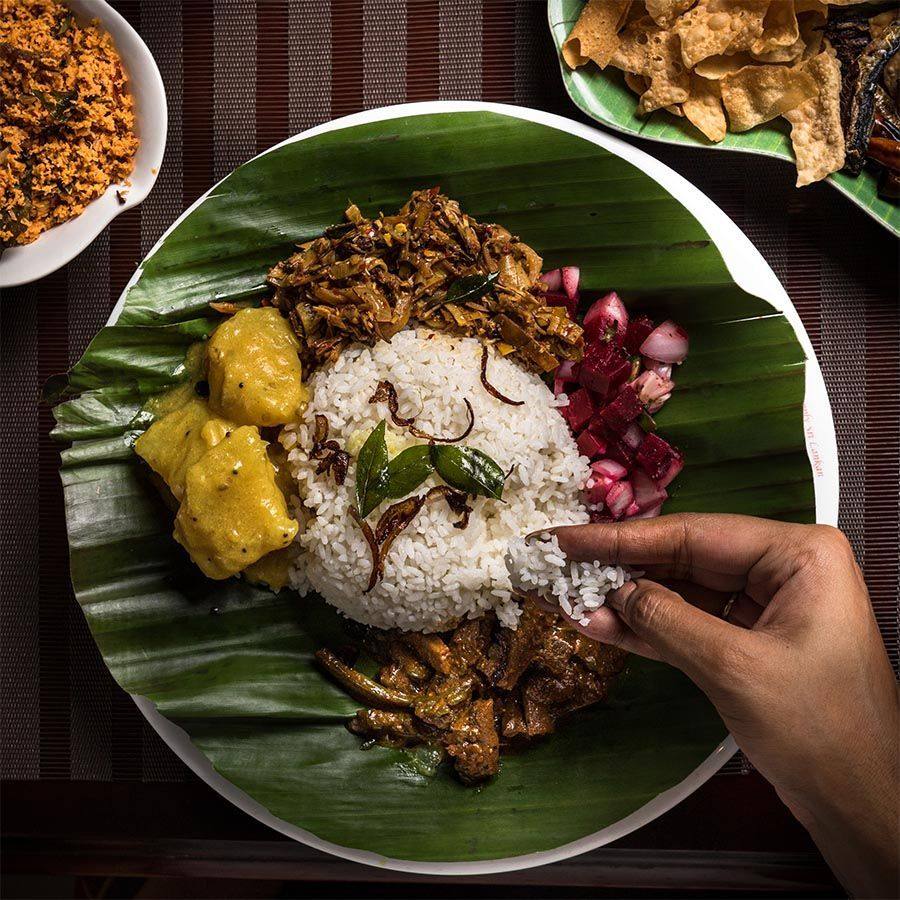
Rice and curries served on a banana leaf, eaten by hand

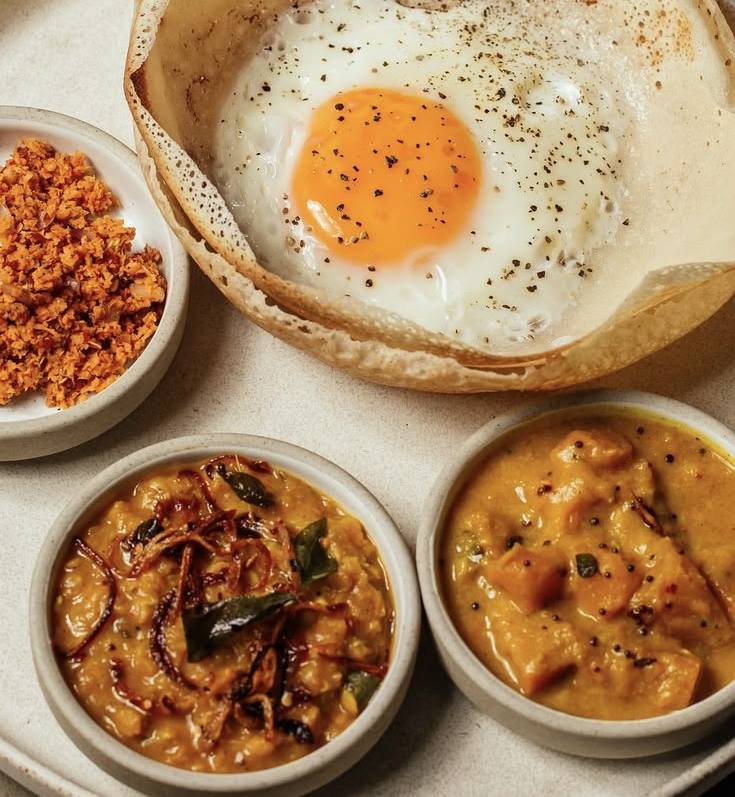
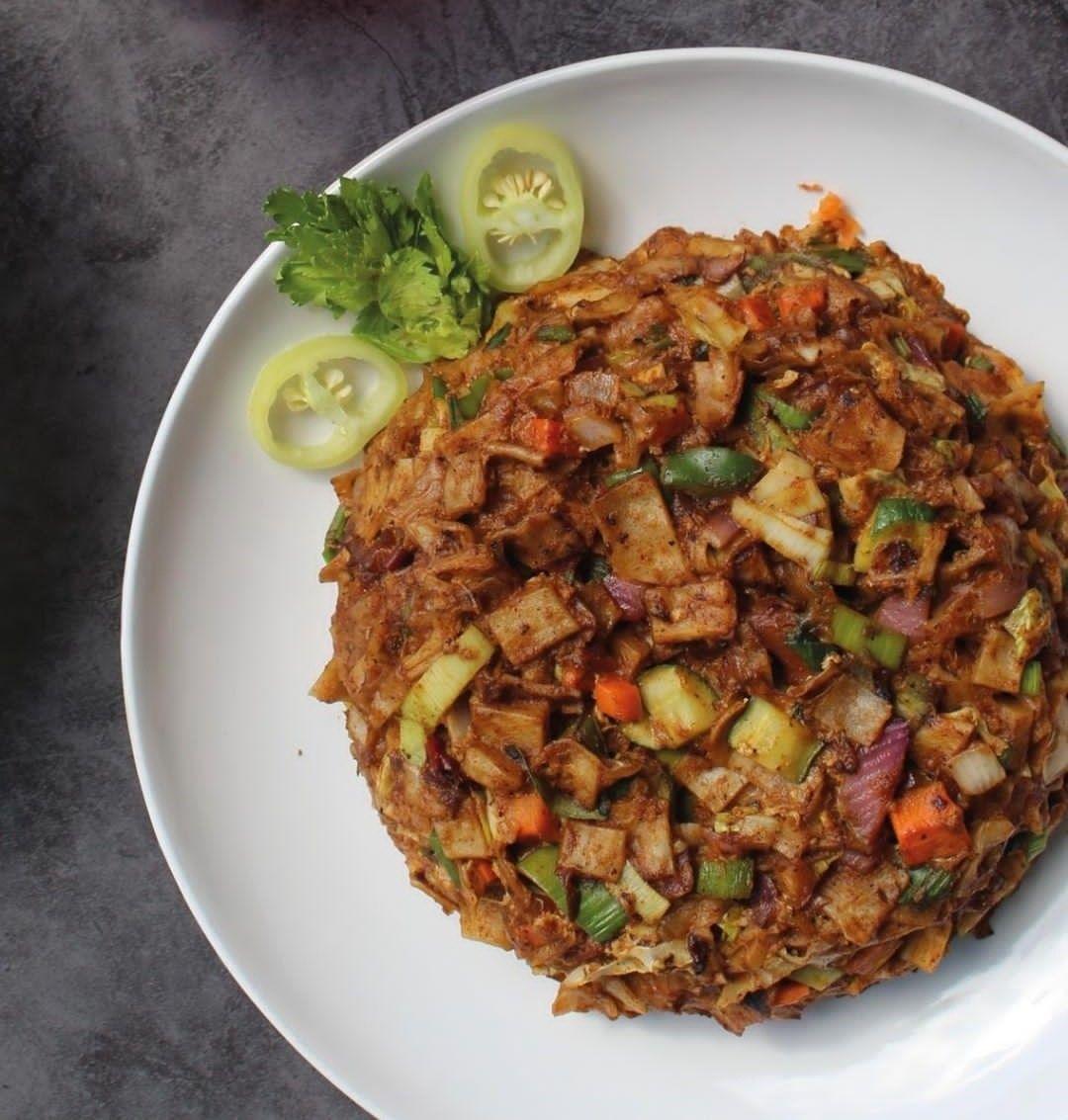
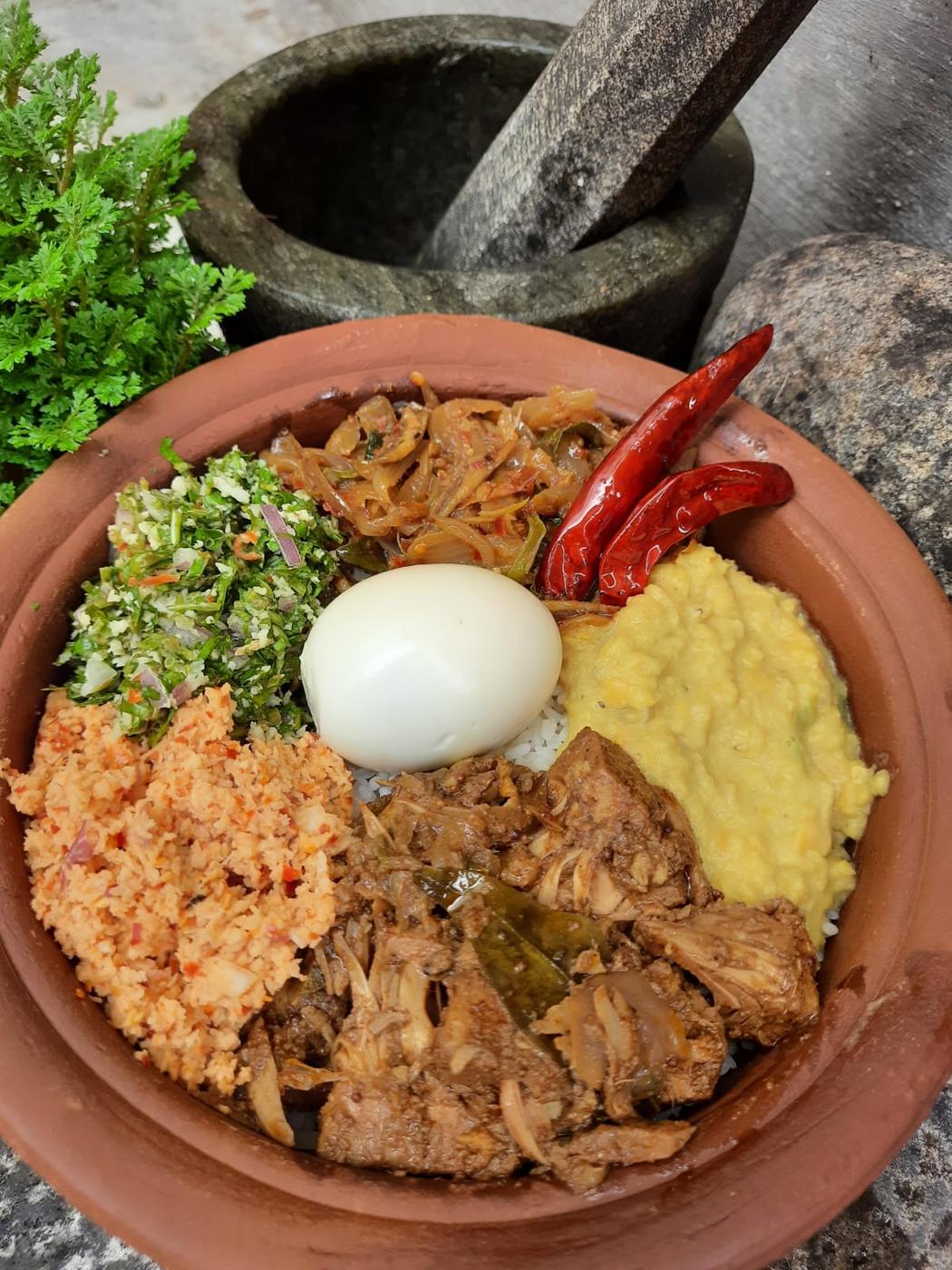
Sri Lankan food is its own tradition, not a branch of Indian cooking: hotter, more sour, built on coconut, curry leaf, pandan and dried Maldive fish, and best eaten by hand. "Rice and curry" undersells a spread of five or six vegetable dishes with a sambol and a papadam. Breakfast might be egg hoppers or string hoppers with dhal, and a late night ends with kottu, roti chopped on a hot plate in a rhythm you hear down the street.

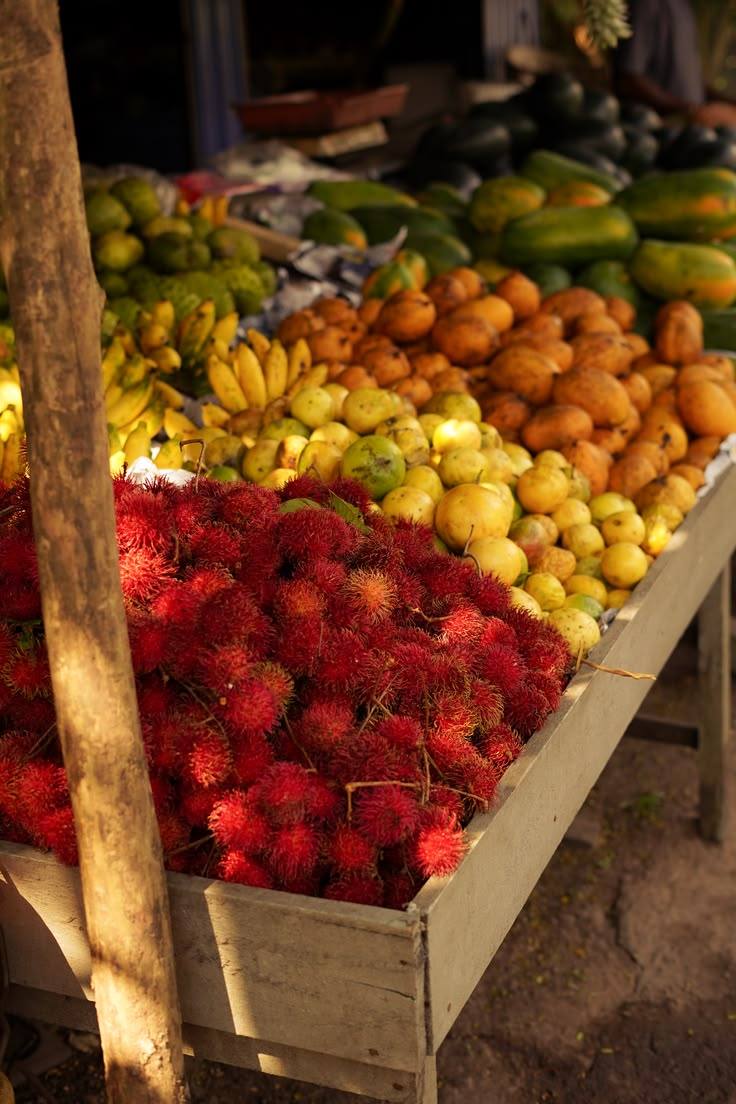
Then there is the fruit. Roadside stalls are piled with mango, papaya, rambutan, mangosteen and a dozen kinds of banana, including the sweet, creamy red banana. On almost every corner someone will slice the top off a bright orange king coconut, the island's own variety, for the most refreshing drink in the tropics.

Above all, Sri Lanka is the home of cinnamon. Ceylon cinnamon is true cinnamon, sweeter and more delicate than the cassia sold as cinnamon in much of the world, and widely regarded as the finest there is. Add pepper, cardamom, cloves and nutmeg, visit a spice garden near Kandy or Matale, and the curries start to make sense.

When Any time. Rambutan and mangosteen are best around June to August

Highlights

  • Rice and curry, hoppers, string hoppers and late-night kottu
  • King coconut, straight from the shell
  • Red bananas, rambutan, mangosteen and mango from roadside stalls
  • Ceylon cinnamon, the world's finest, and a spice garden visit
  • A market walk or a home cooking class with a local family
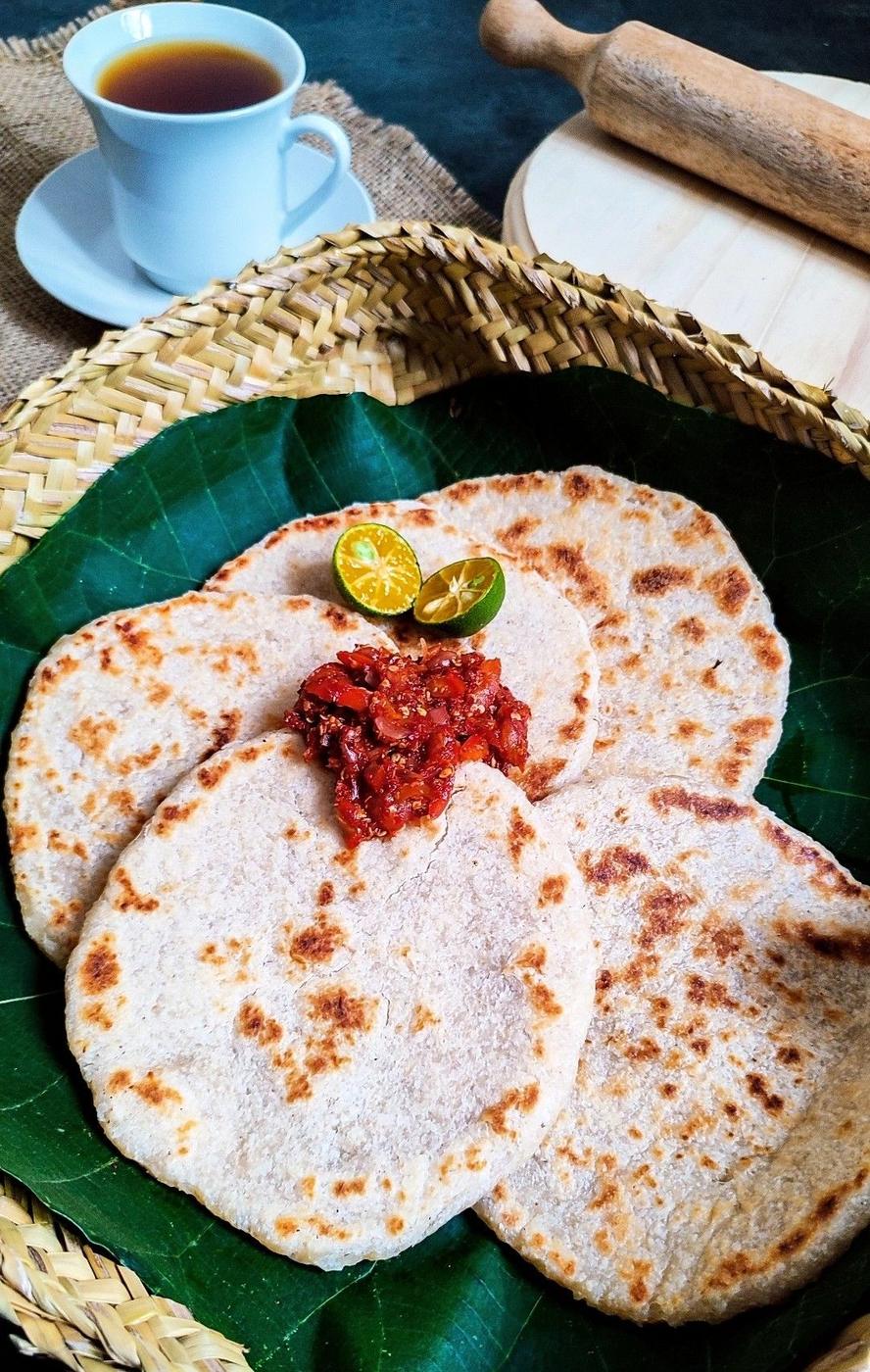
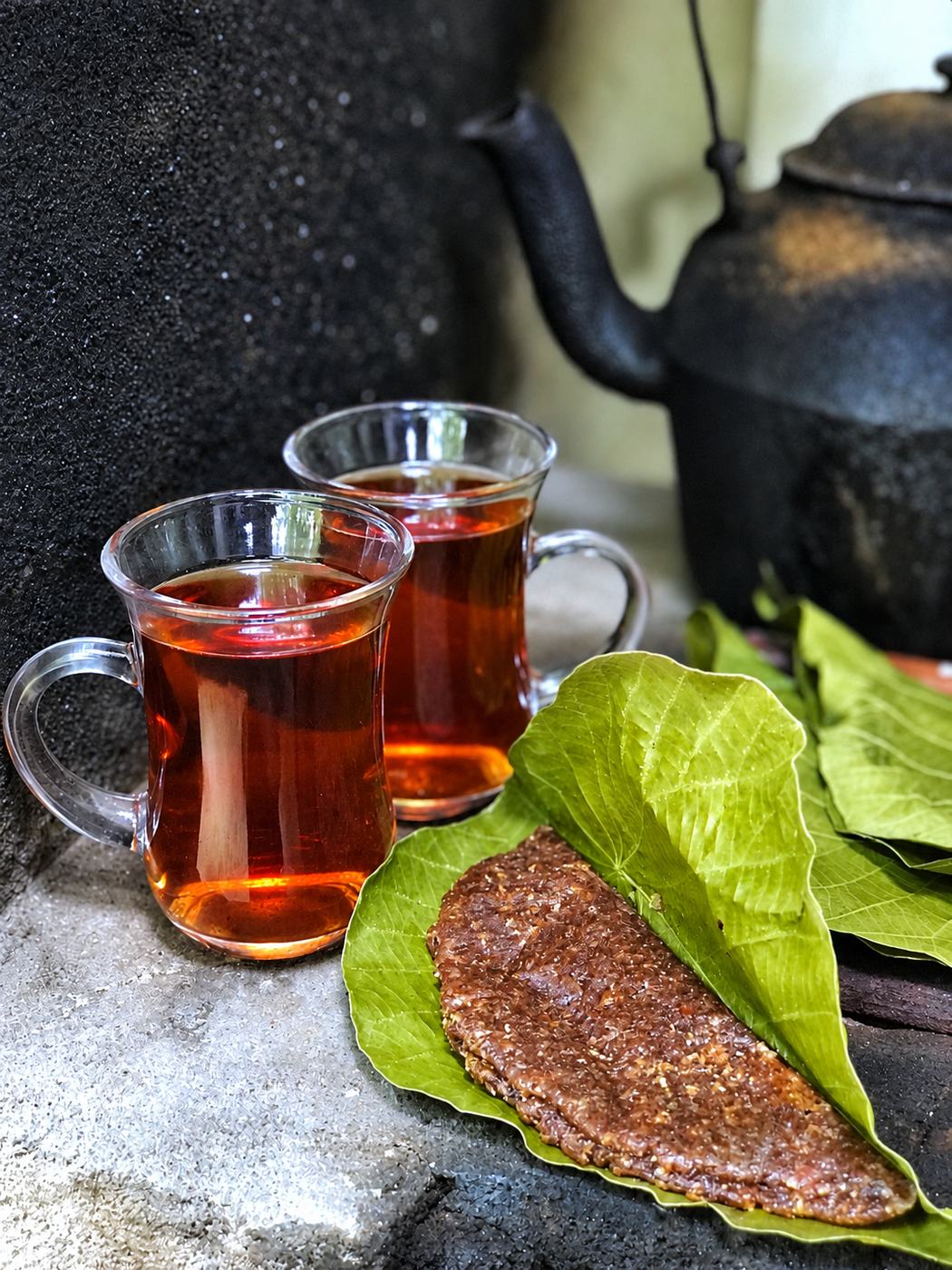
A bowl of crab curry on a banana leaf with fresh chillies and sambol An egg hopper beside bowls of curry and coconut sambol A plate of chopped kottu roti with vegetables and green chilli Coconut flatbreads on a leaf with red chilli sambol and lime Two glasses of plain black tea beside a kettle and a sweet on a leaf A clay pot of rice with curries, sambol, egg and dried chillies A roadside stall piled with red rambutan and tropical fruit
A leopard on a track in a Sri Lankan national park at dawn

Start your journey

Let's plan your Sri Lankan story.

Tell us which of this you want in, and roughly when you can travel. We will come back with a route that stays in the good weather. No obligation.

or call +94 75 738 1419 · open every day